Cha Ca La Vong – Vietnamese Fish with Turmeric, Ginger and Dill

IMG_7485

The melodic sounding ‘Cha Ca La Vong’ is one of Hanoi’s famous dishes consisting of white fish (often Vietnamese Snakehead fish) along with fresh turmeric, galangal, ginger, the pungent smelling Vietnamese shrimp paste, spring onions, rice noodles and a generous helping of fresh dill, coriander and mint and a scattering of peanuts.

My version is all of the above except no galangal (unless I happen to chance upon it), turmeric powder instead of fresh turmeric and no Vietnamese shrimp paste. I also find cod or tilapia work best for me, but basically you can use any thick white fish that has been filleted and does not have a propensity to fall apart.

IMG_7466

The flavour combinations work so well and I find it refreshing to give dill centre stage once in a while as I tend to find that it only ever gets partnered with salmon, trout and creme fraiche. The textures also really compliment each other, from the soft and yet delicately fried fish, to the crunchy nuts, the fresh flavoursome herbs and the filling noodles.  I like to accompany the dish with my sweet and sour nuoc cham dipping sauce – see here (at the bottom of the post).

IMG_7439

It’s one of those dishes which is perfect for guests to get stuck in and help themselves.  Part of the fun of it is to create the dish yourself, choosing the amounts of herbs that suit your requirements. I also find that when guests help themselves there is far less wastage as people, on the whole, tend to take what they are going to eat.  Both my daughters adore the dish and for my youngest I tend to make up a separate nuoc cham dipping sauce without fresh chilli.

*****************

Cha Ca La Vong – Vietnamese Fish with Turmeric, Ginger and Dill

Serves 4

600g cod or tilapia, cut into 2 inch chunks

1 tbsp fresh ginger, finely grated (equally you could use ginger paste)

2 garlic cloves, finely chopped (or as above)

1 tbsp fish sauce

1 tsp turmeric powder

1 tsp sugar

1 tbsp plain flour

3/4 tbsp of vegetable oil

6 spring onions, thinly cut on the diagonal

bunch of fresh dill

bunch of fresh coriander

bunch of fresh mint

1 generous handful of unsalted peanuts, slightly crushed

300g rice noodles

1. Place the fish chunks, turmeric, ginger, garlic, flour, sugar and fish sauce in a bowl and gently mix in together so that the fish is completely coated in the turmeric. Cover and leave to marinade in the fridge for a few hours or overnight.

2. Cook the rice noodles according to the packet (normally I boil them for 4 mins) and drain. Run cold water through them and place to one side. When ready to serve pour boiling water through it once, drain and place in a serving bowl.

4. In a different bowl place the fresh coriander and mint and in another place the peanuts.

5. Prepare the nuoc cham dipping sauce. For four people you will need to make two batches of this – see here.

6. In a frying pan add the oil and when it is hot add the fish in batches along with any remaining ginger and garlic from the marinade. Leave for a 2-3 minutes so they begin to crisp before turning over for another couple of minutes. Place the fish on kitchen roll whilst you are cooking the remaining fish chunks.

7. Once the fish has crisped up sufficiently add the dill and the spring onions for up to a minute before placing in a large serving bowl.

8. Allow guests to serve themselves, showing them how to layer up the dish by first placing the noodles in a bowl, followed by the fish, spring onions and dill, mint and coriander, peanuts and then a little nuoc cham dipping sauce over the top.
Bengali Egg Curry

IMG_7385

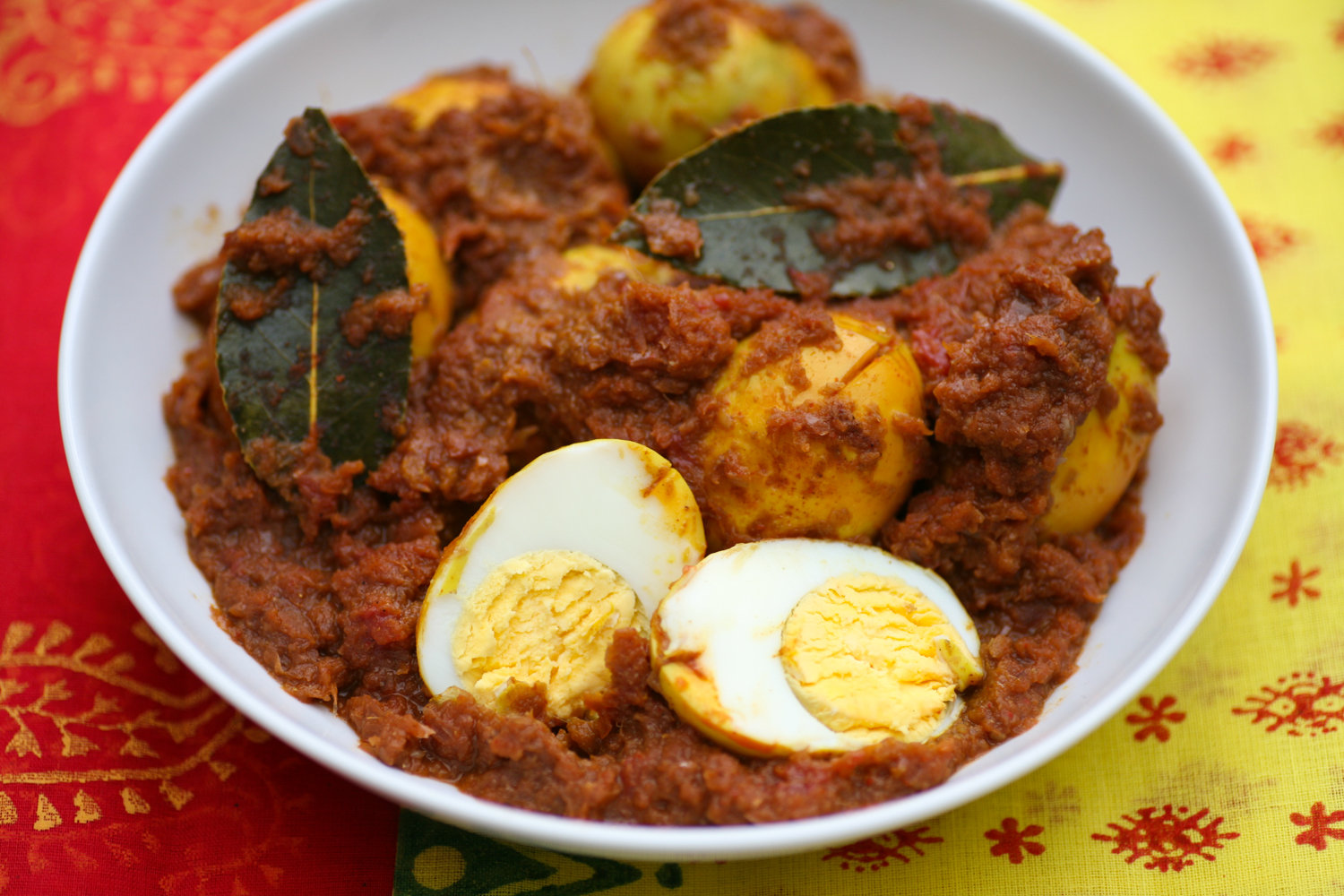
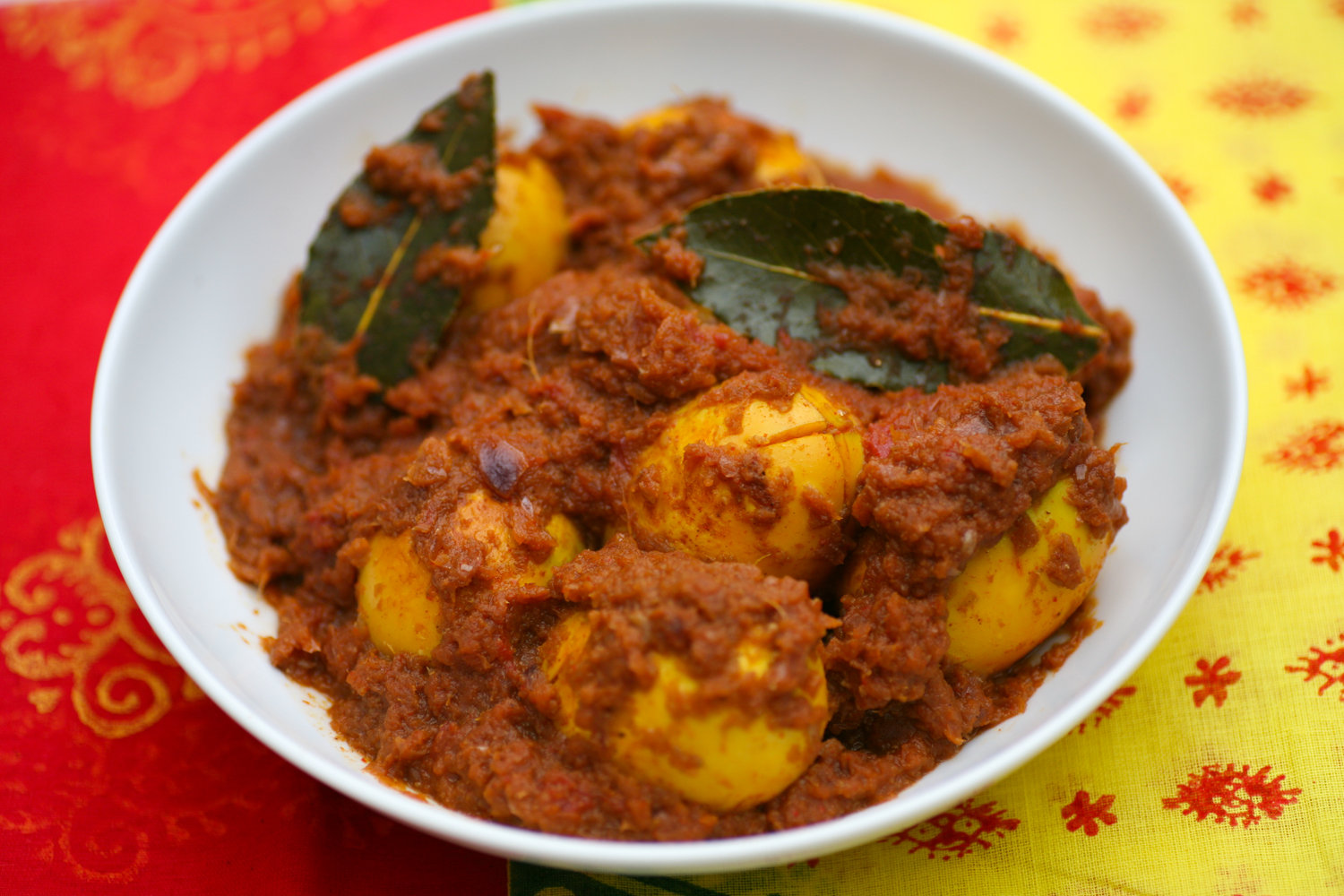
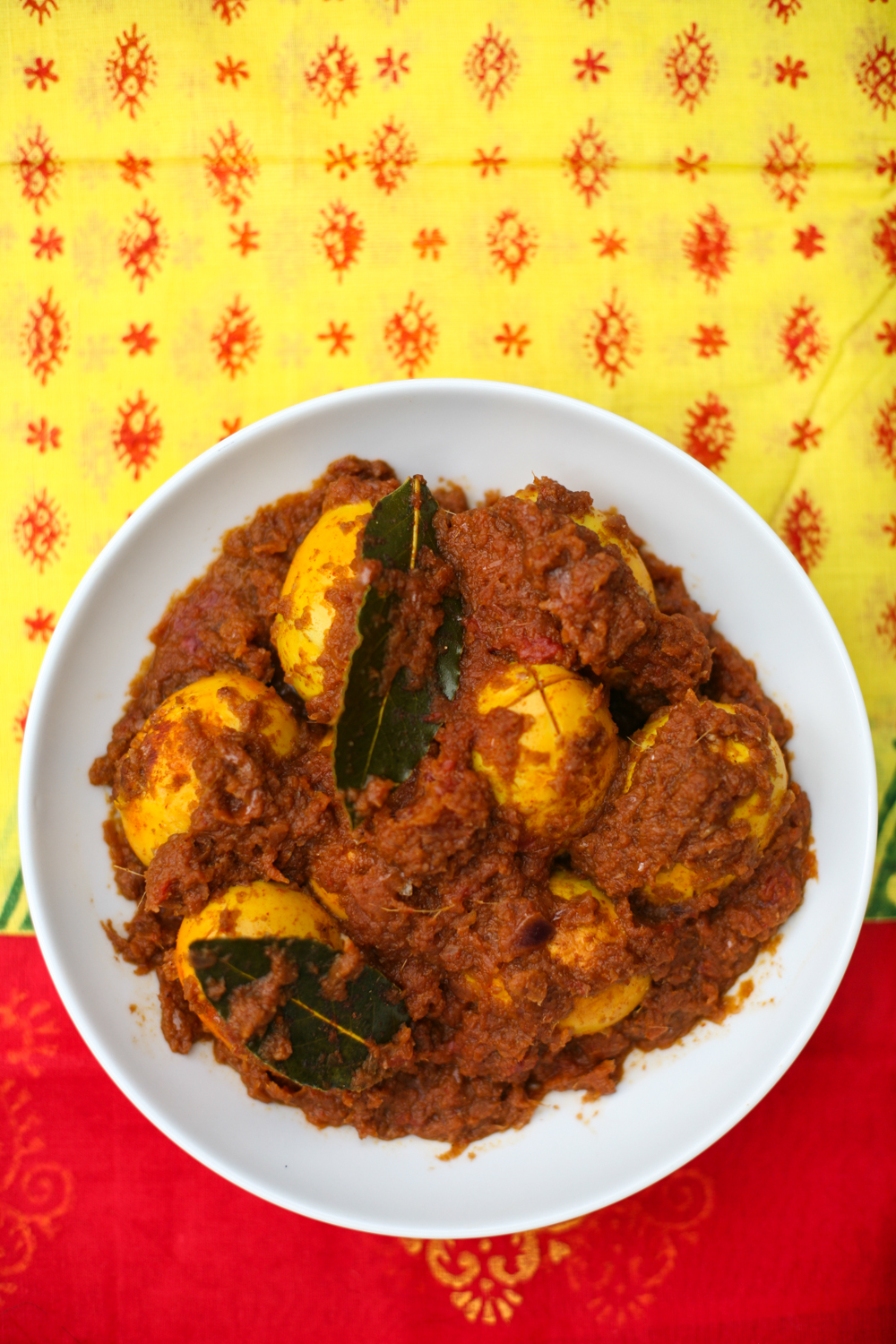
When I was staying in the heart of Kolkata, I was often woken from my deep slumber by the egg (dim) or milk (dudha) wallah shouting out in his crescendoing voice each morning. It was my regular wake up call to get out of bed and embrace the day ahead. There was something very charming about the wallah selling the fresh eggs and milk as he pushed his cart slowly down our road. Bengalis love eggs as much as I do. To this day, a picnic is not a proper picnic without a hard boiled egg. So when I was introduced to Bengali egg curry many moons ago, it was an immediate hit. Easy to execute, it makes for a most satisfying protein rich meal.

For the adventurous, this also serves as a wonderful late Sunday brunch with a kick.

IMG_7364

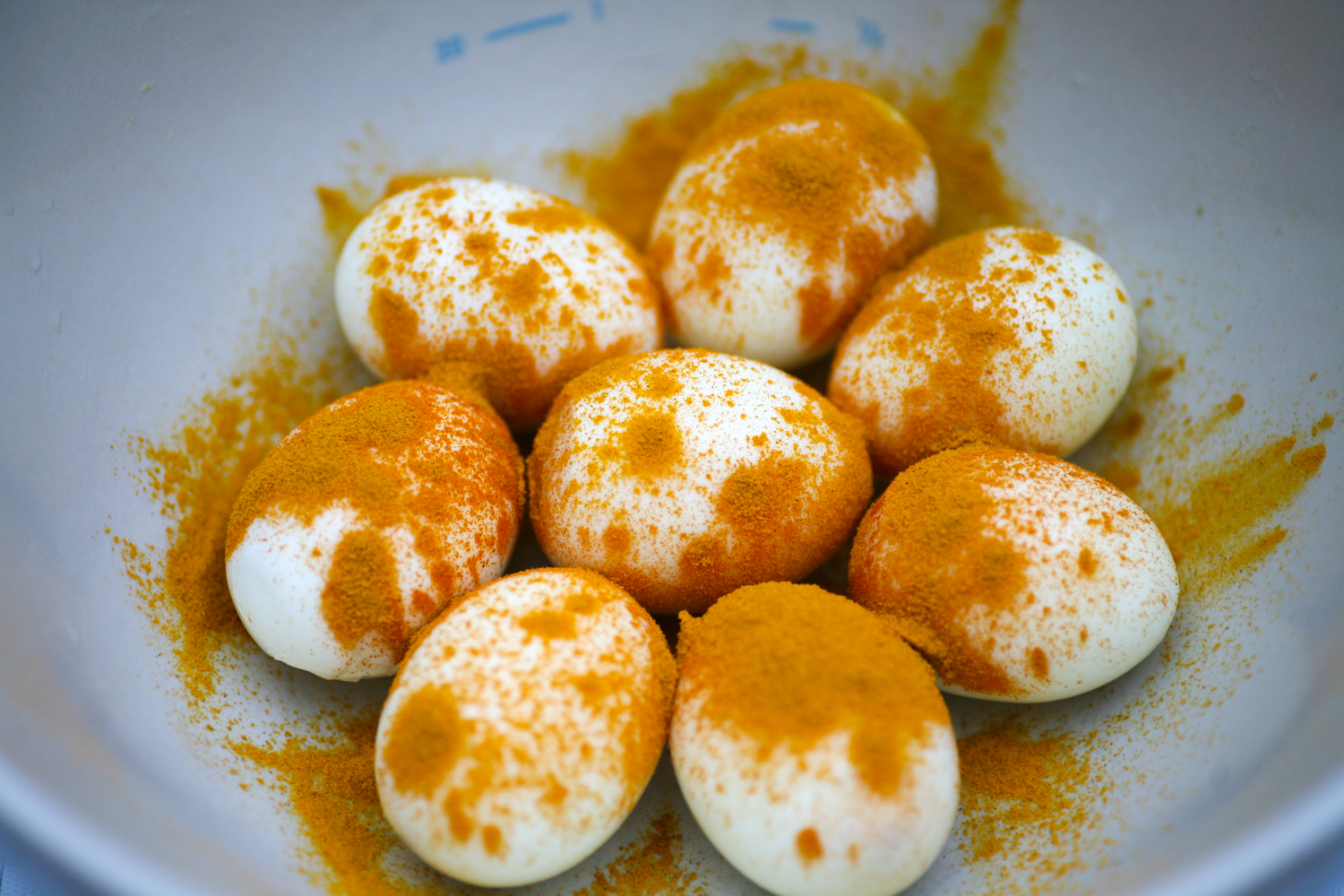
After boiling the eggs, remove the shell and place a cross with a sharp knife at the top of each egg and make a few other incisions on the skin and then cover them with turmeric and salt. Shake the bowl gently so that the eggs are properly covered in the turmeric.

IMG_7370

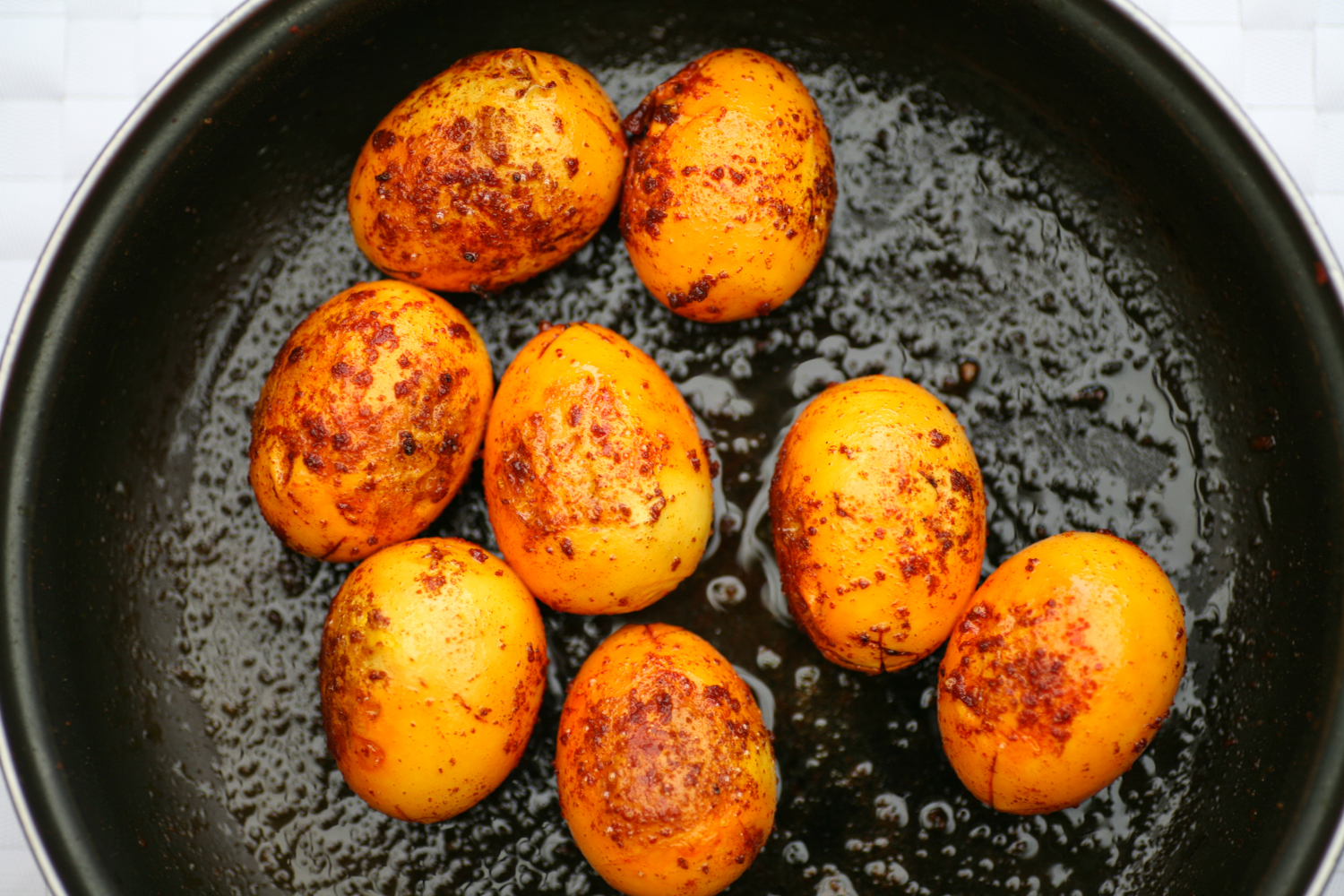
Fry the eggs in a pan so that the outer skins darken and harden. Then place to one side.

IMG_7427

Bengali Egg Curry

Serves 4

6 eggs, hard boiled

1 tsp turmeric

1 tsp salt

4 tbsp vegetable/mustard oil

2 onion, blended into a paste

4 garlic cloves, blended into a paste

2 inches of fresh ginger, blended into a paste

2 bay leaves

1 tsp cumin powder

2 tsp coriander powder

1/2 tsp sugar

1 tsp kashmiri red chilli powder

1 plum tomato from tin and a little juice (or 1 fresh tomato)

1 tsp garam masala

1.  Boil the eggs in water for 5 minutes and then strain under cold water and peel off the shells.

2. Place a small cross incision at the top of each egg as well as a few prick marks over their sides so that they do not explode during cooking. Place in a bowl and cover with turmeric and salt.

3. In a pan heat up some oil and when hot carefully lower the eggs into the pan and let them sizzle away for a few minutes so that the sides are bronzed and the skins harden. Remove from the pan and place to one side.

4. With an electric blender, blend the onion, garlic and ginger to form a paste. Add a little water so that the paste runs smooth. In the same pan that you cooked the eggs in, add a little more oil before adding the onion/garlic/ginger paste and simmer gently, moving the paste around in the pan with a spoon. When it dries up add a little boiling water and continue to heat through.

5. Add the chilli, coriander and cumin powder as well as the bay leaves and fold into the paste. Now add the chopped plum tomato and a little  tomato juice (about 2 tbsp) and leave to simmer.  Add a little more boiling water and let it simmer gently.

6. Return the eggs to the pan and fold into the paste along with the garam masala. Simmer for a few more minutes and add a little more salt if necessary.

Serve with some plain basmati rice or naan bread.

IMG_7395


Panch Phoron – Bengali Five Spice and Red Split Lentil Dal

IMG_7307

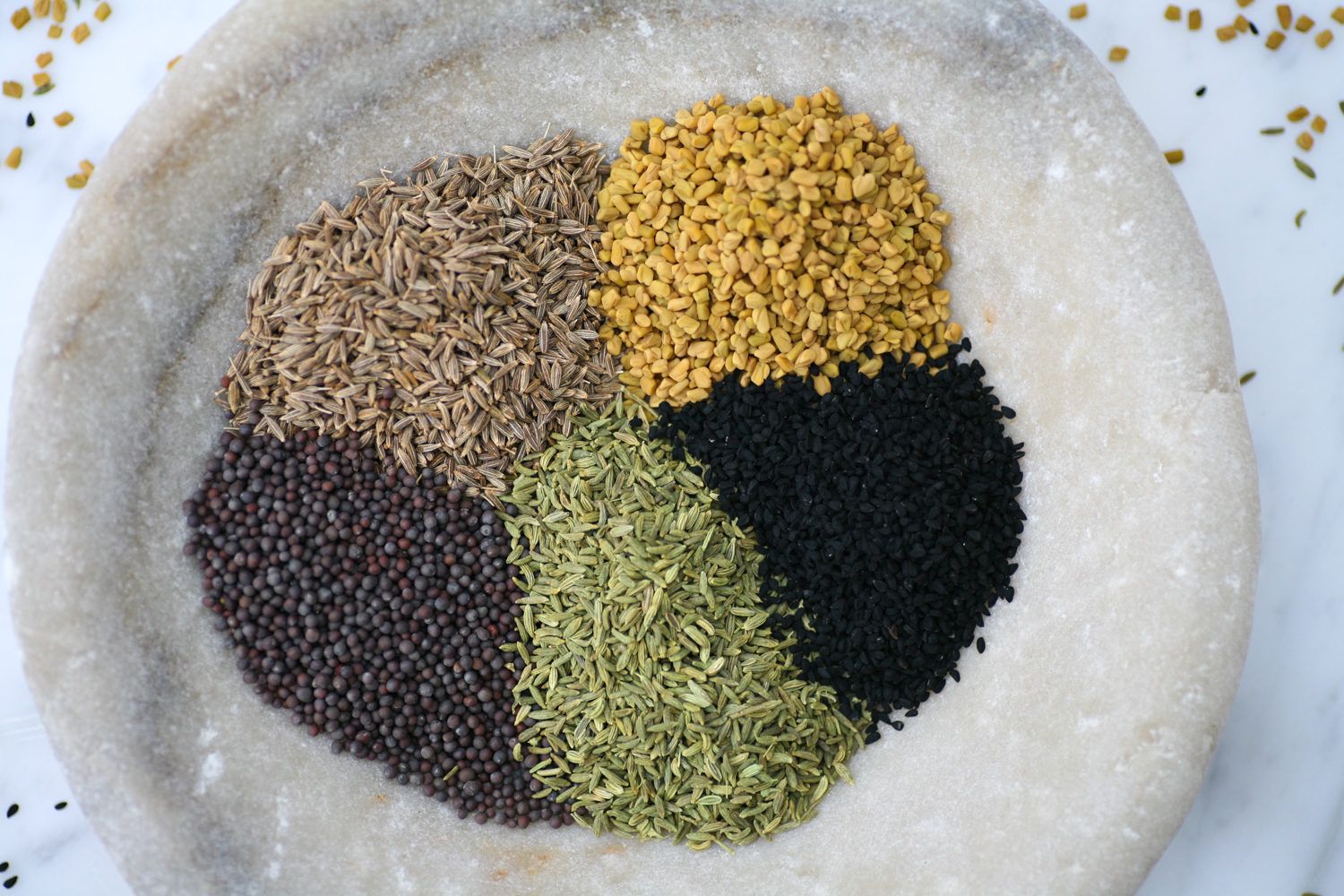
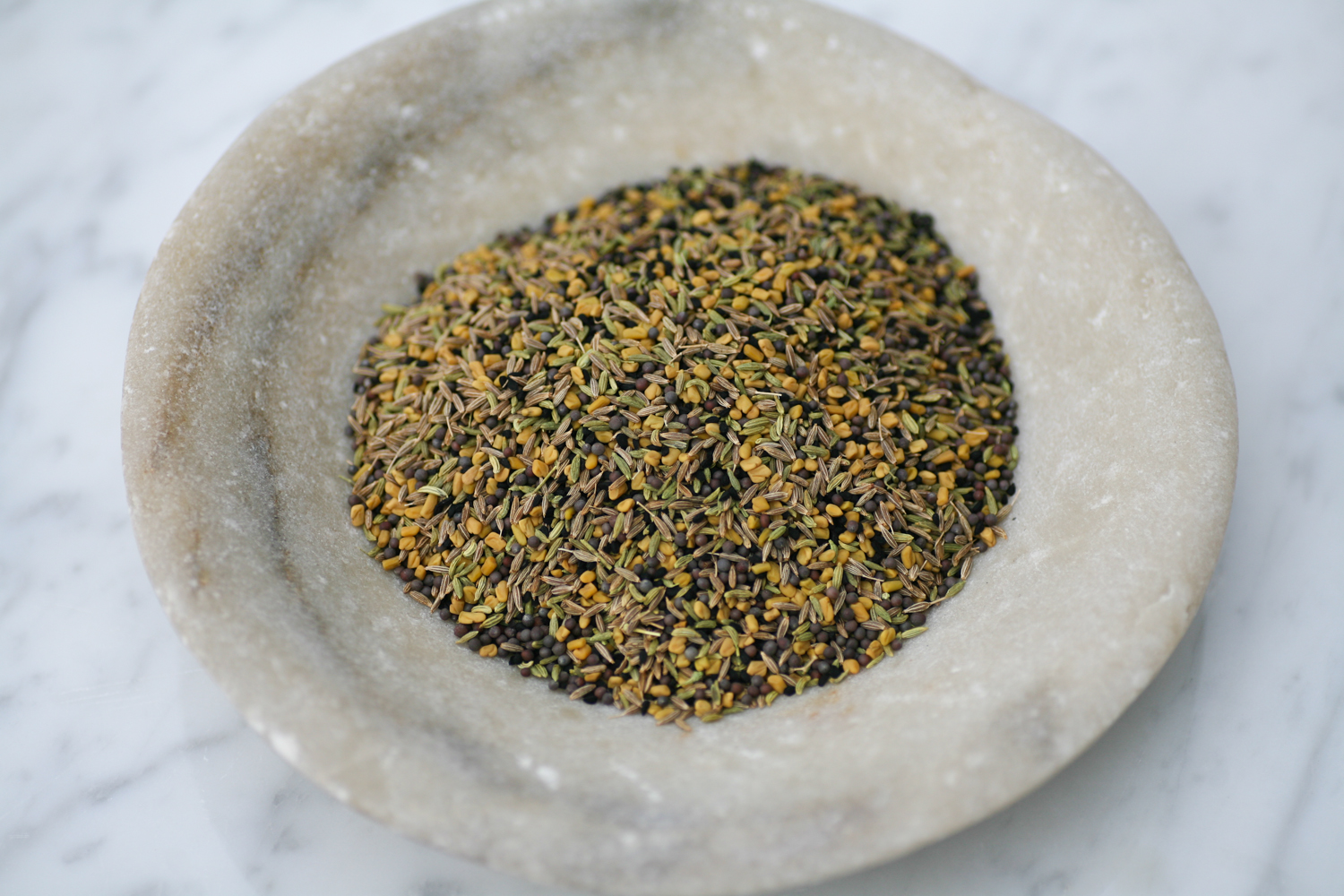
From top right going clockwise: fenugreek, nigella, fennel, black mustard, cumin seeds

We’ve all heard, and no doubt use, Chinese Five Spice, but the Indian equivalent, Panch Phoron, for some reason is not given as much PR and voice in the West and yet across Bengal, it is a spice mix that is commonly used in every home and very much cherished.

When I launched my blog way back in 2011 one of the first recipes that I posted was my absolute comfort food – red split lentil dal. I cook it often as it is ridiculously easy and provides me with a quick-fix nourishing meal. You can choose whatever vegetable, if any, you need to use up, giving the dal a different twist every time you prepare it. A key seasoning to the dal, which imparts the unmistakable flavour, is panch phoron and whilst I am able to source it from a local Indian supermarket, I know that for some people getting their hands on this magic ingredient could be harder.

IMG_7292

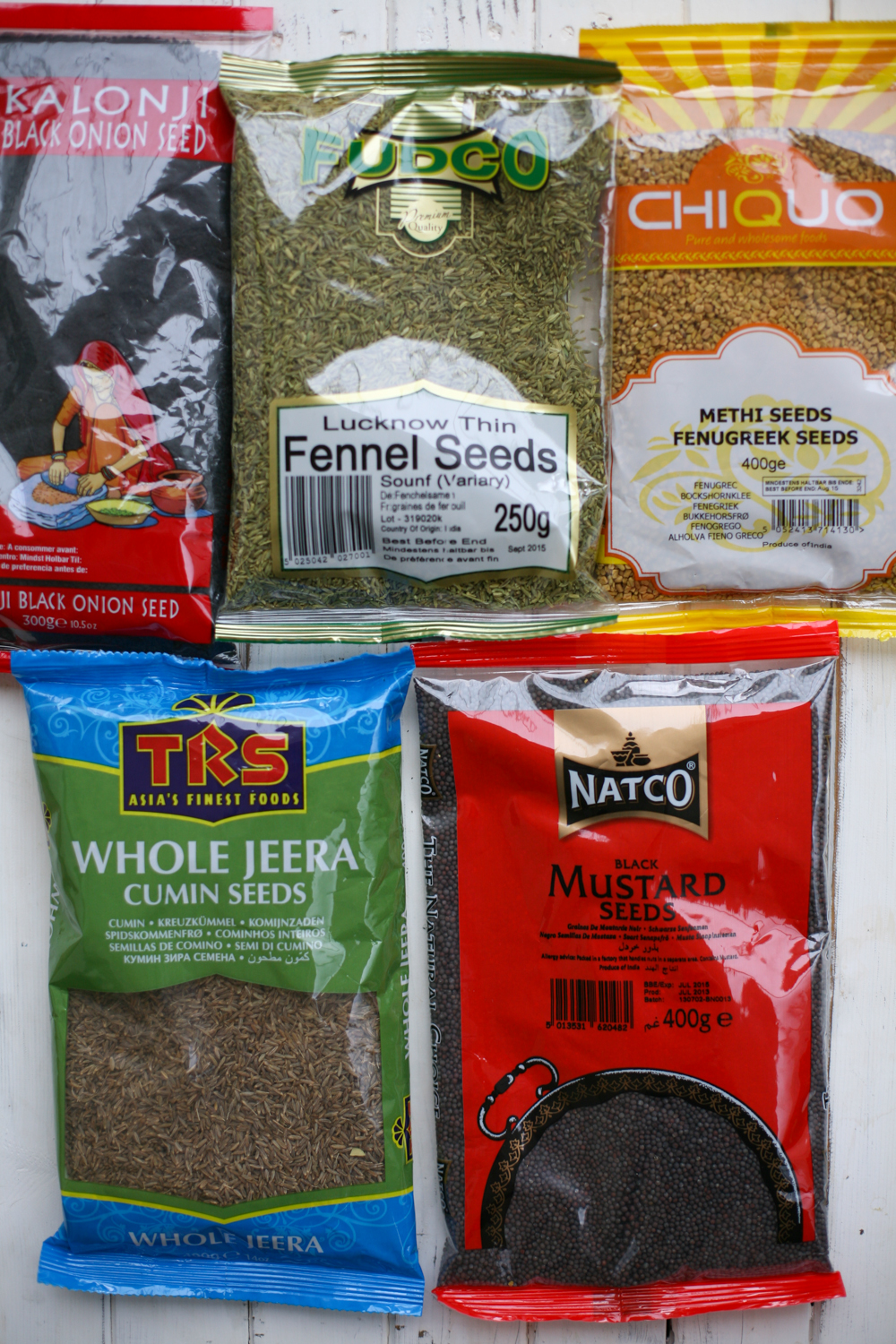
So I wanted to show you how to make your own panch poron. Panch in Bengali is five and phoron is spices and these five spices are: nigella seeds (other wise known as black onion seeds, Kalonji or kalo jeera), fennel seeds (mouri or saunf), fenugreek seeds (methi), black (brown or yellow) mustard seeds (rai) and cumin seeds (jeera). The aromatic spices working together provide a  considerable depth of flavour to any dish and especially to dal.

IMG_7312

Unlike most spice mixes these are not ground to a powder but are cooked whole, either dry roasted in pan or placed in a little oil until they begin to pop and release their flavours – this is known as tempering. There are significant health benefits from eating the spices. In short: cumin aids digestion, fennel contains vitamin a, e and c as well as anti-oxidants, fenugreek aids metabolism, mustard seeds contains omega 3 fatty acids as well as being a good source of selenium and magnesium, nigella seeds balance the hormonal system and have healing qualities.

They store for months in an air tight container so if you make up a batch that should last you for some time as you only need a teaspoon or two every time you use it in a dish.

IMG_7321

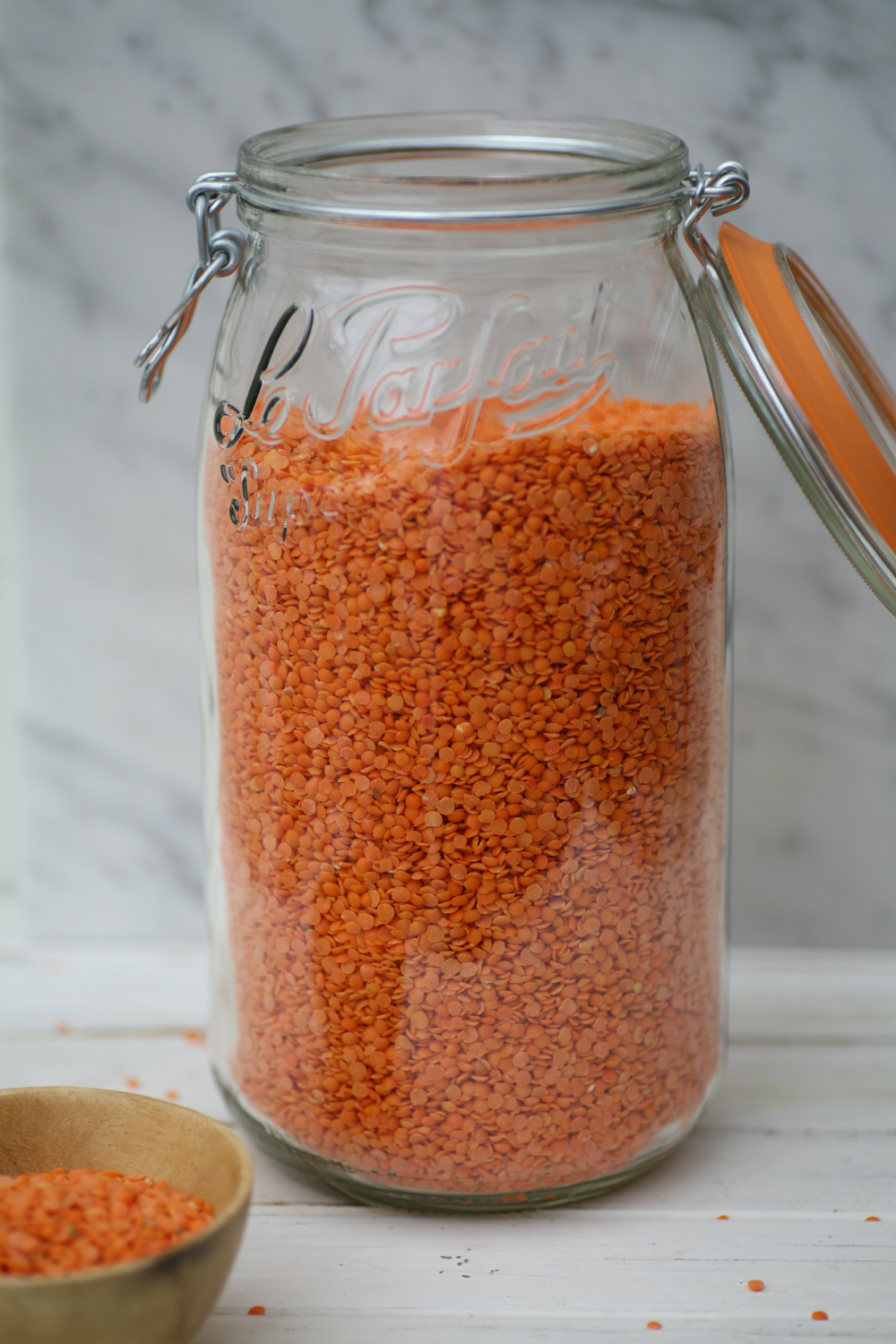
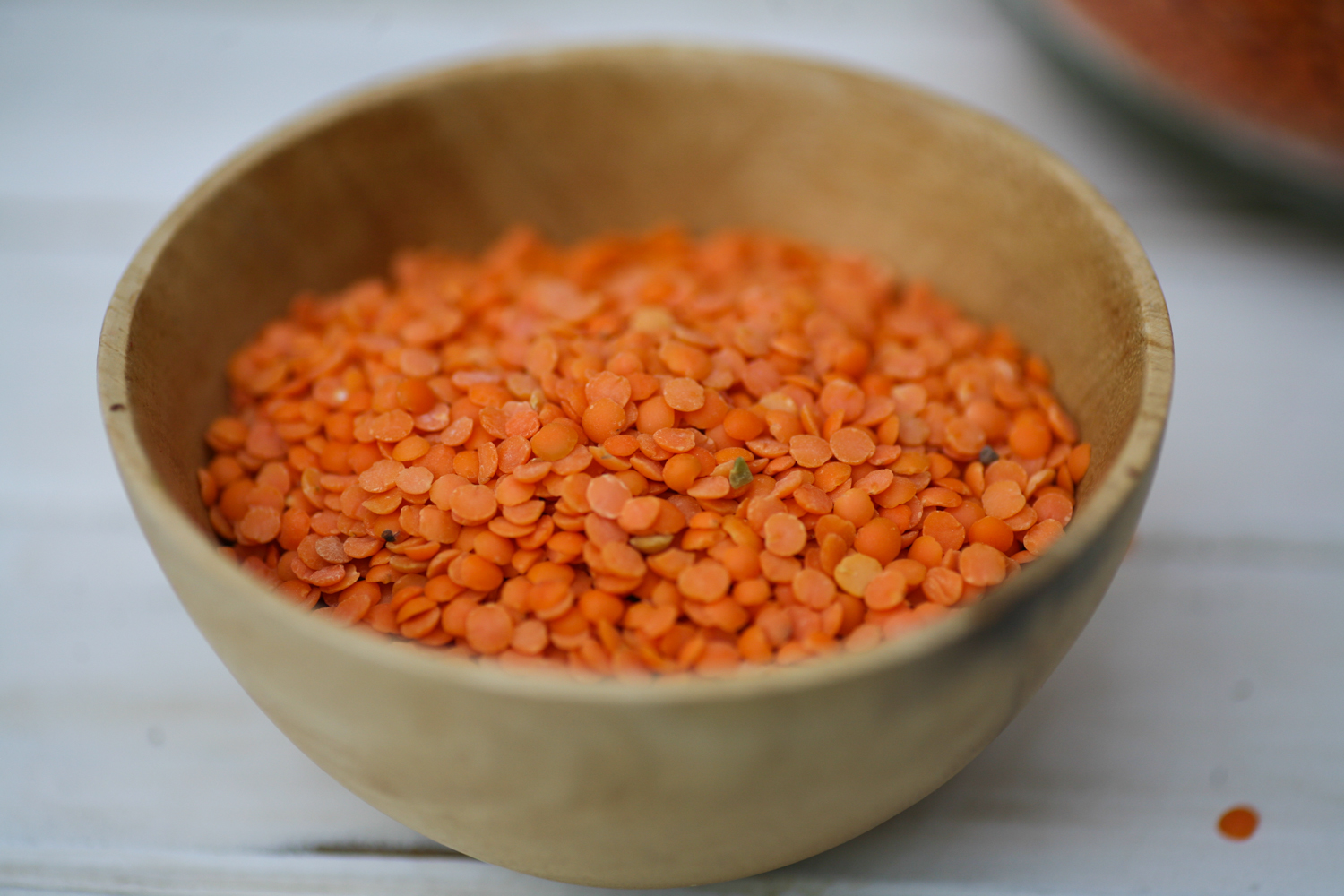
There are a couple of lentils that do not require soaking over night and take a very short time to cook. Masoor dal or red split lentils, as they are more commonly known, are a staple in my store cupboard. From cleaning thoroughly to cooking, the dal takes no longer than 20 minutes to prepare – and that’s being generous – on average it’s a 15 minute meal to prepare and cook. Oooh Jamie Oliver would be so proud!

IMG_7322

Red split lentils are also very reasonable to buy so all in all this dish is healthy, speedy and economically friendly. A win win surely!

IMG_7358

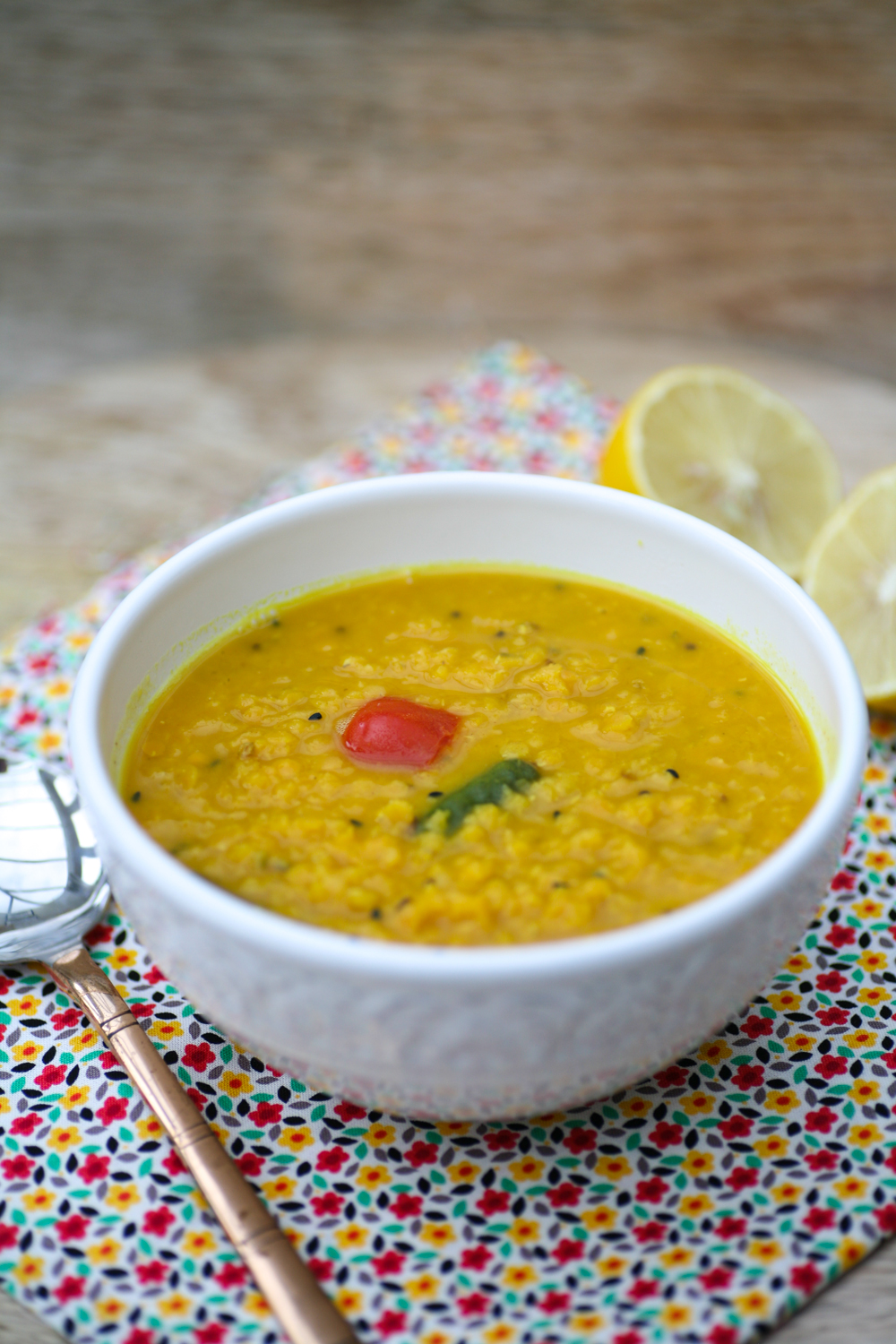
I eat this dish all year round and like to change the consistency from a more runny, soupy dish to a thicker dal that may be eaten the Indian way, with your hands, accompanied by some rice or naan.  When the months turn colder I tend to gravitate more and more towards dals and soups to warm me up so this really is the perfect autumn meal to give me that inner glow.

Panch Phoron – Bengali Five Spice

Makes enough to last you for months

3 tbsp cumin seeds

3 tbsp fennel seeds

3 tbsp fenugreek seeds

3 tbsp mustard seeds (I tend to use black, but brown/yellow is also fine)

3 tbsp nigella seeds (black onion seeds)

1. In a bowl mix all the seeds together thoroughly and place in an air tight container.

********************************

Red Split Lentil Dal

Serves 2

200g red split lentils (masoor dal)

500ml of water, add more if you would like it a thinner consistency

1 tbsp oil (mustard,vegetable or sun flower oil)

1.5 tsp panch phoron

2 fresh chilli (red or green), chopped in half

1 tsp turmeric

1 tsp salt

5 cherry tomatoes (or carrots, courgette, marrow, peas etc)

optional

fresh coriander, to serve

lemon wedge, to serve

1. Boil the kettle and meanwhile rinse the red split lentils under the tap so as to fully clean them. Then place the boiling water in the pan with the lentils. Boil for about 10 minutes on a low heat, the lentils will become less orange in colour during the boiling.  If you are going to add a carrot you need to add it to the lentils at this stage so that they are soft in time. Please note you may need to add more water if the water is completely soaked up by the lentils.

2. In a frying pan warm the oil and when it is hot add the panch phoron, fresh chilli and turmeric. Once the panch phoron begins to pop and release the flavours – this will be around 15 seconds, give it a quick stir and then add a ladleful of the watery dal into the frying pan and mix the ingredients together.

3. Now place the contents of the frying pan back into the main pot with the red split lentil and stir.

4. Add the quartered tomatoes (or peas, courgette, marrow, spinach) at this stage and simmer gently for a few minutes.  Add salt to taste.  If you want it more soupy, add more water and if you want it thicker, let it simmer for longer.