Vietnamese Pancakes known as Bánh Xèo

So I had a bunch of girlfriends over for supper in my garden recently and I was pondering what to cook. I had to avoid dairy, gluten, lamb, chicken, pork and beetroot. It’s hot and I wanted to make something light and flavourful and something everyone would enjoy eating.

I thought that preparing Vietnamese pancakes, known as bánh xèo, could be a good talking point and they make a delicious lunch or supper option.

I posted all about them here in 2015 after I had visited Vietnam and fallen in love with all the food. It’s worth checking out that post as it shows you how to eat the pancakes with some step-by-step videos.

The recipe is basically the same, although I have made a few tweaks – namely adding cornflour to help make the pancake more crispy, using coconut cream instead of coconut milk (but either is fine) and adding the green part of spring onions finely chopped in the batter. You can add whichever herbs you can get hold of, but ideally coriander, mint or Vietnamese mint, Thai sweet basil, holy basil. I picked them all up at Korean foods, but any Asian supermarket should have a good selection and even some of the mainstream supermarkets sometimes stock Thai basil, as well as coriander and mint. Thai sweet basil has a sweet, anise like flavour and holds its shape well in cooked dishes, whilst holy basil is a little peppery with clove notes and it wilts quickly.

The pancakes are traditionally filled with prawn, pork slithers and beansprouts, but avoiding meat I opted to just include prawns and beansprouts. A key component is the dipping sauce called nuoc cham, which is a light, vibrant Vietnamese dipping sauce that balances sweet, sour, salty, and spicy flavours. It is made with fish sauce, lime juice, sugar, water, garlic, and chilies, it cuts through the richness of crispy banh xeo while enhancing its savoury pork (if using) and prawn filling. Its signature flavour comes from the harmony of umami-rich fish sauce, fresh lime, balanced sweetness, and the aromatic heat of garlic and bird’s eye chilies. You can add a splash of rice vinegar too, although typically it is not necessary.

I know many people feel self conscious about cooking in front of other people, but this was such a fun experience and only one person had eaten them before. I used my pancake pan to prepare them one by one and then kept them in a warming oven whilst I did the next. They really only take a few minutes each and once they were done we could sit down and wrap them in the lettuce cups with all the delicious herbs before dipping in the nuoc cham.

A couple of points to consider when making these:

  1. make sure you buy rice flour and NOT glutinous rice flour.
  2. less is more when you ladle in the batter. Heat a little oil and then put a ladle full in the pan and  swirl it around quickly so that it covers the surface of the pan. Don’t touch it for a minute or so, allowing it to light bronze and crisp up.
  3. Make sure the batter is similar to a regular pancake batter. If you feel it needs to be thinner, simple add a little extra cold water.
  4. You can make the batter and nuoc cham in advance and leave covered in the fridge.

Have you tried eating these before? Do give the recipe and go and let me know how you get on.


Vietnamese Pancakes

Vietnamese Pancakes - Bánh Xèo

Delicious Vietnamese pancakes known as bánh xèo make a delicious lunch or supper for family and friends
Prep Time 30 minutes
Cook Time 15 minutes
Servings: 7

Ingredients
  

  • 250 g rice flour (not glutinous rice flour)
  • 60 g corn flour
  • 320 g coconut cream (or coconut milk)
  • 250 ml cold water
  • 1/2 tsp turmeric powder
  • 3 spring onions, green part only, finely chopped
  • 1/2 tsp salt
  • 5 tbsp fish sauce
  • 1 lime, juice only
  • 1-2 fresh red chillies, finely chopped
  • 2 garlic cloves, very finely chopped
  • 2-3 tbsp granulated or caster sugar
  • 700 g large prawns, sliced in two
  • 100 g beansprouts
  • 1 tsp coconut oil or a neutral oil in pan when preparing each pancakes
  • 1 bunch fresh coriander
  • 1 bunch mint or Vietnamese mint
  • 1 bunch Thai sweet basil
  • 1 bunch holy basil
  • 2-3 whole Romaine lettuce or similar

Equipment

  • 1 pancake pan or frying pan

Method
 

  1. Begin by making the batter. Sieve both flours and then add the coconut cream (or coconut milk), water, turmeric powder, salt and spring onions. Make sure it is the consistency of pancake batter. Cover with cling film and leave in the fridge, whilst you prepare the next steps
  2. To make the nuoc cham dipping sauce place the fish sauce, lime, fresh chilli, garlic and sugar to a bowl and mix well. Taste test to suit your taste. If you like, you can add a splash of rice vinegar, but it is not necessary.
  3. If the prawns are frozen, defrost them. I typically run them under cold water in a large bowl. Leave them for a few minutes and strain and repeat the process until they have thawed.
  4. If you are using king/large prawns slice them horizontally so you have two thinner prawns from the one larger prawn. Place in a bowl, cover with cling film and then place in the fridge until ready to cook.
  5. Prepare all the herbs and lettuce and place on a plate.
  6. In a frying pan, add a little neutral oil and add the prawns and allow them to become pink and cooked. This will take a couple of minutes max. Pour onto a plate and then do the next batch until they are all cooked. Place to one side as you prepare the pancake.
  7. Heat a pancake pan and add a little coconut oil or neutral oil. When it is hot add a ladle of the batter and swirl around so that it is evenly coated. Do not add too much batter as you want it crispy instead of too thick.
  8. Allow the batter to begin to crisp for a few minutes.
  9. Add a small amount of beansprouts on one side of the pancake and then add some of the cooked prawns.
  10. Using a spatula see if the underside of the pancake is very lightly bronzing. Once it is, gently bring one side of the pancake up and over the side with the beansprouts and prawns so that they are covered. Leave for a further minute or two and then gently slide the pancake onto a plate. Repeat the process until you have made as many pancakes as you require.
  11. I leave the cooked pancakes in a warming oven or a very low oven to keep them warm as you prepare the rest of the pancakes.
  12. To serve, cut off a little of the pancake and place it on a lettuce leaf along with some herbs and then wrap, dip in the nuoc cham and eat. Delicious and great fun to eat too for all the family

Notes

I often make a Vietnamese pomelo salad to eat after this course. 


Vietnamese Chicken and Cabbage Salad


If you are after a salad that is healthy, zingy, super tasty, fresh AND will feed a crowd, then my Vietnamese chicken and cabbage salad with a nuoc cham dressing works a treat.

Much of the salad can be prepped in advance and it is far easier to prepare than you would think if you have a magi-mix as it can do all the slicing (other than the chicken) easily and efficiently.

The three herbs that I like to use to give it a delicious freshness is mint, coriander and Thai basil (you can easily pick this up in large supermarkets these days). The addition of peanuts and fried shallots (you can have these ready made too to save time) really adds to the textures and flavours.


Vietnamese Chicken Salad 

Serves 8-10

1/2 white cabbage, finely chopped

1/2 red cabbage, finely chopped

7 carrots, peeled and finely grated (you can do this in the magi-mix too on the grater setting)

6 chicken breasts, skin removed

3 large handfuls of coriander, finely chopped

2 handfuls of fresh mint, finely chopped

2 handfuls of fresh Thai basil, finely chopped

2 handfuls of unsalted peanuts

2 handfuls of crispy fried shallots (to save time buy these already made)


Nuoc Cham Dressing

3 tbsp  fish sauce

2 tbsp rice wine vinegar

1-2 limes, freshly squeezed

1 heaped tbsp caster sugar

1/2 red chilli, finely chopped (keep seeds in if you want more heat)


  1. If you have a magi-mix place your attachment, which has the thinnest slicer, and slice the red cabbage and white cabbage. If you do not, then you need to do this by hand.
  2. Next change the attachment to the grater and grate the carrots. If you do not have this you can do this with a regular grater.
  3. Place the chicken breasts whole into a deep pan and cover with water and bring to the boil and then simmer for 20 minutes. Remove the chicken breasts and allow to cool and then use two forks to shred finely. Place to one side in bowl.
  4. Next finely chop the coriander, mint and Thai basil.
  5. Heat a frying pan and when it is hot add the peanuts and allow to bronze slightly – this will take around 3 -4 minutes. Keep moving around the pan so that they don’t burn. Once lightly bronzed remove and place to one side.
  6. If you are preparing the shallots from scratch – instead of bought fried shallots – simply finely slice them and then shallow fry them in sunflower or vegetable oil until bronzed. Remove from the pan and place on kitchen paper.
  7. Next you want to make the ‘nuoc cham dressing’. The trick is to add all the ingredients to a pan and warm up so that the sugar has completely dissolved. It is important to taste test so that you have a good balance of salty, sweet, zingy and sweet. If it is too salty from the fish sauce add a little more caster sugar. If you find it too chilli hot, strain the dressing and therefore remove the chillies.
  8. You can prepare all of this a day in advance and keep in the fridge (minus the shallots, which can be kept in a sealed jar). IT IS IMPORTANT NOT TO ADD THE DRESSING UNTIL JUST BEFORE SERVING.
  9. When you are ready to serve add a little of the dressing to the chicken and mix in to soften and flavour the chicken.
  10. Next use a mixing bowl and add a little of every ingredient and a little of the dressing and mix well before repeating the process. Make sure you keep back some of the shallots to scatter on the top along with a little of all the herbs.
  11. Serve on a large platter so guests/family can help themselves. It also looks rather lovely presented in this way.
  12. Best eaten at room temperature.

Any leftovers will keep in the fridge easily for a few days. If you want to feed more then use the whole cabbage, add a few extra chicken breasts, add an extra handful of herbs and double up on the dressing.


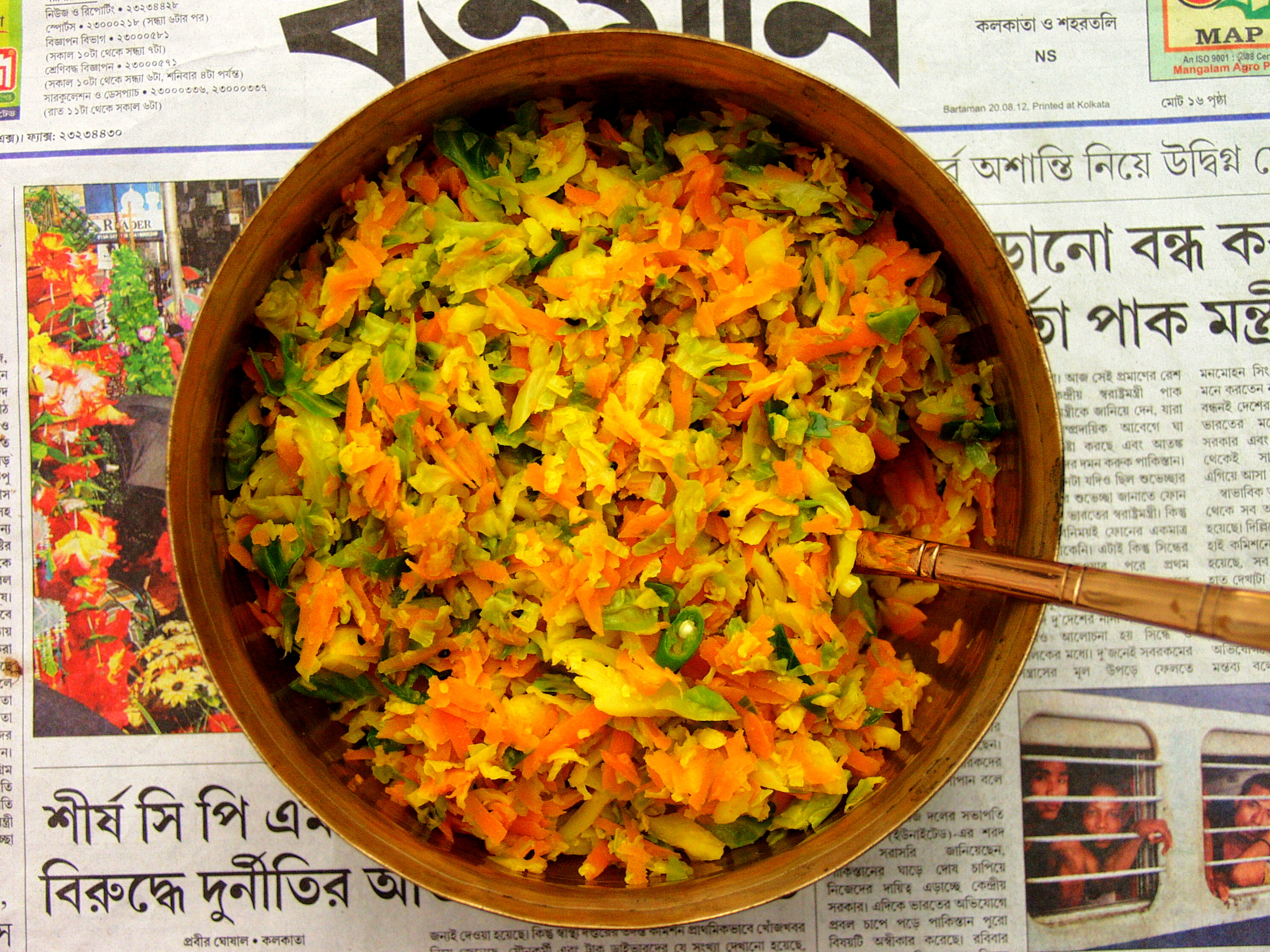
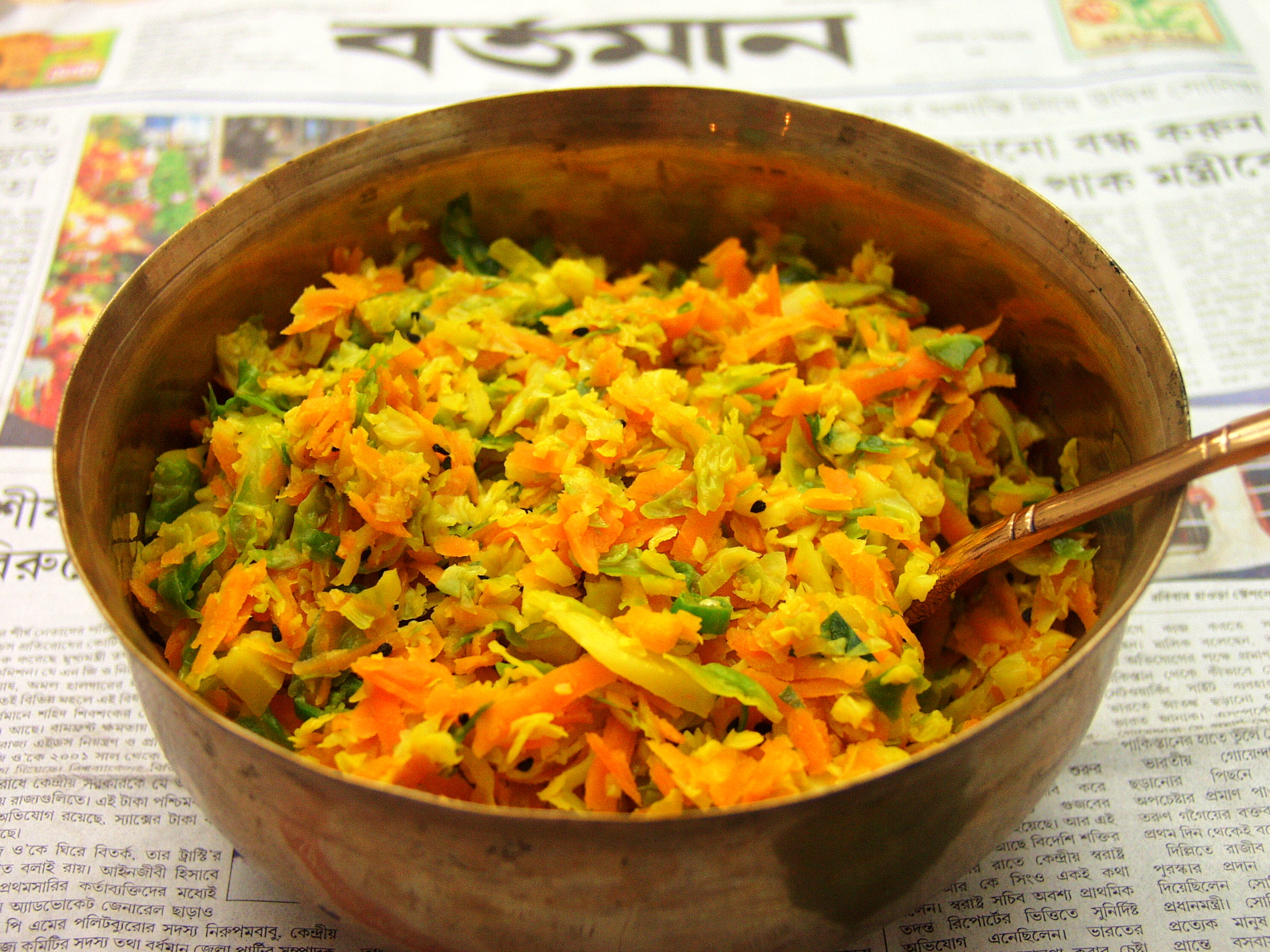
Indian Sprout and Carrot Curry – perfect for this time of year

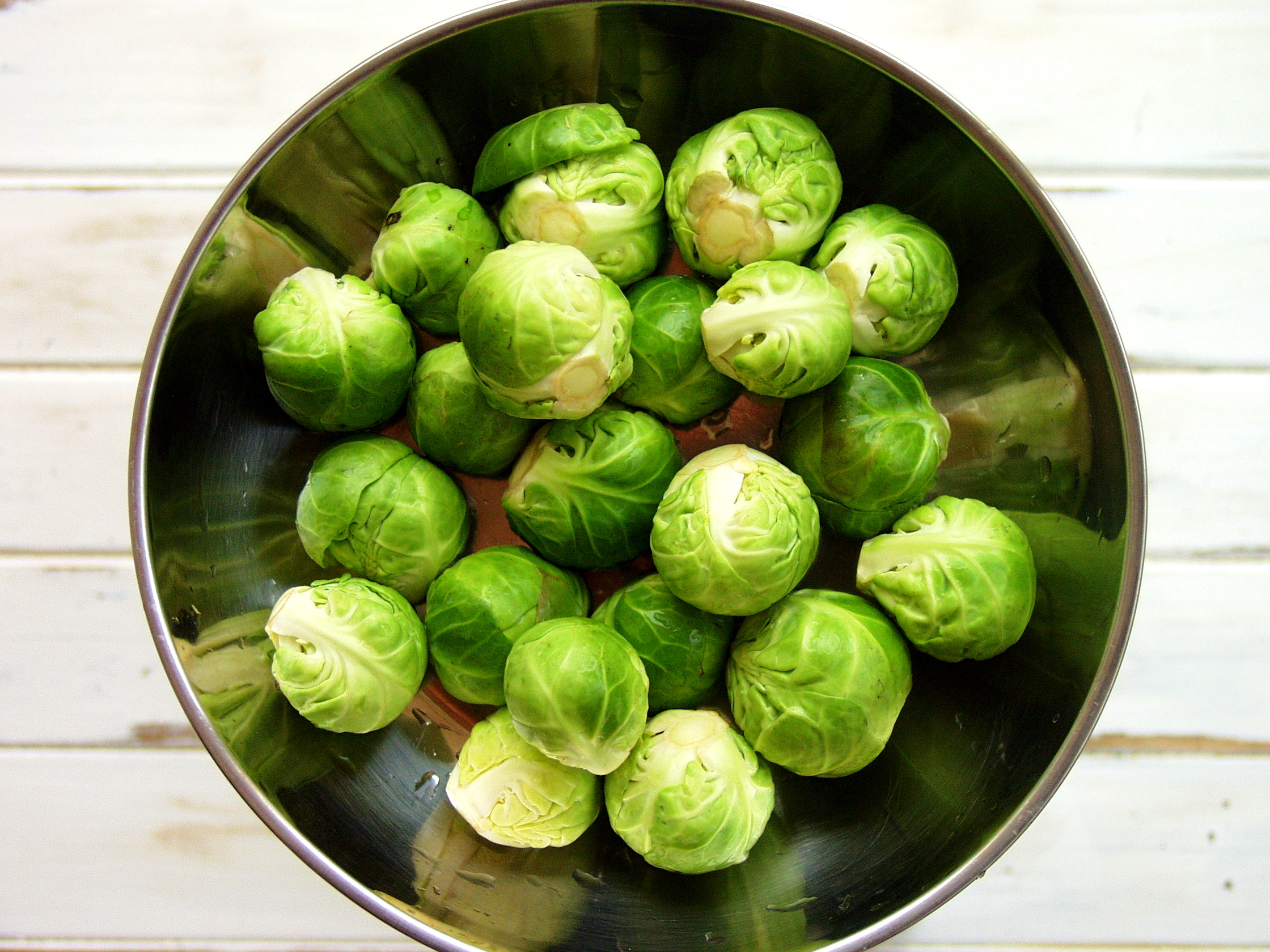
This recipe I posted way back in 2012 (yes my blog has been running for that long!), but unless you scroll my recipe library you are unlikely to know it is even there. Quite frankly, it’s fab and will win over even the non-sprout lover amongst us. Seriously. Basically, by adding a touch of spice, it elevates the humble sprout. We are beginning to see them in the shops so I urge you to give this recipe a whirl when you are next mulling over what to cook. Give it to your family, flat mates, friends and don’t tell them what it is and I can bet you they will love it and ask for more. Mention the word ‘sprout’ however and then they may not even give the dish a chance.

My mother-in-law originally taught me this many years ago and now it’s a firm favourite in my Indian culinary repertoire.  If you cook it alongside a dal it makes a perfect vegan meal. I suggest my go to ‘Bengali Red Split Lentil Dal’ would be the perfect accompaniment. Both dishes can be prepared and cooked within 30 mins and  are very affordable, healthy and tasty. It’s a win win win.

Indian Sprout and Carrot Curry

Serves 4

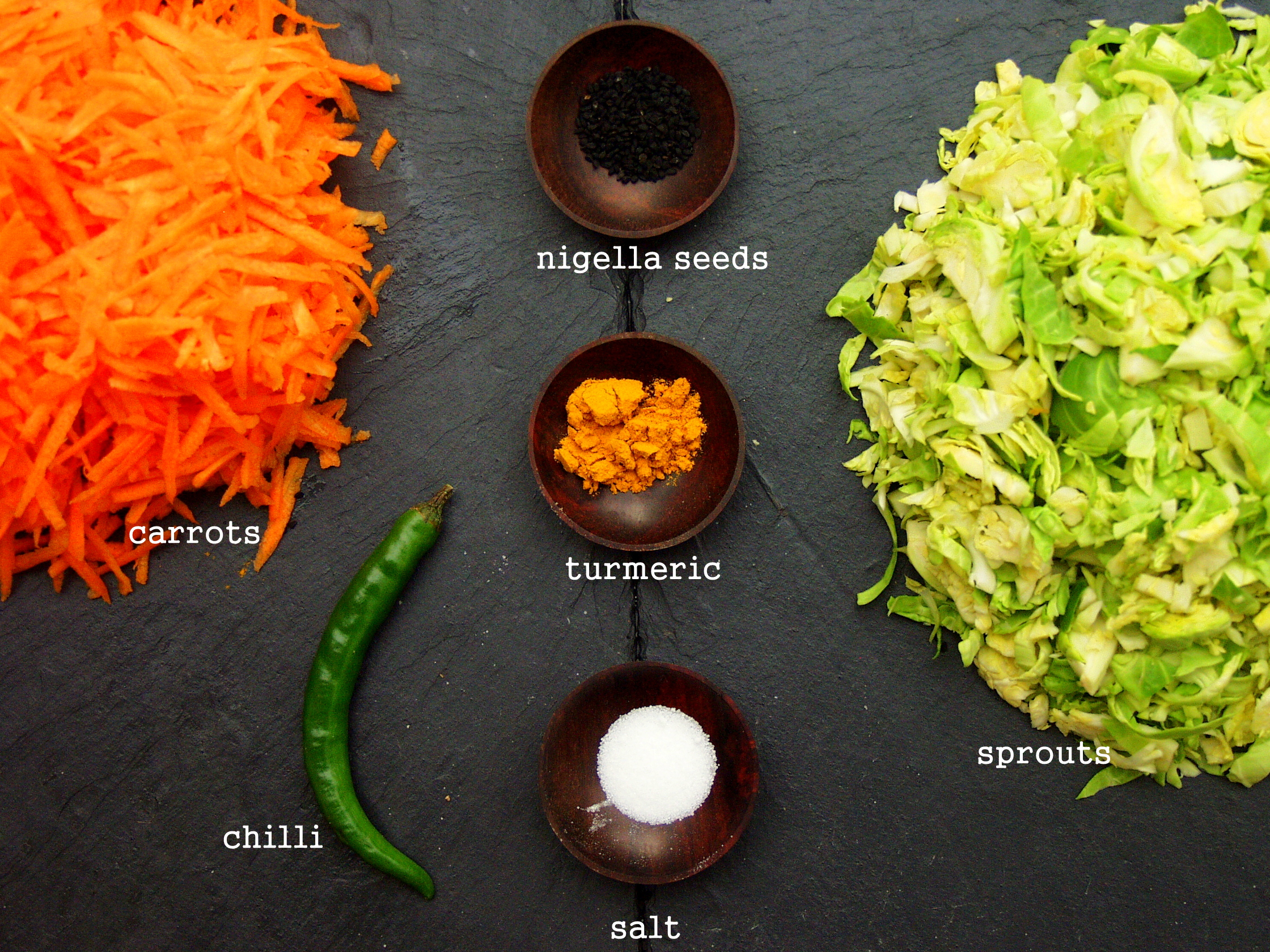
325g sprouts, finely sliced

300g carrots, grated

1 green chilli, finely sliced (optional)

2 tbsp vegetable oil

1 level tsp turmeric

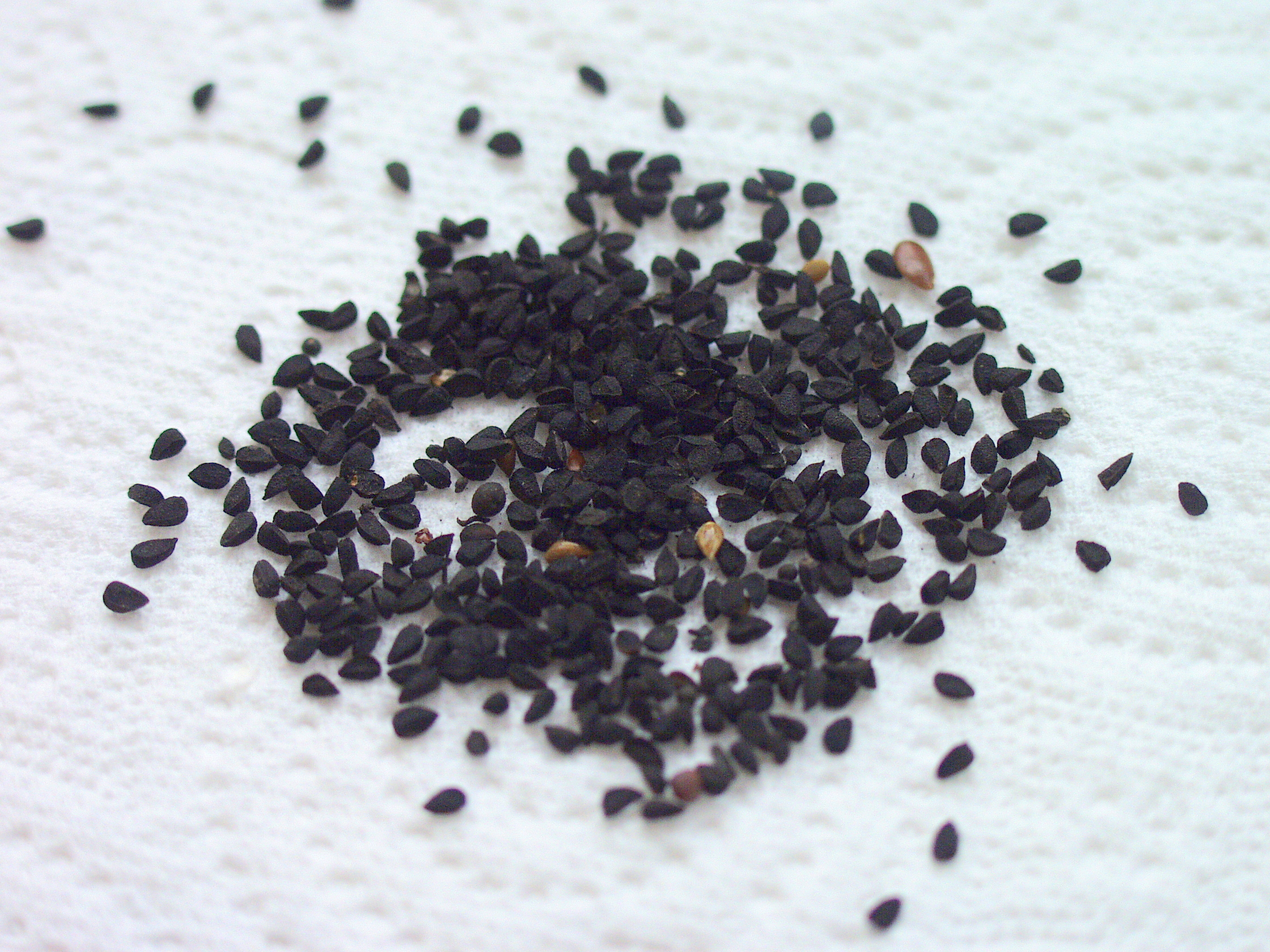
1 tsp nigella seeds (kalo jeera)

1 tsp salt

100ml water

1. Finely slice the sprouts, grate the carrots and, if using, finely chop the chilli. I tend to leave the seeds in, but to make it less spicy just remove the seeds.

2. Heat a pan with oil and add the nigella seeds. After 10 seconds add the chilli and turmeric and stir in together for a further 10 seconds.

3. Add the sprouts and carrots and stir well with the other ingredients. Continue to stir continuously on a medium heat so that the carrots and sprouts soften and do not burn. Use a wooden spoon to press down on the ingredients as you gently stir.

4. After a few minutes of stirring add 50ml of water and stir into the curry. You may find that you do not need to use the remaining 50ml of water if the sprouts and carrots are sufficiently softened. Add the salt to taste. Continue stirring for a further 5-7 minutes and the dish will be done.

Nigella seeds (above)


Lunching and Brunching in Berlin


Berlin has a wealth of wonderful brunch and lunch spots so my list is not exhaustive, but instead some of the places I (or my sources) visited and recommend. I travelled with my husband and two daughters (13 and 10) recently and we all enjoyed the offerings at each establishment. Have a read and if you visit any I would love to hear what you think or perhaps you have some that you would add to the list.

Cafe Krone: Oderberger Str 38

Mon-Fri: 9-4pm Sat-Sun: 9.30-6.30pm(Sun) and 7pm (Sat)

There is always a crowd waiting to eat at this buzzy hip eatery in Prenzlauer Berg, although the wait is never very long. It’s near to the Mauerpark flee market, as well as the smaller and more refined flee market, ‘Flohmarkt Arkonaplatz’, both of which operate on Sundays. Cafe Krone offers a range of delicious hot drinks and brunch options including: ‘shakshuka’, ‘eggs benedict’, ‘eggs cooked anyway’, ‘pancakes’, ‘croissants’ – basically something to appeal to every palate. A great place to relax and enjoy the Berlin buzz and plan your adventures for the day ahead.

Jabe  Alte Schönhauser Str. 7-8, Mitte

Mon-Fri: 11.30-4pm, Sat: 12-11.30pm, Sun: 1-9.30pm

If you fancy a Japanese fix then head to Jabe for some seriously tasty Japanese fare. There are a number of starters – or what they call ‘titbits’ to share, such as ‘tebasaki’, ‘grilled tako’, ‘tomorokoshi’, ‘and ‘gyoza’ and then mains including a wide range of ‘udon bowls’, for example: ‘teriyaki don bowl’, ‘salmon truffle bowl’ and ‘kitzune bowl’, as well as a four different types of ‘salmon sashimi’. The place has good zen – as you would expect from a Japanese eatery and is a good pitstop for lunch (or dinner).


Mischke Fleischerei Schönhauser Allee 144

Mon-Fri 8-6.30pm, closed wkends

This butchers shop is a great place to have lunch if you want something quick and typically German. There is a wide range  meats with sides and sauces at reasonable prices. You can order anything from soups to schnitzel, although we opted for the traditional German sausage, which they heat up for you. You can sit outside or perch at high stools at little tables. It’s authentic and tasty so definitely worth a look in when you are in Berlin.

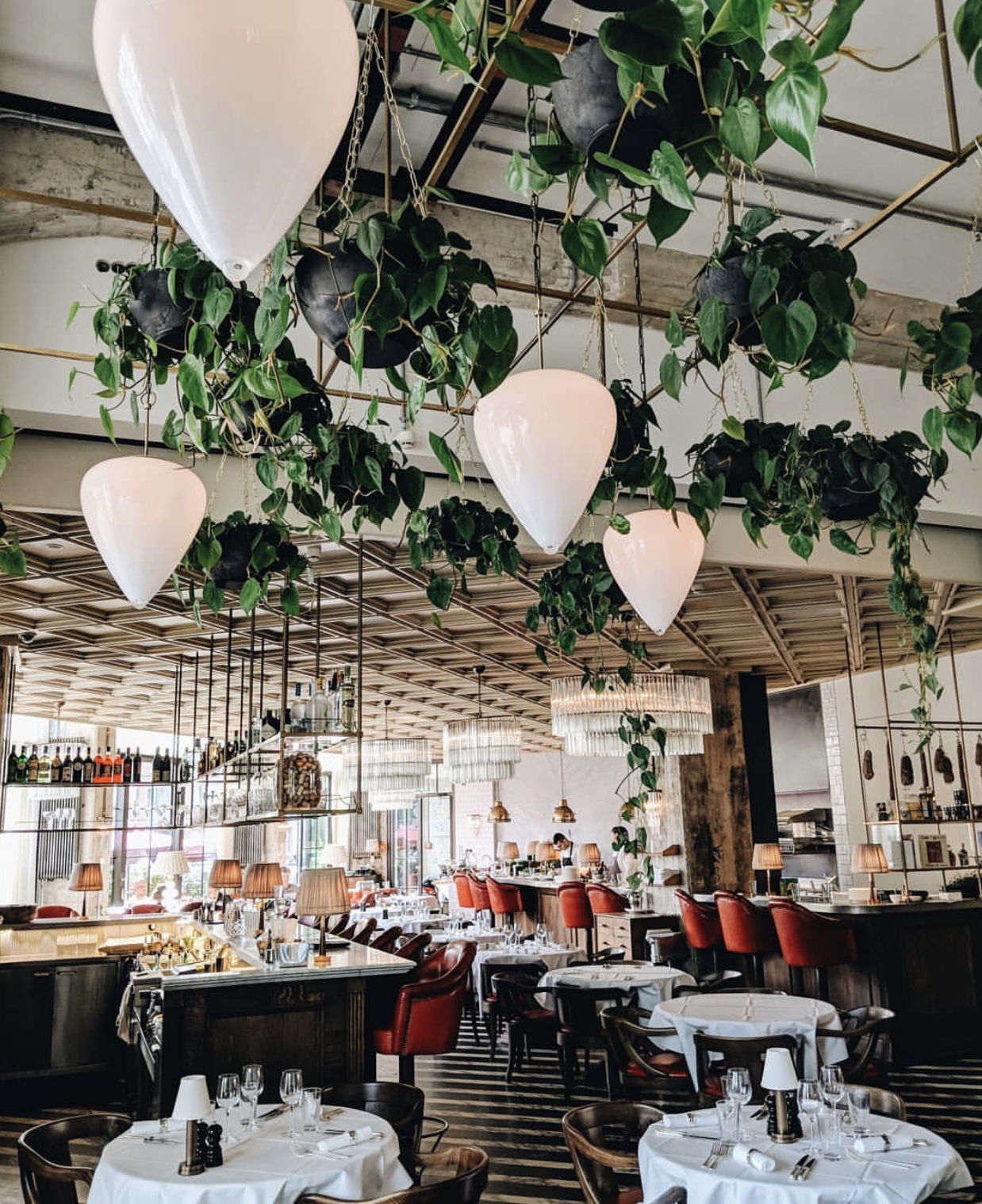
photo credit @cecconisberlin

Cecconi  Torstrasse 1, 10119

Monday – Friday: 11.30am – midnight
Saturday: 11am – midnight
Sunday: 11am – 11pm

Nestled on the ground floor of private members club, Soho House Berlin, Cecconi’s offers the public weekend brunch options, as well as all week lunch and dinner. It’s focus is Italian food – with tasty homemade pasta and seafood dishes to tempt diners. It’s sophisticated cool vibes create the perfect setting to pass a couple of hours eating and drinking and generally just soaking up the Berlin atmosphere.

Monsieur Vuong Alte Schönhauser Str. 46

Mon-Thurs: 12am-11pm

Fri-Sun: 12am-12pm

Did you know that the Vietnamese community make up 1.16% of all Berliners? As such there are a host of delicious Vietnamese restaurants spread across the city, which is good news for Berliners and tourists alike. I adore Vietnamese food so it was only natural that I would find myself gravitating to this cuisine on more than one occasion on my recent visit to Berlin.

Monsieur Vuong lies in the heart of the Mitte district (not far from Jabe in fact). The restaurant stands out with its red and yellow awning and its red leather benches outside. Inside the walls are painted orange and pink and there is always a buzz that attracts a hip crowd. The menu is short – as all good menus should be – with changing specials every two days. The food was fresh, light and zingy with delicious cocktails on offer too.  Definitely worth a visit when you are in Berlin.


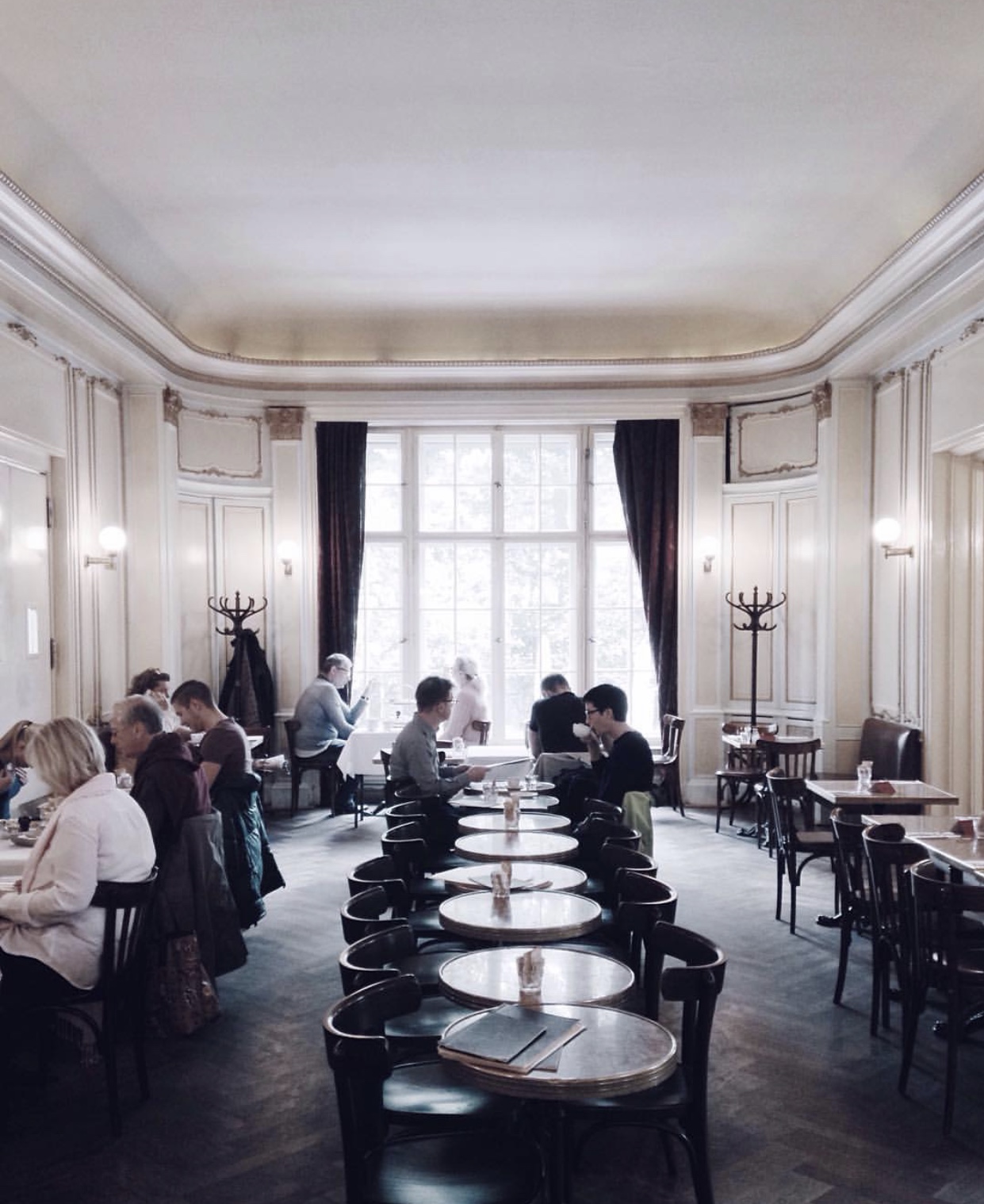
Photo credit @vaguesouvenir

Cafe Einstein Stammhaus  Kurfürstenstr. 58, 10785

Mon-Sun: 8am-midnight

If you are seeking old school Viennese glamour and charm, then make a bee line to Cafe Einstein Stammhaus in the Tiergarten neighbourhood – it’s the perfect place for bunch whilst reading a newspaper on wooden rolls. It is housed in an Italian neoclassical villa in one of Europe’s great old coffeehouses. It’s waiters are dressed in black and white suits, and marble-topped tables with leather banquettes make the Viennese-inspired cafe feel like a relic of pre-war Berlin. It’s great for breakfast, brunch, lunch or dinner and is the perfect place to get your apfel strudel fix.

Film aficionados will recognise the place as the tense cafe scene in Tarantino’s Inglourious Basterds.


W-Der Imbiss Kastanienallee 49, 10119

Sun – Thu: 12pm – 10pm
Fri – Sat: 12pm – 11pm

It was the amusing use of the logo (you’ll see what I mean when you look at the photo below) that initially caught our attention to this Vegetarian Indo-Mexi-Cali-Ital fusion restaurant. Quite a mix hey! We were drawn to the thali – which is the Indian version of Spanish tapas – lots of small dishes so you can try a wide range of things.  It was always busy when we passed by, so made a mental note to visit it before we left. It’s self service, albeit you give your order at the counter and in turn are given a number. When it’s called out they bring it to your table. It’s small and intimate inside with more tables outside for diners to spill out to. It’s fun, well priced and nice to have some Indian spice in another European city for a change.


Do you have any favourite brunch or lunch spots that you gravitate to when you are in Berlin? I would love to know so do share in the comments section below.