Lunching in East Dulwich at TART

If you are ever wondering on where in south east London might be good to meet a friend for bunch or lunch, I have just the place for you.

Recently I went to check out the newly opened bakery cafe in East Dulwich called TART, that focuses on, you guessed it, tarts – not the sweet variety mind you, although there are a few options, but the savoury. Tart (not to be confused with the food columnists) opened earlier this year in East Dulwich following the success of their Clapham Common cafe. It’s nestled on Lordship Lane at number 65.
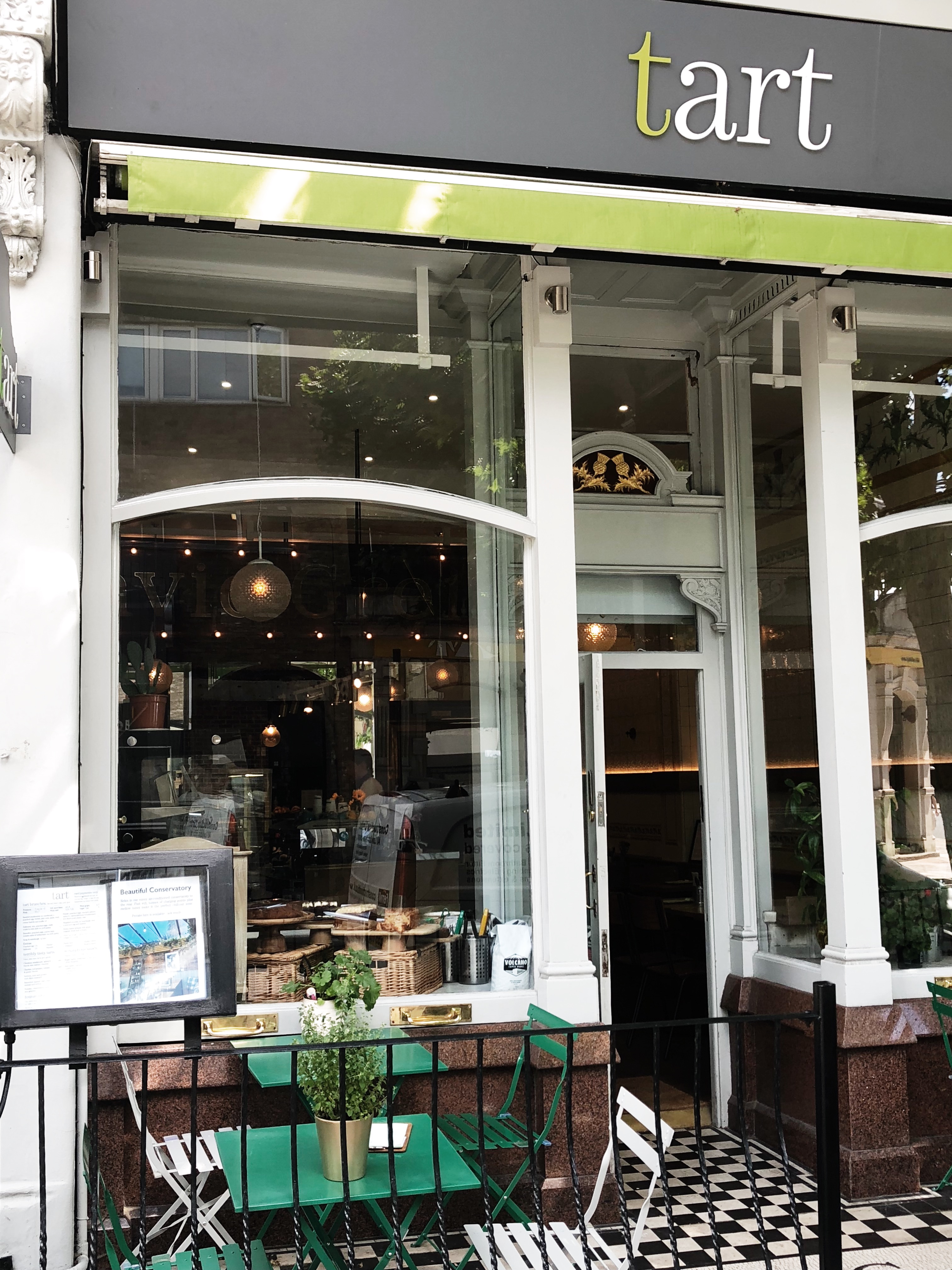
From the outside it looks like any other chic neighbourhood cafe, but step inside and you will find all the original tiling from David Greig the grocers. The building is in fact grade II listed for its authentic 19th-century interior and is full of character. It’s the perfect place for a coffee, breakfast or a tart or two for lunch.
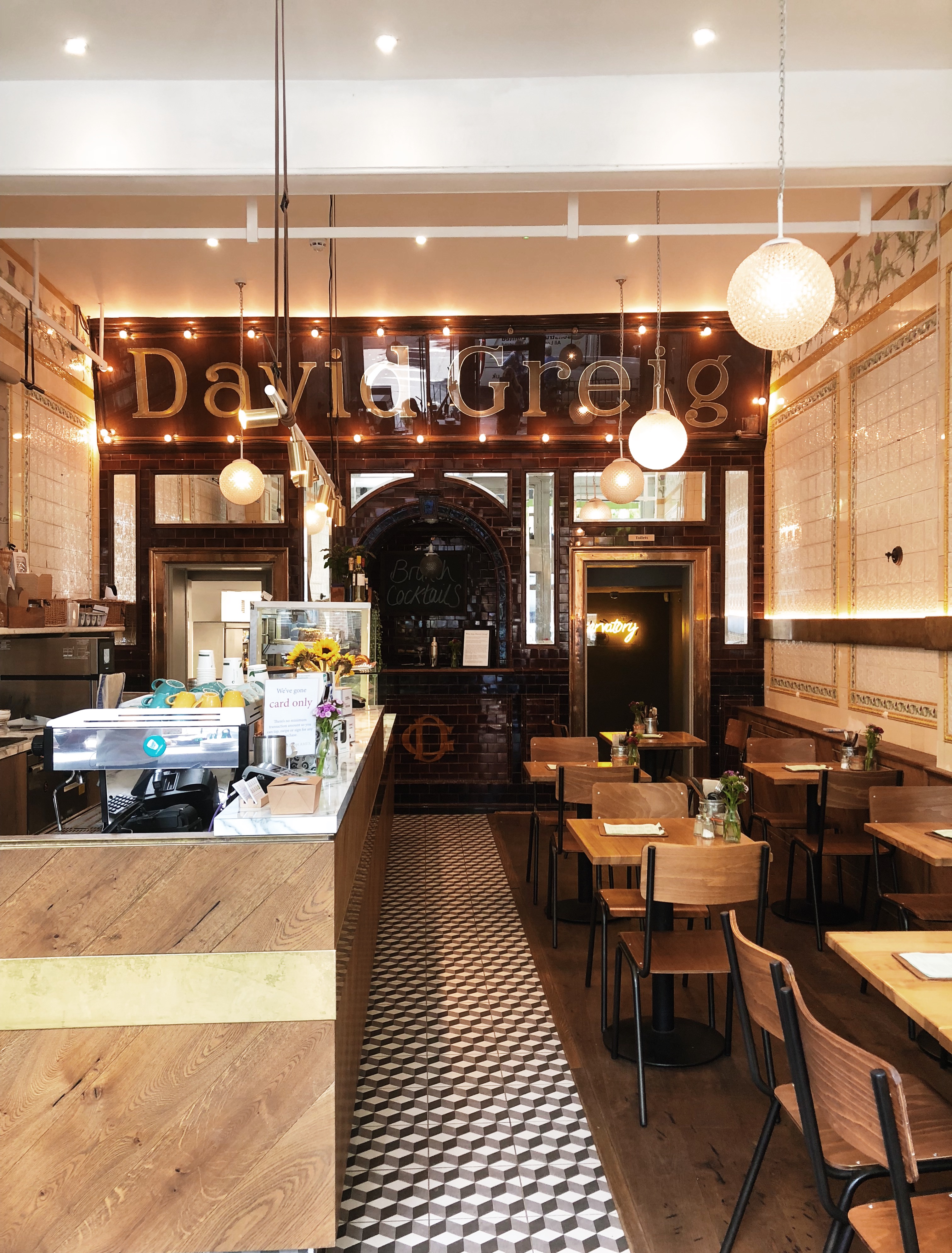
The doorway on the far right in the photo above leads out to a beautiful, light conservatory which we, along with every other diner, opted for as the sun was shining.  The menu, which is a one pager (menu’s should never be too long – alarm bells always go off in my head if they are) is split into ‘brunches’, ‘terribly tasty tarts’, ‘scrumptious salads’ and ‘mmmm sweet heaven’. The drinks menu had a number of wonderfully sounding juices and smoothies, as well as coffees and teas. My dining companion and I opted for a red and green juice, packed with fresh fruits of their reciprocal colours. I can honestly say they were the tastiest fresh juices I have had in ages – full of natural flavours and wonderful thirst quenching in this hot weather; we ordered two more they were that good. There is the option of brunch cocktails, but I’ll have to try them another time.

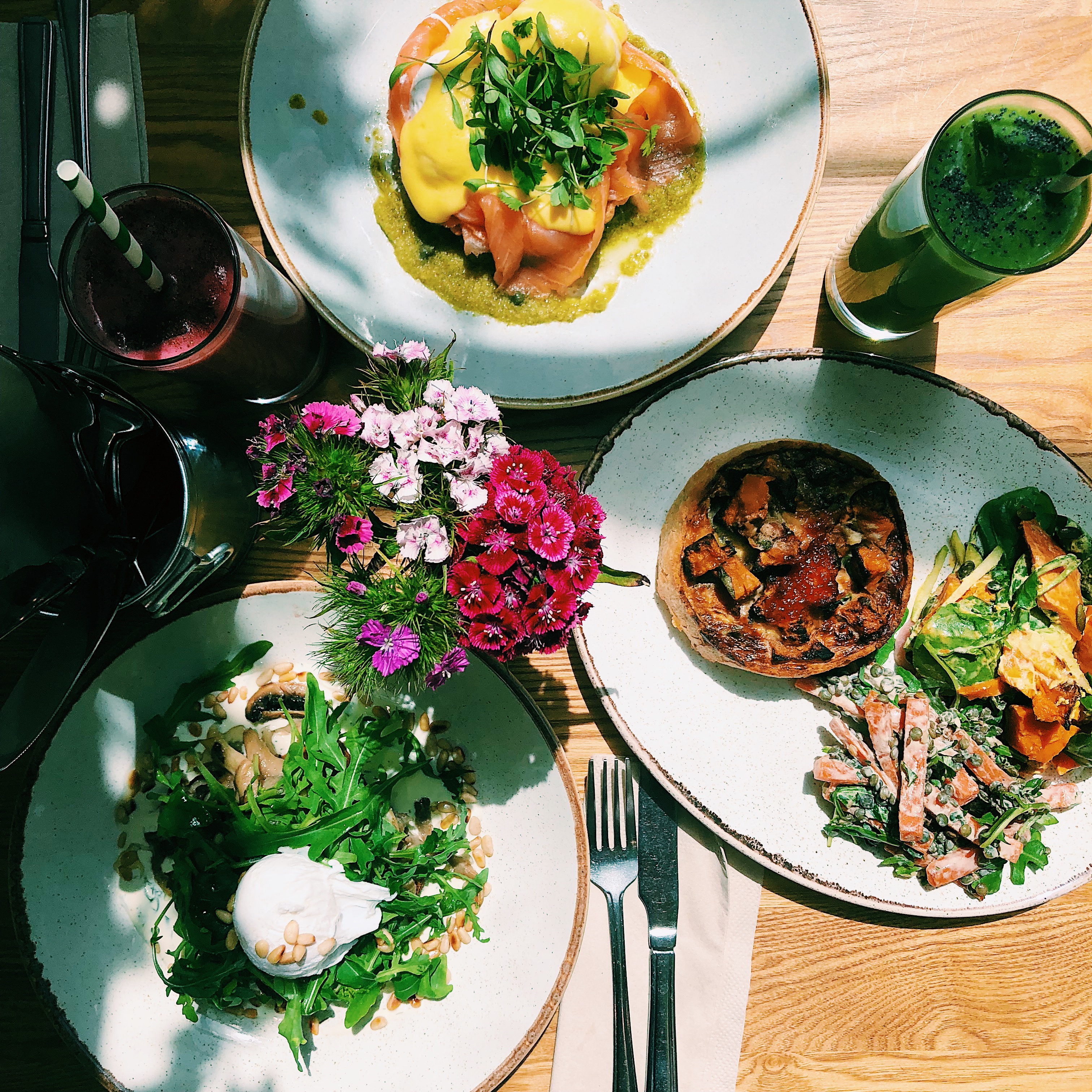
As for the food, we debated on what to try as it all sounded so appealing.  In the end we opted for the following:

Sautéed mushrooms on cornbread, a poached egg, rocket, pine nuts, garlic herb crème fraîche and truffle oil

Royale: poached eggs, smoked salmon, spinach, capers/gherkins & hollandaise in a short-crust pastry case

Butternut squash, kale, sage, walnut and stilton tart and two salads – roast carrot, lentil and rocket salad with a tahini dressing, and a sweet potato, spinach, chilli, pumpkin seeds and a masala yoghurt. The combinations sounded so good, and thankfully tasted equally so.

The portions were generous and the pastry on the tart was baked to perfection. If you ever buy a tart/quiche from a supermarket, these tarts at TART were way superior. The menu is also reasonably priced – with a tart and two salads coming in at just under £10. The brunch options were also well thought through and my sautéed mushrooms on cornbread hit the spot. The staff were friendly and accommodating, being attentive without being intrusive.

As an aside – for those who are potentially interested in investing in a food business –  Tart are currently raising capital to open a third bakery as well as supply tarts to the wholesale London market. If you are interested you can find out more information on the Seedrs website.

It was a spoiling lunch with fresh tasting, healthy choices and highly memorable tarts that had a great selection of fillings and light, crumbly pastry. Check it out if you are in either East Dulwich or Clapham Common.

Tart: 65 Lordship Lane, London SE22 8EP, no booking necessary, dogs welcome.


I was a guest of Tart Bakery and all views and opinions are my own.
SaveSave

SaveSave

SaveSave

SaveSave

SaveSave

SaveSave

SaveSave

SaveSave

SaveSave

SaveSave


Homemade Elderflower Cordial and a Walk on the North Downs

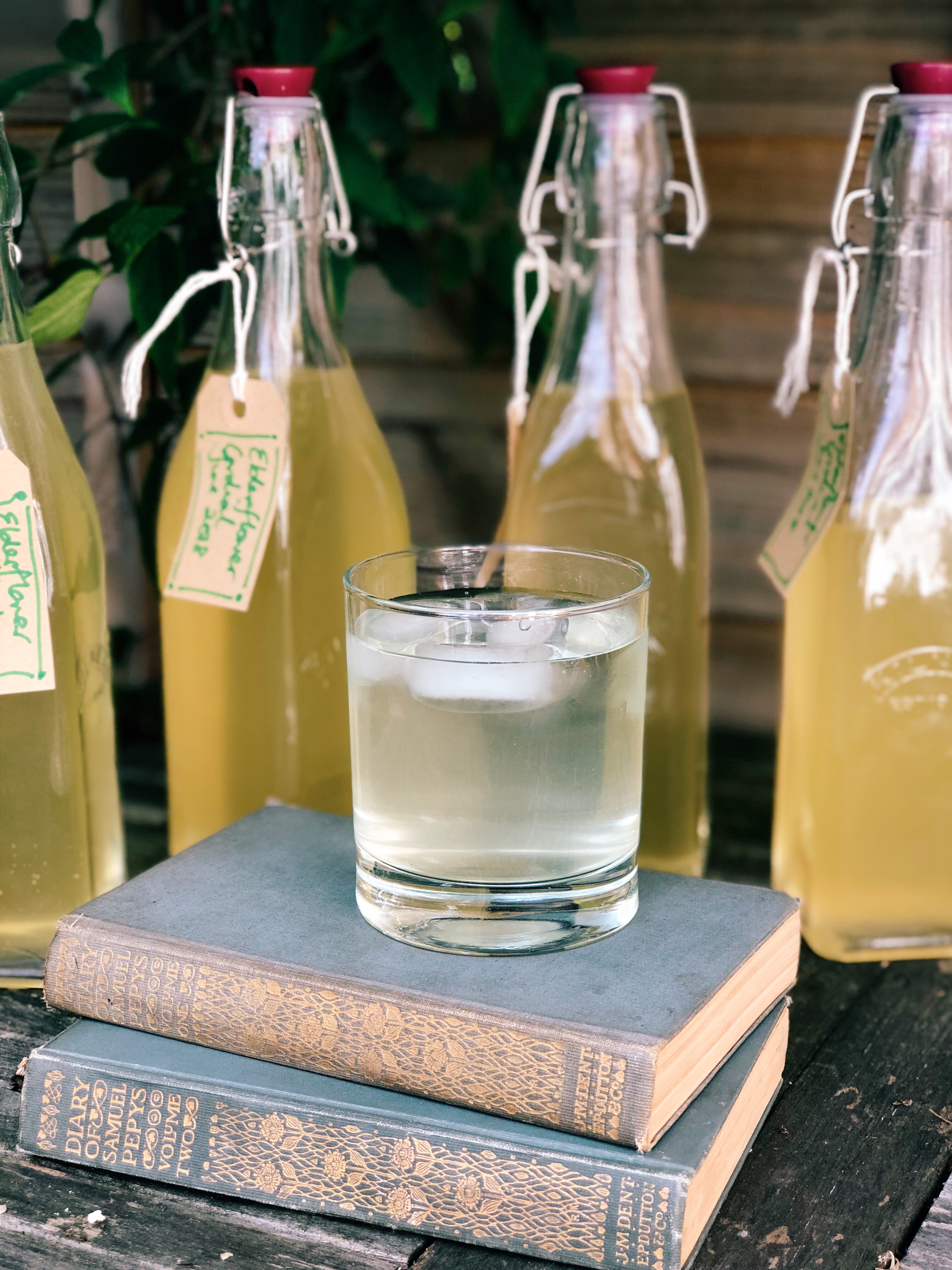
Elderflower is having its moment right now both in the real world and on instagram, where everyone seems to be making elderflower cordial. From the end of May until mid-July you can find it all over the place, both in the city and in the countryside, although you want to gather it away from roads and above hip height for obvious reasons.

It’s very easy to identify and the scent is heavenly – the only thing that you could mistake it for is cow parsley, but once you know the difference its easy to tell the two apart. Each elderflower head is called an “umbel” – such a cool little word don’t you think? The weather was so beautiful last weekend we thought we would head out of town for the day, which also gave me the opportunity to gather some.

Just beyond Croydon – literally 5 miles south – you suddenly hit countryside and rolling hills and wheat fields. Off the main roads, you wind down narrow lanes where passing traffic gradually changes from cars to horses. We headed to the “White Bear” at Fickleshole – even the name of the place sounds enchanting – where we left our car in the car park. On the Inn’s website there are a few recommended walks so we opted for route twoa circular walk over the North Downs. ‘Downs’ is from the old English word ‘dun’, which means hills. I grew up near the South Downs, which pretty much runs parallel to the North Downs, but with a good 31 miles (50km) between them. I don’t know the latter at all, so felt it was a good opportunity to stretch the legs and explore the beautiful countryside.

I had printed off the instructions and we headed off on what was to be a beautiful 8 mile walk down ancient pathways, rolling fields, Saltbox Hill nature reserve and Biggin Hill airstrip. There were a couple of brief times when we had to walk down a lane/road, one time was a little scary as there was no pathway so it was a case of running at breakneck speed about 100m to get to the pathway, which was on a severe bend. Nothing like a little bit of adrenaline to get the heart racing.

We almost missed this sign, so thought I would take a photo of it if you plan on doing the walk yourselves. It’s on Downe Road as you head towards Holwood Farm Shop. You cross the road and then walk down a little pathway that comes out into a large field with crops growing and a clear pathway leading through them and a couple of unsightly large pylons in the field (just ignore that bit).

I adore circular walks that I have not been on before as there is so much so see and take in. At one stage we walked alongside Biggin Hill airstrip, which has private planes landing and taking off at intervals and we even managed to see an old spitfire fly above us. We passed a church on our travels, which had a baptism going on when we poked our heads round the door.

The North Downs, like it’s sister counterpart, are made up of chalk and flint. The latter you can see being used as part of the facade on the local houses – rather pretty I thought!

We seem to come across a lot of horses on the footpaths (in fields). This beauty below was rather special. Just shortly after walking along the top edge of the field we came to ‘Saltbox Hill Nature Reserve’ a designated Site of Special Scientific Interest. Each Sunday, during the summer months, there are guided nature walks through the reserve.

The walk was not particularly demanding, although there were some inclines from time to time and we did keep a close eye on the instructions so as not to get lost.

Back at the White Bear we drank some ginger beer before ordering lunch. In hindsight a picnic on the walk itself may have been more preferable as the walk took a little longer than expected.

The pub is very atmospheric, with cosy corners, black and white photos of owners long gone and a ghost or two apparently. It’s a great place for a drink, although the menu let it down – far too long and the quality of the food was not memorable for us, which was a shame.  It did provide, however, the perfect place to set off on our adventure.

With a bag full of elderflower umbels I left them to rest back at home for a while so that any creepy crawlies could escape. Do not wash them as this can spoil the flavour.

One very important ingredient you need for elderflower cordial, if you want it to last for a long period, is citric acid, which you can easily pick up from your local pharmacy.

Other than that it is very straightforward. You do add 1 kg of granulated sugar – this sounds a huge amount, but you need to remember that the cordial is concentrated so will be used sparingly and added to sparkling water or perhaps a gin cocktail or with some prosecco. The amount I made will easily last for quite a number of months.

The reason I have not been precise on the number of umbel heads required is because the size of the umbel differs from umbel to umbel so it really isn’t an exact science hence I have not given a specific amount.


Elderflower Cordial

makes around 2 litres of cordial

1 kg granulated sugar

2 litres of boiling water

4 unwaxed lemons, grated and sliced

50g citric acid (can be found at your pharmacy)

20-30 elderflower umbels (heads)

4 x 500ml glass bottle – sterilised


  1. Place the sugar in a large bowl or pan and cover with boiling water. Stir gently to help the sugar dissolve.
  2. Add the citric acid and stir into the water.
  3. Add the grated and sliced lemon.
  4. When the water has cooled add the umbels and submerge them as much as possible.
  5. Cover with a tea towel and leave in a cool place for 24 hours, stirring occasionally.
  6. Sterilise your glass bottles by throughly washing them and then placing them in an oven (on the lowest temperature) for 10 minutes and then remove them from the oven to cool completely.
  7. Use a muslin/clean tea towel over a large bowl/jug and pour the contents of your original bowl into the muslin. Gently squeeze so that all the juice comes through.
  8. Seal and use as and when you want a refreshing summer drink or cocktail. Keep in a cool place and once opened store in the fridge.


SaveSave

SaveSave

SaveSave

SaveSave

SaveSave

SaveSave

SaveSave

SaveSave

SaveSave


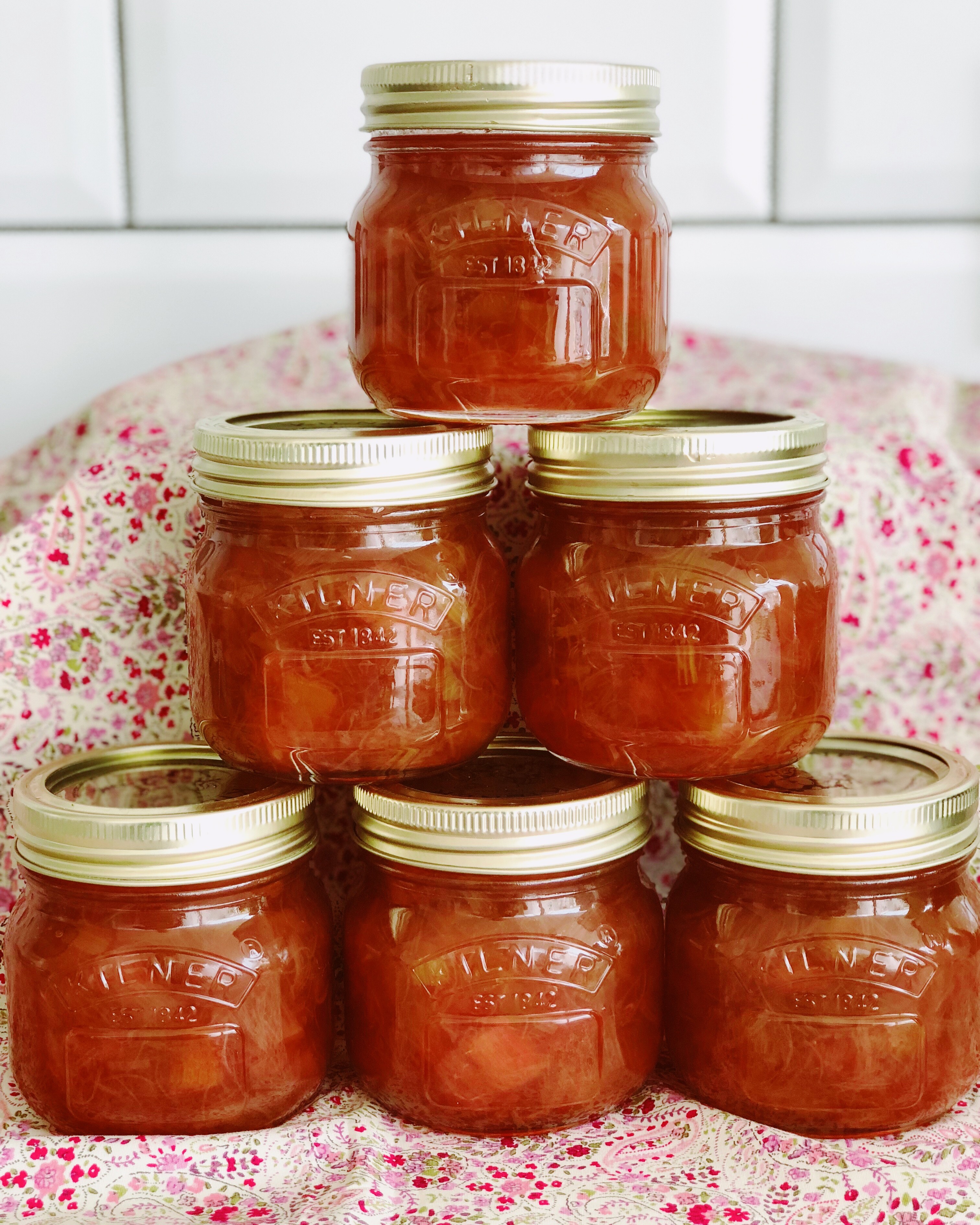
Rhubarb and Ginger Jam

Last year when I attended the Ballymaloe Food and Drink Literary Festival one of the first things I did upon arriving, was to take myself to their beautiful living room and order tea and scones – as you do!  Needless to say it set the tone for the whole weekend, but one very lasting memory was that they served their scones and clotted cream not with strawberry or raspberry jam, BUT with rhubarb and ginger jam. It tasted sublime and I made a mental note to try making some at some point back at home.

Now ok it’s taken me a year but I got there and it tastes great so was keen to share it with you. My mother celebrated her birthday the other day and invited some friends over for tea. My youngest daughter and I made cakes (an elderflower and lemon drizzle, in honour of the recent royal wedding and a carrot cake) and scones and some mushroom tartlets with sour cream and parsley. My eldest daughter baked her legendary chocolate cake and my father made a wonderful Victoria sponge and scones with raisins.

As a side note, scones you can make ahead as they are great to freeze – I made around a 100 for my brothers wedding tea – the recipe is here and it works really well. So whilst strawberry and raspberry jam were on offer for the traditionalists, my rhubarb and ginger jam tempted those who wished to try something new and exciting. Hope you like it too.

Strawberry jam (left) my Rhubarb and Ginger jam (right)         Mama


Rhubarb and Ginger Jam

1 kg of pink rhubarb, washed and cut into 2cm pieces

1kg of jam sugar

50g stem ginger

1 lemon, zest and juice

4cm fresh ginger, peeled and finely grated


Before you begin you will want to clean and sterilise the jars that you are planning on using.

  1. Place all the ingredients into a large plastic bowl, stir thoroughly and then cover and leave to one side for a couple of hours, stir a couple of times over this period,  so that the sugar dissolves and the flavours all harmonise together.
  2. Place a plate into the freezer.
  3. Use a large stainless steel pot – you do not need a preserving pan – and pour all the ingredients from the bowl into the pan. Place on a medium heat and stir so that the rhubarb tenderises and a setting point is reached. This will take no longer than 15 minutes.
  4. To test for setting point, simply remove the plate from the freezer and spoon a little jam onto the plate. Within a minute the jam will have little wrinkles if you move it with your finger. If it is still too runny, leave it to cook a little longer and try again.
  5. If setting point has been reached, remove from the heat and leave for a couple of minutes before pouring into the sterilised jars. Seal immediately and label. I find this easy fill funnel great for jam and chutney making.


SaveSave

SaveSave

SaveSave