Crispy Savoury Donut known as Medu Vada

IMG_2627I want to introduce you to a new kid in town that will seriously impress you.

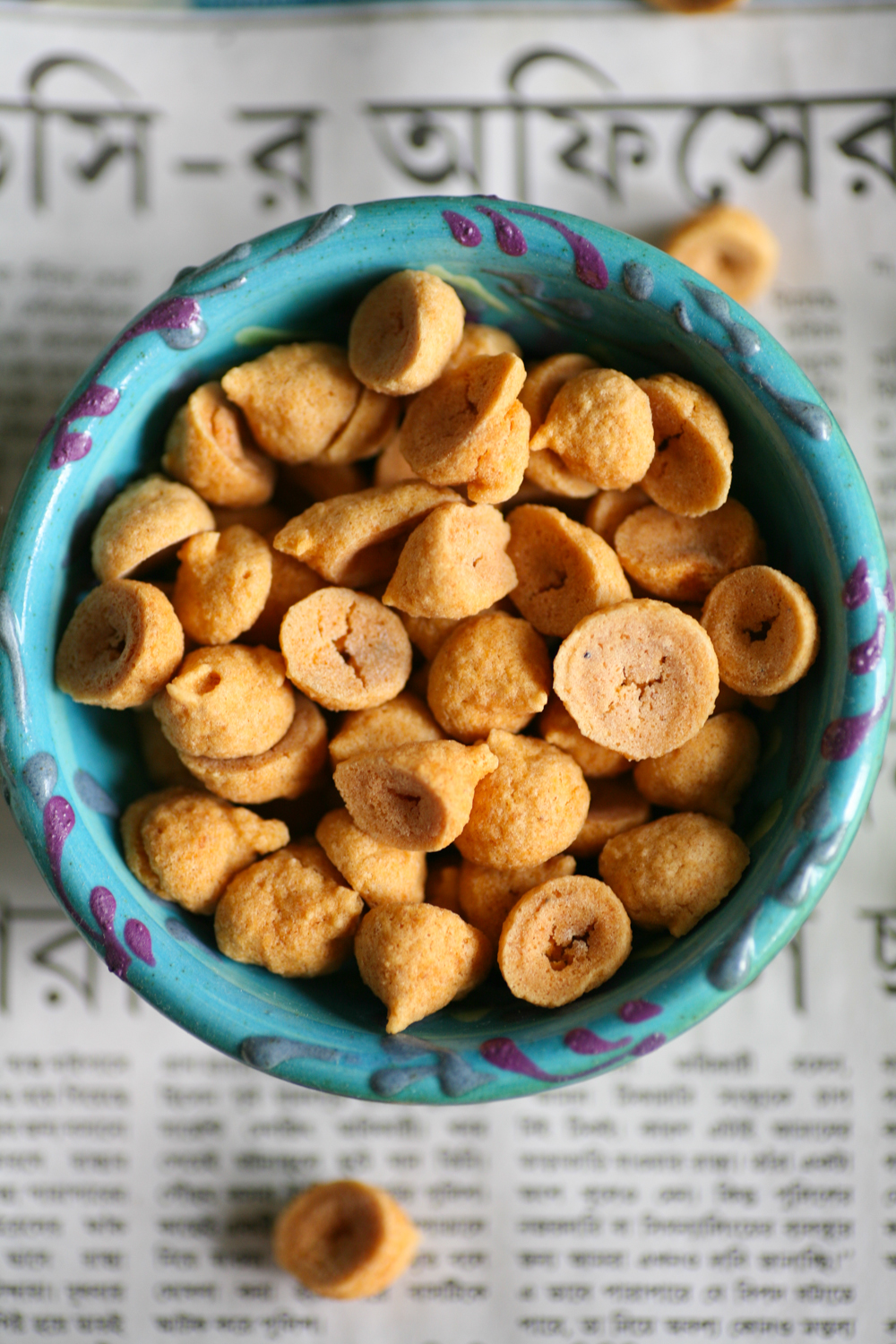
Step aside donut and cronut (croissant and donut pastry) and make way for the Indian savoury donut known as ‘medu vada’. These savoury delicacies look very similar to their saccharin cousins the donut, but are filled with lots of wonderful spices instead of sugar.

IMG_2620

They are really fun to make and you can add your own twists to make them your own. They are a little bit naughty in that they are fried, but hey a little bit of fried deliciousness now and again is absolutely fine in books. They are made of urad dal – the white dal you can easily find in any Asian grocers-  that is soaked for at least 3 hours and then blended to form a soft fluffy paste.

IMG_2635

My daughters find them equally irresistible so they really are a treat for the whole family. They are typically eaten in southern India and Sri Lanka either at breakfast time or as a snack with a coconut chutney or possibly a dal or sambal. I could quite happily eat them for my breakfast but more often then not I make them for an afternoon snack with a cup of warming tea.

They are crispy on the outside and have a soft texture on the interior.

IMG_2619

My recipe makes around 13 little donuts, but if you want to make more just double up on the ingredients. There are no set rules here other than not making the dough too wet.

Medu Vada – Indian Savoury Donuts

Makes 13

175g white urid dal

1/2 tsp salt

1 medium white onion, finely chopped

1/4 tsp asafoetida/hing

1 tsp cumin seeds

1 tsp fresh ground black pepper

1/4 tsp baking powder

1 handful of fresh coriander, roughly chopped

 12 fresh curry leaves, chopped (optional)

1 green/red fresh chilli finely chopped (optional)

  1. Soak the white urid dal in a bowl covered with water for at least 3 hours.
  2. Strain the dal and place into a blender. Blend and if needed add literally a tsp at a time of water to loosen it slightly. Do not over water. You want it to have the same consistency as a fluffy light dough.
  3. Place the lentil dough into a large bowl and with your hand lift the dough, folding it over so that it gets air into it about 15 times.
  4. Add all the ingredients and mix well with your hands or a spoon.
  5. Heat a pan with cooking oil and when it is hot wet one of your hands and create a small ball (a little larger than a golf ball) and then place your thumb in the centre to create a hole through the dough. Then gently loosen the dough off your hand and place into the hot oil. Be careful when doing this as the movement from placing the dough into the pan and removing your hand needs to be super quick.
  6. Place a few donuts in the pan at once and leave them to bronze on one side for a couple of minutes, before turning them over with a slotted spoon for another couple of minutes.
  7. You are looking to get a yellowy bronze hue as opposed to brown, so be careful to watch them closely.
  8. Remove them from the pan and place on kitchen paper to soak up any excess oil.
  9. Continue to make the rest.
  10. If you are planning to serve them as a snack when friends come over simply place them in a preheated oven that has subsequently been turned off. They should stay warm for a good hour.

They are perfect to eat with a chutney, dal or sambal (see links in the body of my post).

Note: 

  • I often don’t add chilli so that all my family can comfortably eat them. For those who like the chilli kick, you can serve them with a hotter chutney, which keeps all parties happy.


Bengali Vegetable Curry with Lentil Kisses

IMG_2531

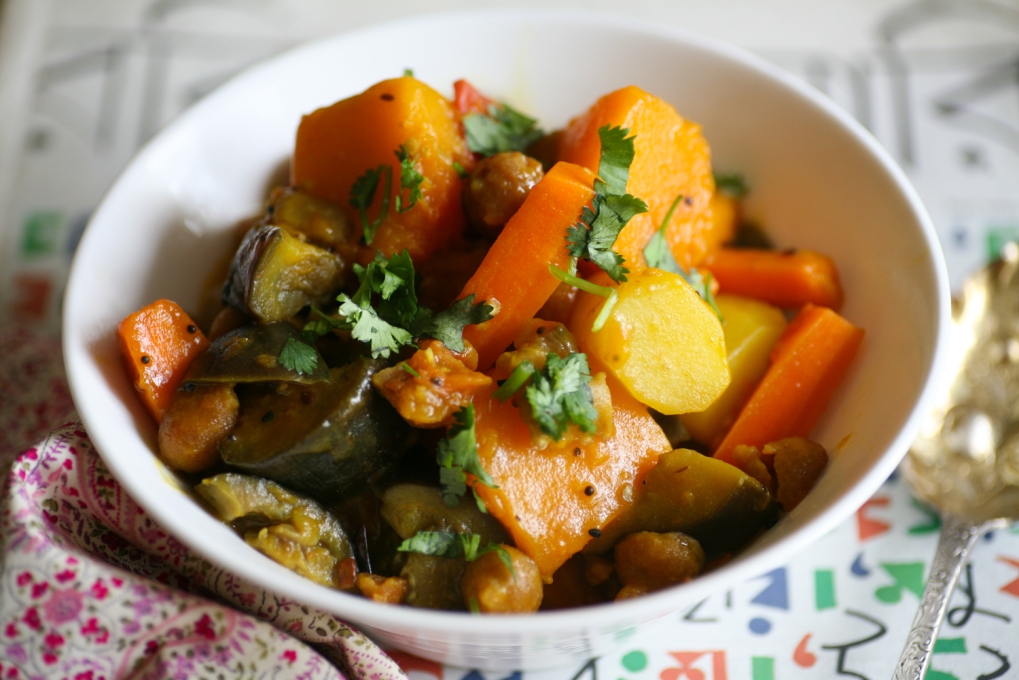
Lentil kisses, known as bori, are little sun dried lentil nuggets that have often been handmade and left to dry in the hot, warming Indian sun. My mother-in-law often brings me back a jar upon visiting her beloved  home city of Kolkata. They remind me of a lentil version of Hershey’s chocolate kisses – the type that visitors from the US often used to bring me and my siblings when we were young. Making bori yourself is not too tricky – there is a lovely recipe here if you are keen – if you live in a country where you can rely on warm, glowing hot sun, but as the weather in the UK is at best erratic when it comes to sunshine, it would probably be rather tricky.

IMG_2509


Whilst I realise not everyone has a Benglai mother-law-in who can magic up bori at a whim, you can get hold of bori in London at any good Asian grocers. In Kolkata, bori is also cooked with fish dishes or with greens, but today I wanted to show you a simple recipe that uses up vegetables that you are likely to have in your fridge. It makes for a very satisfying and enjoyable vegetable meal that is perfect eaten on it’s own or accompanied with some dal, rice or flat breads.

IMG_2512

Good luck in your quest for lentil kisses. They are seriously not that hard to seek out. Let me know how you get on.

IMG_2530

Vegetable Curry with Lentil Kisses

1 large handful of bori (lentil kisses)

2 tbsp groundnut oil

2 small dried red chillies

1 tsp panch phoron

1/2 tsp turmeric

1/2 tsp chilli powder, optional

2 carrots, cut into bite sized chunks

3 medium sized potatoes, quartered

1/4 of an aubergine, cut into bite sized chunks

2 tomatoes, finely diced

1 tsp salt

to serve

1 handful of fresh coriander

  1. Heat a tablespoon of oil (or thereabouts) in a pan and when it is hot add the dried chillies and allow them to blacken a little, this will take no longer than a minute, but may make you cough a little so beware!
  2. Add the panch phoron which will begin to fizzle almost instantly. Then add the turmeric and chilli powder (if using the latter) and add the chopped carrots and potatoes. Move around the pan, lower the heat add a couple of tablespoons of water and place a lid on the pan and leave for 15 minutes, stirring at intervals.
  3. Meanwhile in a separate pan add another tablespoon of oil and when it is hot add the bori/lentil kisses so that they bronze slightly in colour. This will only take a few minutes, if you keep moving them around the pan. Remove them from the pan with a slotted spoon and place on a plate with kitchen roll.
  4. In the main pan now add the aubergine, salt and fresh tomatoes and stir into the other ingredients. Add a little more water to help soften the ingredients, but not too much as you do not want the sauce to become too runny. Place a lid on the pan and leave for another 10 minutes.
  5. After 5 minutes check to see if the potatoes and carrots are softening. Add the bronzed bori and gently stir into the vegetables. Place the lid on the pan and leave for a further 5 minutes or until the potatoes and carrots have softened sufficiently.
  6. To serve add freshly chopped coriander.

It is wonderful to accompany with some dal and rice or Indian flat breads.

IMG_2517


Miso Aubergines and Harissa Asparagus – Vegan Feasting

IMG_0505


I really hadn’t planned for this to be a blog post. There is only this one photo that was taken in a hurry, with my iPhone and not my usual food photography camera.  I hadn’t given much thought as to food presentation or back boards or table cloths. It was very much in the moment, what my family were eating one evening. The feedback I had from this photo on Instagram however convinced me that I ought to share the recipes.

Whilst I added my own twist to the recipes both are from two wonderful cookbooks that are worth investing in, if you haven’t already got them. The plate on the left with the aubergines comes from a similar recipe by Anna Jones’s book ‘ A Modern Way to Cook‘. It is one of my favourite vegetarian cookbooks and  one which I regularly dip into it. The asparagus on the right is from Sabrina Ghayour’s ‘Persiana’ cookbook, which is equally fabulous and worth purchasing.

Dark Miso and Honey Aubergines

Adapted from ‘A Modern Way to Cook’ by Anna Jones

Serves 4 (if served with other dishes)

1 large aubergine (or 2 smaller aubergines), halved and then cut into 1 inch slices

1 tbsp coconut oil

1 tbsp dark miso (I get mine from Korea Foods)

2 tbsp runny honey

2 tbsp mirin/rice wine

pinch of Kashmiri chilli powder

1 tbsp white sesame seeds

  1. First wash and then half the aubergine and cut into slices lengthways – approx 1 inch thickness and cut slice marks across the flesh (not the purple skin).
  2. Place on a lined baking tray.
  3. Meanwhile mix the dark miso, runny honey, mirin (you can get this from all large supermarkets, as well as Asian specialist shops) and a pinch of Kashmiri chilli powder.
  4. Heat the coconut oil in a pan if it is solidified and then gently brush the flesh of the aubergines.
  5. Place in a grill for 5 minutes before turning over for another 5 minutes.
  6. Using a spoon spread the miso honey paste over the aubergines equally and place into an oven at 180 degrees for 15 minutes.
  7. Scatter with white sesame seeds and serve.

Harissa, Lemon and Honeyed Asparagus

Serves 4 (if served with other dishes)

Adapted from ‘Persiana’ by Sabrina Ghayour

1 large handful of fresh asparagus, trim the ends

2 tsp harissa

2 tbsp runny honey

1 lemon, rind and juice

pinch of salt

  1. Trim the ends of the asparagus so that the rough ends are removed.
  2. In a bowl add the harissa, lemon rind and juice, honey and salt. Mix together then add the asparagus so that all the stalks are coated.
  3. Heat a heavy based griddle pan and when it is hot add the asparagus and allow to soften and form black ridges from the griddle pan. Turn over at intervals. The asparagus will be cooked within 10 minutes.
  4. Place on a serving plate and pour over any remaining juice from the marinade.


With these dishes I also served steam basmati rice and pak choi. To cook the pak choi I added a little coconut oil to a pan and then added the pak choi leaves. After a minute the leaves will soften so add a splash of soy sauce or tamari and a tablespoon of yuzu or lime juice and allow to wilt a little further for a couple of minutes.

Let me know how you get on. There is so much flavour coming from all the citric, spicy and cleansing notes and I like the way how the rice balances it all out nicely.


Wild Garlic, Courgette and Lemon Soup with Poached Egg and Crispy Panko Breadcrumbs

IMG_0381

At this time of year British woodlands are filled with carpets of bluebells and wild garlic. The fragrant smell from the purply-blue tinged bluebells is absolutely heavenly, it genuinely makes me happy to stroll through a wood filled with these gorgeous flowers. In addition there is always a certain excitement when the overwhelmingly pungent smell of  wild garlic hits you. To me it translates as FOOD or rather free food. Foraging for it is pretty easy and like all foraging there is a wonderful sense of achievement in having found something to eat.

The broad elliptical leaves (see bottom photo) are similar to the toxic lily of the valley, however, the smell is so screamingly obvious I think it would be pretty difficult to get it wrong.  If you are unsure about foraging wild garlic you might like to check out the Royal Horticultural Society guide on how to recognise it – see here. Wild garlic is from the allium family and is also known as ramps, ramsons, wood garlic, bear’s garlic, devil’s posy, onion flower and stink plant.  It can first be seen in April where there will only be a few white flowers, most will still be in bud form. The white flowers are edible and are a nice adornment on the plate so make sure to pick a few of them as well if you can. By June the harvest will be over, so you still have a few weeks window left to go searching.

IMG_0412

My mother kindly gathered a large bag of wild garlic from the woods – slightly larger than I had anticipated –  so I have enough wild garlic to eat it in all it’s guises for sometime.

For those who have not eaten it before it has a lovely – you guessed it – garlicky taste although less full on surprisingly than regular garlic. There are resemblances of chives and spring onions to the taste, but with a unique quality that is completely it’s own.  It wilts just like spinach when exposed to heat, so a large amount can reduce quite substantially.

I have another wild garlic recipe up my sleeve that I will post next week but in the meantime try making my recipe below, which is a lovely lunchtime treat.

If you are into foraging you might also like to take a look at my post on foraging for cockles and samphire.

Wild Garlic, Courgette and Lemon Soup with Poached Egg and Crispy Panko Breadcrumbs

Serves 4

1 tbsp olive oil

1 small white onion, finely diced

4 courgettes, roughly chopped

1/2 lemon zest and juice

1 large handful of wild garlic, washed thoroughly

1 tsp salt

freshly ground black pepper

3 tbsp panko/sourdough breadcrumbs

1 tsp white wine vinegar

4 eggs

drizzle of lemon olive oil

  1. In a large deep pan heat the olive oil and then add the onion and move around the pan at intervals for  3-4 minutes before adding the courgettes.
  2. Add the lemon zest and juice, salt and pepper and stir into the ingredients and simmer for a couple of minutes, before adding water to cover the vegetables and bring to the boil and then simmer gently for a further 6-8 minutes.
  3. Add the wild garlic, which will wilt, like spinach, immediately.
  4. Blend the ingredients until smooth. Add more water, depending on how thick or watery you like your soups. Leave to one side.
  5. Place the panko/sourdough breadcrumbs in a frying pan and add a dash of olive oil and move around the pan for a couple of minutes to allow the breadcrumbs to bronze slightly. Keep your eyes on them as they will bronze quickly.
  6. In a separate pan bring water to the boil and add one tsp of white wine vinegar. Stir it with a spoon in the centre so that a small whirl pool is created. Drop the egg into the water and allow to simmer gently for 2-3 minutes. If you leave it for over 3 minutes the egg with harden. Remove from the pan with a slotted spoon and place on kitchen roll whilst you prepare the next egg.

To serve, place a ladle or two into a soup bowl and then add the poached egg, a sprinkling of panic breadcrumbs and then drizzle some olive oil or if you have it some lemon infused olive oil. If you have any wild garlic flowers you can place one on top of the soup.

Have a good weekend. It’s going to be a scorcher.

IMG_0410


Indian Inspired Cucumber, Apple and Red Onion Salad

IMG_0217

I’ve just returned from 10 glorious days in the Schwarzwald – or German Black Forest to you and me.

IMG_9957

Days were spent hiking through dense forests where gentle streams turned into ferocious waterfalls.

IMG_0097

 We climbed many a hill and marvelled at all the spruce and pine trees peppering the landscape. Dramatic scenery at every turn.

IMG_0022

Picnic lunch stops afforded us spectacular vistas, stretching for miles and the best thing was that we were completely alone – over the time we were there we passed only a couple of other walkers, one of which was a nun from the local nunnery. We live in such a frenetic, fast paced world that taking time out and spending time with nature away from the crowds is wonderfully cleansing for the mind and soul.

IMG_9971

Upon returning to our gasthof we would often treat ourselves to the local speciality…….Black Forest Gateaux,  because when in Rome…..

IMG_0113

After resting our weary limbs we prepared for serious dining in the evening. The food was exquisite, refined and yet hearty – the lemongrass creme brule and the wild garlic soup being highlights.

IMG_9946

Upon returning back in the UK however, I was ready to have a vegetarian spell. I began to crave green vegetables (I eat a lot of spinach) and fruit with a spice injection and simple Asian food. In fact the first thing I cooked for myself when we returned to Blighty was this.

With the bambinos having just returned to school and the sun giving us a lovely, welcome dose of vitamin c – check out the blossom and blue skies

IMG_0208

I wanted to eat a lovely salad that I was given recently when I was in Kerala. It’s lovely on it’s own or eaten to accompany all manner of Indian, meat, fish or veg curries – see my recipe library. The crunch from all the different textures and the flavours sing sweet notes as you dive into this salad. Give it a whirl and let me know if you agree.

IMG_0218

Indian Inspired Cucumber, Apple and Red Onion Salad

Serves 4 with another dish or 2 on it’s own

2 crunchy green apples, cored, skin removed, quartered and chopped into 3

1 cucumber, skin removed, halved and chopped into half moons

1 red onion, finely sliced

1 handful of fresh coriander, roughly chopped

1/2 tsp salt

1 tbsp agave nectar/honey

  1. Skin, slice and cut the ingredients as specified above and mix altogether along with the honey and salt. Simple and utterly delicious.

This salad would also be perfect with meat, fish or vegetables off the BBQ.

IMG_0219


Parmesan, Chive and Truffle Madeleines and a Paris Snapshot

IMG_2373

Despite Paris being so close to London – three hours on the Eurostar – we had never been with big A and little Z. Mr B and I had been on numerous occasions in the past both for work and pleasure, but we were long overdue a visit with all the family. Good friends had recently moved there – well to the pretty town of Versailles to be exact, so the decision to visit was very easy.

IMG_9202

We decided to show our girls (aged 10 and 6) a snapshot of Paris so that they could soak up the atmosphere and see some of the sights; the most famous of all being the Eiffel Tower. I had always admired it from afar but never ventured to the top. A flurry of light snow began to fall, despite the pretty blossom making an appearance, and we climbed (well Mr B and big A did – Little Z and I took the lift) right to the top. The view was spectacular, despite it being rather overcast. As we made our way down in the lift we were told that we could get out on the first floor if we wanted the ice rink – pretty impressive I thought to have a rink actually on the tower.

IMG_9242

After a stroll around the Louvre we made our way to a charming and very buzzy French restaurant called Bistrot Victoires on 6 rue Vrillère – about a 10 minute walk from the Louvre. Here you can indulge in traditional gallic fare accompanied by a bottle of red wine and some great tasting baguette to munch on whilst you wait for your food. The restaurant is famous for its steak frites that comes with burning thyme on top. IMG_9210

The smell, pomp and visual spectacle of it all is very memorable so I would urge you to order it if you go. We had a portion each and I must say I think it was the most tasty I have ever had.

IMG_9217

Here is a close up to make you hungry!

I rather loved their old till, which looks so much grander than the hand held card reading device that they use to day. Old and new sitting side by side. IMG_9240

We walked off our lunch with a visit to the wonderful Musee D’Orsay which is housed in the former Gare D’Orsay, a Beaux-Arts railway station built between 1898 and 1900. A must if it’s your first time to Paris, and slightly more manageable than the Louvre in as far as size. Thursday nights are late opening so a nice thing to do before heading out to dinner perhaps.

IMG_9193

The following day we headed back into Paris – a very short 20 minute journey on the RER. I rather loved the old school look of this carriage that looked like it was a travelling library carriage  – how very civilised.

There is nothing quite like a crepe to kick start your day. The girls were thrilled with their nutella ones whilst Mr B and I went for the ham and cheese.

IMG_9263

Bellies full we headed to the spectacular French gothic cathedral of Notre Dame, which stood in all it’s glory in the cold, crisp February sunlight. The girls were familiar with this building owing to the fact that they have watched the  Disney movie ‘The Hunchback of Notre Dame’ more times than I care to remember. We walked off breakfast within its walls, marvelling at its grandeur and beauty.

IMG_9256

An absolute must if you are visiting Paris is Sainte-Chapelle, which is literally a stones throw away from Notre Dame. It was built by King Louis IX of France to house his collection of passion relics, including the Christ’s Crown of Thorns. You need to climb up the winding narrow staircase but once you’ve reached the top you will be rewarded with one of the most extensive 13th-century stained glass collection anywhere in the world. It is utterly breathtaking, especially when the sun is shining and reflecting through all the coloured glass in all it’s brilliance.

Another pit stop for food was required so we headed to A La Biche Au Bois on Avenue Ledru-Rollin, which offers hearty, honest French food away from the typical tourist trap restaurants.

IMG_9273

The staff at this restaurant were both jovial and charming and coupled with the fact that the food was great, it makes it a restaurant worth seeking out, and indeed booking as it gets packed.

Creme caramel or ile flottante anyone?IMG_9290

After all good lunches a walk is required so we sauntered over to my favourite and indeed oldest square in the whole of Paris…..Place de Vosges. After ambling around the square we decided to head north to Sacre Coeur in bohemian Montmartre. The sun was shining so we felt it was worth the effort to head there so we could admire the view of Paris and Sacre Coeur.

IMG_9307

The next few days we spent time relaxing in Versailles with our friends and visiting the famous Palace and grounds of the Versailles Palace. IMG_9337

If you ever find yourself in Versailles for the evening and want to splash out, the bar at the Trianon Palace Versailles is worth a visit as they serve delicious cocktails, but then again at €22 you would expect them to be pretty outstanding. If you are in town and want something more hip and low key on ambiance and price then I can recommend La Conserverie   a bar in the 2nd arrondissement. From the outside you probably wouldn’t notice it, but don’t be put off. For the brave who venture in you’ll find elegant, longing surroundings with a relaxed vibe. Needing a bite to eat then head to Restaurant Victor 101 bis, rue Lauriston in the 16th district of Paris. It has an old school French vibe, dishing up all the French classic with style and panache. IMG_2336

Back in Blighty I decided to continue with the French theme by rustling up some little french fancies known as ‘madeleines’. Small, bite size and wonderfully moist in the centre and a little crispy on the outside. They are best eaten straight from the oven. Deliciously warm. They often come in sweet flavours but work equally well savoury. I naturally gravitated towards making them savoury, although I think next time I will try cardamom ones. You can play around with the fillings by adding pancetta, sun-dried tomatoes, sage, rosemary or whatever takes your fancy.

IMG_2336

They take a matter of minutes to whisk together and then another 12-14 minute to cook in the oven. A perfect tea time treat.

Parmesan, Chive and Truffle Madeleines

2 eggs

50g parmesan, finely grated

100g plain flour, sifted

1/2 tsp baking powder

40ml truffle oil

3 tbsp butter, melted

2 tbsp chives, finely chopped

1 tsp salt

freshly ground black pepper

2 tbsp milk

  1. Preheat the oven to 180 degrees (if using fan or 200 if not).
  2. First blend the cheese and eggs using an electric whisk if you can (or by hand if you haven’t).
  3. Then add the flour, baking powder, salt and pepper.
  4. Now add the truffle oil, melted butter and chives.
  5. Finally add the milk and whisk so that it is smooth but still quite firm.
  6. Lightly grease the madeleine tray and add a heaped teaspoon of mixture to each compartment. Smooth the top where possible.
  7. Place in the oven for 12-14 minutes, or until bronzed on top. Use a tooth pick to see if it is done – it should come out nice and clean.

Eat immediately if possible whilst they are still warm with a cup of tea.

Note: instead of truffle oil you can use extra-virgin olive oil, chilli oil, basil oil. Experiment and see which you like. 

Paris Restaurants and Bars:

Bistrot Victoires – 6 rue Vrillère (R)

A La Biche Au Bois – 45 Avenue Ledru-Rollin (R)

Restaurant Victor – 101 bis, rue Lauriston (R)

Trianon Palace Versailles – 1 Boulevard de la Reine, Versailles (B)

La Conserverie Bar – 37 Rue du Sentier (B)

It was simply by chance that two of the restaurants I visited had part of my name in the title ;o)!

IMG_2369


Softened Cucumber with Chinkiang Vinegar, Sichuan Pepper and Red Peanuts

IMG_2322

There is a dish that I always order when I visit Silk Road restaurant in Camberwell. The main ingredient is cucumber. Yes cucumber folks. I think they even call the dish ‘cucumber salad’. Doesn’t sound that appealing does it at first glance, but let me assure you that cucumber that has been delicately softened or rather smashed with a small ‘s’, then doused in Chinkiang vinegar, soy sauce and sichuan pepper marinade elevates the humble cucumber to something quite extraordinary.

IMG_2329

It is quick to rustle together and is the perfect snack when you have the munchies or if you want to accompany it with perhaps Chinese spiced roast pork or chicken, ginger and spring onion jiaozi or dan dan noodles. Give it a go next time you find a cucumber lurking in your fridge. Chinkiang vinegar (also known as Chinese black rice vinegar) you can get at the larger supermarkets, or you can get online here . Sichuan peppercorns can also be found here.

IMG_2330

I adore the different textures and tastes dancing around on my tongue. Sichuan pepper is seriously addictive – in a good way, so it is worth sourcing it if you can.

Softened Cucumber with Chinkiang Vinegar, Sichuan Pepper and Red Peanuts

1 cucumber, bashed lightly with a rolling pin

4 garlic cloves, finely chopped

1 tbsp Chinkiang vinegar

1 tbsp soy sauce

1 tsp caster sugar

1 tsp ground Sichuan peppercorns (optional)

1 tsp salt

50g red peanuts

  1. Using a rolling pin gently bash the cucumber so that it begins to soften slightly. The reason for doing this is to create a slightly softer texture which will then absorb all the delicious flavours of the marinade more easily.
  2. Cut the cucumber lengthways and halve it again and then cut it on the diagonal into 1 inch pieces. Place in a large mixing bowl.
  3. In a separate bowl add all the other ingredients, aside from the red peanuts, and stir so that they are all mixed together well. Add a little more sugar or salt as needed.
  4. Place the red peanuts into the cucumber bowl and then add the marinade and throughly mix it together so that the cucumber is fully coated with it.

You can prepare this ahead of time or eat it immediately.

IMG_2323


A Year in Cheese – Now isn’t that a thought!

IMG_2134


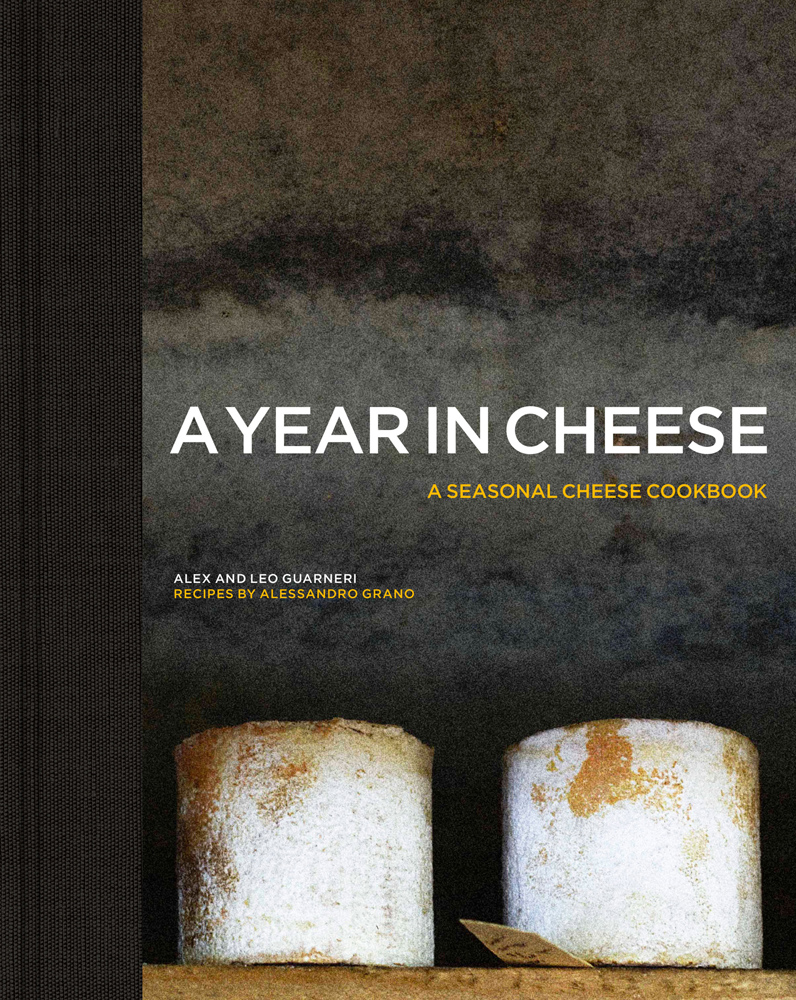
The brothers Alex and Leo Guarneri who run the London fromagerie ‘Androuet’ and the restaurant next door have just brought out a rather delicious sounding cookbook called ‘A Year in Cheese’. Along with their Italian chef Alessandro Grano they have put together a collection of their favourite recipes incorporating cheese. Much like vegetables, fruit and meat, cheese is also seasonal and it is with this in mind that the brothers have come up with some tasty cheese dishes to whet the appetite all year round.

A Year in Cheese-2

Images from A Year in Cheese: A Seasonal Cheese Cookbook by Alex and Leo Guarneri, Recipes by Alessandro Grano. Photographs by Kim Lightbody. Published by Frances Lincoln.’ 

Those who love ‘kinfolk’ style, myself included, will be naturally drawn to this recipe book. I particularly love it’s matt, rustic, moody photographs and recipes that look homely and inviting. Just browsing through the book, I love the sound of the ‘portobello mushrooms stuffed with walnuts and gorgonzola’, ‘french onion soup with 18-month-old comte’, ‘baked camembert with rosemary, honey and almonds’, ‘green and white asparagus with red Leicester crisps with sauce vierge’. The ‘watermelon and feta’ combination is always a winner and the brothers have come up with their own take on one of my favourite salads – see below. Salty, sweet with a blast of colour – what’s not to love!

WatermelonFetaSalad_22

Images from A Year in Cheese: A Seasonal Cheese Cookbook by Alex and Leo Guarneri, Recipes by Alessandro Grano. Photographs by Kim Lightbody. Published by Frances Lincoln.’ 

IMG_7969

The book is split into chapters according to seasons and then there is a separate chapter on cheeseboards and complementary wines. The book is original – I can’t think of another one focused on cheese in quite the same way – so for any cheese lover it is certainly a great addition to their recipe book library.

IMG_2107

As a christmas present, I think I would probably pair it with an interesting cheese and a fancy cheese spoon – how about this one – to complete the well thought through gift. I know that I would love to receive a gift like that.

IMG_2111


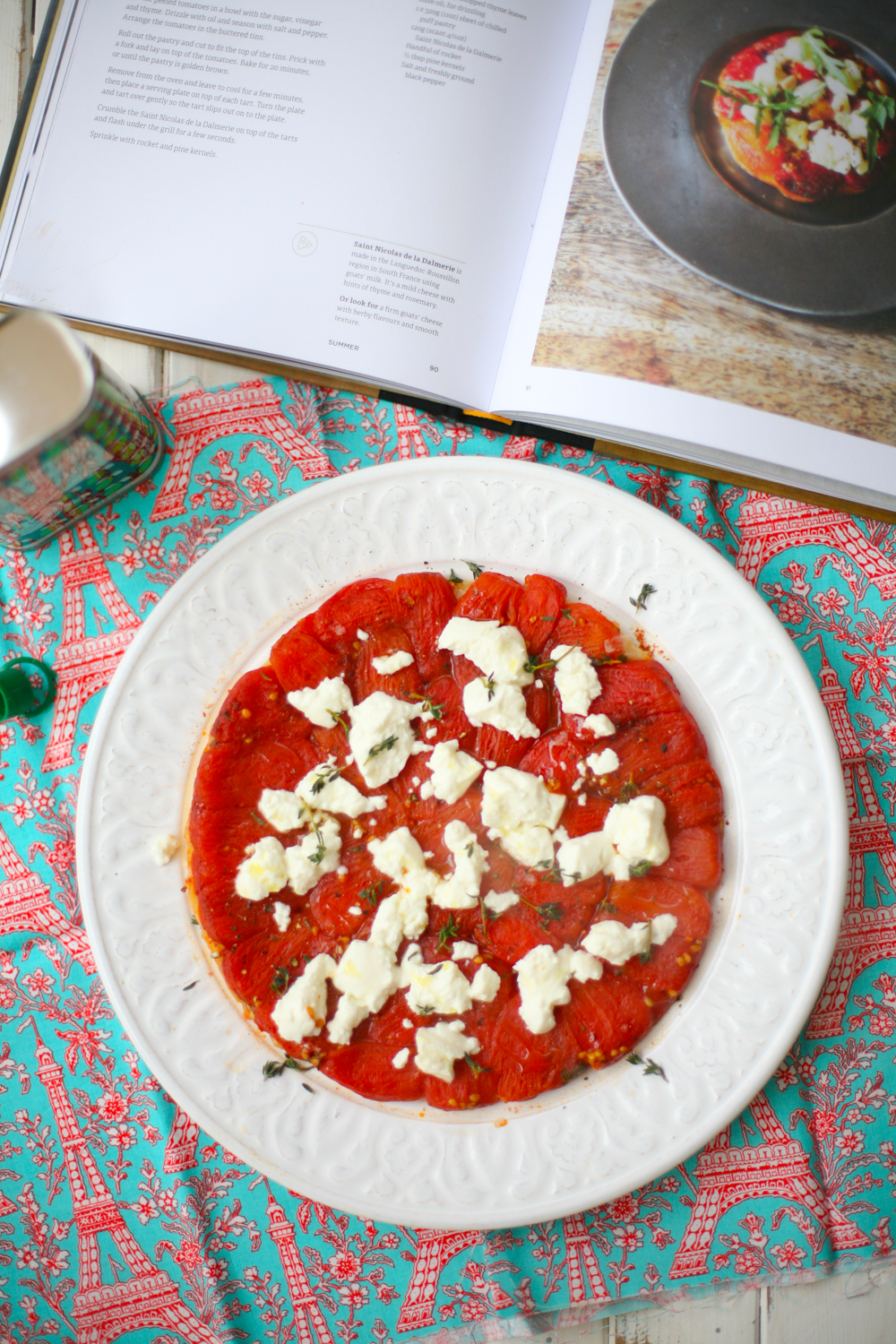
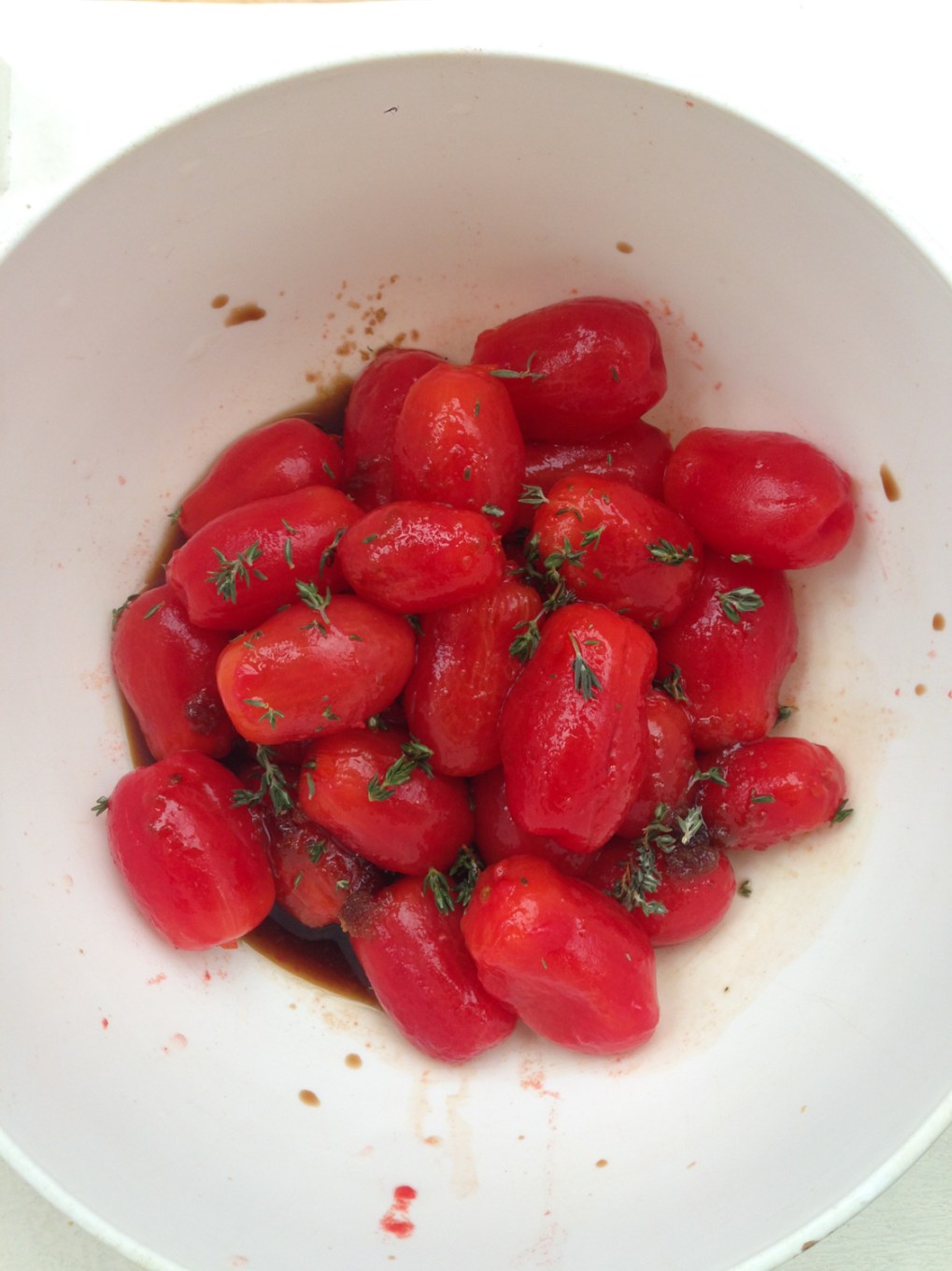
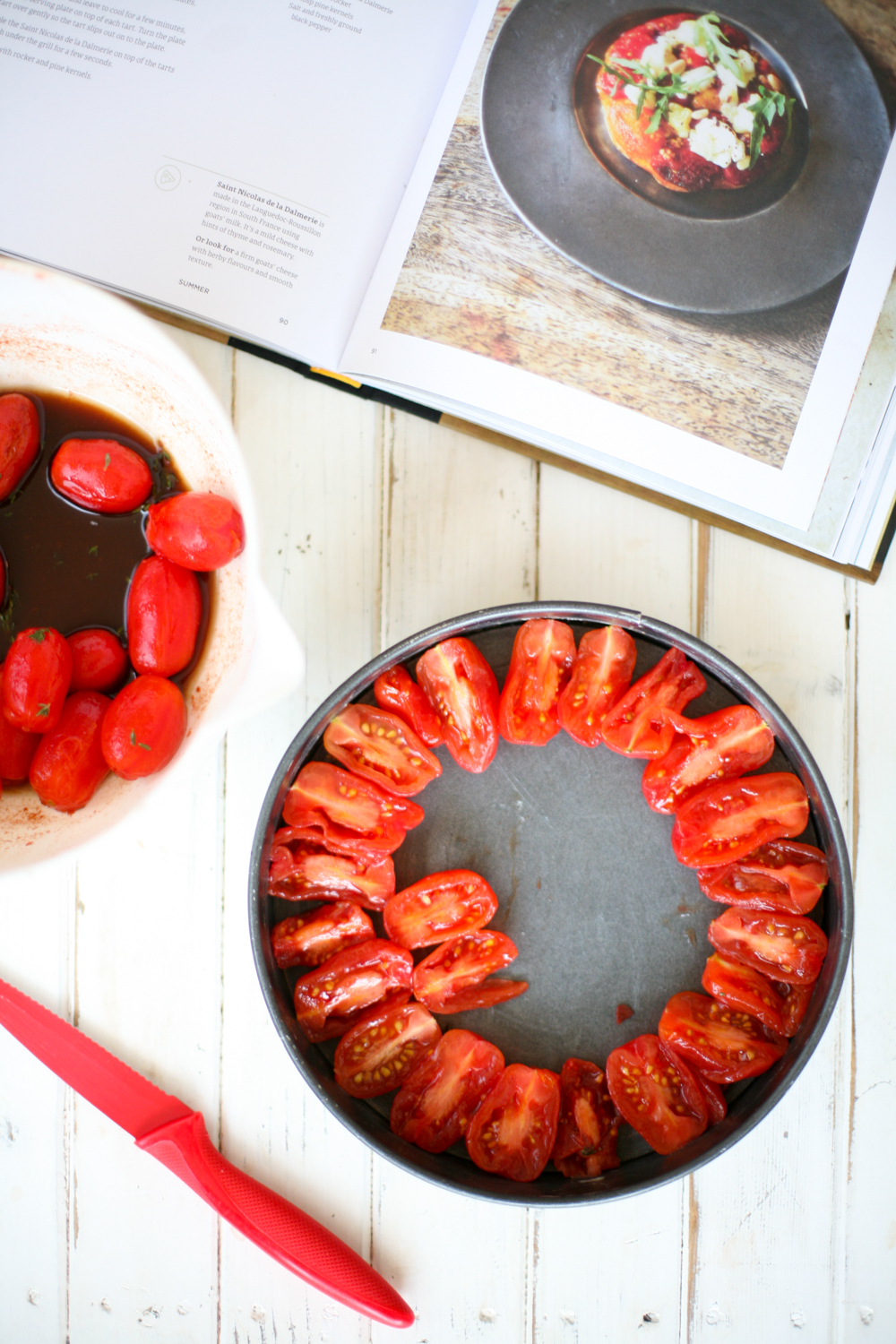
I decided to make their ‘tomato tarte tatin with Saint Nicolas De La Dalmerie’. It comes under the summer chapter, so perhaps I should have chosen one of the winter dishes because the cheese suggested was clearly not going to be in season. As such I replaced it with and English ‘Rosary plain’, which is a mild and creamy fresh cheese made from pasteurised goats milk.

IMG_2120


The recipe was delicious and quite frankly perfect for any time of year, the only thing that I need to work on was making the puff pastry rise better, as mine had not puffed up as well as the one in the photo in the book. I fear that there was too much balsamic vinegar making the pastry a little too wet to puff as much as it would like. As such I have made some alterations to the recipe.

IMG_2124

The olive oil that I like to use is the Nudo variety, which make a whole range of wonderful olive oils that come in eye catching tins. The extra virgin comes in the green tin (I used  this one for this recipe), the yellow tin is infused with lemons and the red tin has notes of chilli. The olive oils themselves make great gifts – see here for the trio selection, but I am also a huge fan (and have been for a number of years) of their gift idea where you ‘adopt’ an olive tree and then receive extra virgin olive oil through out the year. The gift that keeps on giving – perfect. Click here to learn more about the olive tree adoption.


Tomato Tarte Tatin with English Rosary Goats Cheese

Serves 4-6

500g cherry tomatoes, halved (you can use larger just slice them thinly)

1 tbsp brown sugar

2 tbsp balsamic vinegar

2 tsp fresh thyme leaves

Nudo olive oil, for drizzling

salt and pepper

1x320g sheet of chilled puff pastry

1 egg, whisked

50g English Rosary goats cheese


  1. Preheat the oven to 190 degrees (375 degrees Faranheit/gas5) and butter a tart tin. I used my regular 8 inch diameter cake tin. In the book they suggest using 2 6 inch diameter tart tins.
  2. Place the tomatoes in a bowl of boiling water for 10 seconds and then move them to a bowl of cold water. The skins will then peel off easily.
  3. Half the tomatoes and then drizzle them with the balsamic vinegar, sugar, olive oil and fresh thyme.
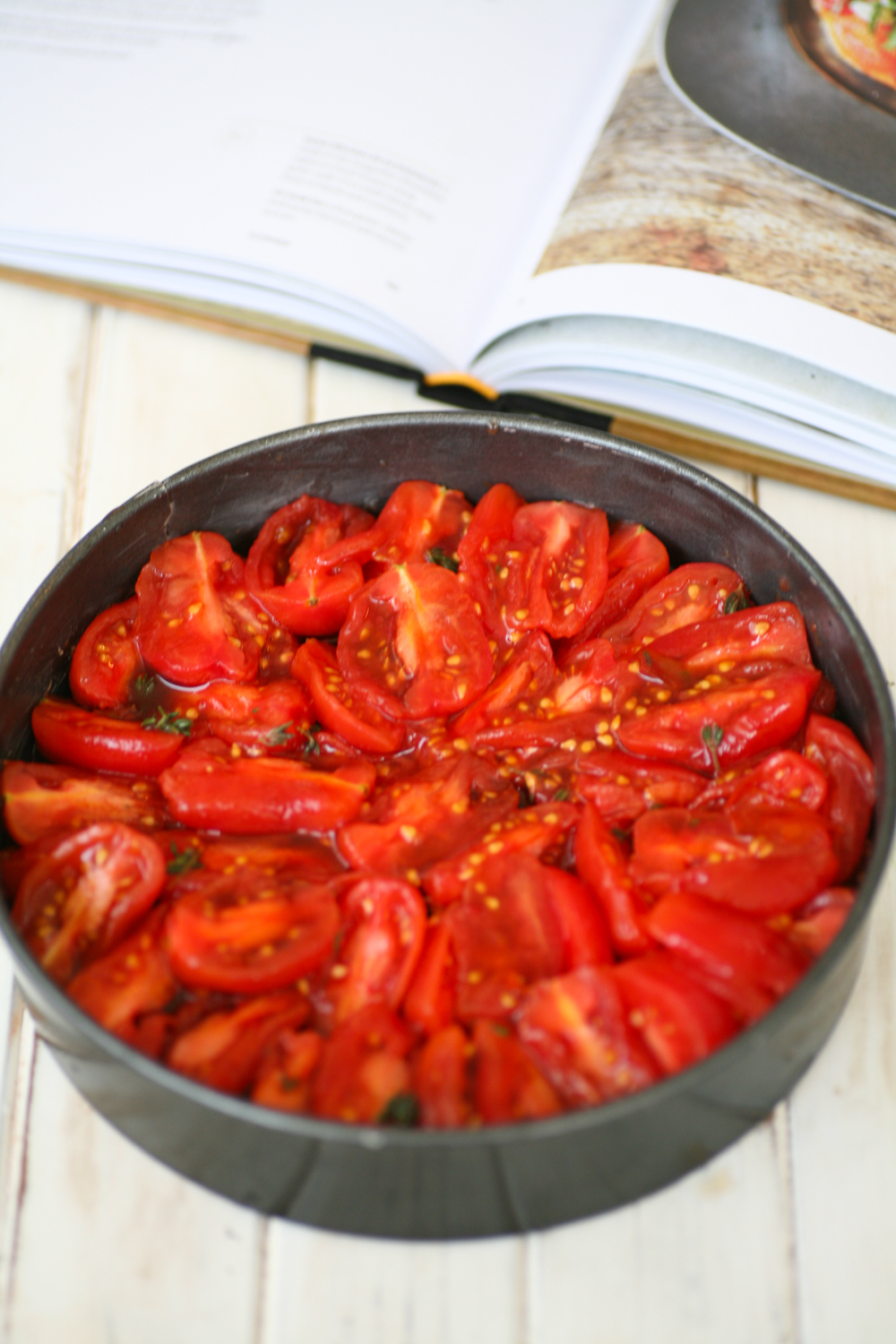
  4. Arrange the tomatoes neatly in the tin and then drizzle the remaining juice over them and add salt and pepper.
  5. Place a pastry topping over the top of the tomatoes and prick with a fork. Gently brush the pastry with the whisked egg.
  6. Place in the oven for 20-25 minutes, so that the pastry has puffed and bronzed.
  7. Remove from the oven and then place a plate of the top of the tin and turn upside down so that the tomato tarte tatin comes out.
  8. Crumble the goats cheese and place under a grill for around 10 seconds so that it begins to melt.
  9. You can scatter with a few rocket leaves and pine nuts if you have them to hand.

Perfect served hot or at room temperature.


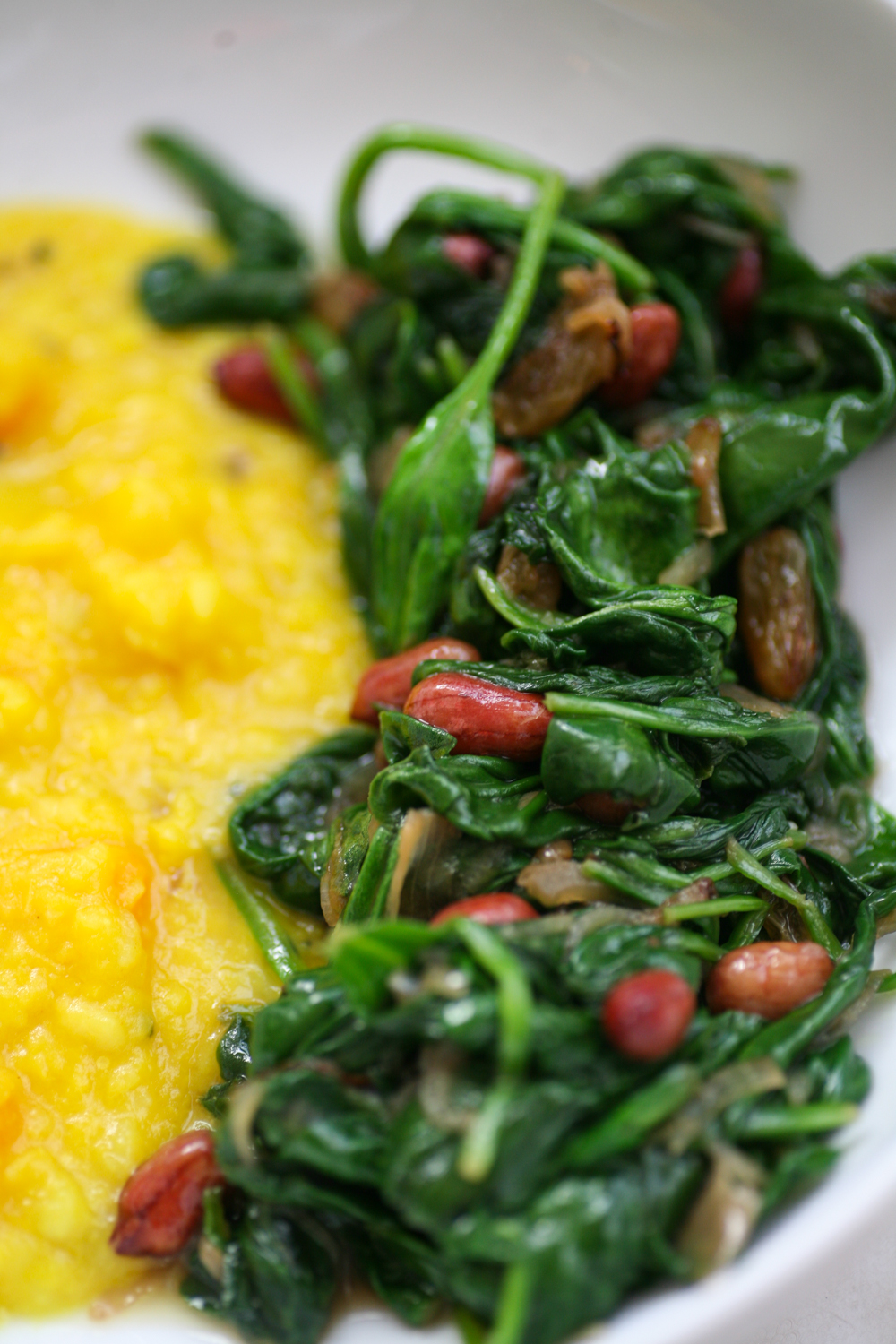
Spinach with Shallots, Green Raisins and Red Peanuts

IMG_2055

My latest addiction is spinach.

I know I know how crazy do I sound? I’ve always liked it mind you, but of late it’s gone up a notch or two. It’s probably my body screaming at me that ‘I NEED MORE IRON‘.

 I’m happy to eat it in all its incarnations for breakfast, lunch or dinner. It’s super versatile and is cooked quicker than the time it takes to get your bowl/plate and cutlery together.

IMG_2046

Recently I visit a local eatery called ‘The Little Taperia‘ in Tooting in the strip, which is fast becoming increasingly hip and cool. Sitting next to Soho House’s ‘Chicken Shop’ and virtually opposite the newly established the ‘Trafalgar Arms’, ‘The Little Taperia’ offers Spanish tapas at it’s best; I could literally eat the whole menu. It was packed on my visit with a wonderful buzz to the place. The decor (love the floor tiles) and general vibe was conducive to a relaxed, memorable evening, so if you have not yet been I urge you to get down there and experience it for yourself.
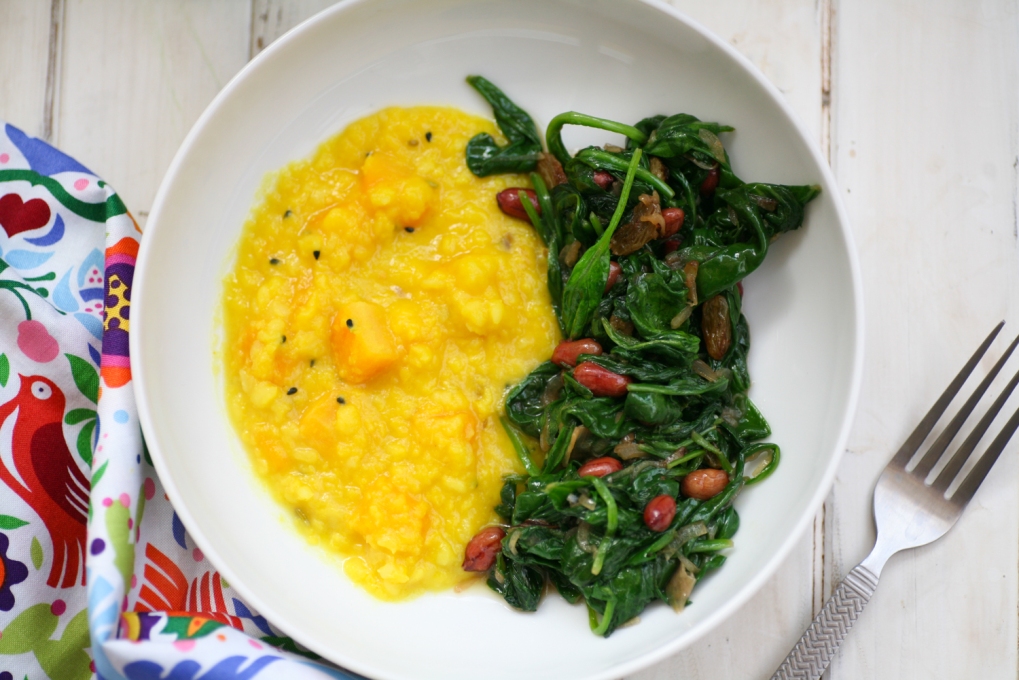
IMG_2046

Back to the spinach. You are probably wondering where spinach and ‘The Little Taperia’ fit together.  Well it was there that I ate a delicious spinach dish that inspired me to create my own version of the dish for you today. They used pine nuts and I can’t recall if they added raisins but I’m thinking they did as the dish had a subtle sweetness, which I don’t think was coming from the onions alone – but may well have been. Needless to say the dish was utterly delicious and I think the one that I have created for you equally hits the spot.

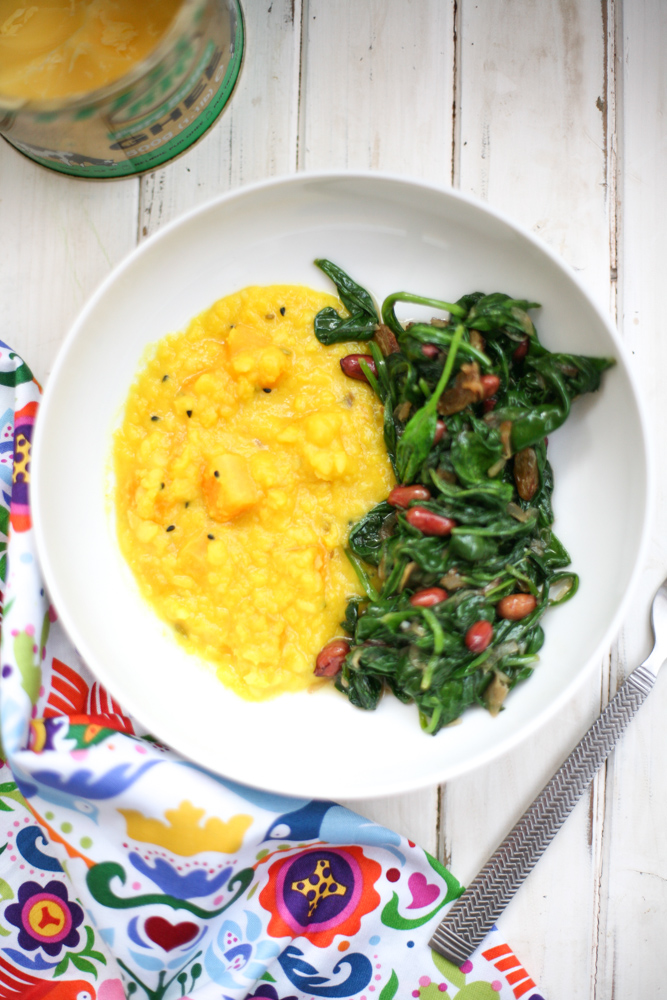
I’ve eaten it on a few occasions since and this time I accompanied it with my Indian dal with butternut squash. I don’t actually have that recipe up on my blog but a very similar one using marrow can be found here.

IMG_2049

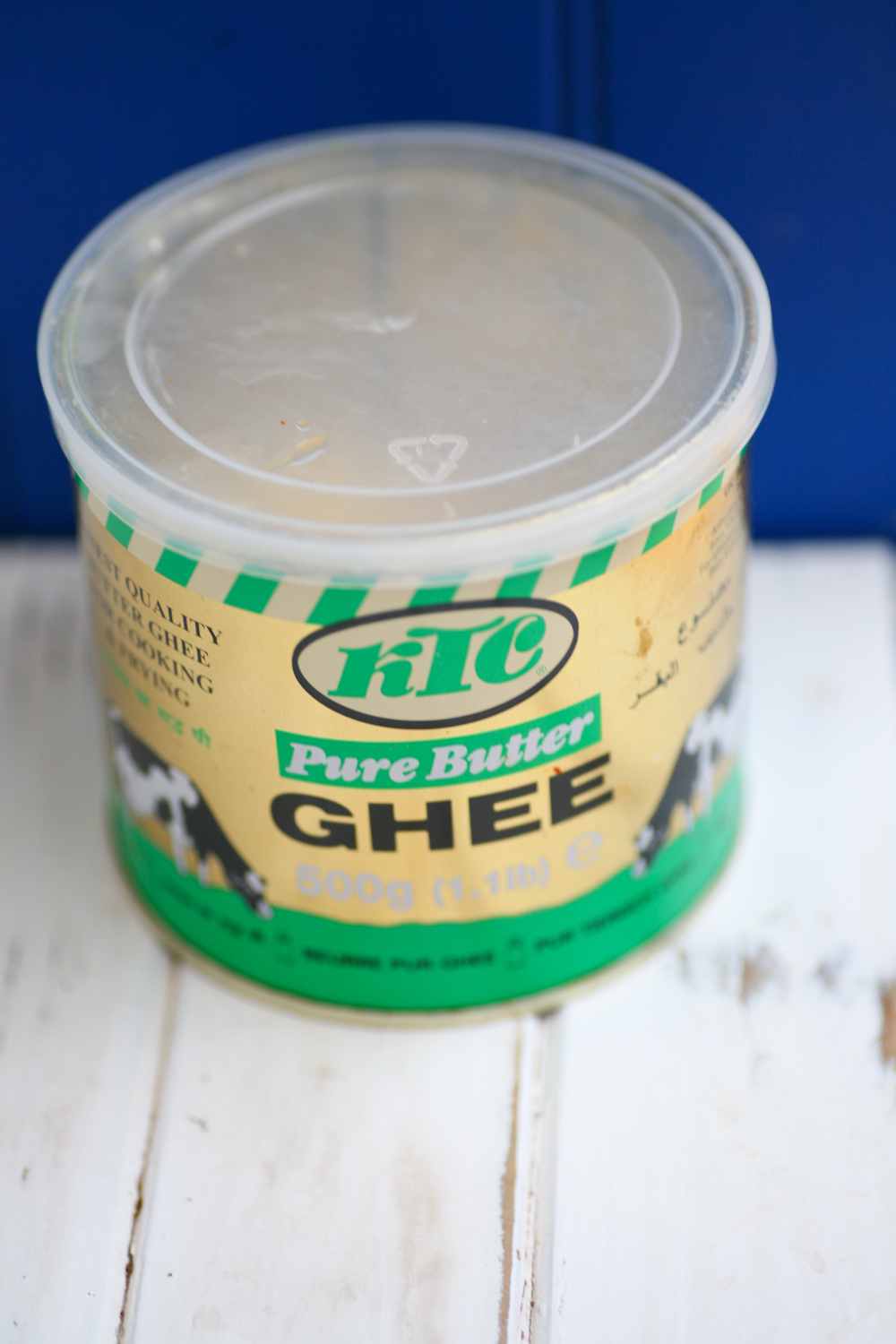
I add a dollop of ghee – clarified butter – on the top but if you are off diary or watching your waist line then just omit that part.

Spinach with Shallots, Green Raisins and Red Peanuts

2 tbsp light olive oil

2 banana shallots, finely sliced

pinch of salt

35g red peanuts (works out to be a handful)

35g green raisins (works out to be a handful)

240g fresh spinach

1 tbsp ghee

  1. Heat a pan with the oil and when it is medium hot add the banana shallots and pinch of salt and leave to soften and begin to bronze, which will take around 5 minutes.
  2. Add the green raisins and red peanuts and move around the pan. After a minute add the spinach.
  3. Place a lid the pan so that the spinach wilts. After a minute give a stir and then add the ghee. Let it melt and then serve immediately.

It is perfect with meat or fish but in this instance I ate it with some of my butternut squash dal, which was hit the spot for a delicious vegetarian supper. My butternut squash dal is similar to my marrow dal but uses butternut squash instead of marrow. Check it out here.

IMG_2041


Coconut Chutney (and a top tip at removing a coconut shell)

IMG_1775

Have you ever had trouble getting into a coconut or rather removing the outer shell so that the sweet flesh within is easy to tuck into? If you have then you are going to love the following tip.

All you need to do is the following:

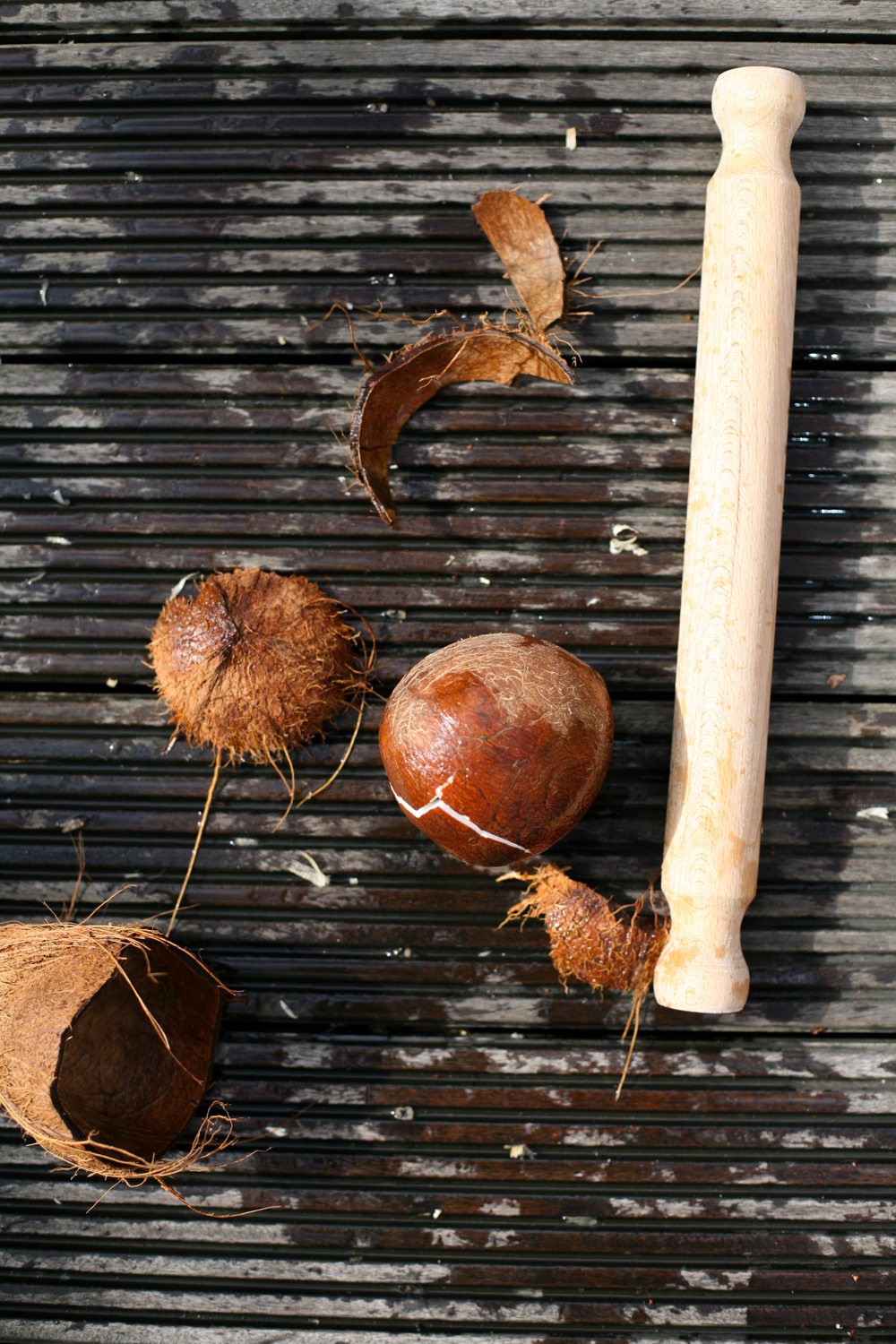
  1. Place the coconut in the freezer for 30-45 mins.
  2. Remove from the freezer and then use a rolling pin to bang down on the coconut whilst holding it in your other hand. The outer shell will break away.
  3. Easy hey!

IMG_1751

Drinking the coconut milk is a whole lot easier this way I find.

So on to the coconut chutney.

Once you have the naked coconut you then need to peel it – the outer skin comes away so easily. Then it is simply a matter of grating the coconut.

IMG_1759

Using a whole coconut does produce a lot of coconut chutney, but I find it lasts for up to a week in the fridge no problem. A dollop on the side of some spiced semolina – upma, from my previous post, works wonders or equally it would be great with any south Indian curry. In southern India they eat coconut chutney as part of breakfast, lunch or supper so if you take a similar attitude it will be used up pretty fast!

IMG_1768

Coconut Chutney

1 coconut

2 tbsp chana dal, roasted

2 fresh green chillies

*****

tempering

2 tbsp vegetable/coconut oil

1/2 tsp black mustard seeds

1/2 tsp cumin seeds

pinch of asafoetida/hing

2 dried red chillies

7 curry leaves

1 tsp salt

  1. Remove the shell from the coconut by placing it in a freezer for 30 minutes and then banging down on it carefully with a rolling pin.
  2. Remove the skin from the coconut using a potato peeler and then grate the coconut.
  3. In a frying pan dry roast the chana dal so they begin to bronze slightly. Let them cool and then use a spice grinder to grind them up.
  4. Place in a smaller blender along with the grated coconut and fresh green chillies. You will need to add a little water to loosen it up (the amount of water added depends on how thick you like your chutney! I tend to use 300ml). Blend to form a smooth paste. Add a little salt to taste.
  5. In a frying pan heat the oil and when it is hot add the mustard and cumin seeds, the dried chillies, curry leaves and hing. Move around the pan for 20 seconds before pouring over the coconut chutney.
  6. Stir into the chutney and serve.

IMG_1788