Musings on Madrid

I’d been to Madrid fleetingly in the past, but never really got to experience what the city had to offer. It was therefore, with great excitement, that my husband and I decided to spend a long weekend, catching up with good friends, enjoying the local food scene, whilst admiring the incredible art scene that the city has to offer. Unbeknown to me, it also has the most stunning 125-hectare park in its centre called ‘El Retiro’, which is a UNESCO World Heritage. It is beautifully laid out with a boating lake, glass-encased ‘Palacio de Cristal’ and the Prado museum and botanical garden near by. It’s great for walking, cycling, jogging around and I imagine on a balmy summers evening is perfect for a picnic under one of the trees. I loved the calm serenity of the place and the fact that its design had clearly been well thought out. It even felt safe walking through it after nightfall (see photo below). I think it is so important to have beautiful green spaces in cities for locals and tourists to fully enjoy.
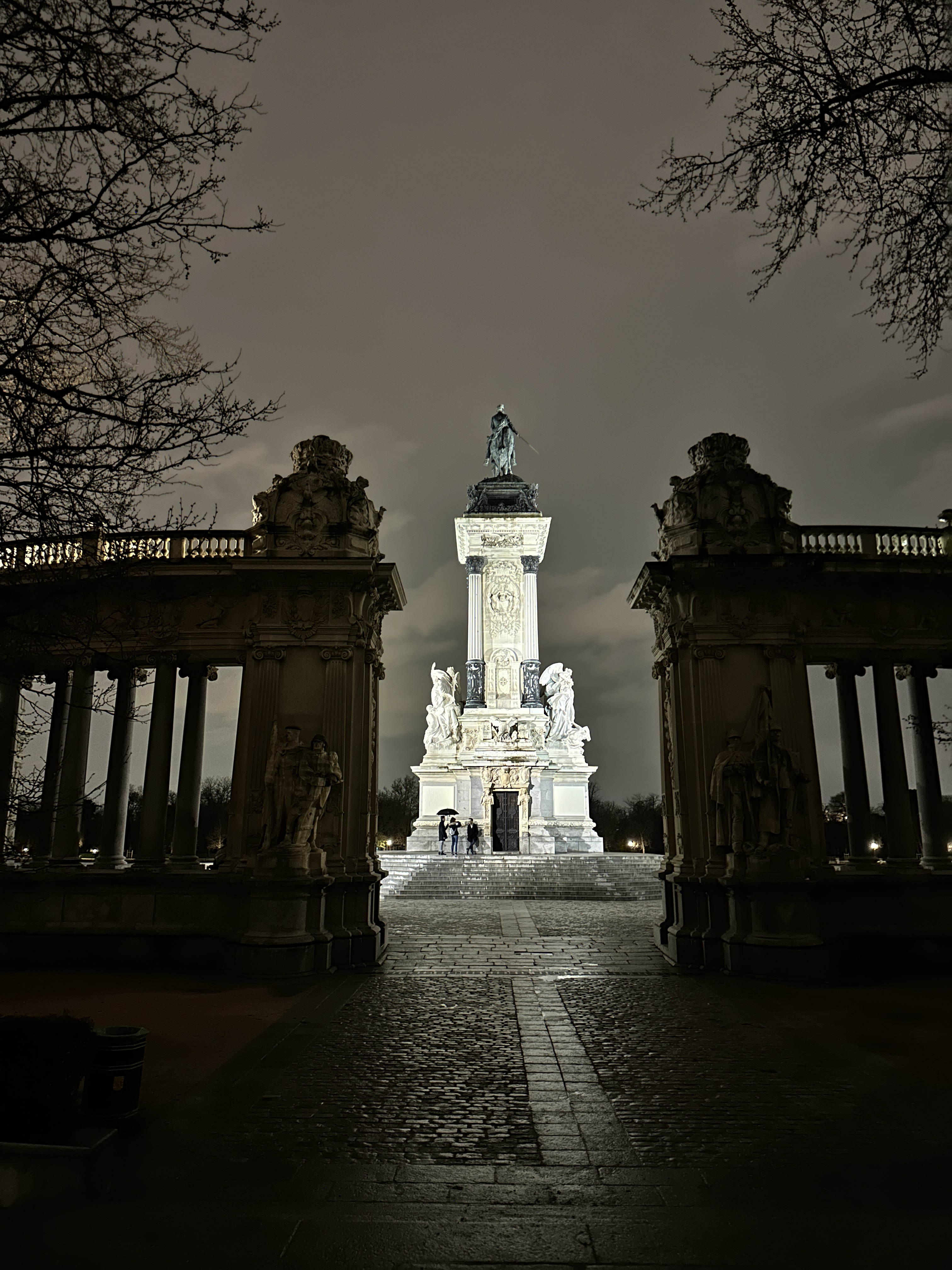
I thought it would be helpful to outline a few of my recommendations, which may be of help to you if you decide to embark on a similar trip.

Let’s start with food (obviously!)
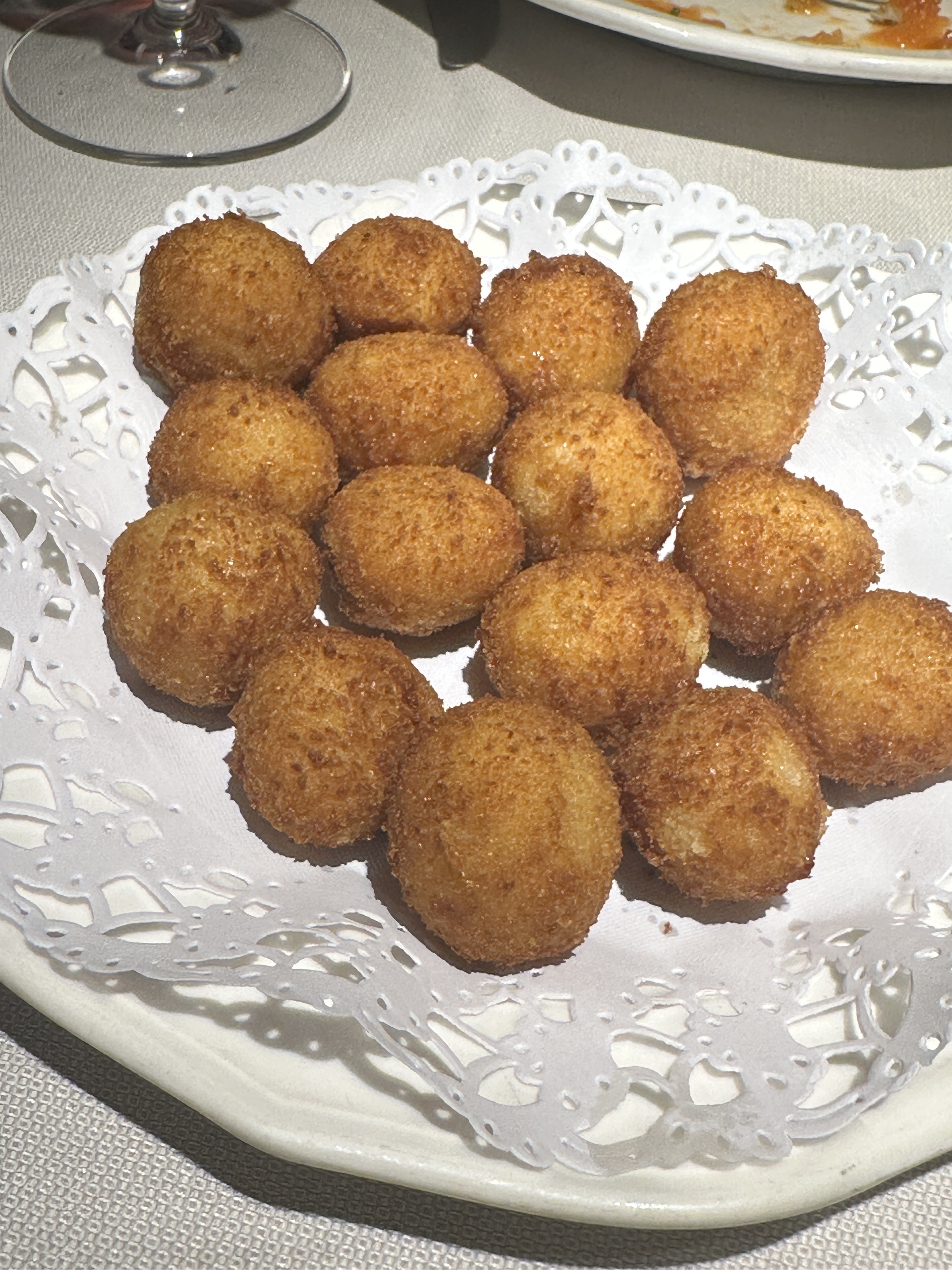
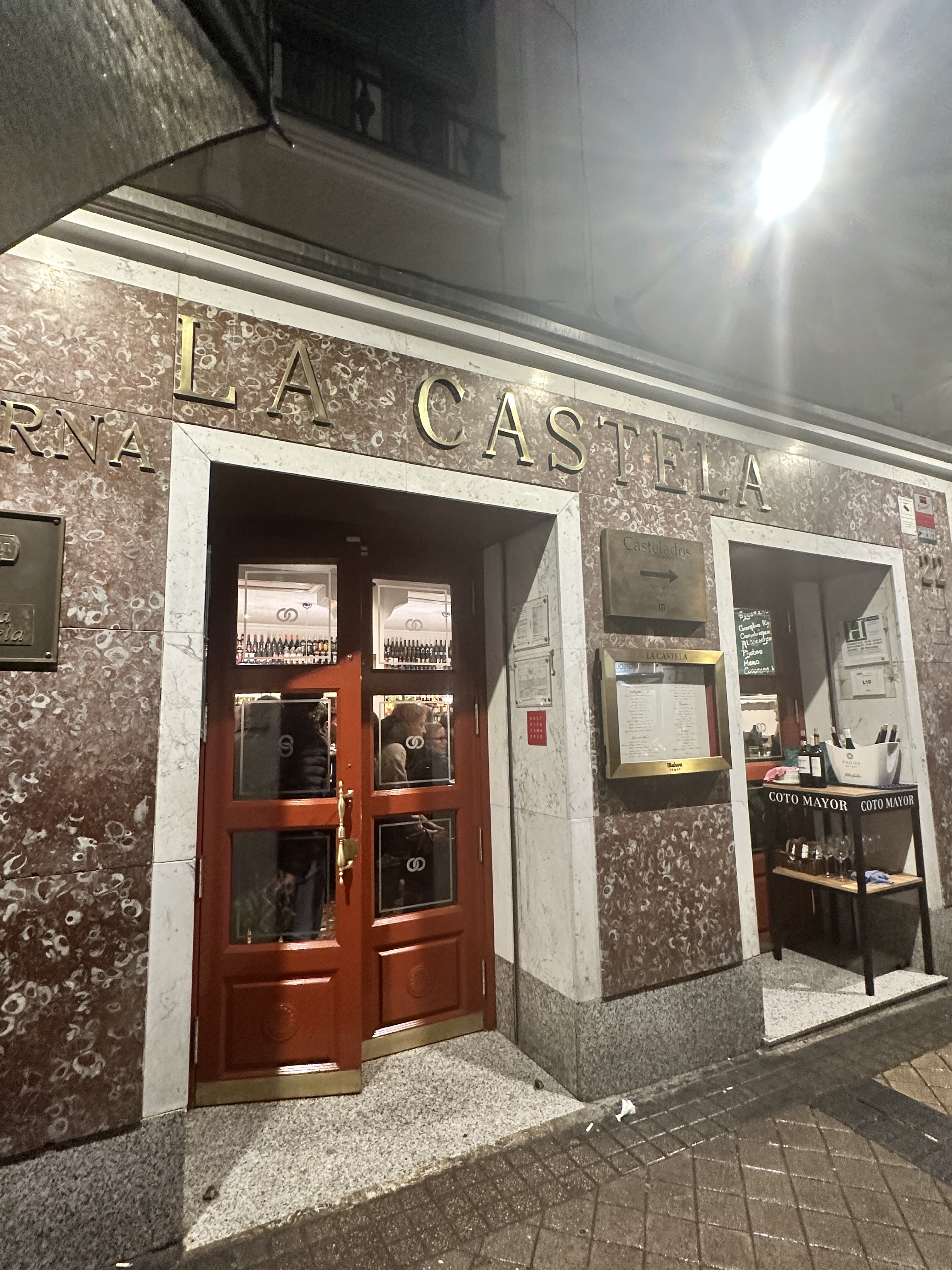
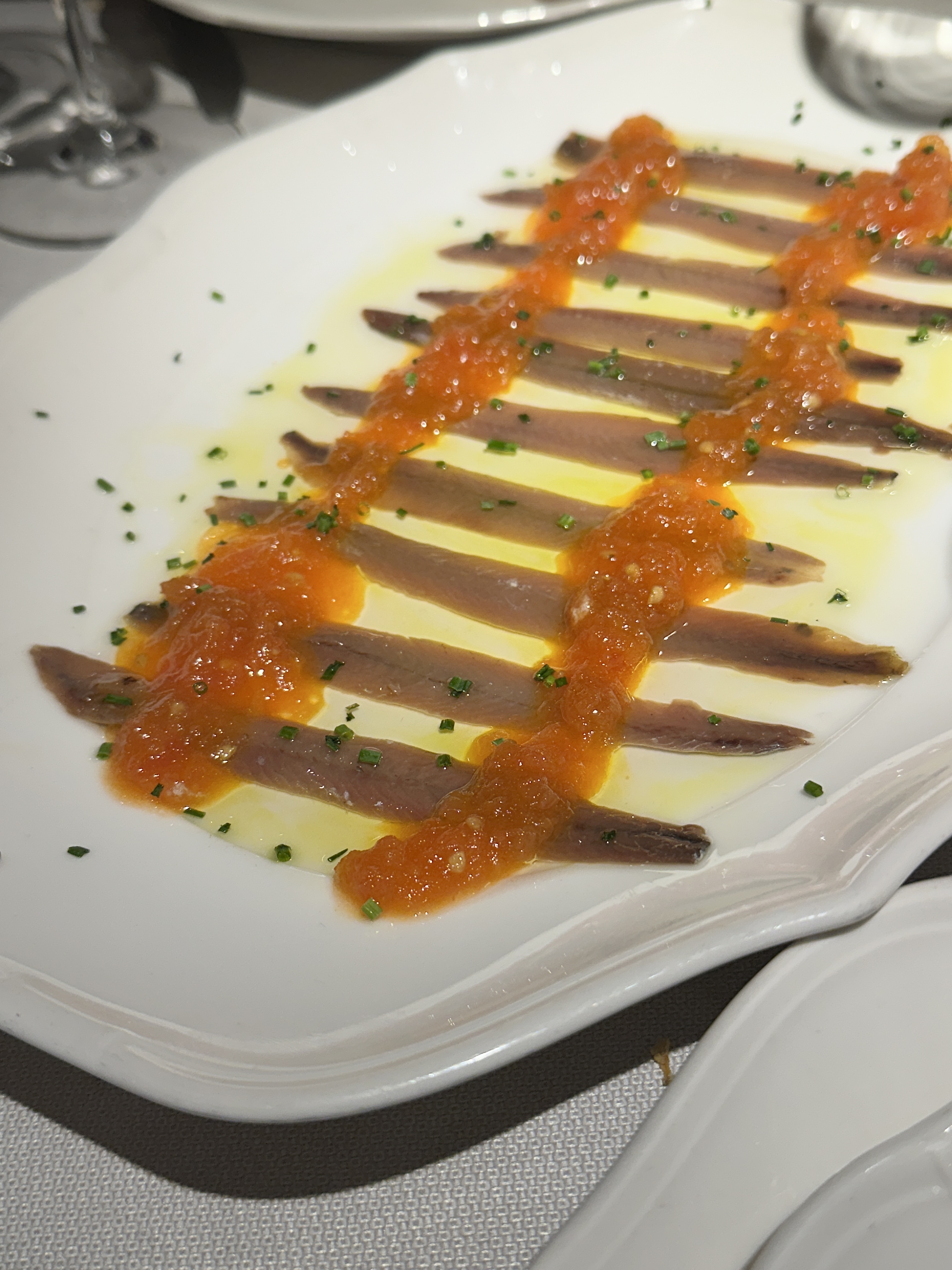
La Castela is an excellent restaurant, located on the eastern side of El Retiro park. At the front is the standing-tapas-bar, which was packed and buzzing and the restaurant is at the back (you need to book the restaurant) with elegant madrileños seated at tables with starched white cotton tablecloths. There was a definite friendly vibe and the food offering was delicious. Our Spanish friends booked this for us all as our welcome to Madrid supper and it definitely hit the mark in spades. Apparently Michelle Obama bought her daughters here when she was visiting Madrid!
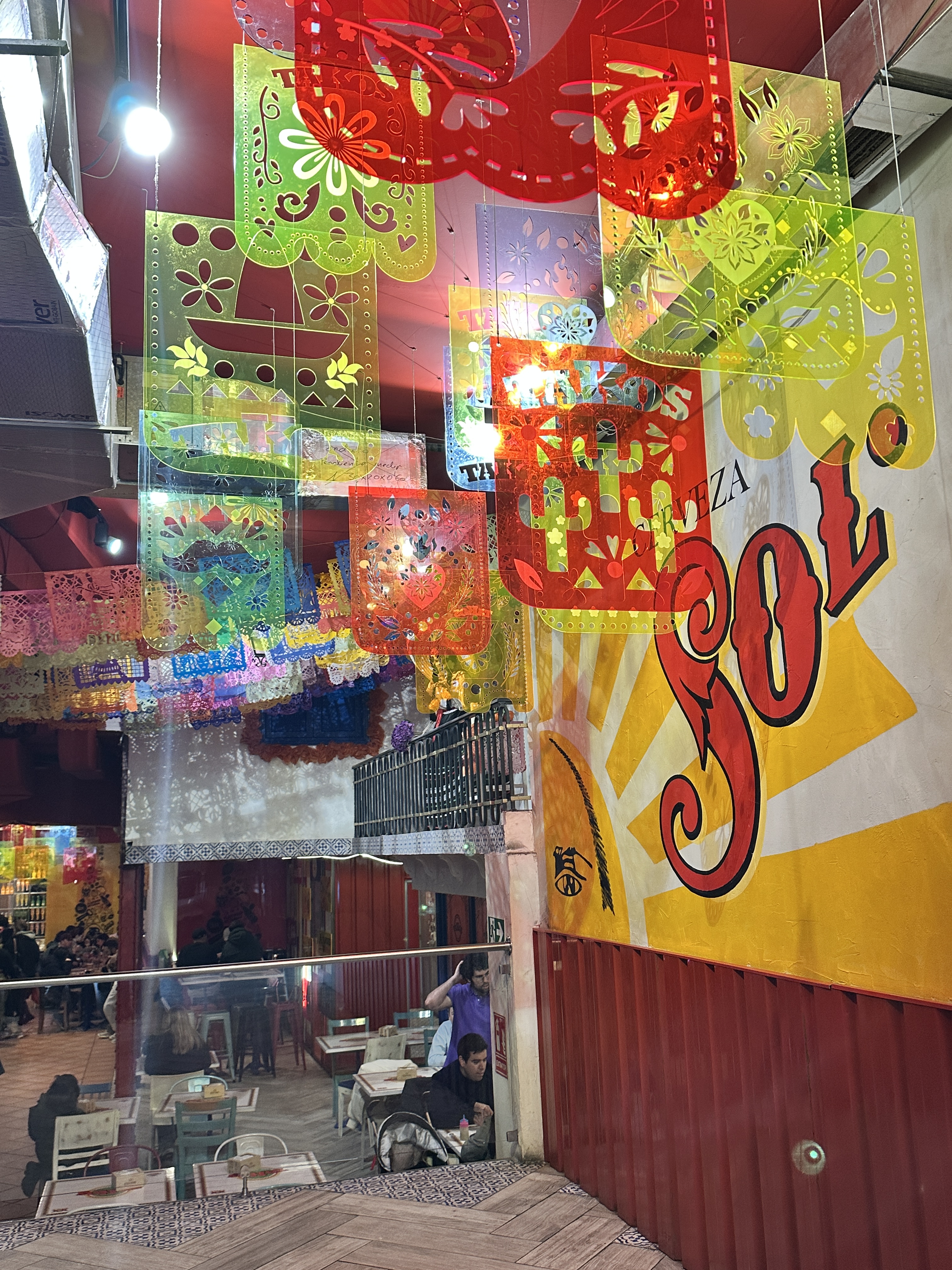
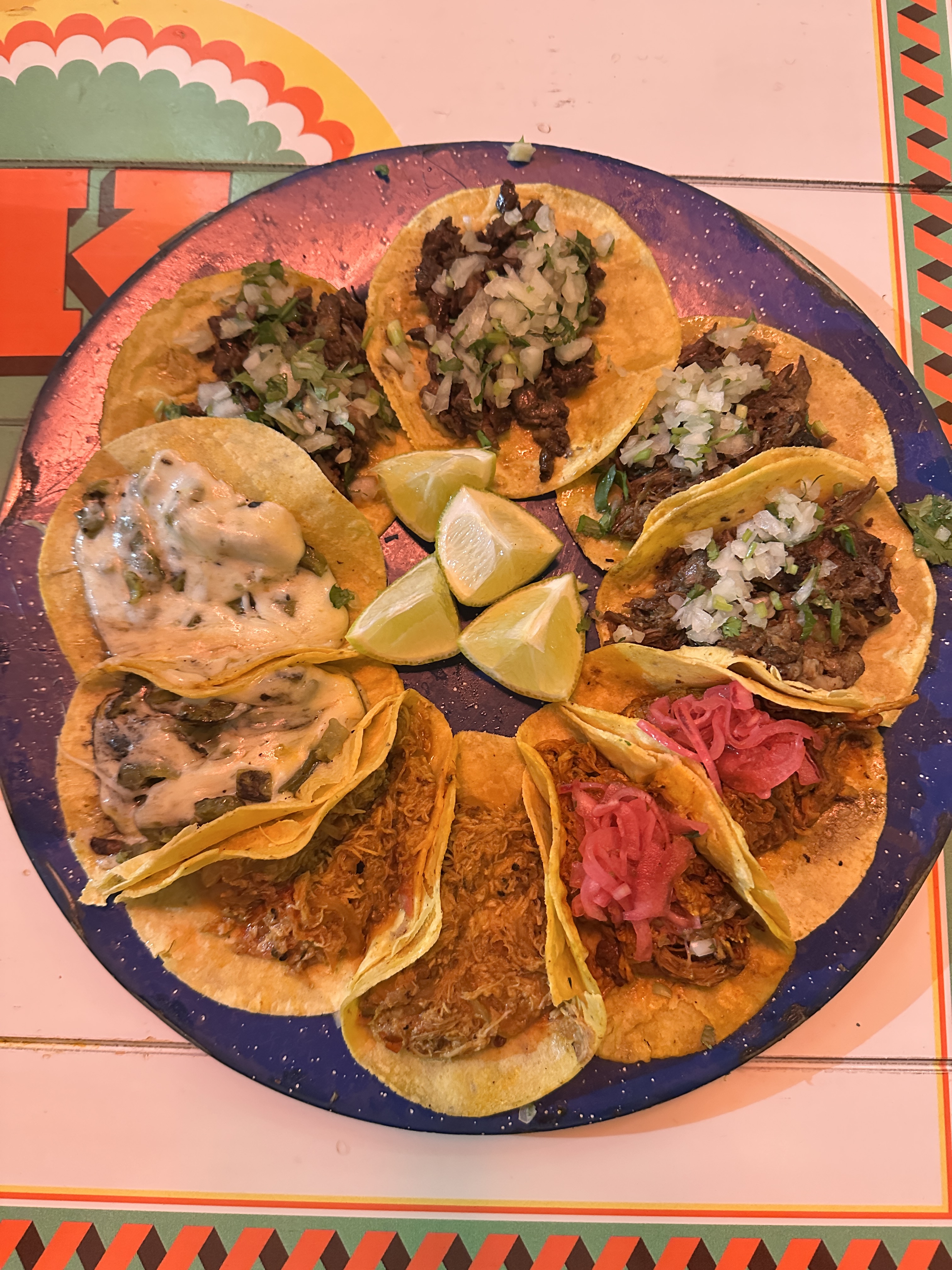
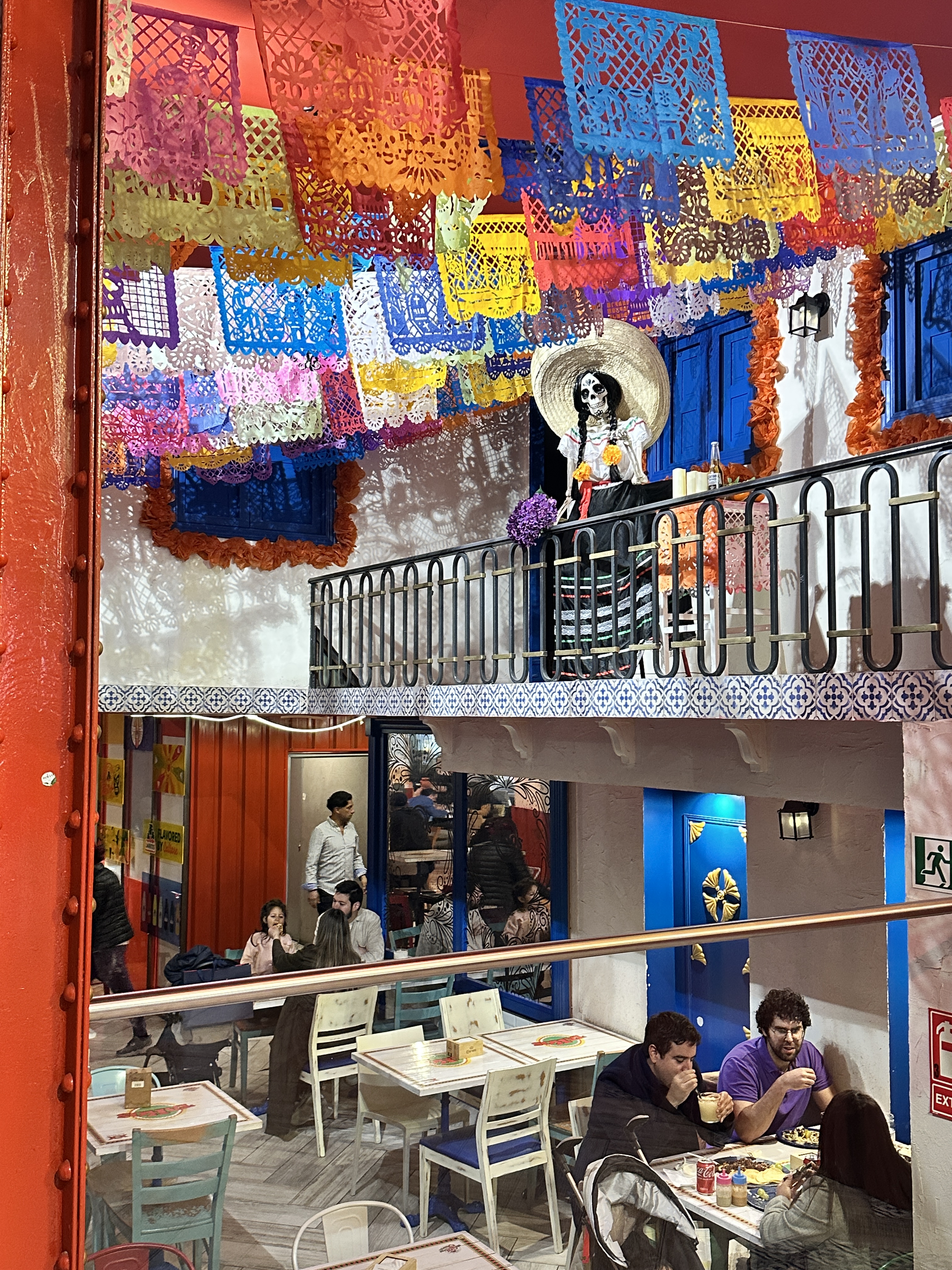
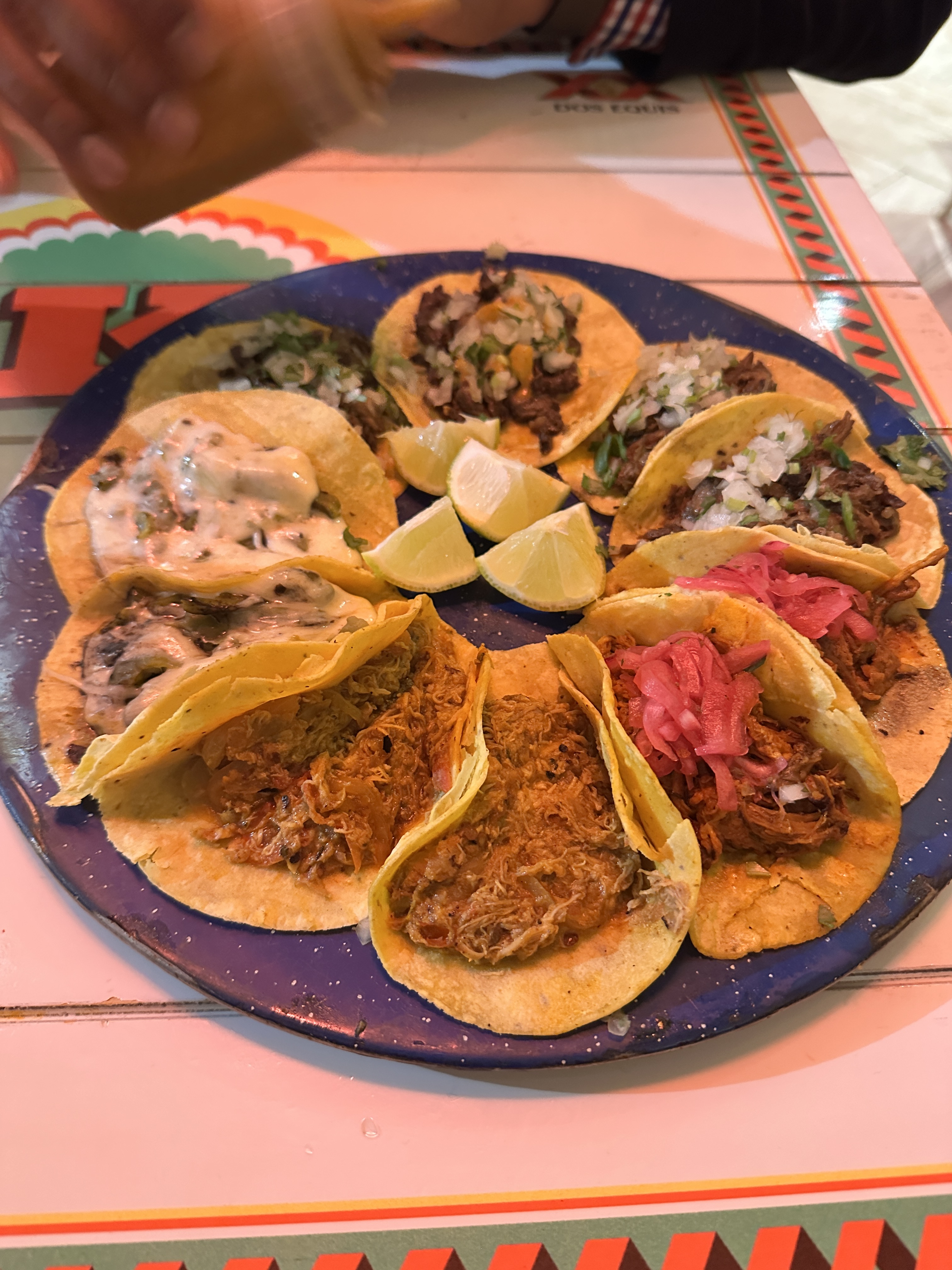
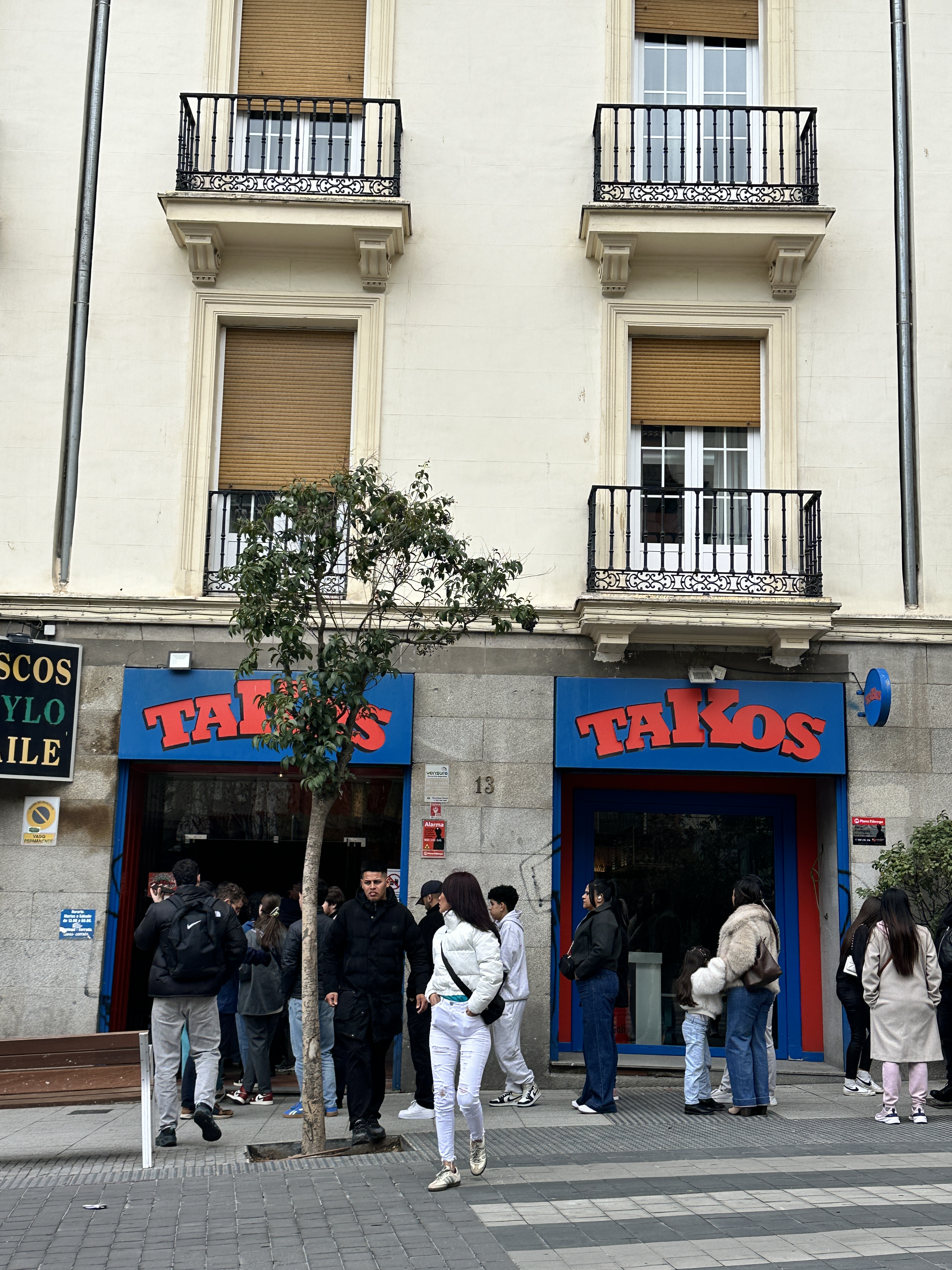
One of our Spanish friends happens to be half Mexican, so gave us one of his favourite tacos recommendations for lunch one day. It is called Takos Al Pastor and provided us with some tasty tacos, which hit the spot. We would have liked some more hot sauces on the tables but that aside we enjoyed this place for a quick bite. Don’t be put off by the queue. It moves quickly and you’ll be seated in about 15 minutes.
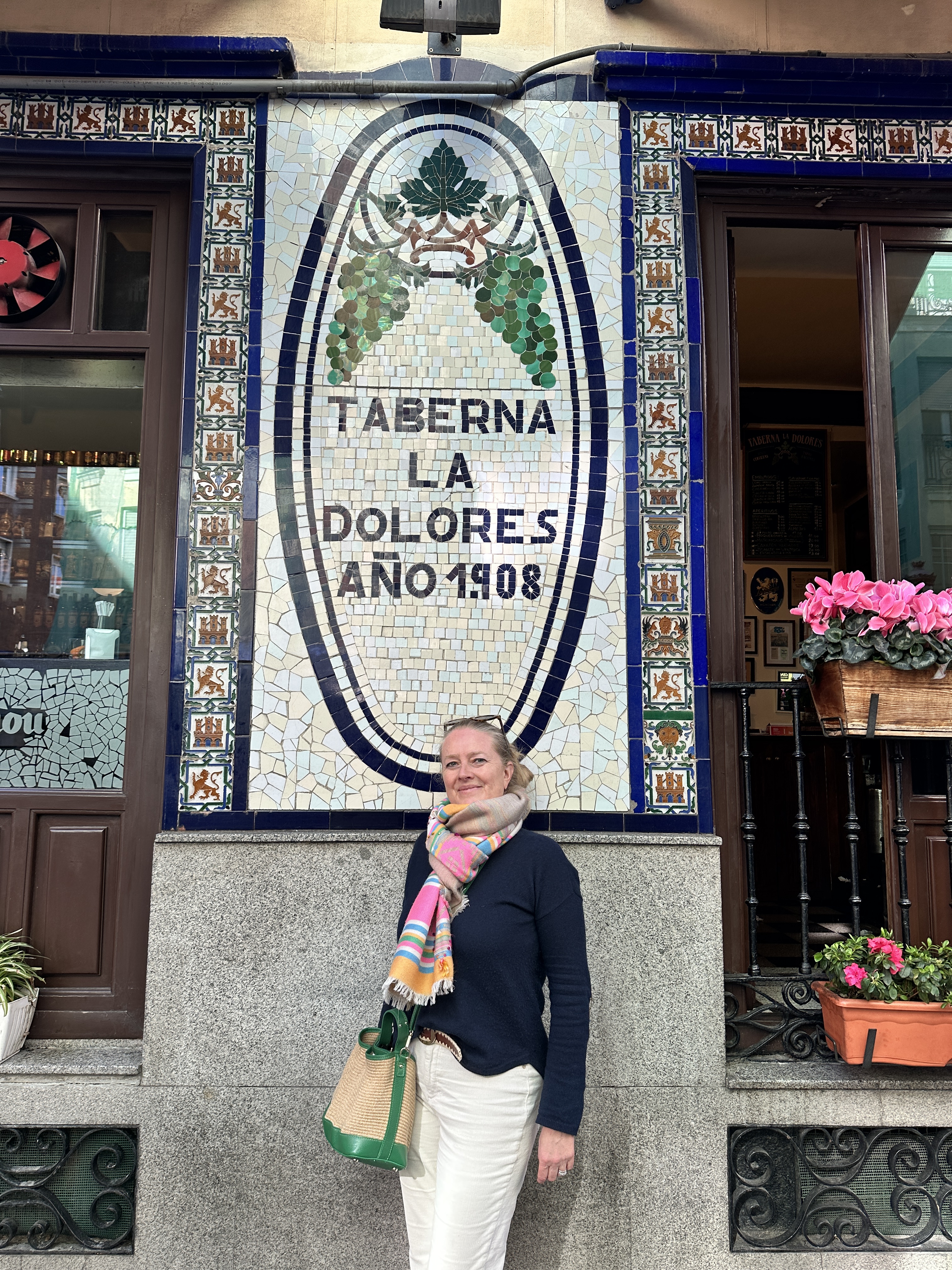
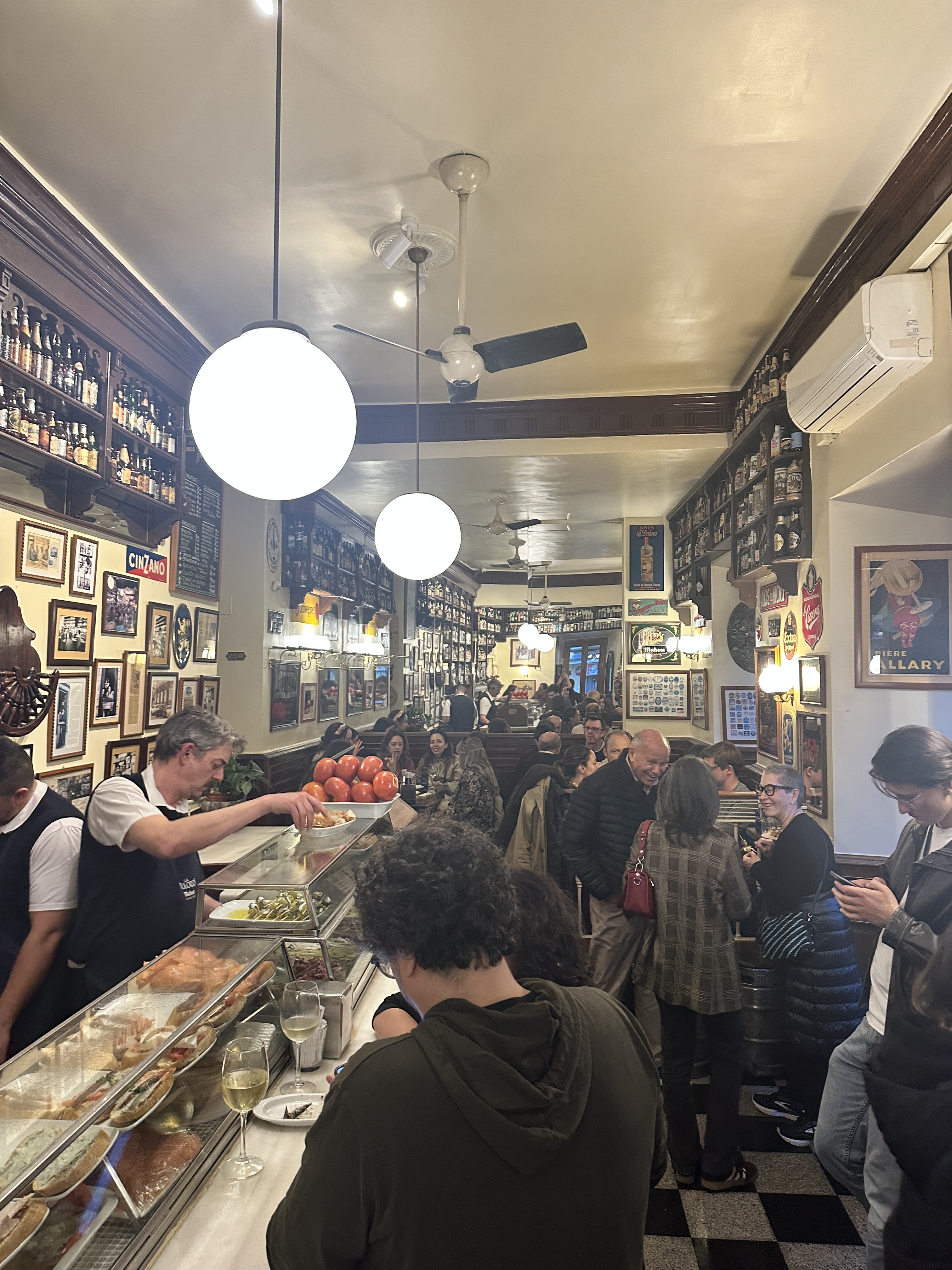
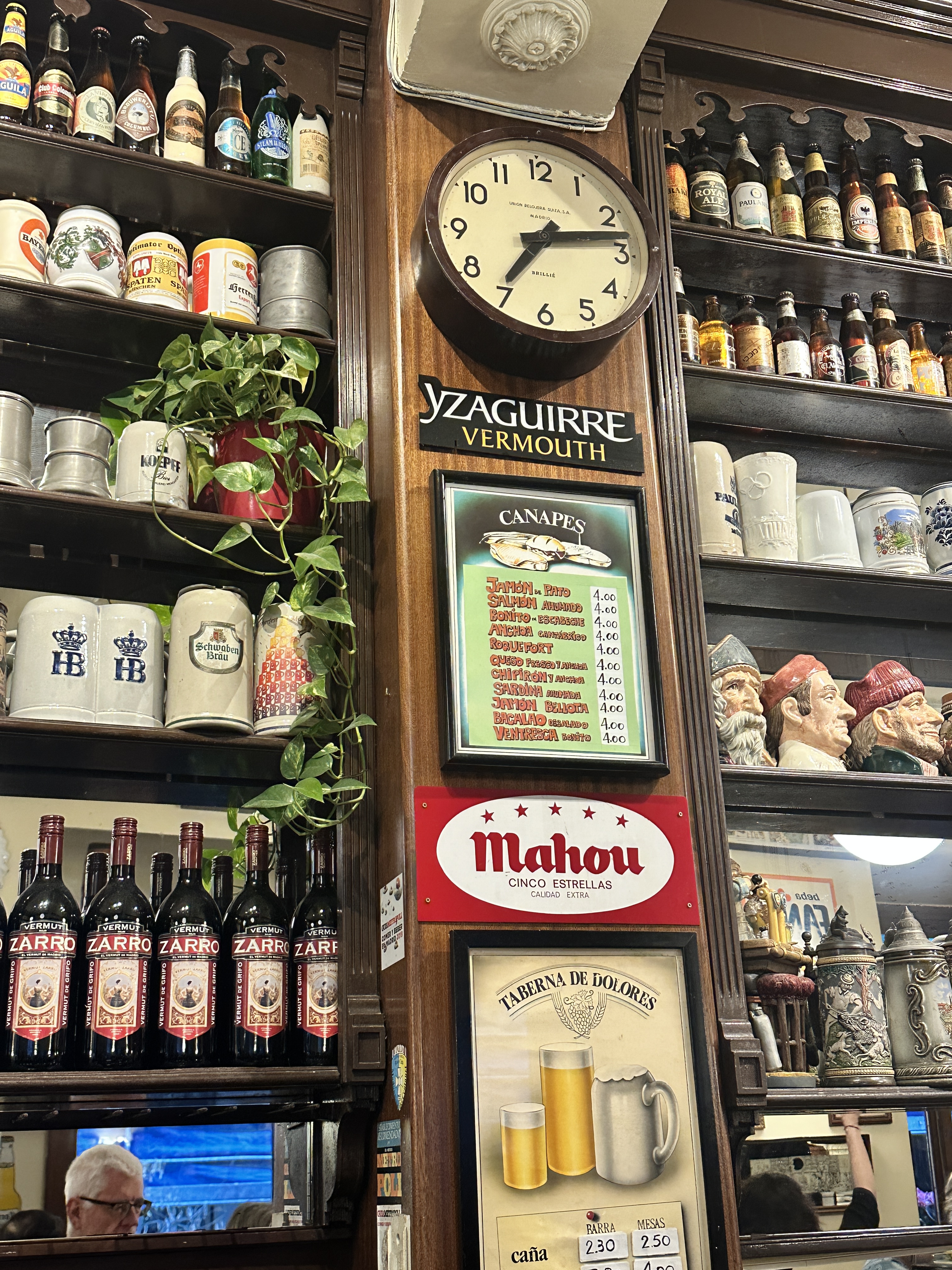
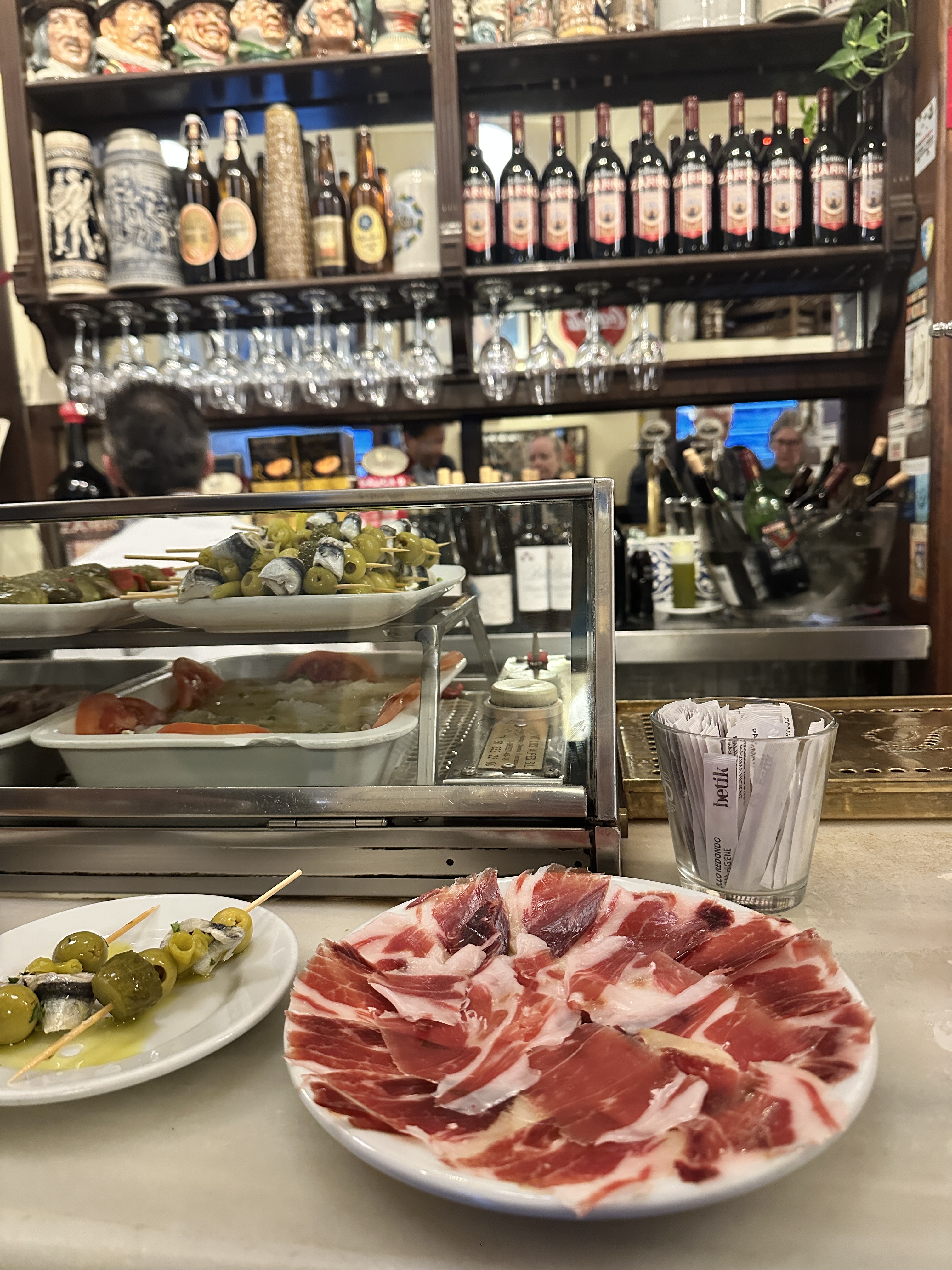
Taberna La Dolores is a vibrant tapas bar nestled in the heart of Madrid at Pl. de Jesús, 4. It was the perfect pitstop after the Thyssen (my favourite art gallery in Madrid). It served some delicious pintxos and tapas, and the place was full of old Madrid charm.
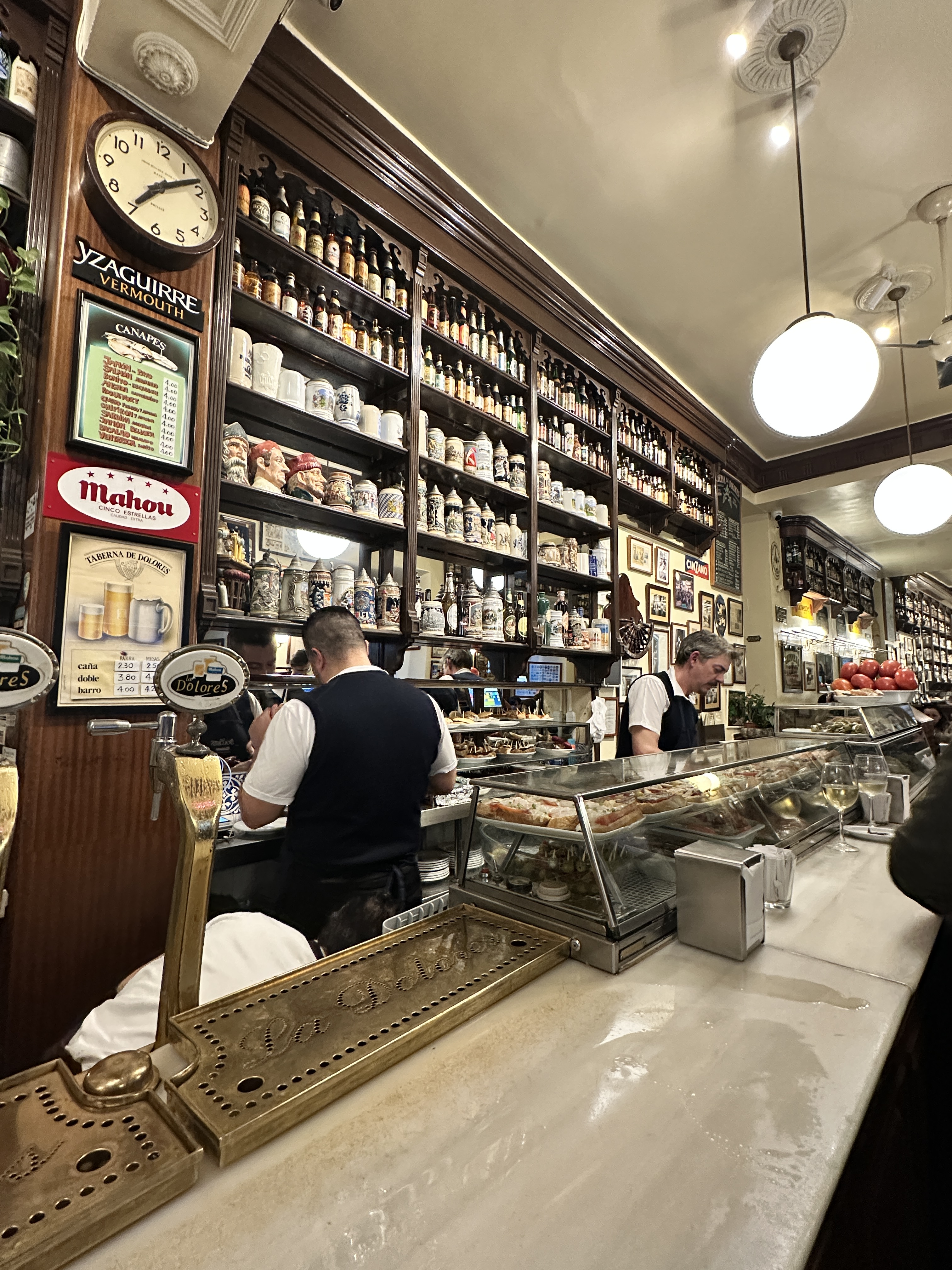
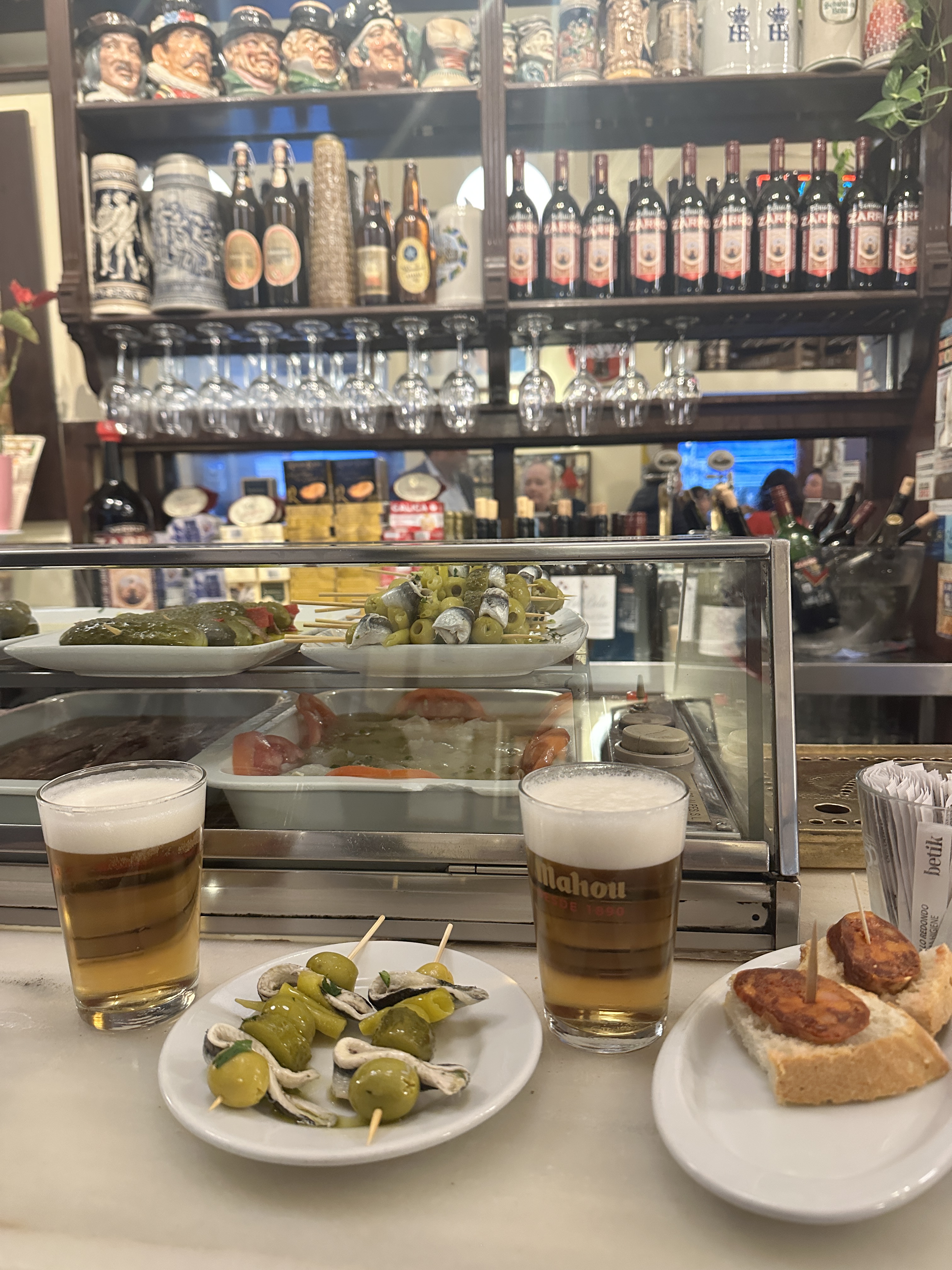
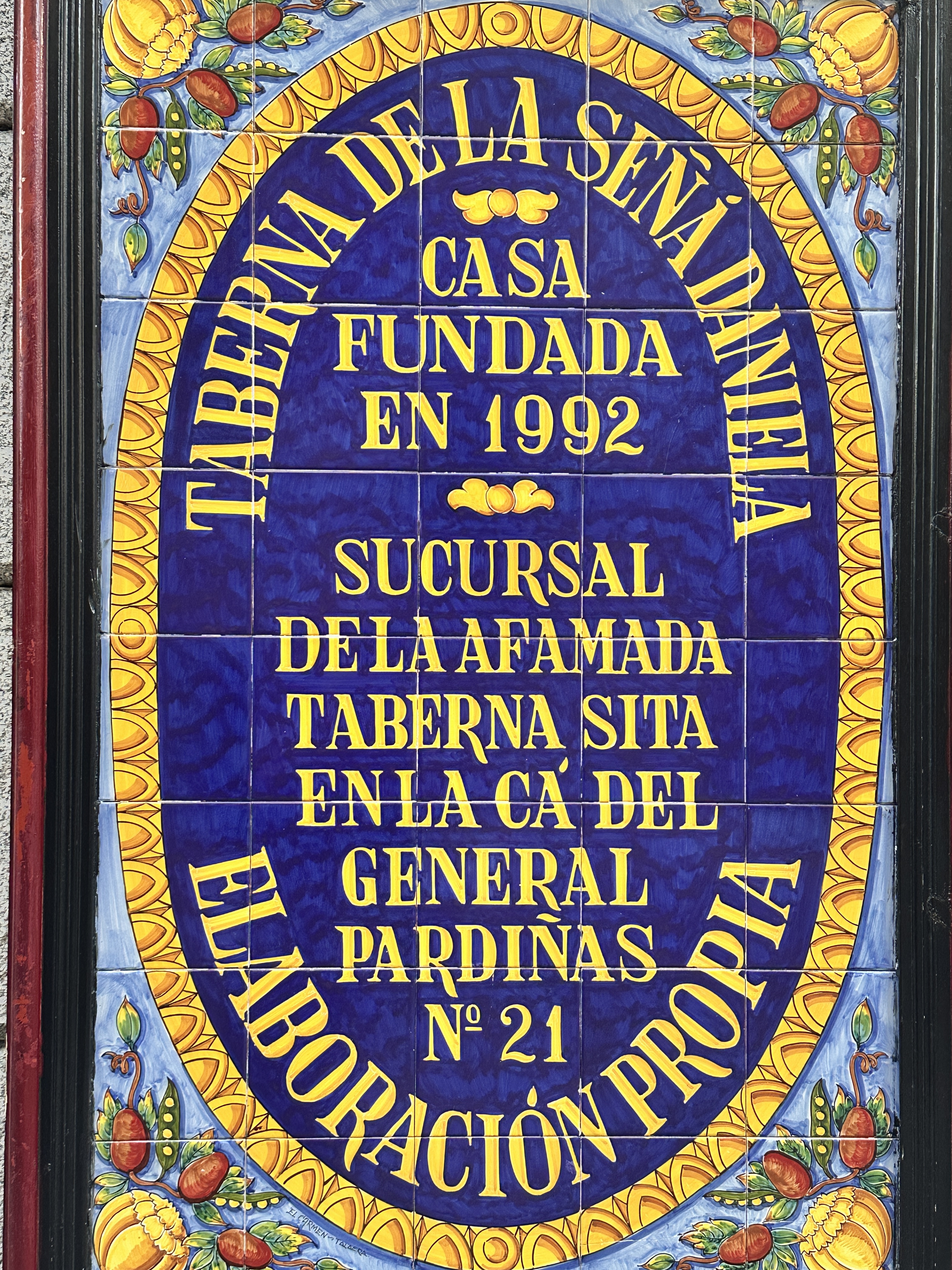
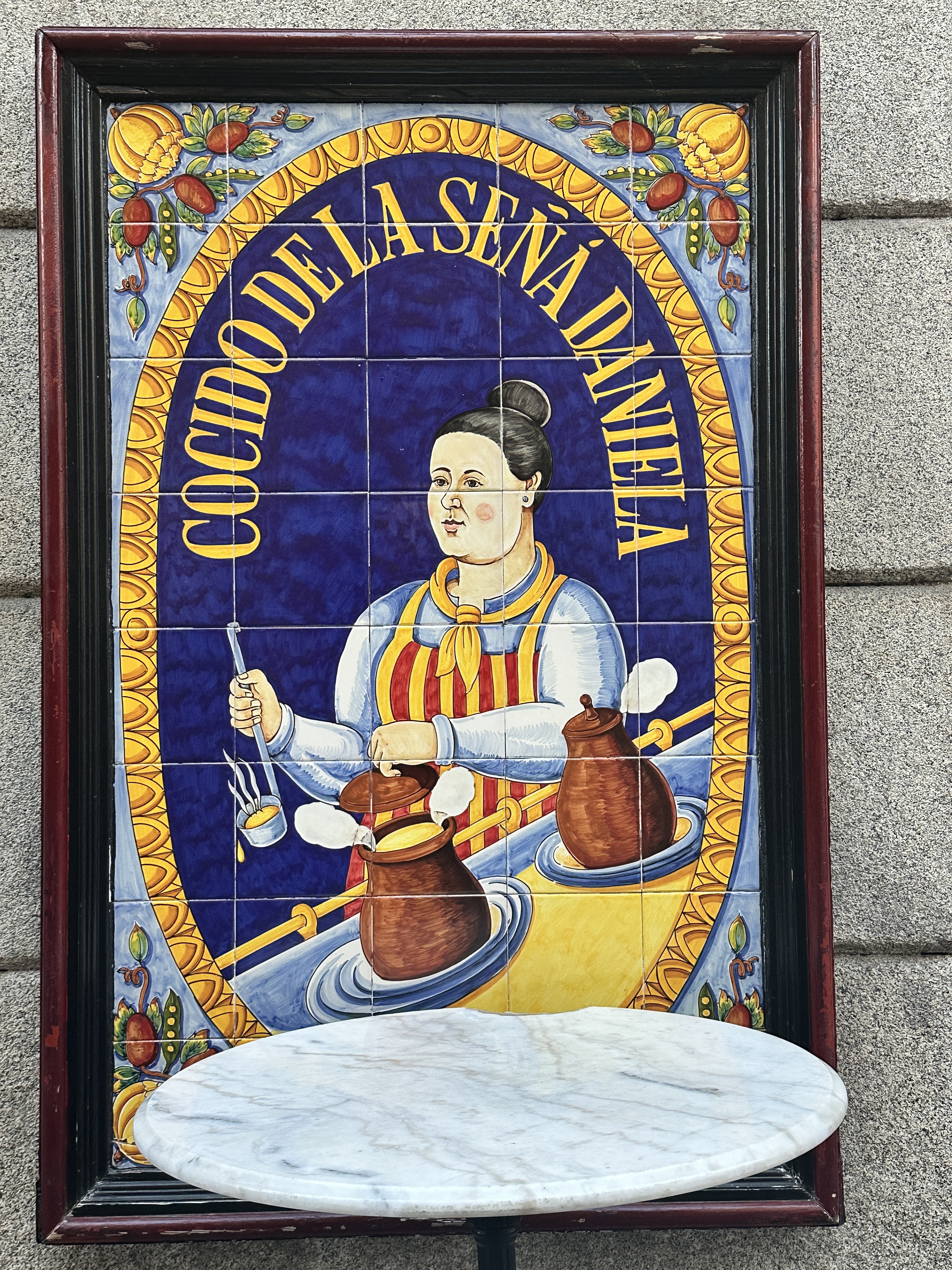
Taberna De La Señá Daniela (I did a reel about this place on my instagram so do check it out for more idea of the ambiance of the place)

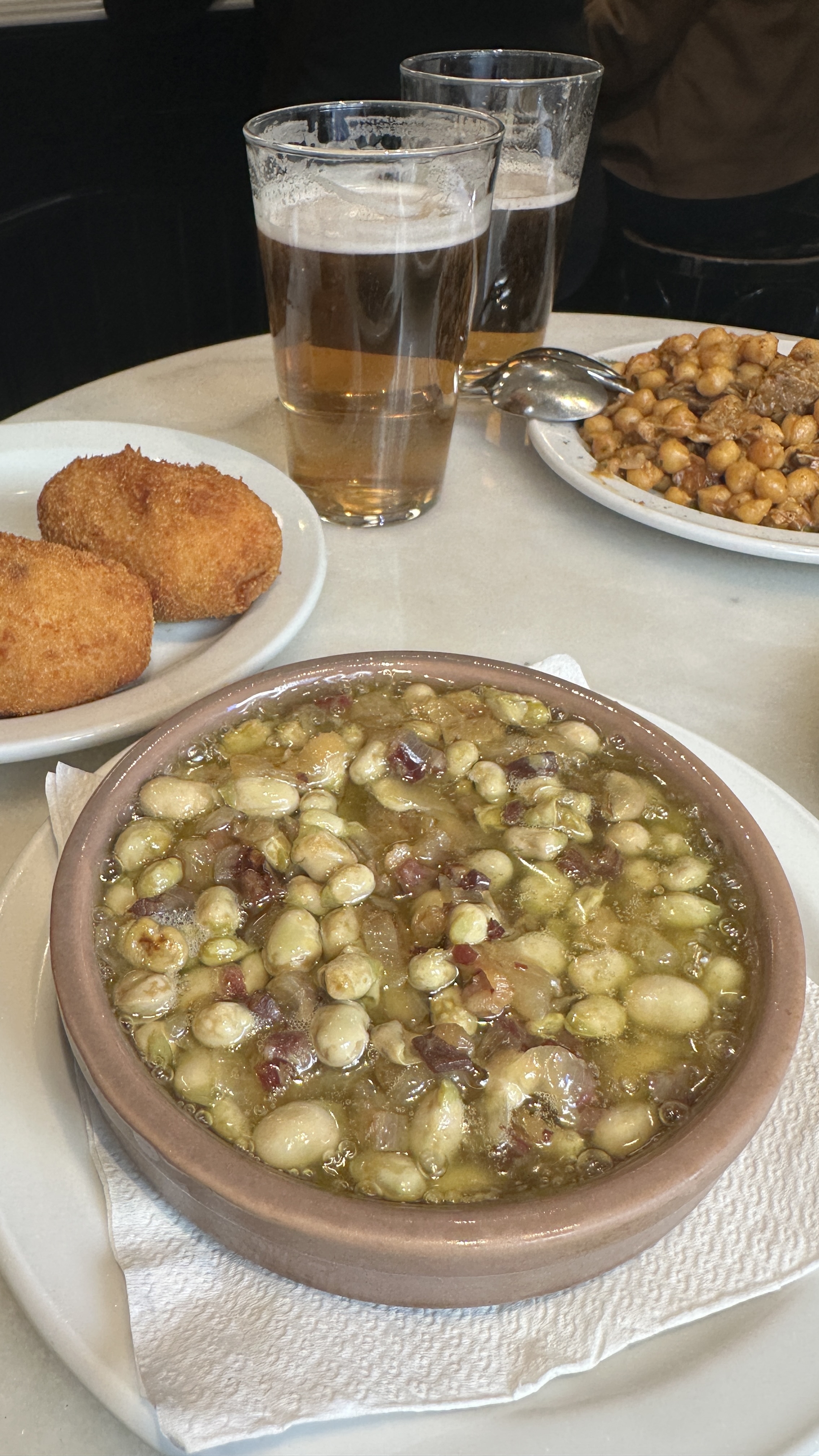
Our plan was to sit in the restaurant part of this establishment, for a more leisure lunch, but alas we were only given the option of tapas at the bar as we arrived quite late for lunch. So we perched on high stools and chose some tasty eats to give us a send off before we headed off the airport. There was a distinct absence of green vegetables, however we did order some tasty broad beans, bubbling in olive oil with jamon; most things tended to come with some pork product too. The croquetas de jamon were huge, piping hot and delicious.
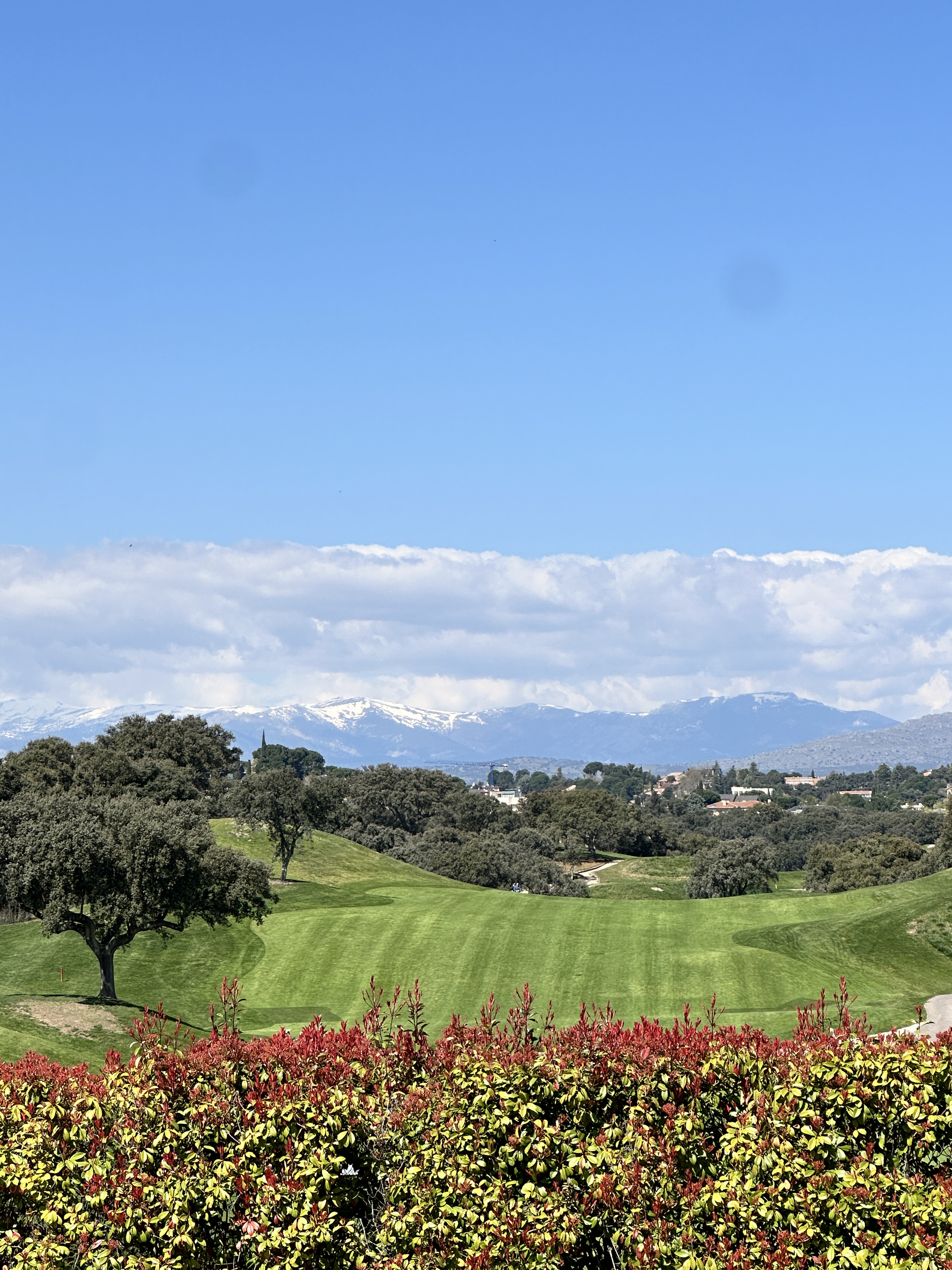
One day we went for lunch with our friends at their country club outside Madrid. The views of the Sierra de Guadarrama in the distance were spectacular, with snow still clinging to its peaks.
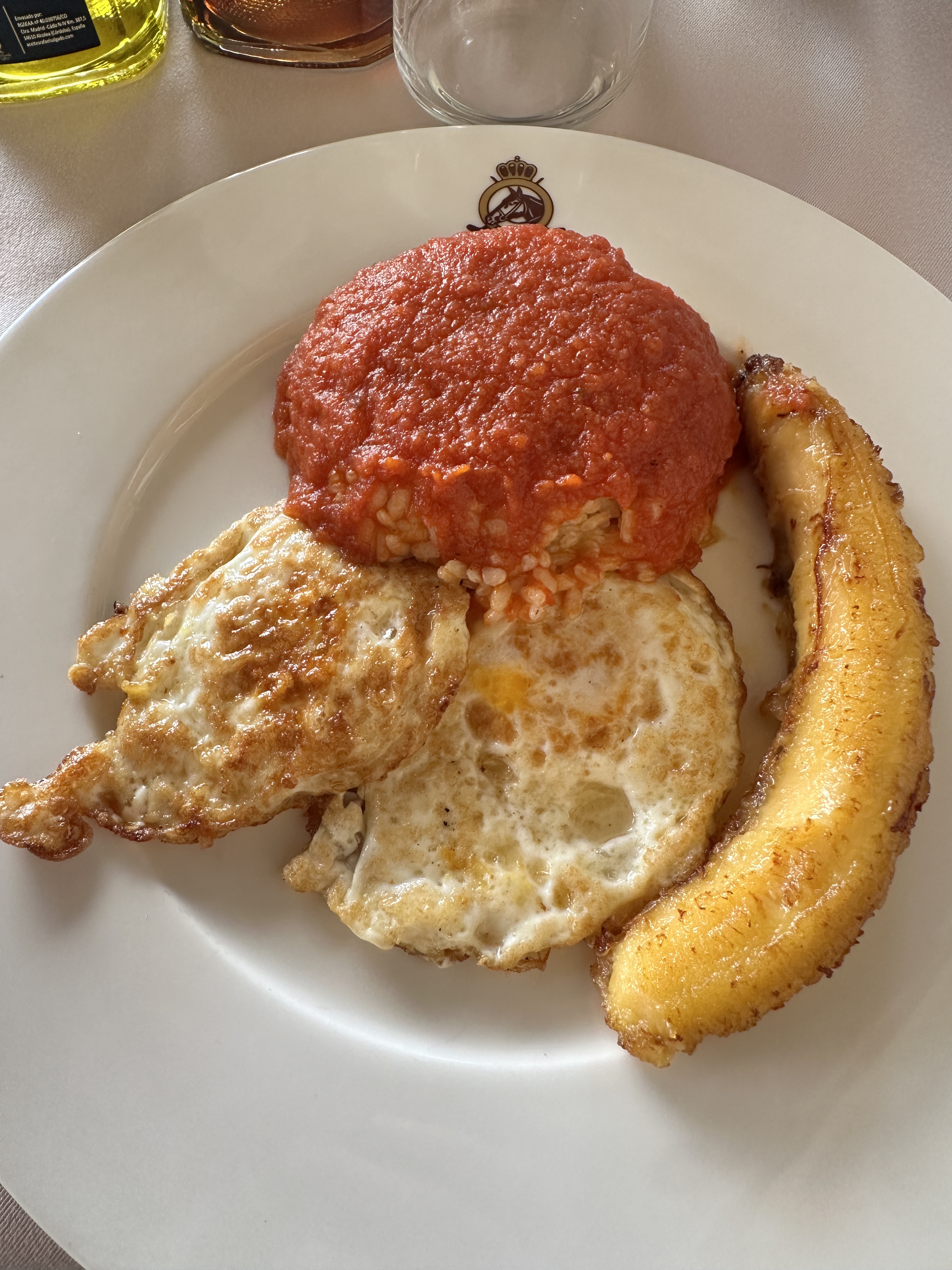
For lunch I was intrigued by one dish our friend chose to eat, which apparently is Spain’s answer to comfort food. It’s called ‘Arroz a la Cuban’ aka Cuban rice and  consists of white rice, fried eggs, tomato sauce, and fried bananas (or plantains). It’s savory-and-sweet combination is popular with all ages – both father and 9yr old son ate the same dish. I’m so intrigued that I plan to make it soon. What are your thoughts on this?
Galleries

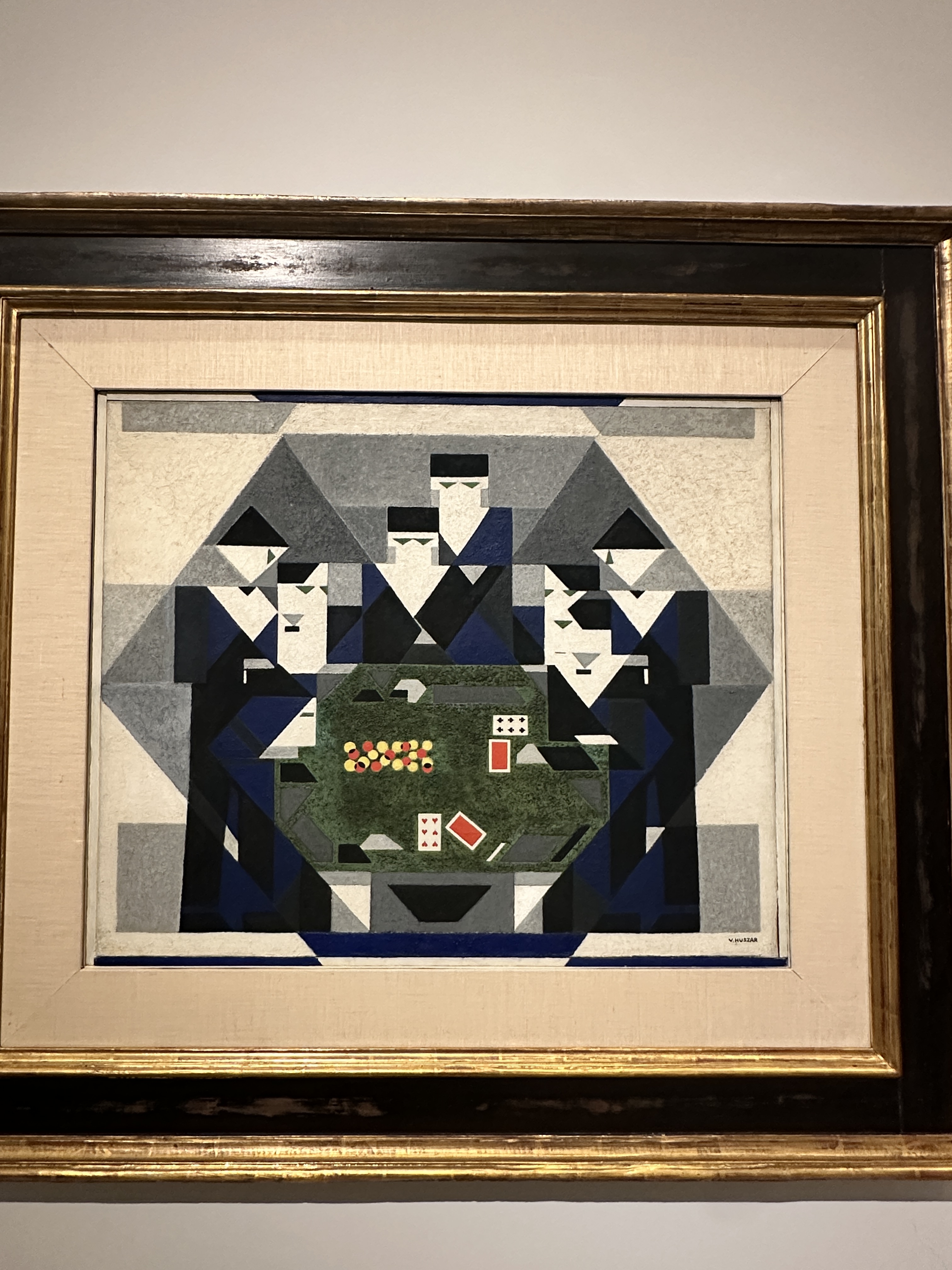
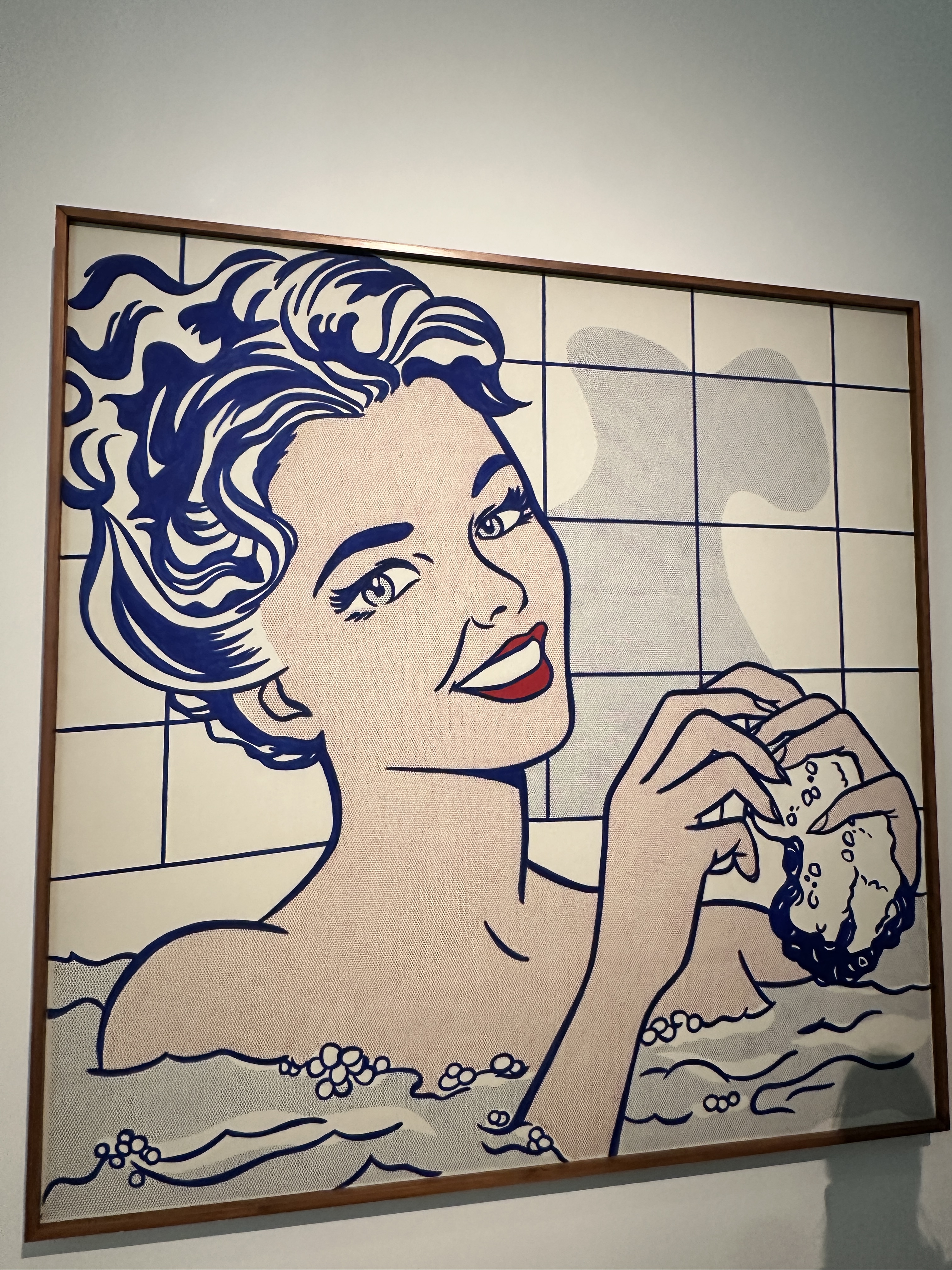
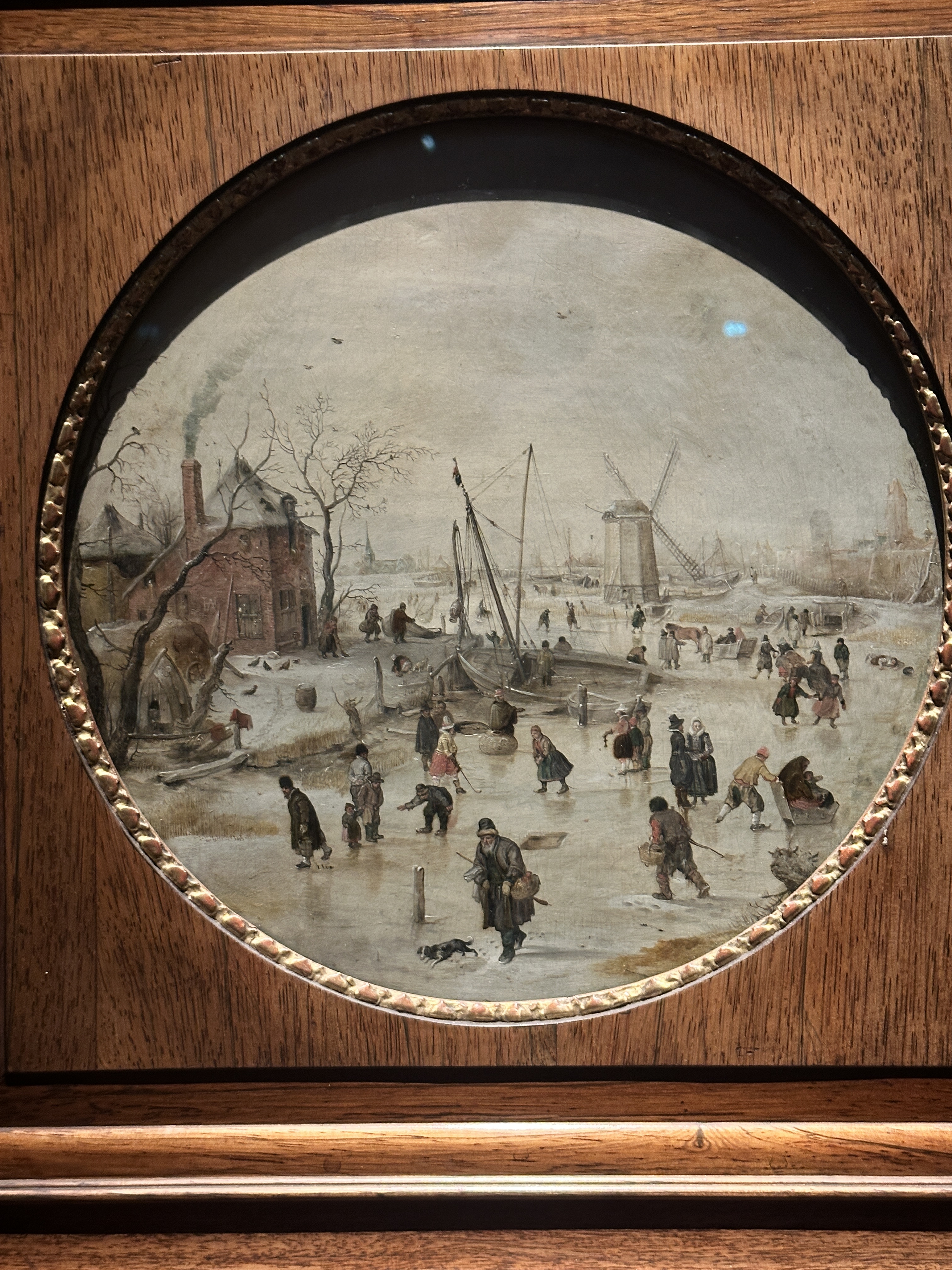
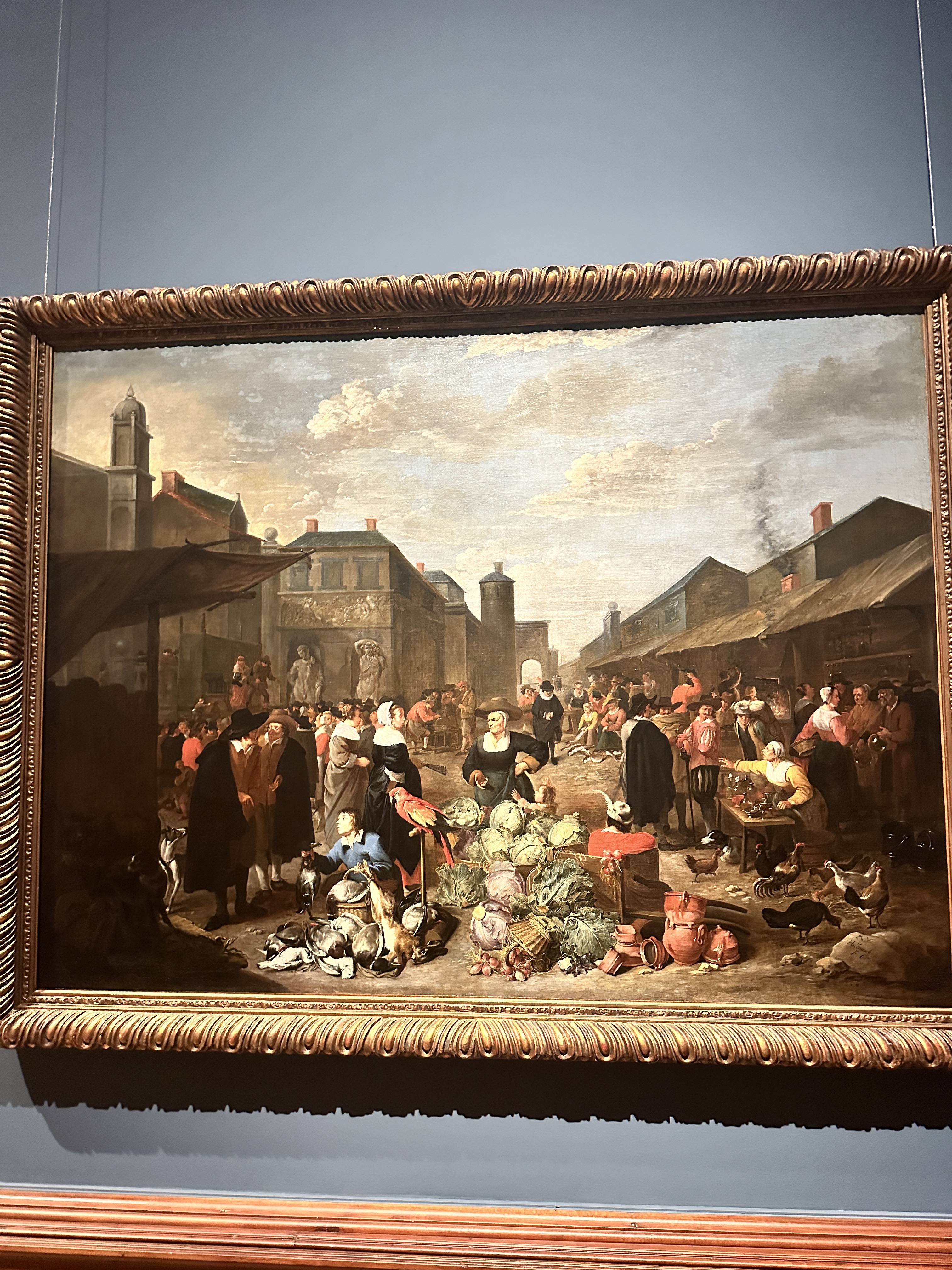
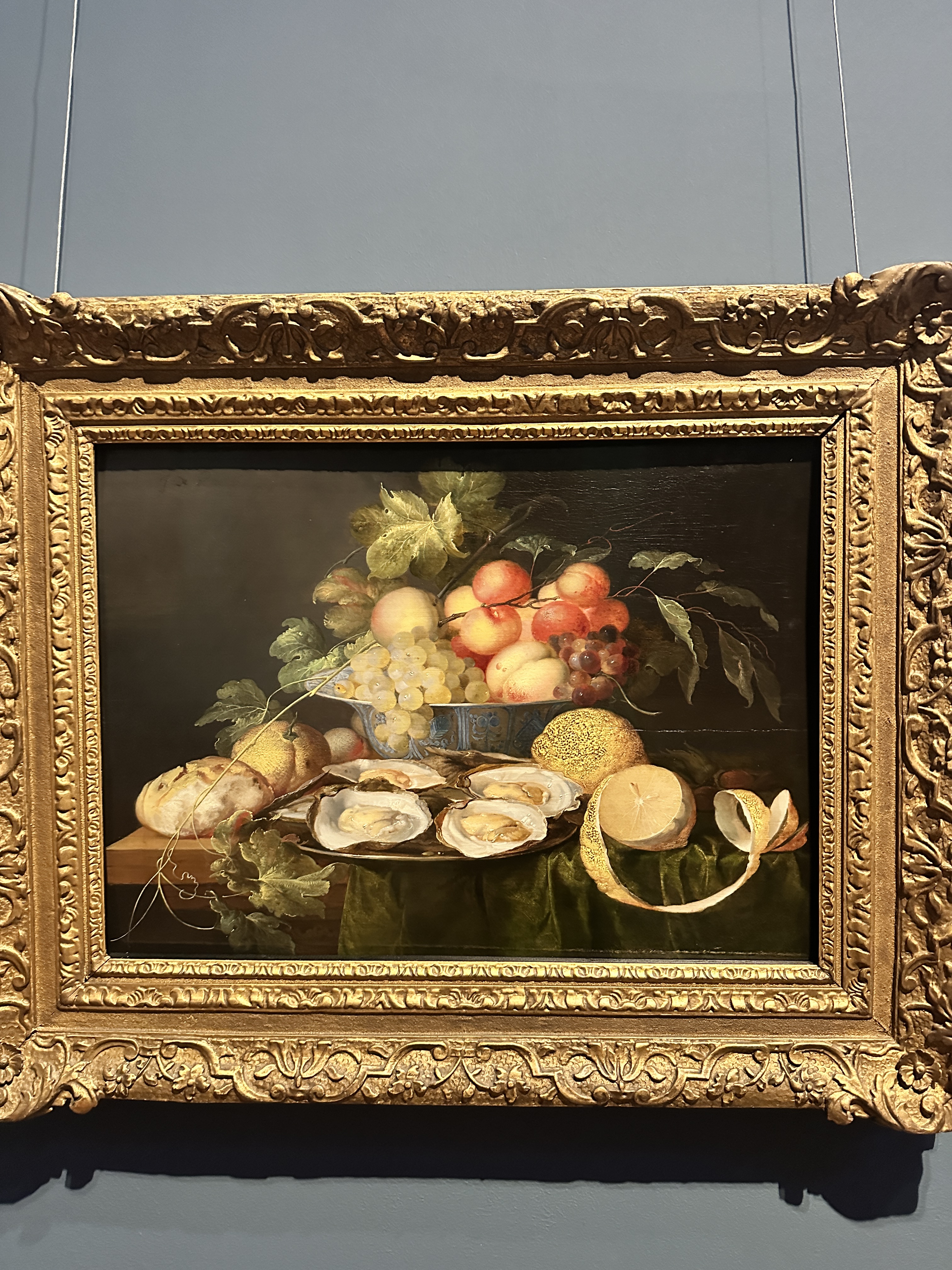
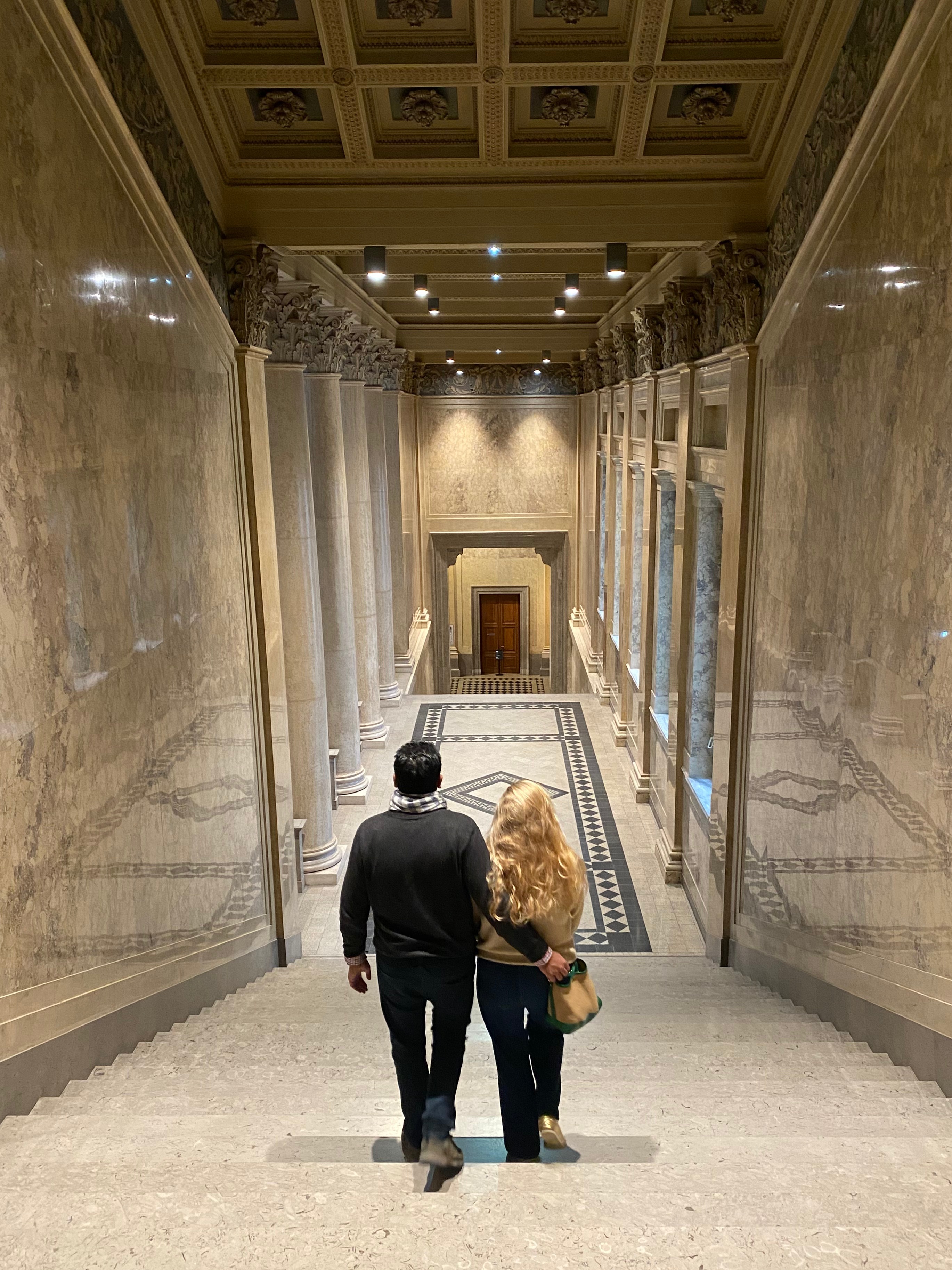
We visited 4 galleries/museums over the long weekend. My favourite was the Thyssen-Bornemisza Collection was founded in the late 1920s by Baron Heinrich Thyssen-Bornemisza to represent key developments in Western art from the 13th to early 19th centuries.
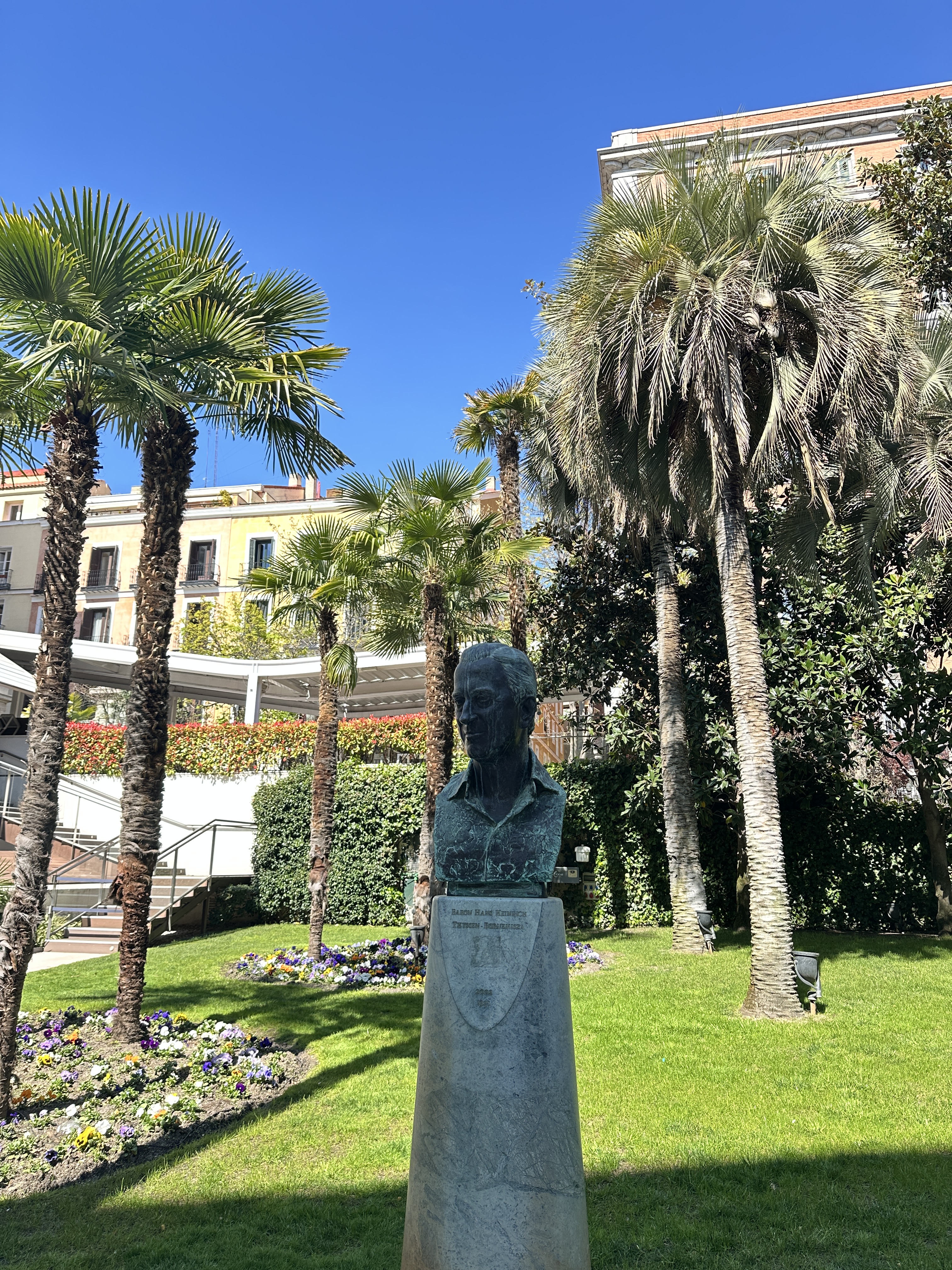
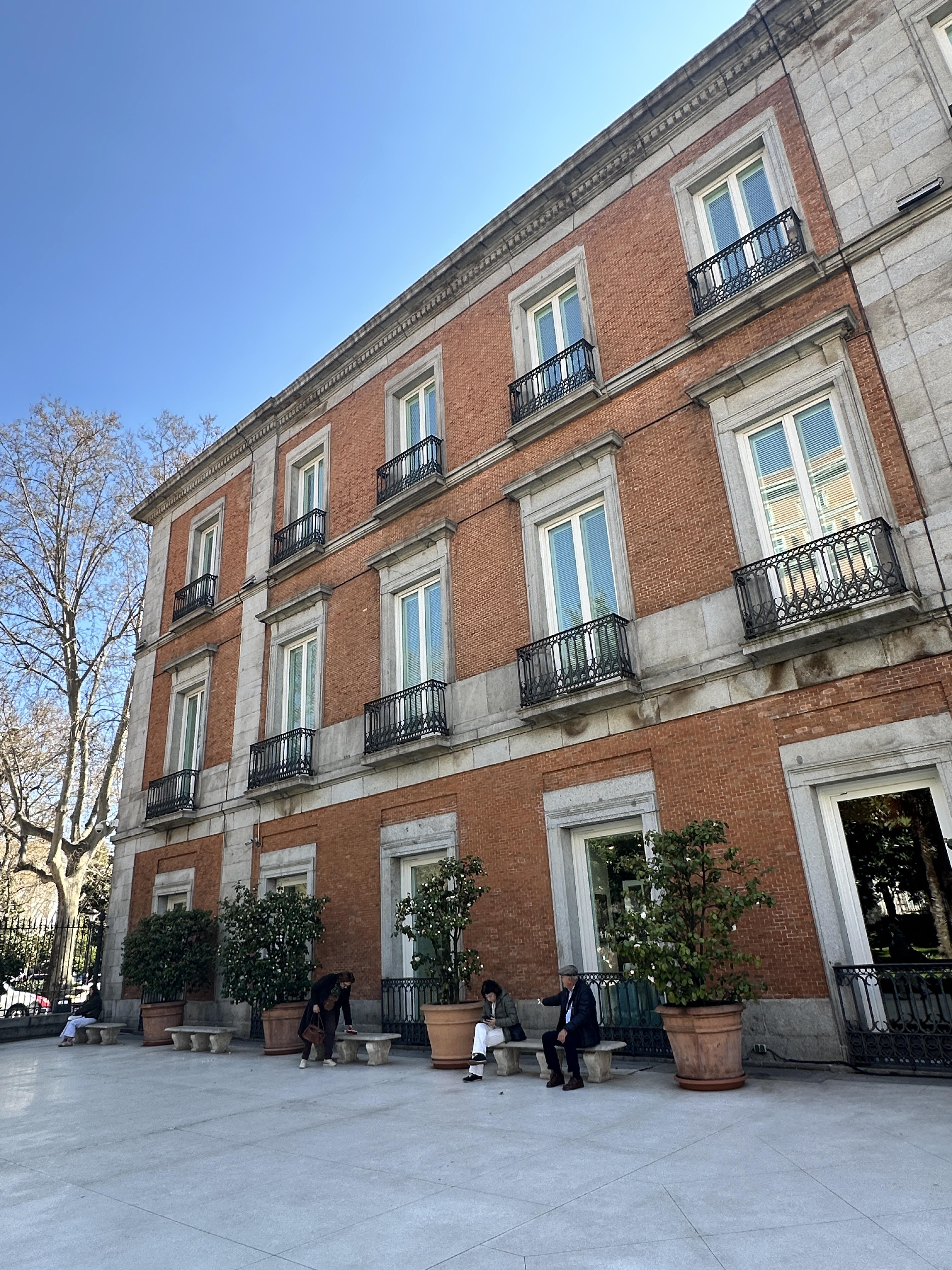
His son, Hans Heinrich, later expanded it to include modern works up to the 1980s. Originally housed in Switzerland, the collection was moved to Madrid, where the Thyssen-Bornemisza Museum opened in 1992. Soon after, the Spanish government acquired it. Today, the collection includes around 700 works spanning seven centuries of Western art.
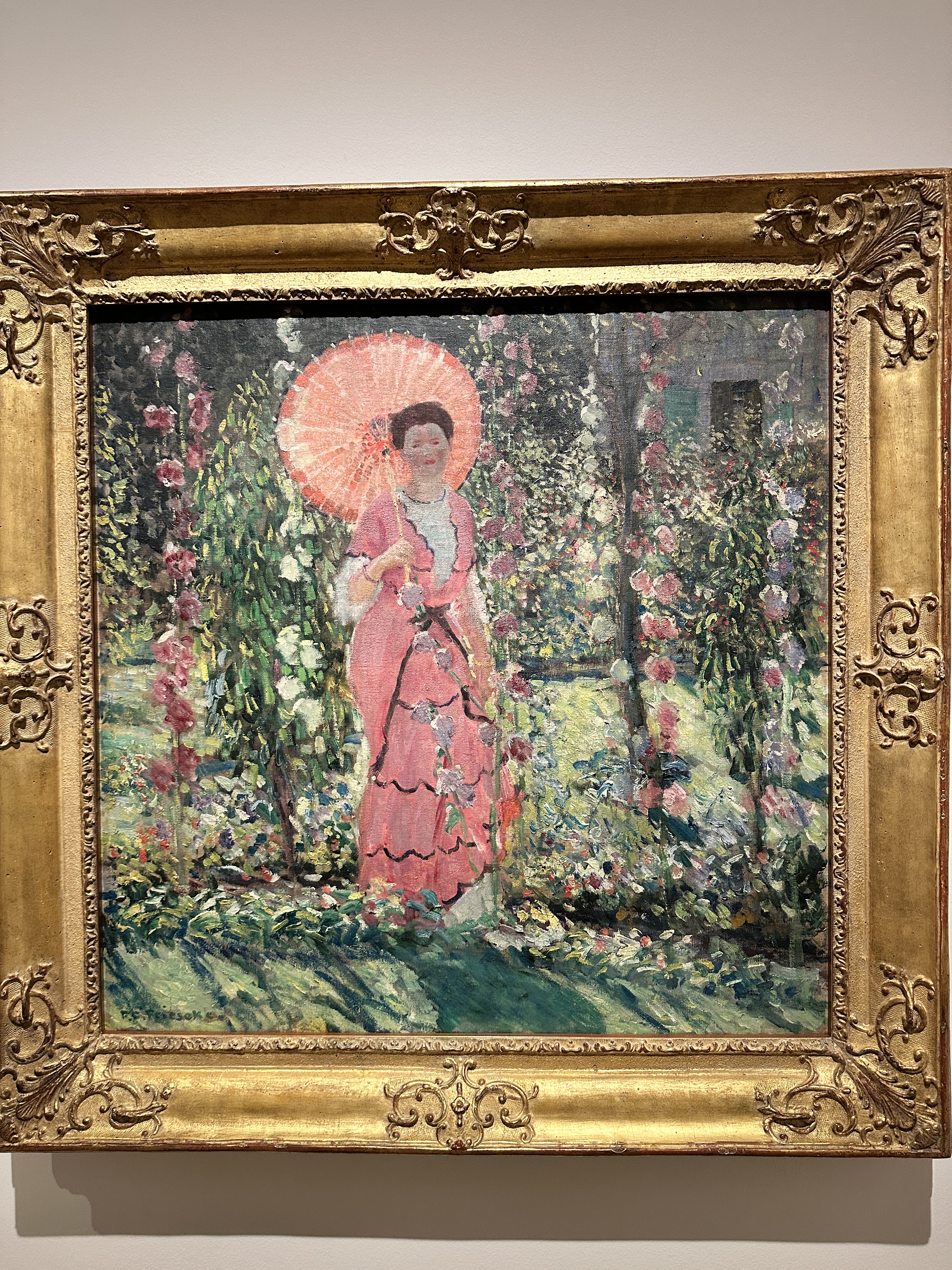
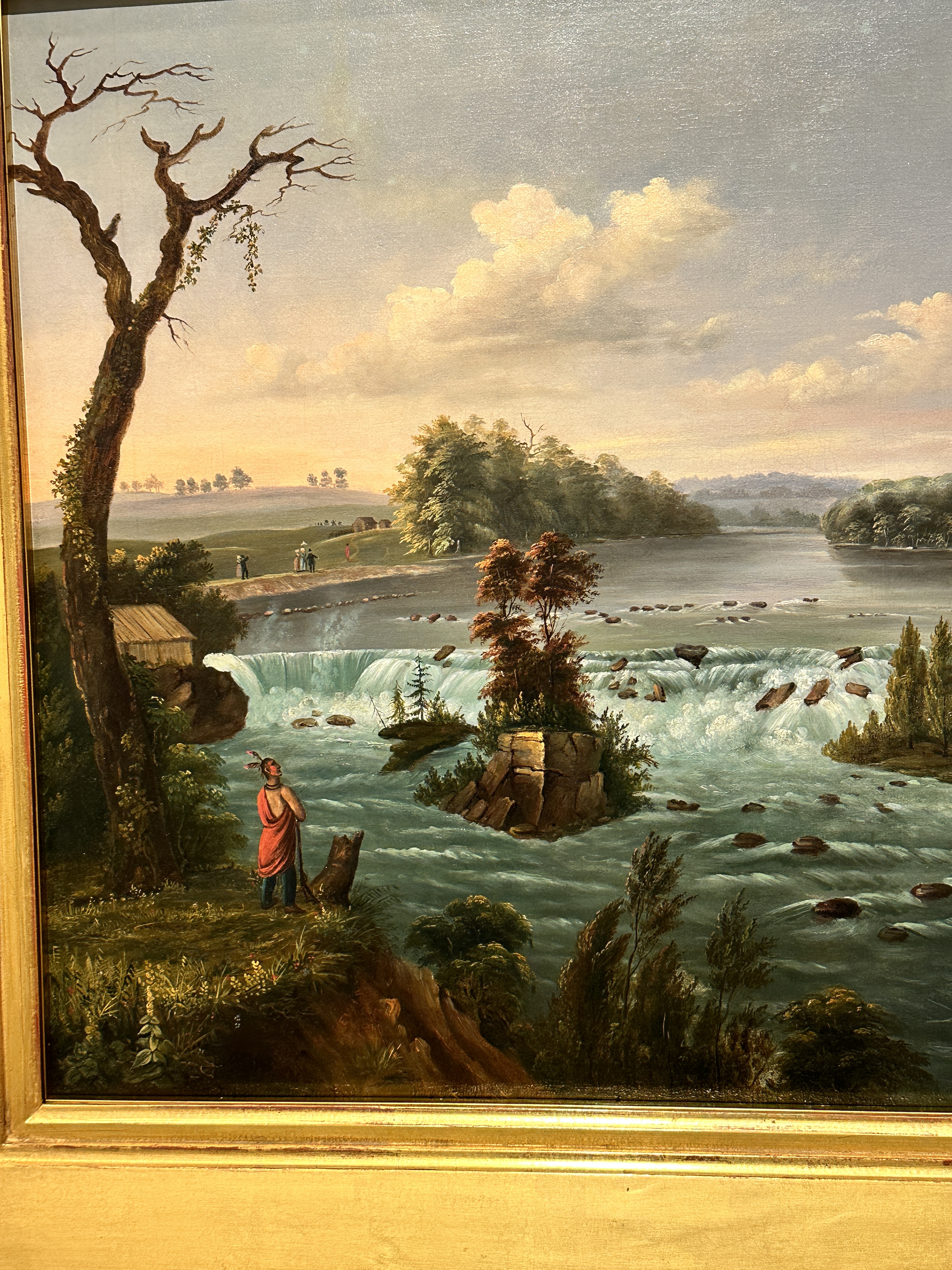
It is useful to note that the permanent collection is free to visit on Mondays between noon and 4pm and temporary exhibitions are free on saturdays between 9-11pm.
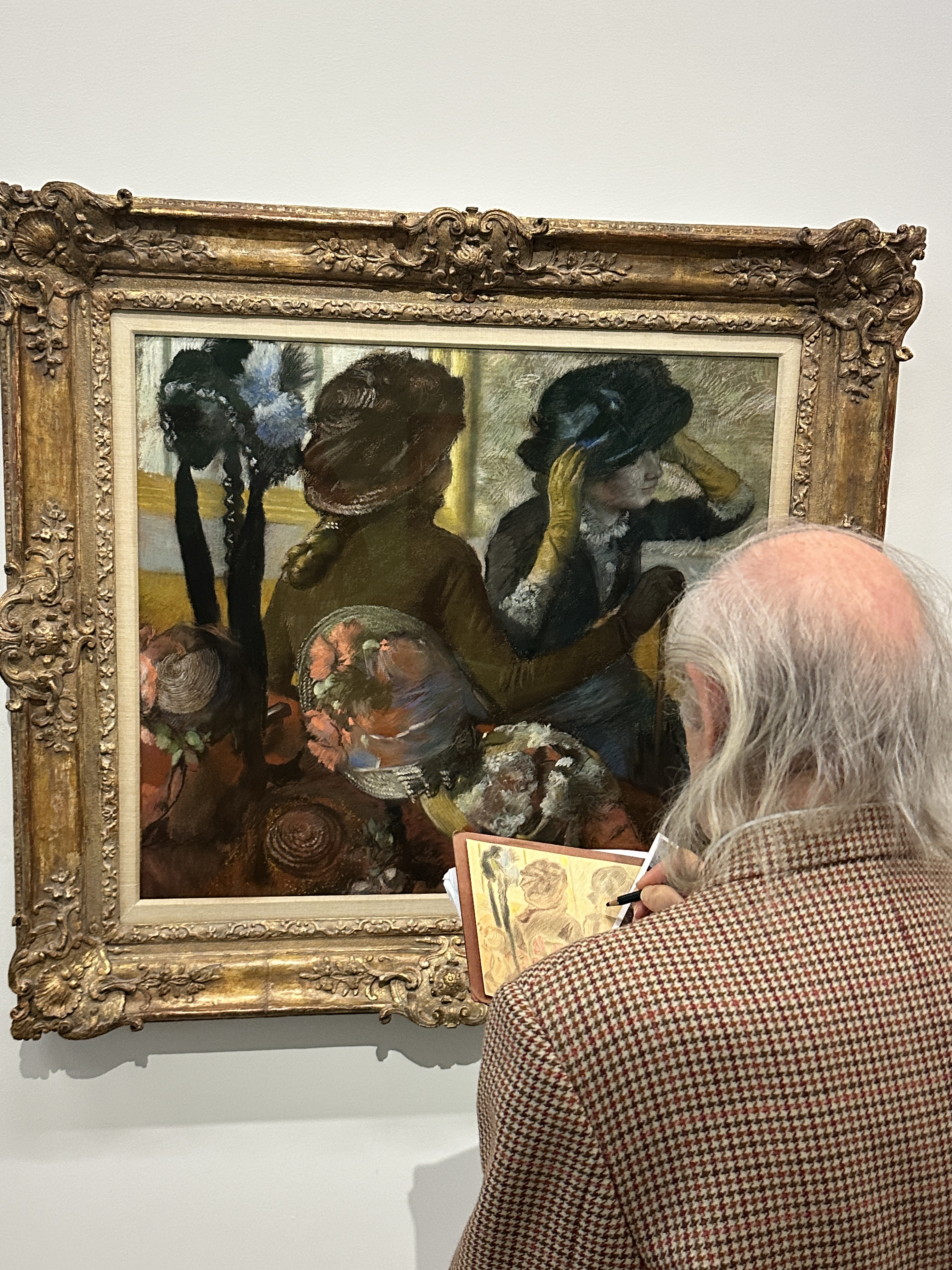
The Prado Museum is considered the Grand-Daddy, or perhaps Dame, of art galleries, not just in Madrid, but in the world. You would need at least a week to look at everything – the place is huge, with over 8000 paintings, 3000 engravings and 2800 decorative art pieces and more than 6500 drawings. The surface of the museum occupies 42.000 m2 so make sure you have comfortable trainers to get your steps in. So as not to have art overload I would suggest coming a couple of times and having a plan of what you would like to see.
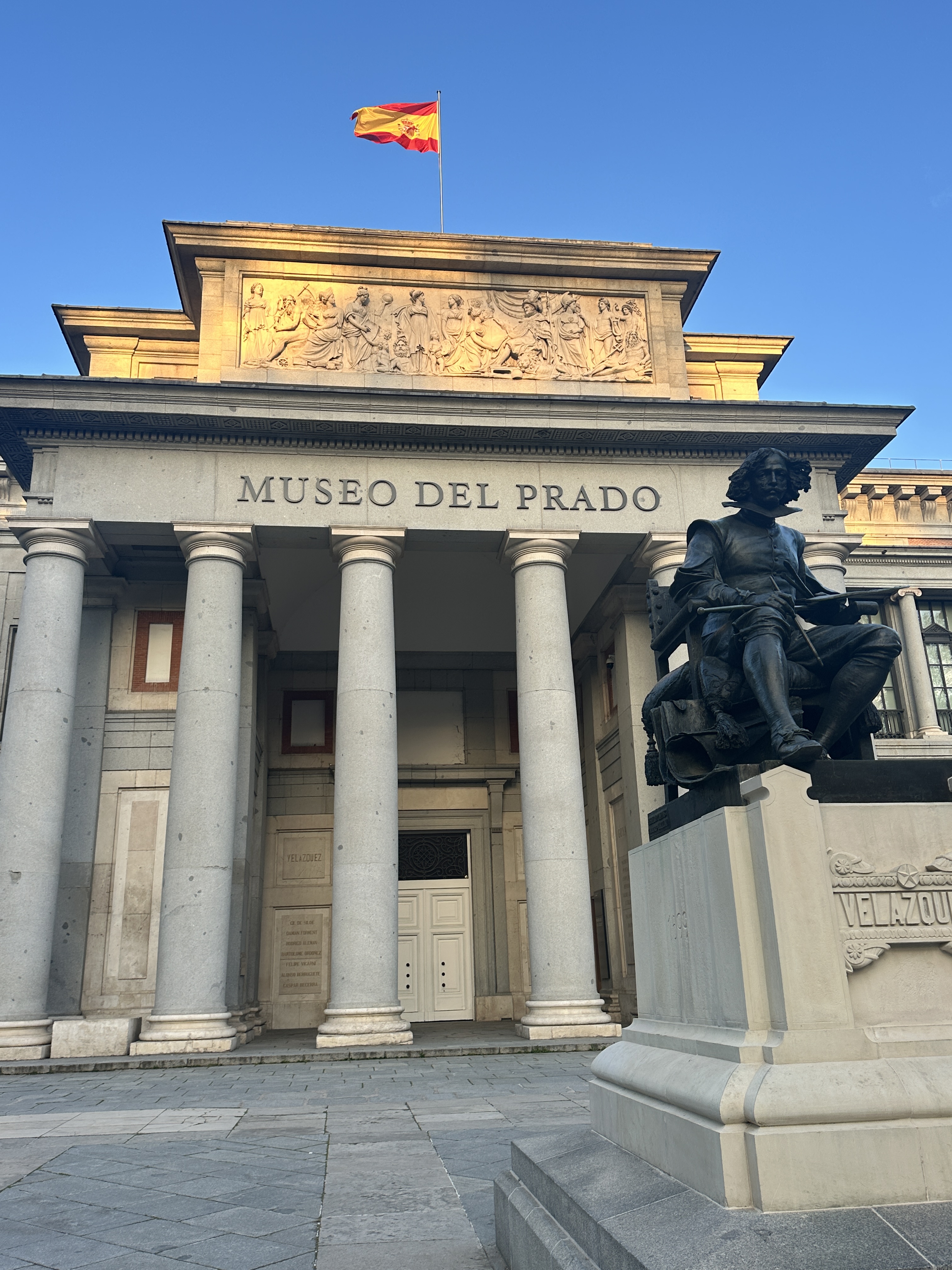
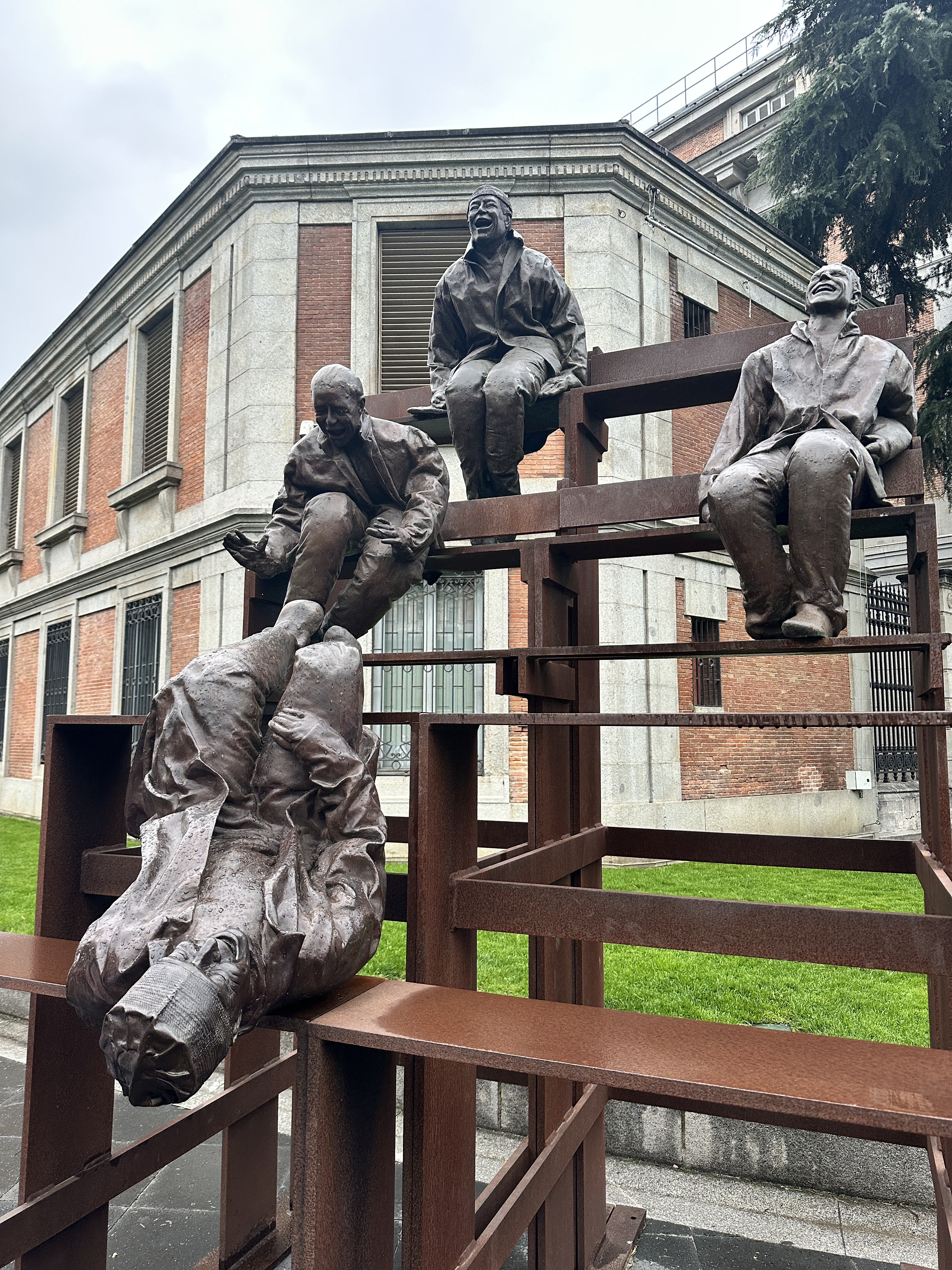
The museum’s name comes from the Spanish word “Prado,” meaning “lawn,” referring to the area where it was built, once known as the Jerónimos’ lawn. Originally called the Royal Museum, it wasn’t until around 1920 that people began referring to it as the Prado, the name it is known by today.

Interestingly you aren’t allowed to take any photos in the Prado, which I think is a shame. Apparently it is for crowd control around certain paintings, but as far as I could see certain paintings still had crowds despite everyone keeping their iPhone cameras away.

It is free to visit Monday to Saturday 6-8pm and on Sundays and public holidays 5-7pm. Queues are long so be prepared to wait and by the time you get in you only may have an hour – so is it worth it? Possibly if you intend to go in the Prado a few times.
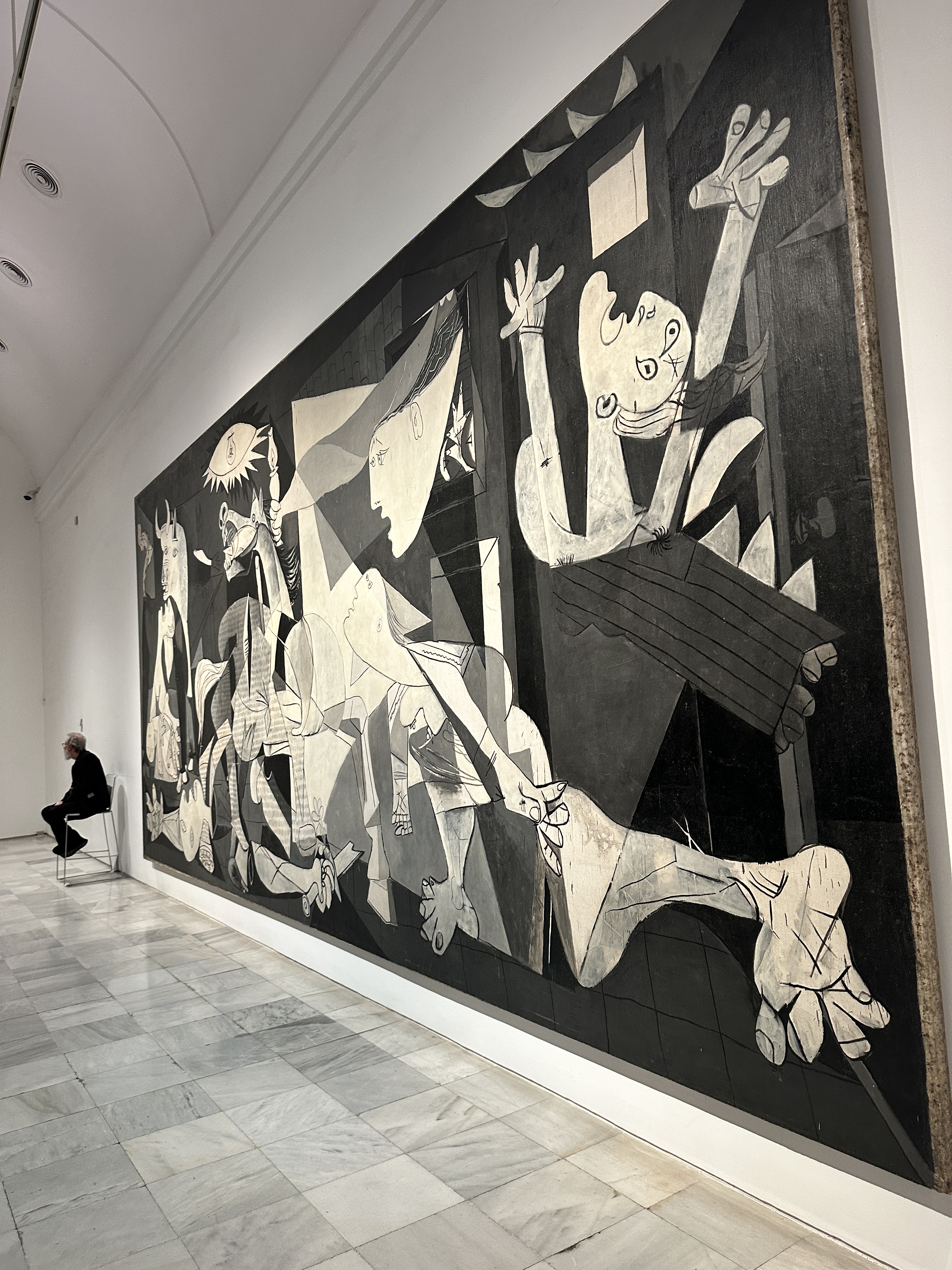
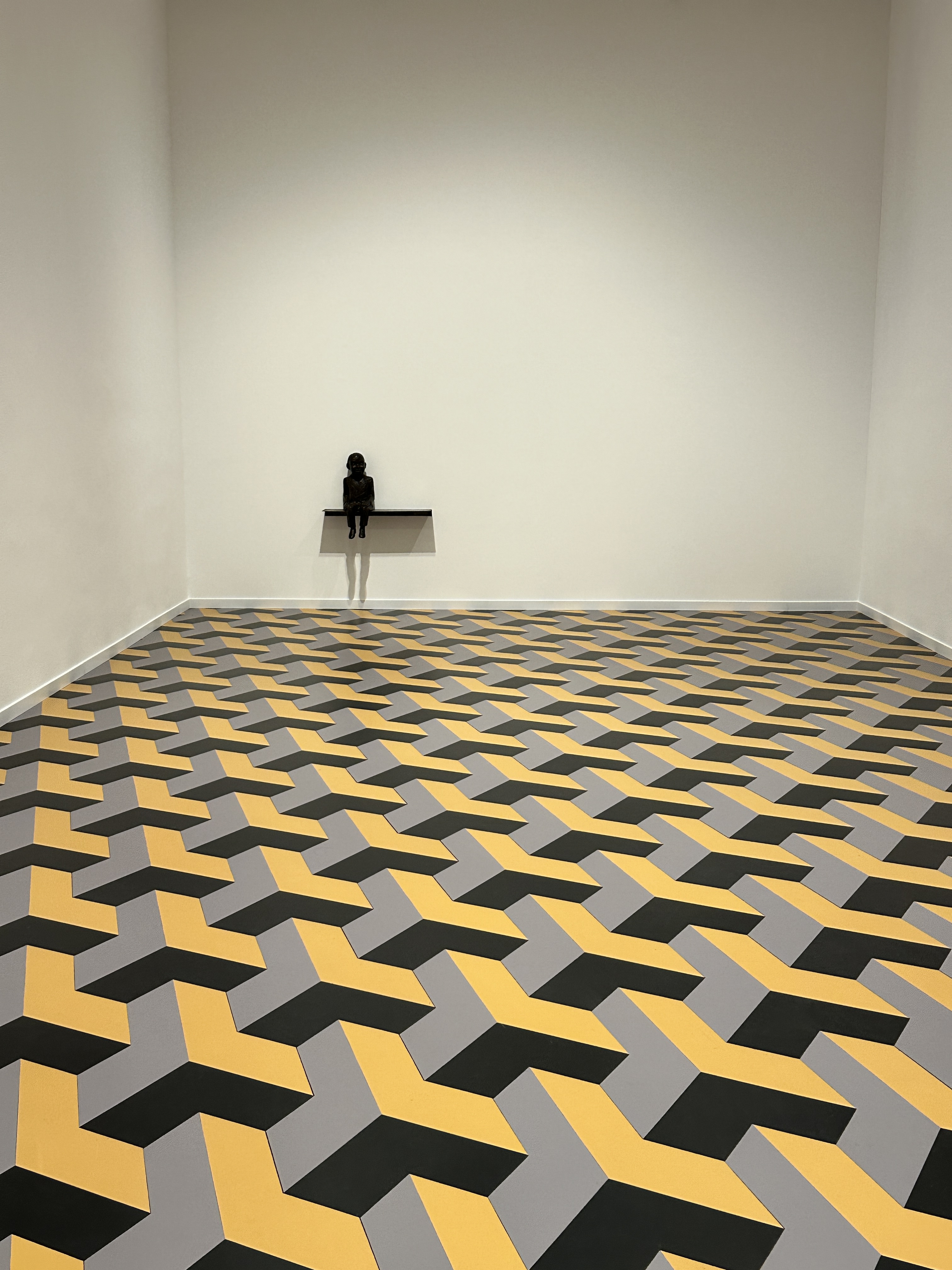
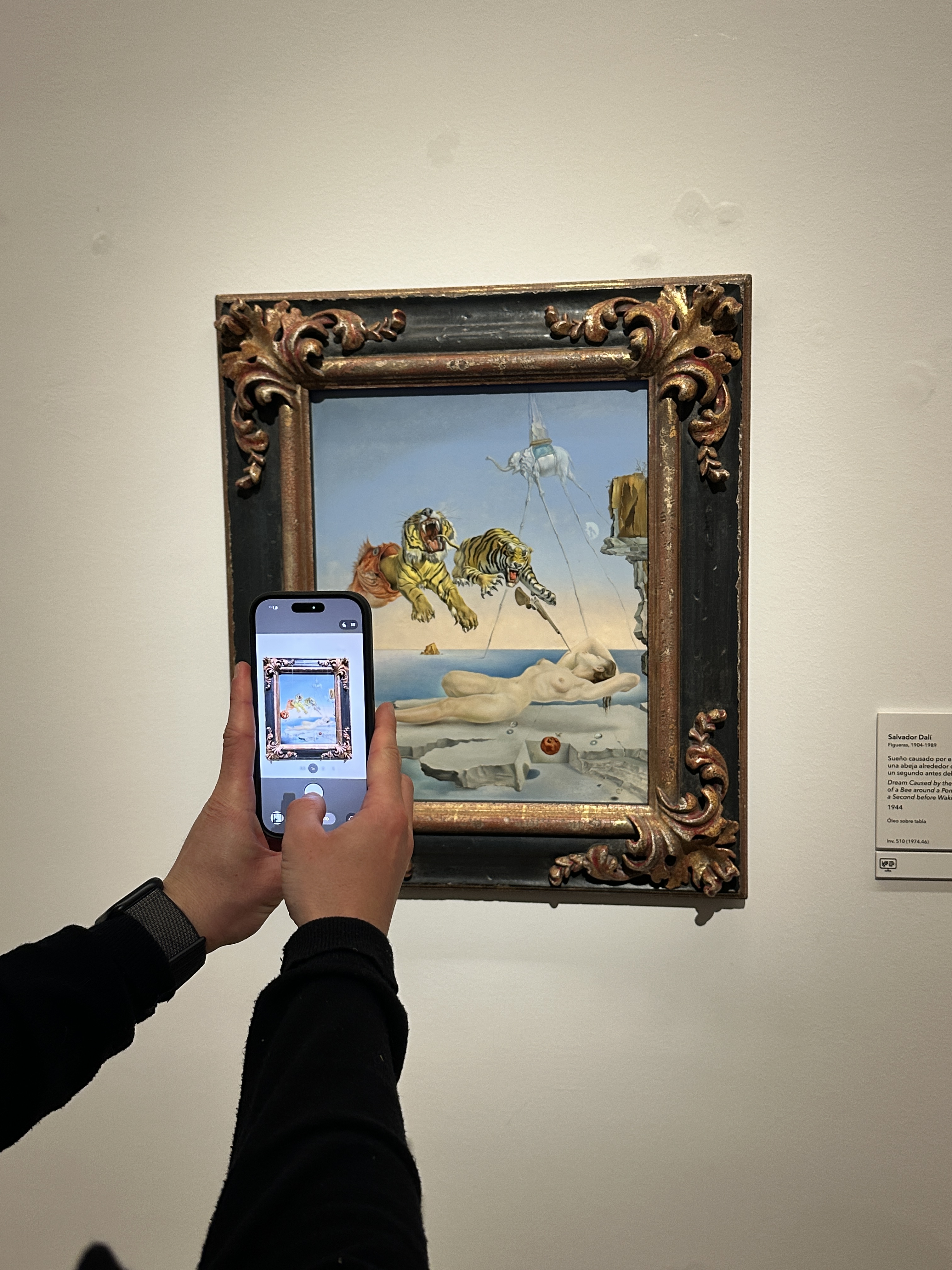
Reina Sofia Museum is the third in the ‘Golden Triangle’.  It is housed in the former General Hospital of Madrid, an 18th-century neoclassical building. With over 200,000 pieces of art only 5% is on display. What is on display is pretty impressive. Picasso’s Guernica (see above) lots of other works by Dalí, Miró, Maruja Mallo, Luis Buñuel, and Yves Klein, represent different artistic movements such as surrealism, cubism, and expressionism.

It is free to enter Monday-Saturday 7-9pm and on Sundays from 12.30-2.30pm
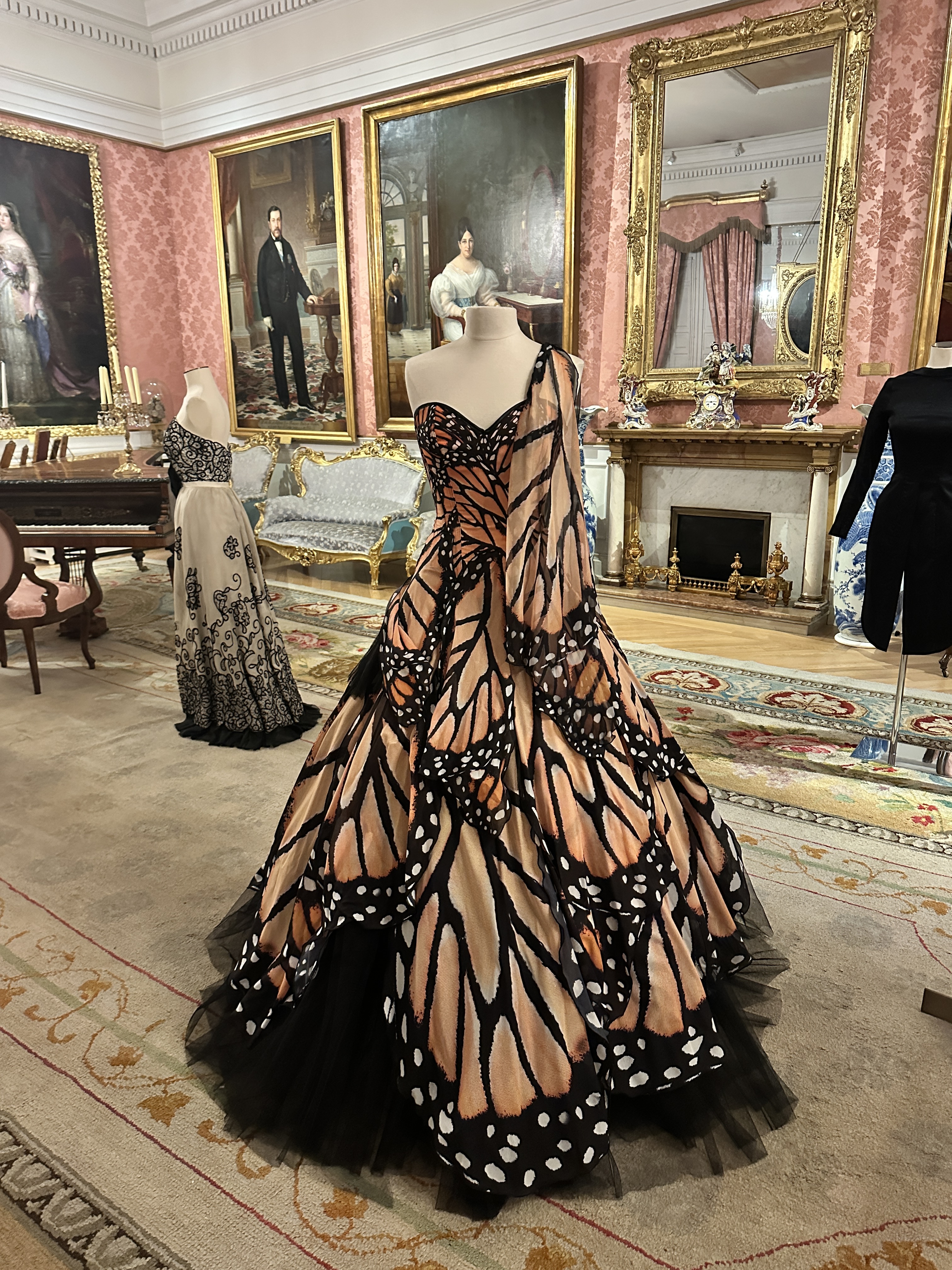
Whilst at the museum I met a charming American lady who was waxing lyrical about the Museum of Romanticism, so we decided to check it out and were so glad that we did. It is situated in a neo-classical palace once owned by the Marquis of Matallana, the museum reflects the city life of the gentry of Madrid during the Romantic period. It reminded me of a smaller version of the Wallace Collection in London – a time-capsule house museum showcasing 19th-century bourgeois life during Spain’s Romantic era. It displays art and daily objects that showcase the era’s passionate, aesthetic, and daily life.
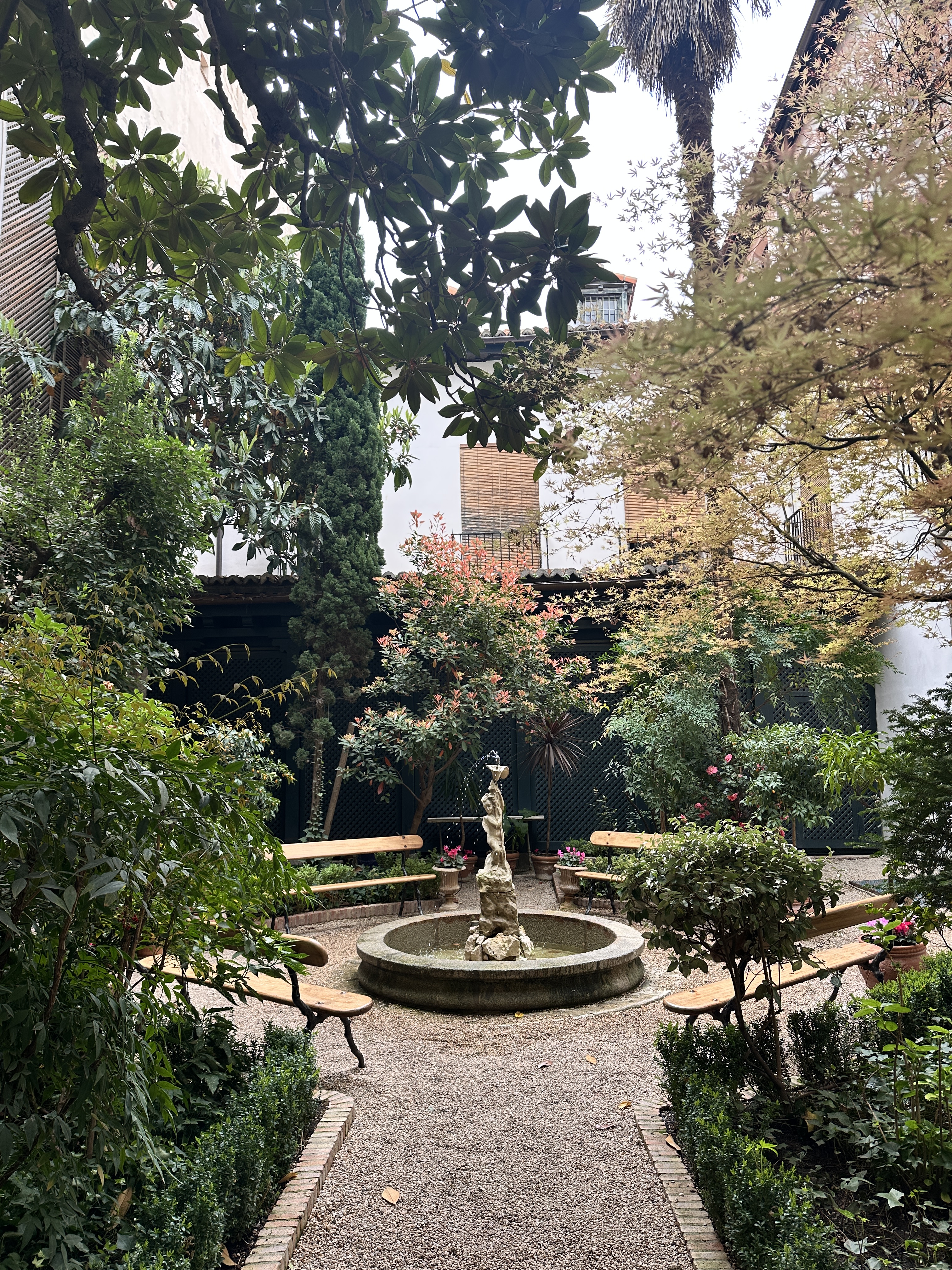
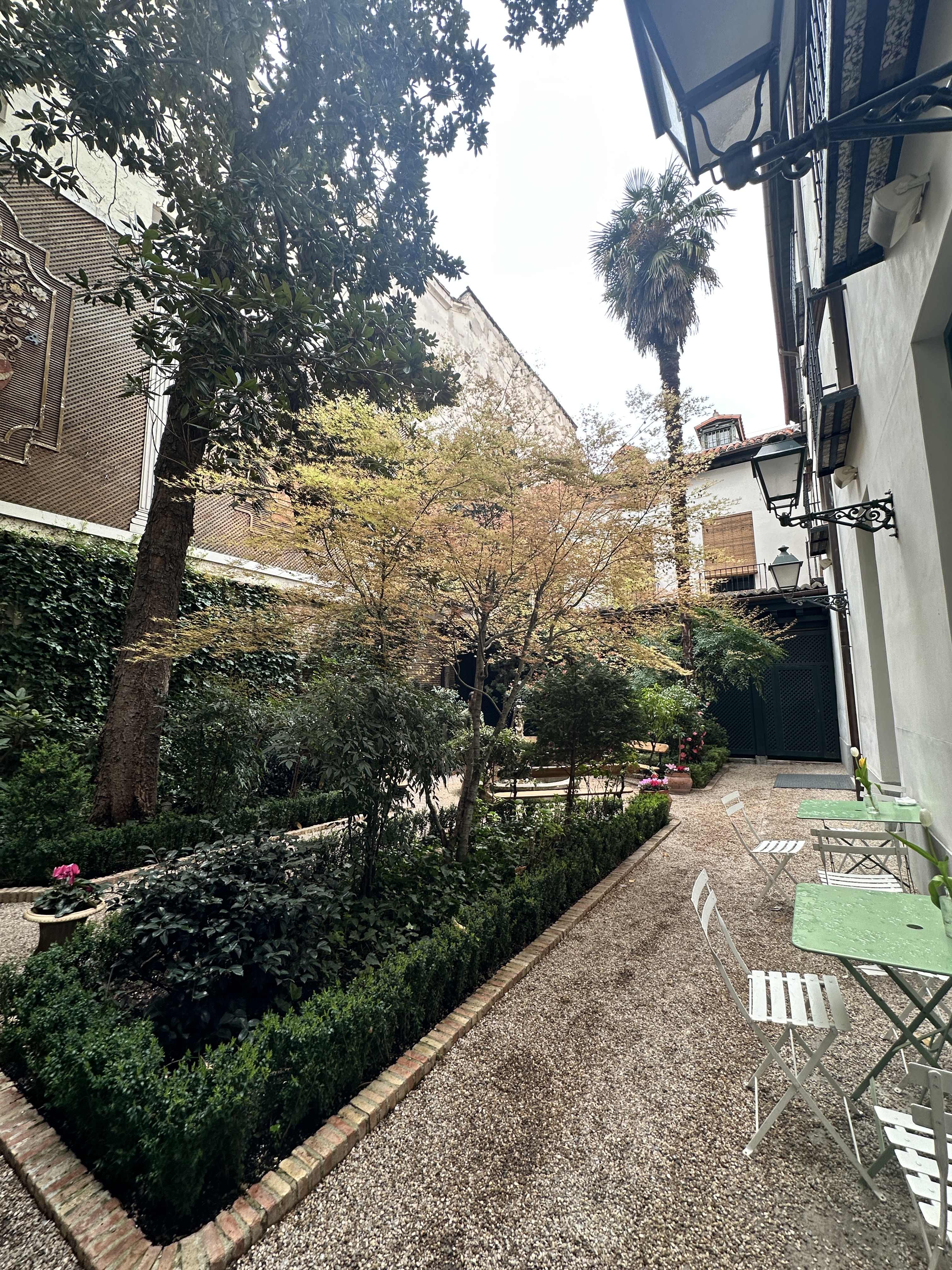
It is free all day Sunday and after 2pm on Saturdays. It has a little cafe and courtyard garden (see above) to relax and muse over what you have seen.
Flea Market

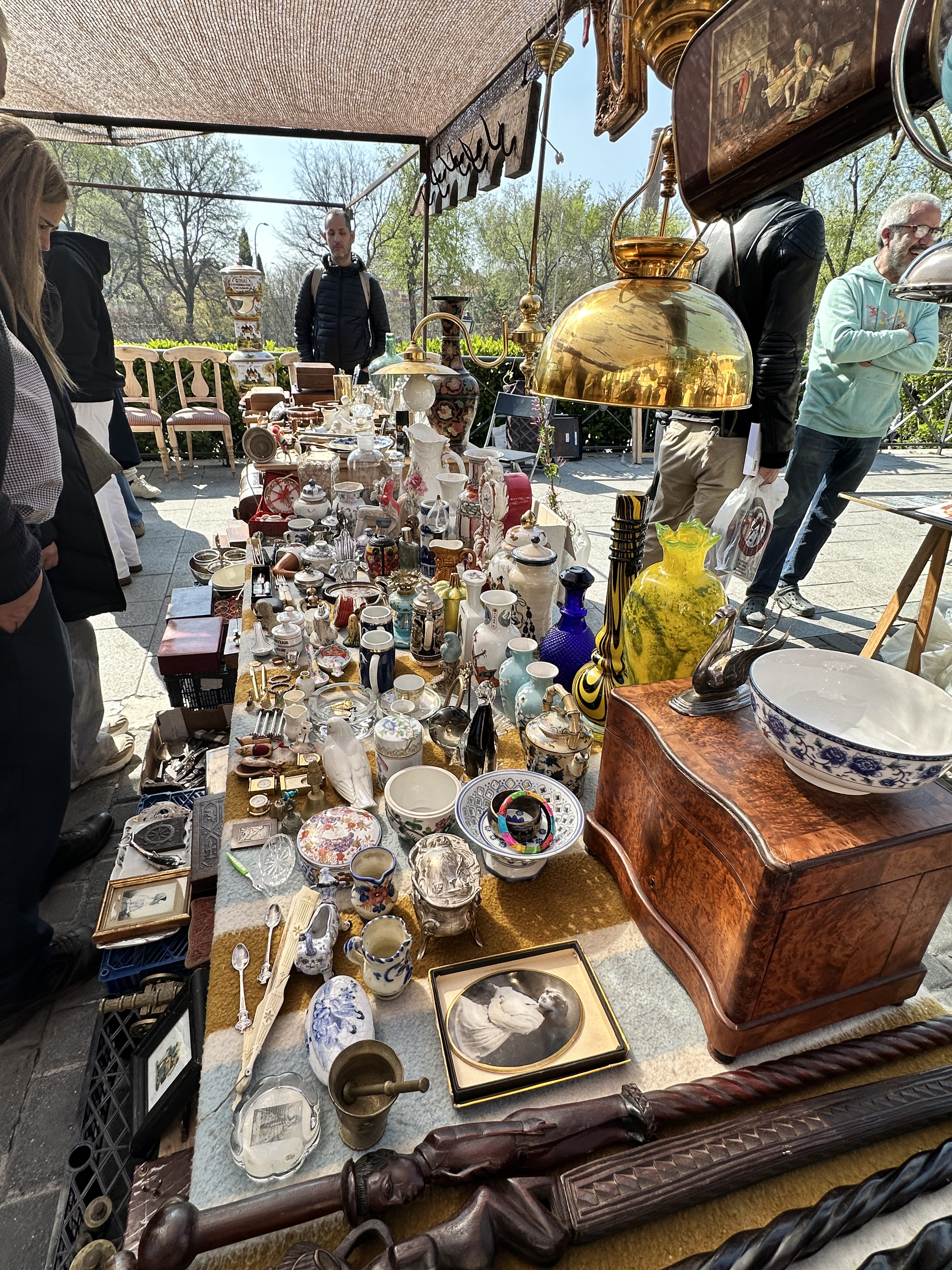
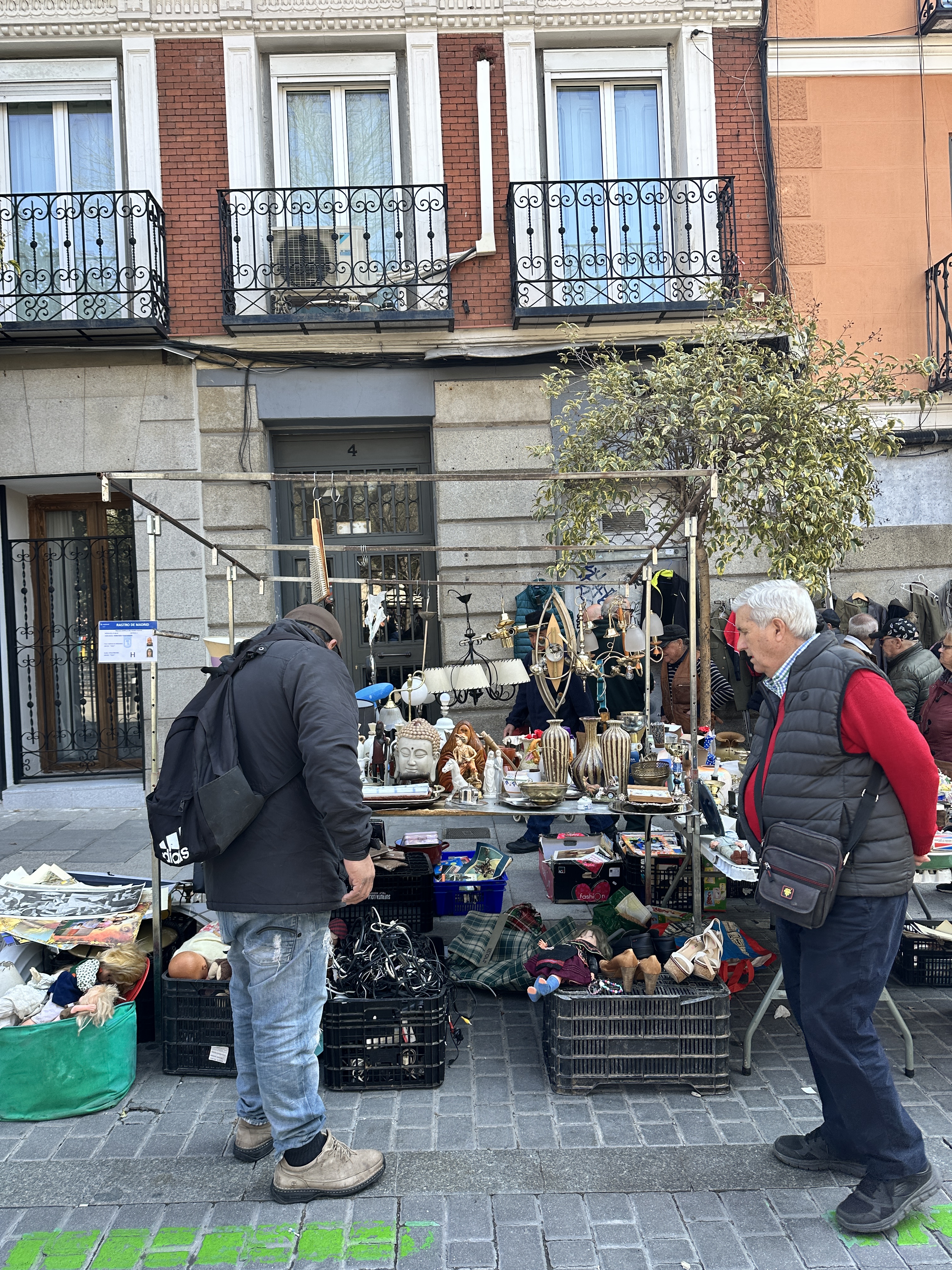
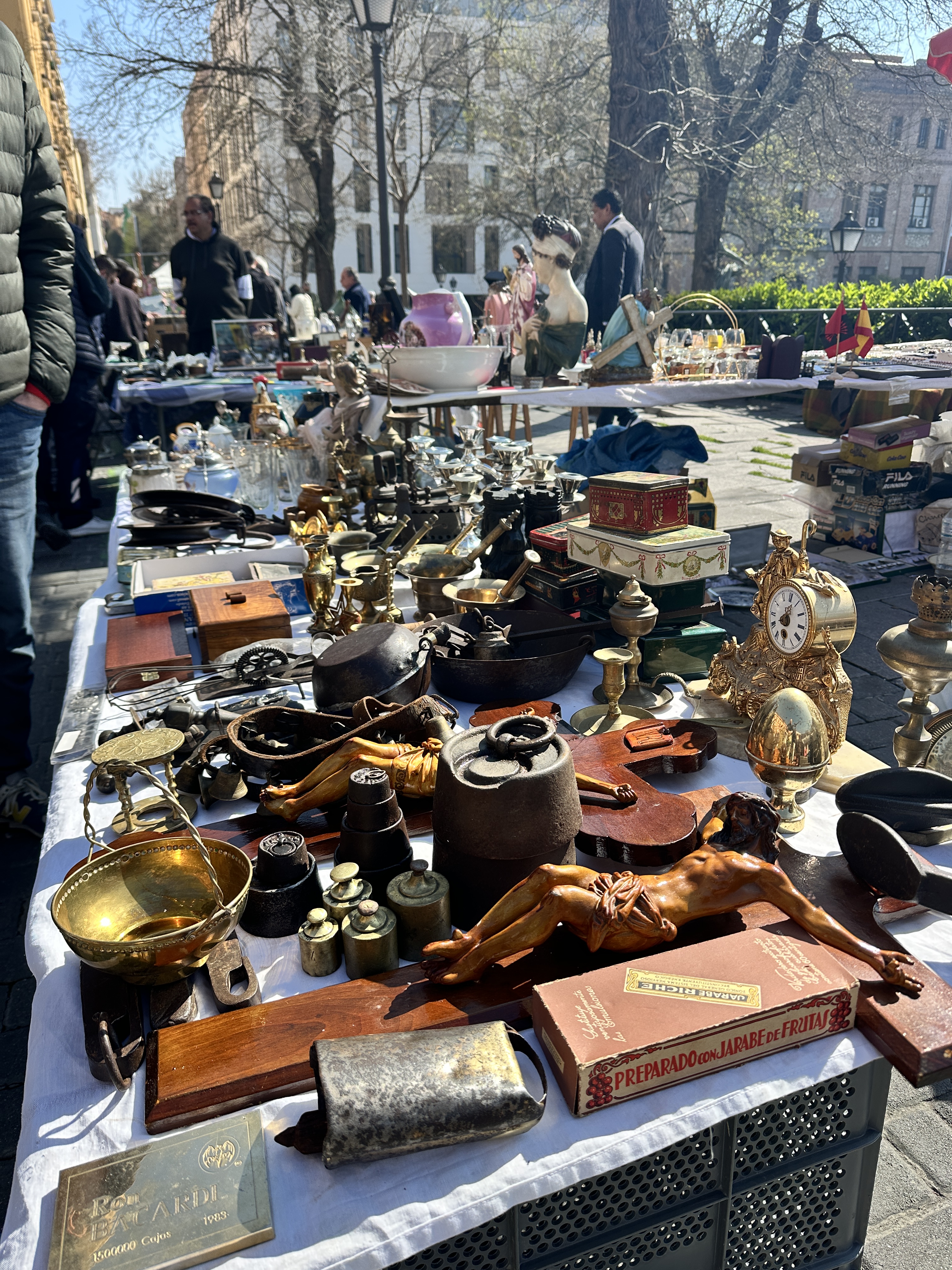
If you love a flea market and a vintage find then head to El Rastro operating from 9 a.m. to 3 p.m. in the La Latina neighbourhood, specifically around Calle Ribera de Curtidores. Established in 1740 it has been thriving ever since. It offers thousands of stalls selling antiques, clothing, vintage items, and, souvenirs. My husband’s idea of a nightmare, we wandered around for maybe 30 minutes, however, with I could happily spend a few hours nosing around looking at all the antiques. There is a lot of tat, obviously, but some finds are definitely to be had as well if you have a good search.
A few other tips

  1. At the airport we bought a 4 day travel card, which hindsight was not needed as we only went on the subway/tube/underground 3 times in total. The rest of the time we walked around.
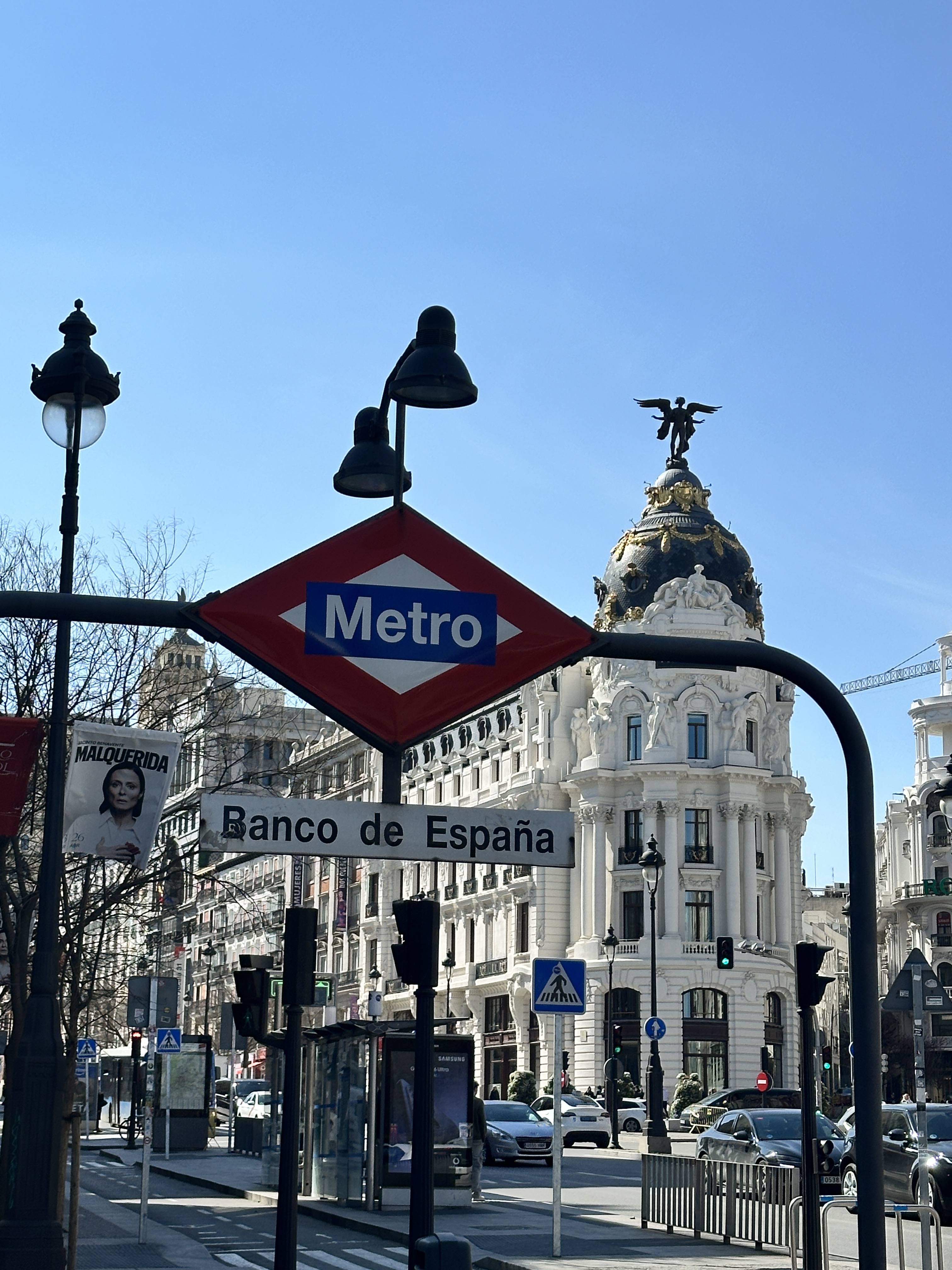
  2. We stayed in an Airbnb 200m from the Reina Sofia Museum so a perfect location for us.
  3. To take advantage of the free entry to the museums really work out your timings of visits to capitalise on this.
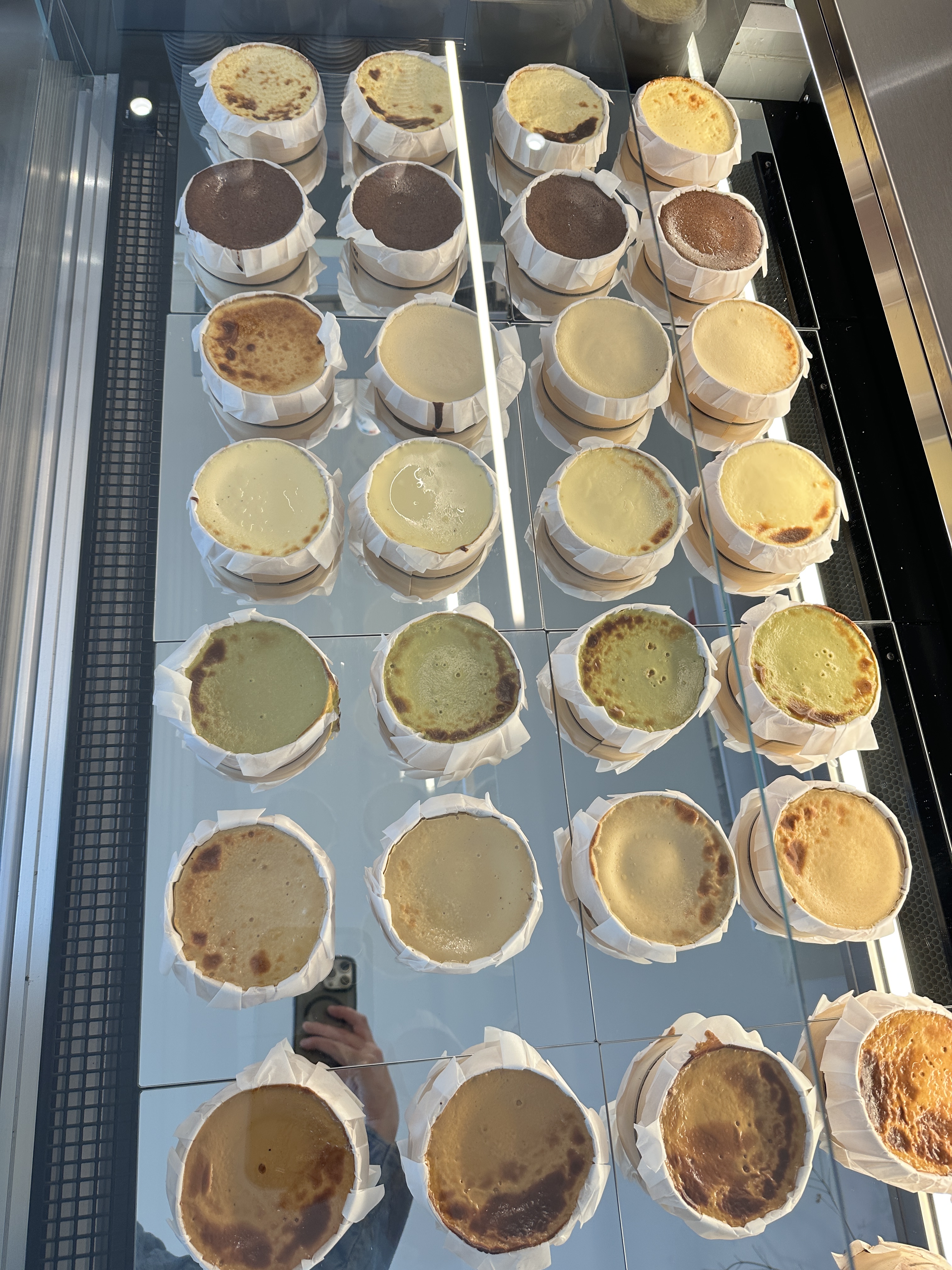
  4. We loved the little baked cheesecake shop called Luna & Wanda – having lots of flavoured cheesecakes such as tiramisu and biscoff- although we opted for the original which was absolutely delicious with some tea back at our apartment. There are a few outlets so worth checking out.
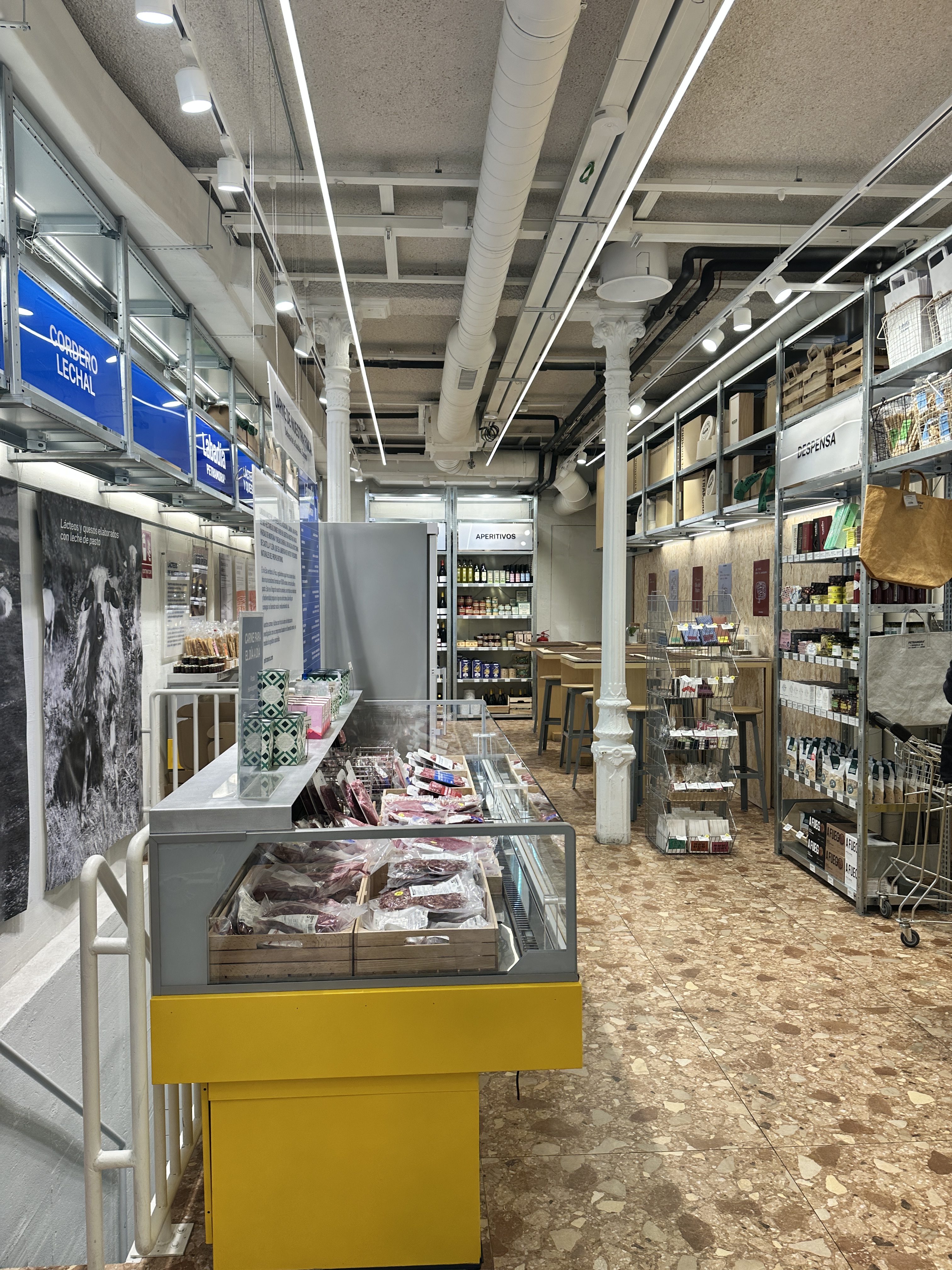
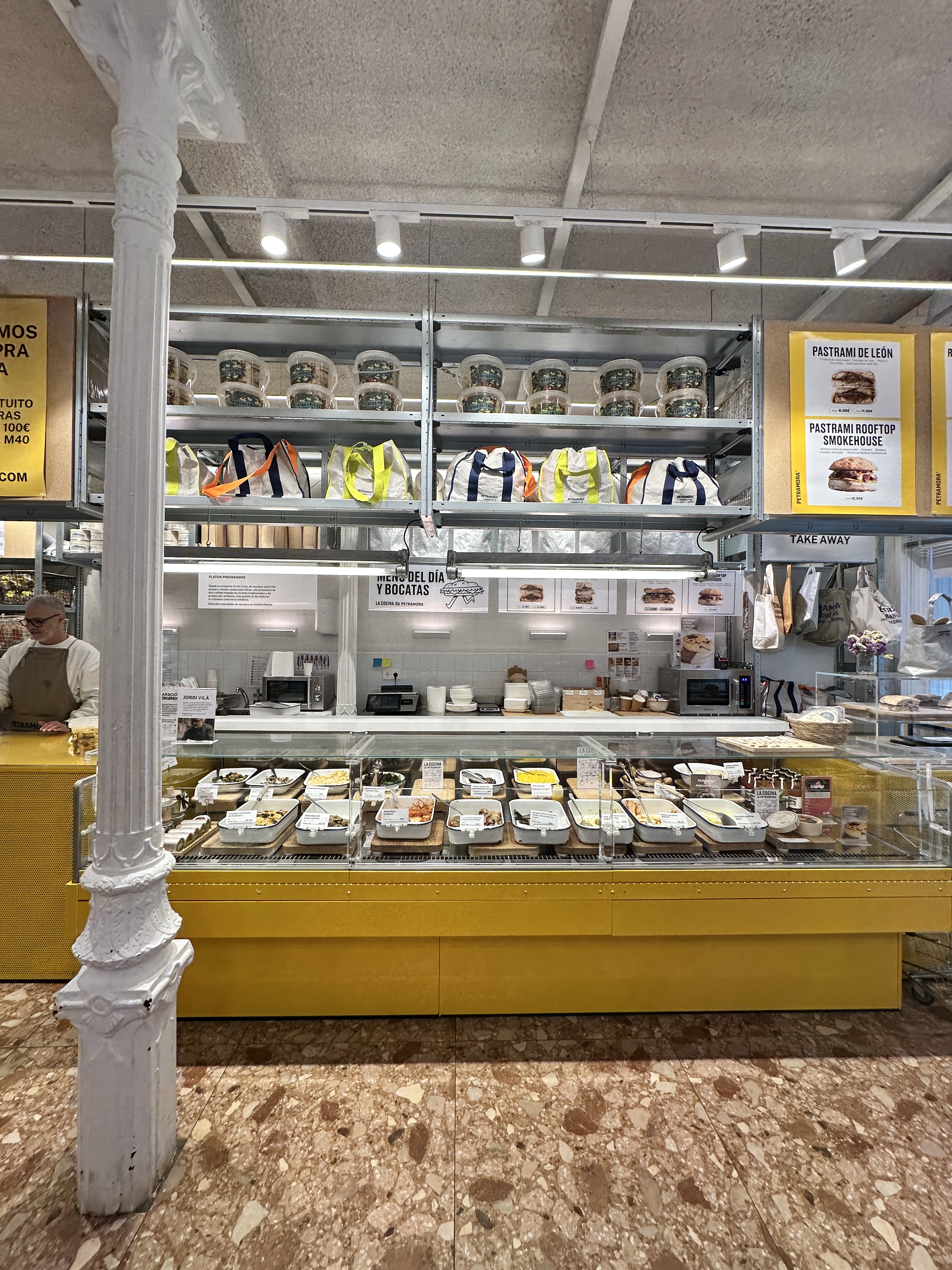
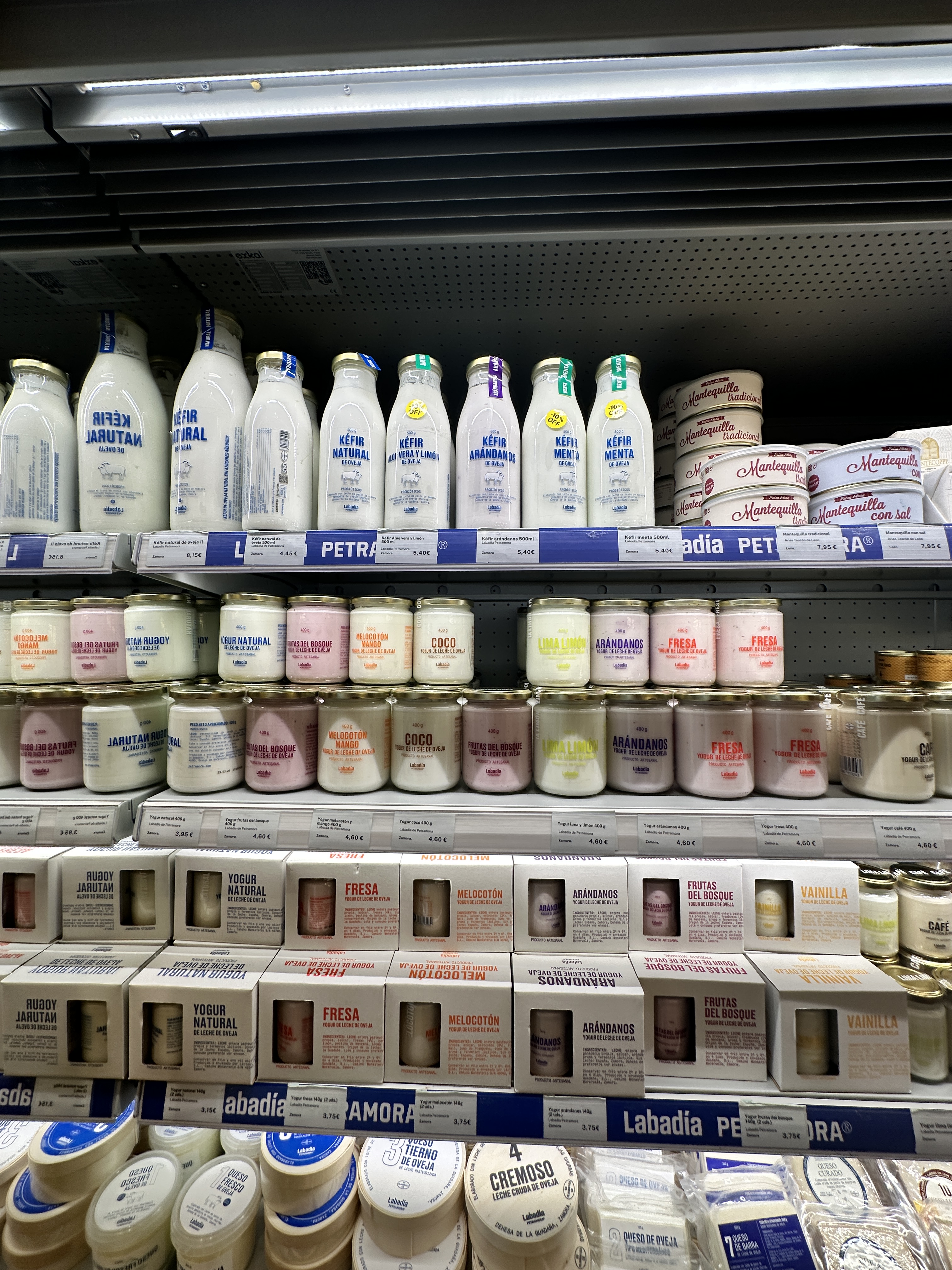
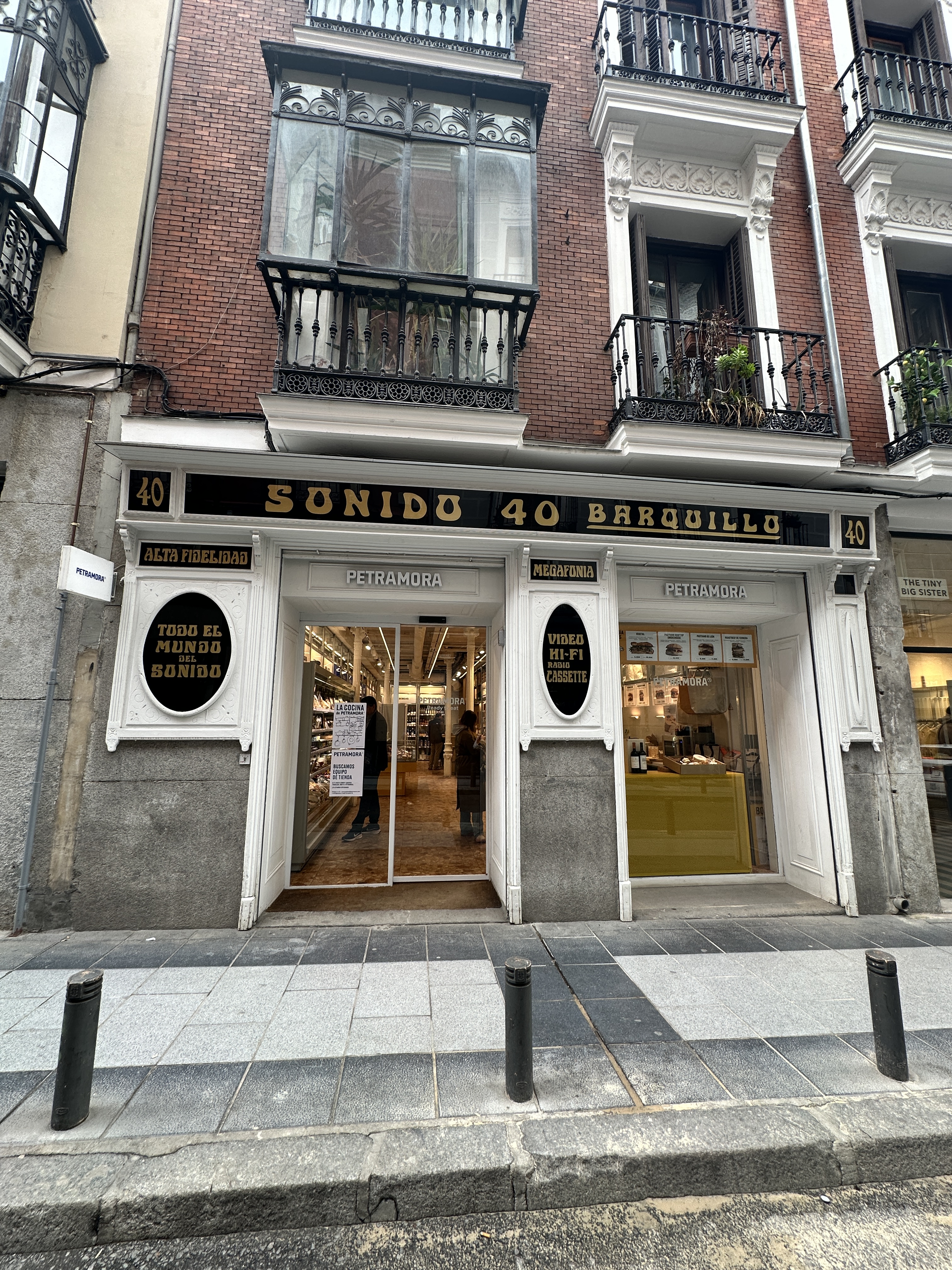
  5. A fantastic deli worth visiting is Petramora in the neighborhood of Las Salesas, at 40 Barquillo Street. It champions small and medium producers of quality food in Spain. It started out as an online gourmet store, but now has a physical store. They had such an amazing array of produce – meats, cheeses, tinned anchovies, olive oil and so much more. Perfect if you have an apartment during your stay to pick up a few snacks and breakfast offerings.
We feel we really only scratched the surface of Madrid and would definitely go back to explore further. Would you add anything to my list – be it food, art galleries or other museums? Leave a comment below so others can see and add to their lists.

Happy Easter

Torie

A Mini Break in Budapest

Over half term, my husband, youngest teen daughter and myself headed off to explore Budapest, the capital city of Hungary, a city that none of us had visited before. I do love exploring new places – typically heading off on foot to explore the streets so as get a real sense of the place. The city was officially formed in 1873 by merging three distinct settlements – hilly Budda and Obuda on the west bank of the Danube River and flat Pest on the east bank, forming what we know today as ‘Budapest’. The Danube acts as a central artery connecting the historic, quiet, and residential Buda with the vibrant, commercial, and bustling Pest.
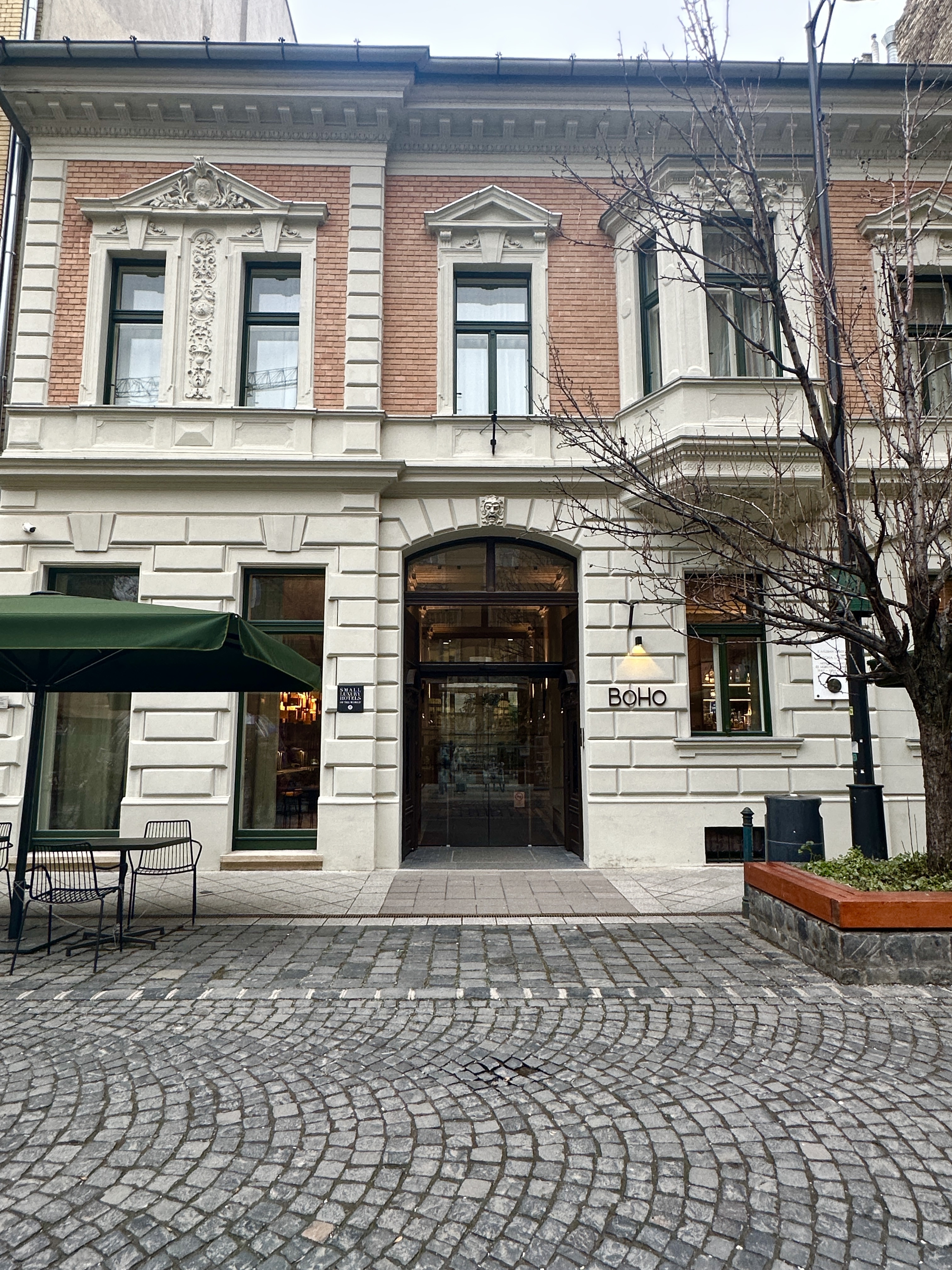
We opted to stay in Pest in a beautiful property called Boho Hotel, which is part of the ‘Small Luxury Hotels‘. It was elegantly designed – more minimalist chic than Boho, but the staff and ambience of the hotel were warm and friendly. The bedrooms were good sized – with the most comfortable mattresses and pillows ever. The pillows were incredible long and narrow, I had never seen anything like it before.

The bathrooms had a large bath and then a separate rain shower and toilet room. I was intrigued to see British toiletries brand Penhaligon installed in the bathrooms. As the winter Olympics were on we were pleased that the hotel rooms had huge TV’s so we could catch up on the events at the end of the day touring the city.

The hotel also offered a large sauna in the basement with a hot tub and lounging area, which was the perfect way to relax after a day of touring. You could also book a massage too should you wish to. In another basement at the other end of the hotel was a pool table and sofas to relax and read. Breakfast was included in the price and offered a wide range of sweet and savoury options.

I thought it would be helpful to list a few things to pop on your to-do/see list when you visit the city. I feel we only scratched the surface so I hope a few of the ideas below might intrigue you to seek out.

1.Visit a thermal bath – Budapest is known for its spas and thermal baths since Roman times, so it is a must to seek one out and bath in its medicinal waters. The three most famous are:

Széchenyi Thermal Bath, which is the largest, featuring 18 pools and is an eye catching yellow with Neo-Baroque architecture.

Gellért Thermal Bath, which is both inside and outside with an art nouveau vibe but is closed for renovations until 2028.

Rudas Thermal Bath, which was founded at the time of the Ottoman rule so has a distinctive hammer vibe about it with an Ottoman dome and an octagonal rooftop pool.

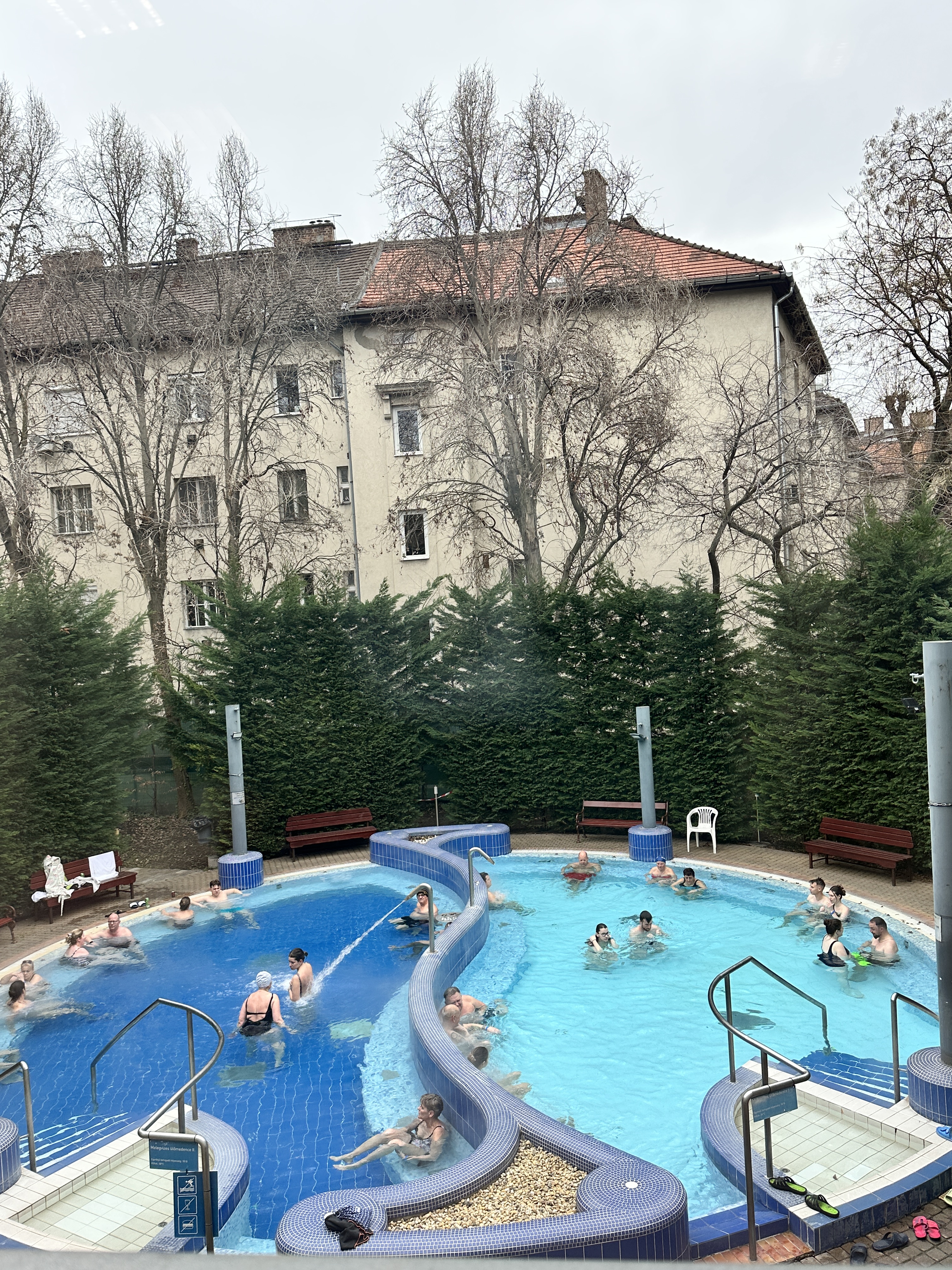
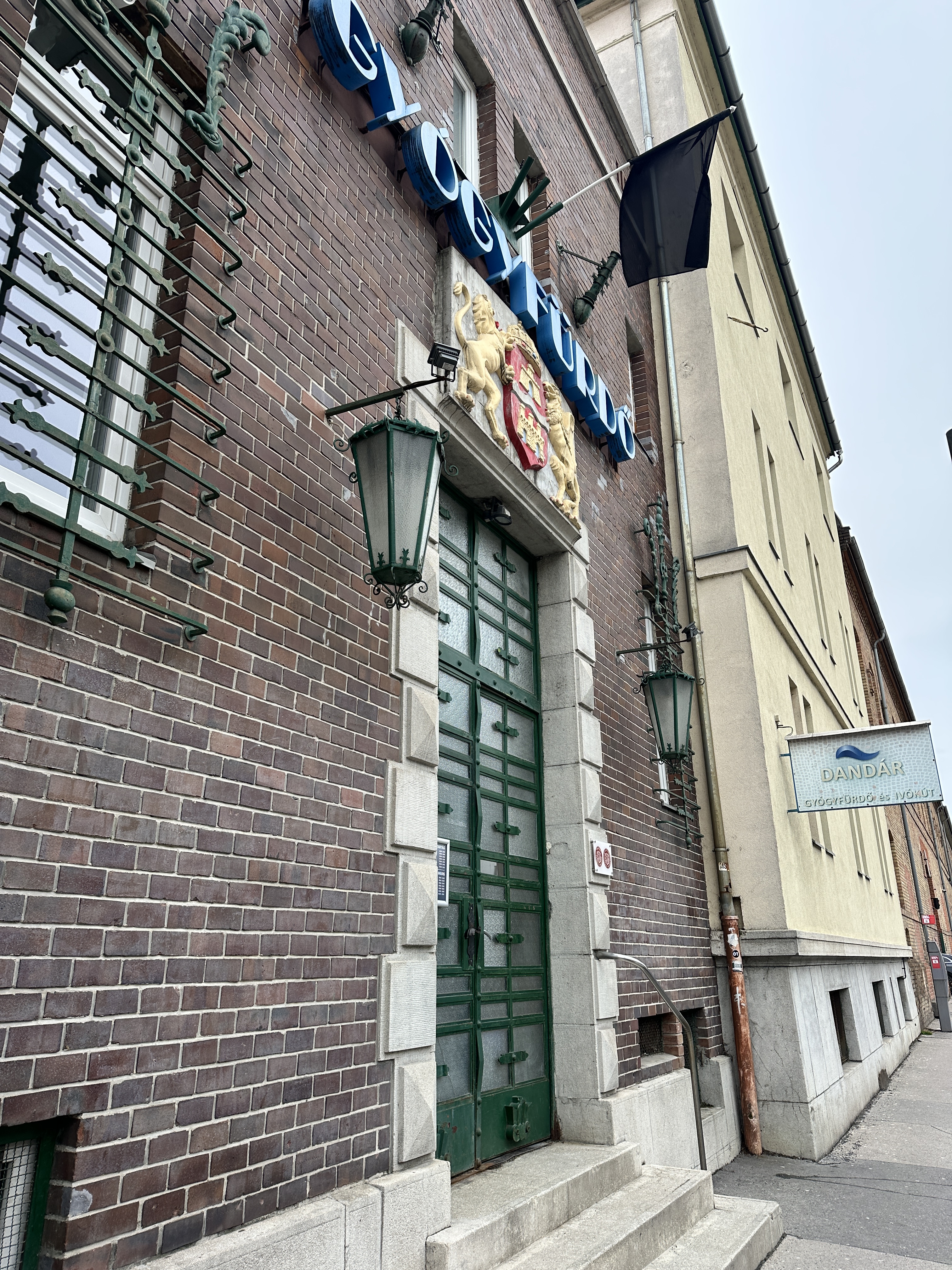
They all have their own rules regarding compulsory bathing hats or not, male or female only times and so forth. After a lot of research we opted for more of a local bath which was nearer to our hotel – described as ‘a bit off the beaten track and therefore quite authentic’ called Dardár Baths.

It had a Finnish sauna, a couple of inside pools at 35 and 38 degrees centigrade and a cold plunge. Outside were a further couple of hot pools which we enjoyed the most – being in nature is really calming and relaxing. We found it clean and user-friendly. We didn’t need to wear swim hats and could all go in together. You need to obviously remember a swim suit, flip flops and towels. I believe you can borrow the latter if required. They have large lockers that you can leave all your belongings. There is also the option of massages as well. For £9 you can wallow and hang out there all day so it was quite busy with local mature residents of Budapest catching up with friends and bathing.

2. Visit Central Market, also known as Great Market Hall

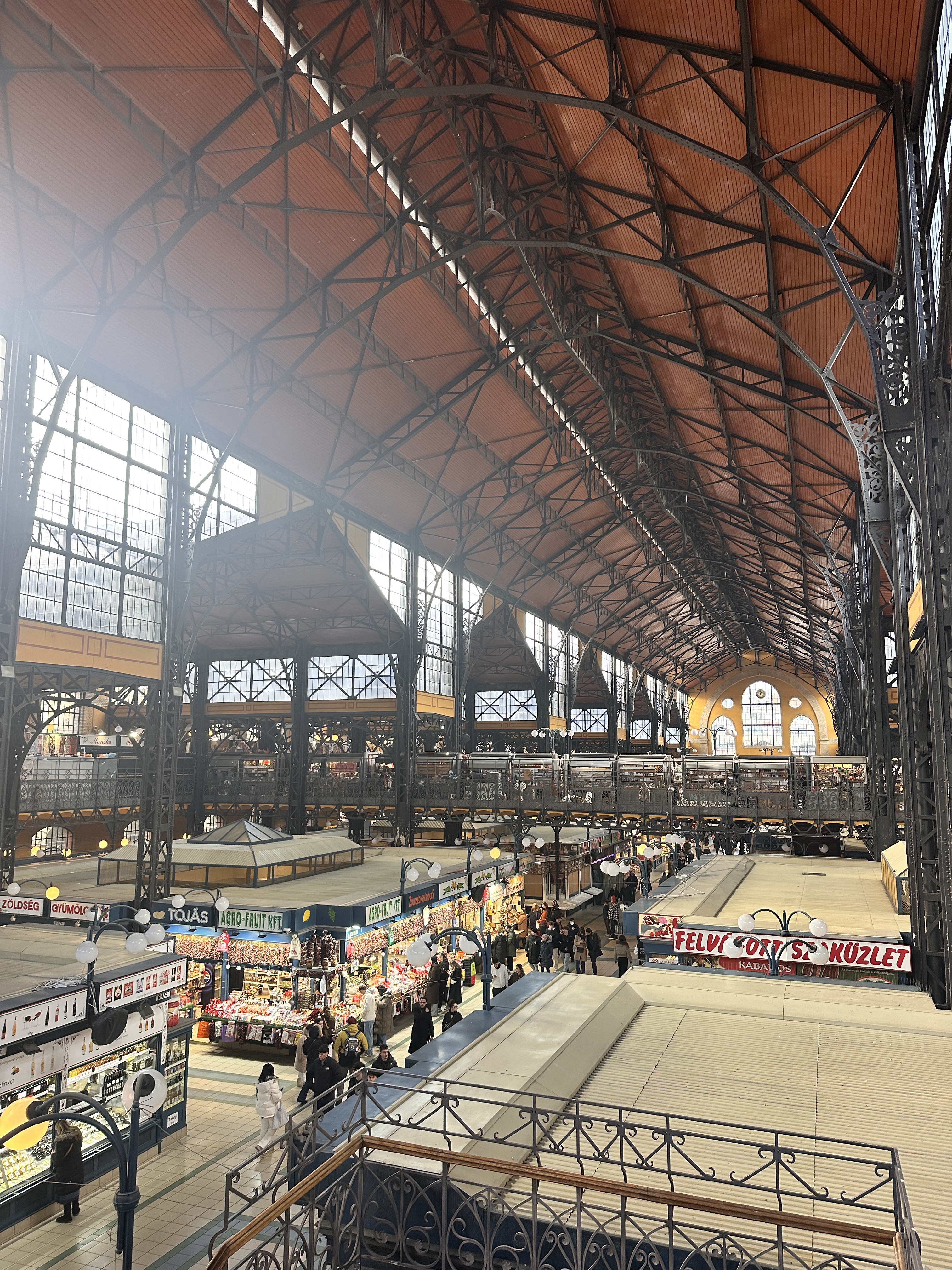
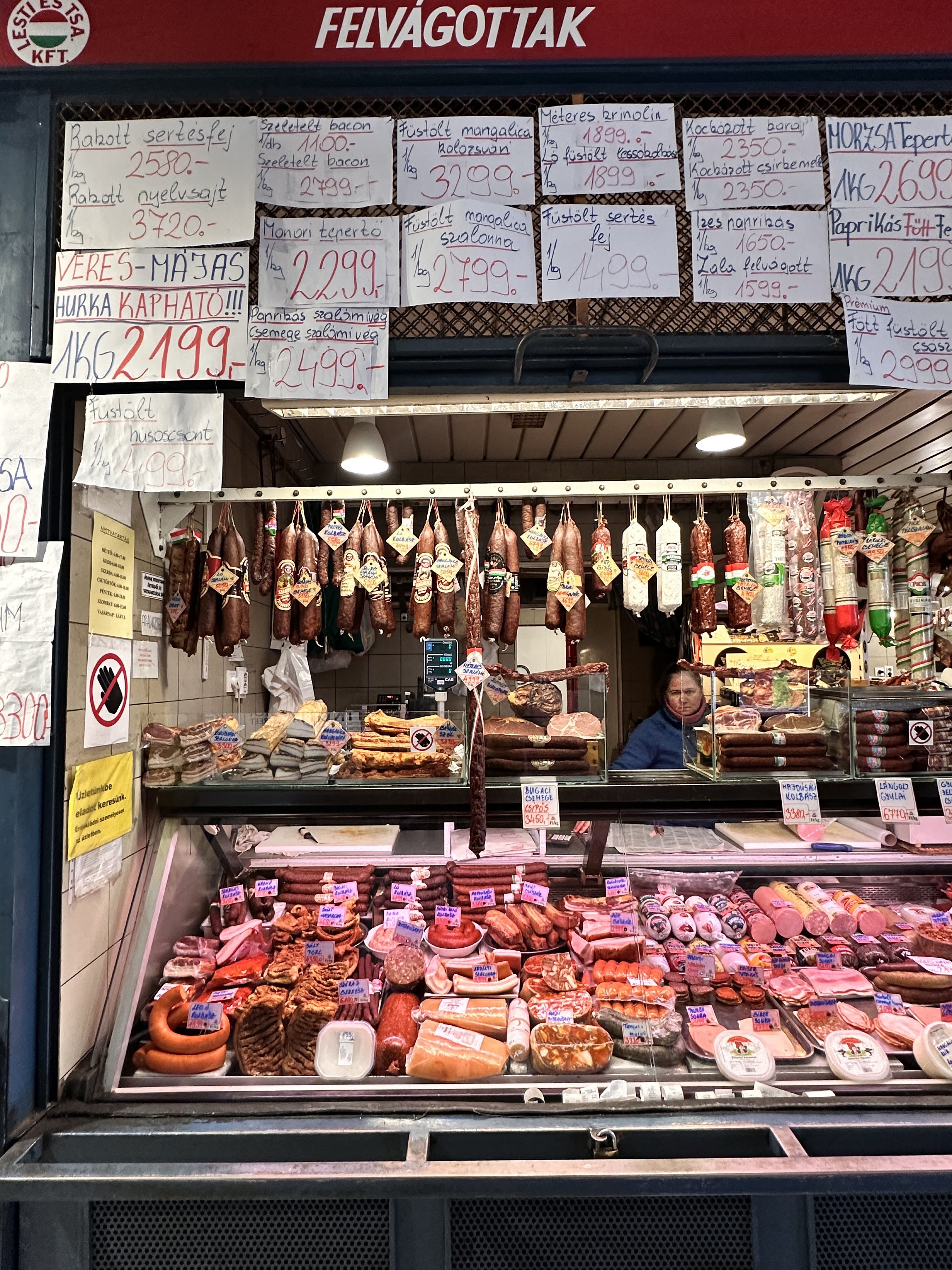
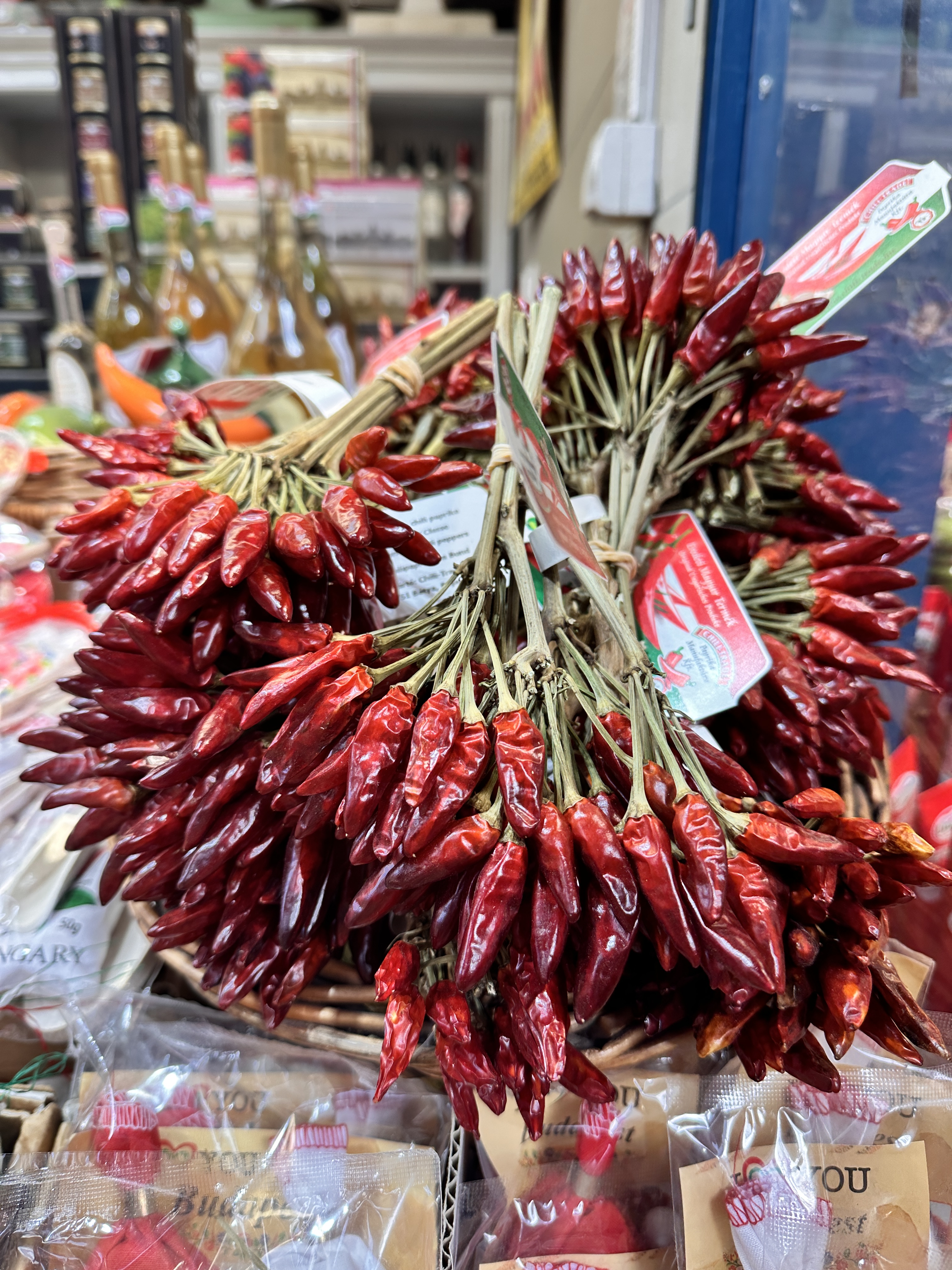
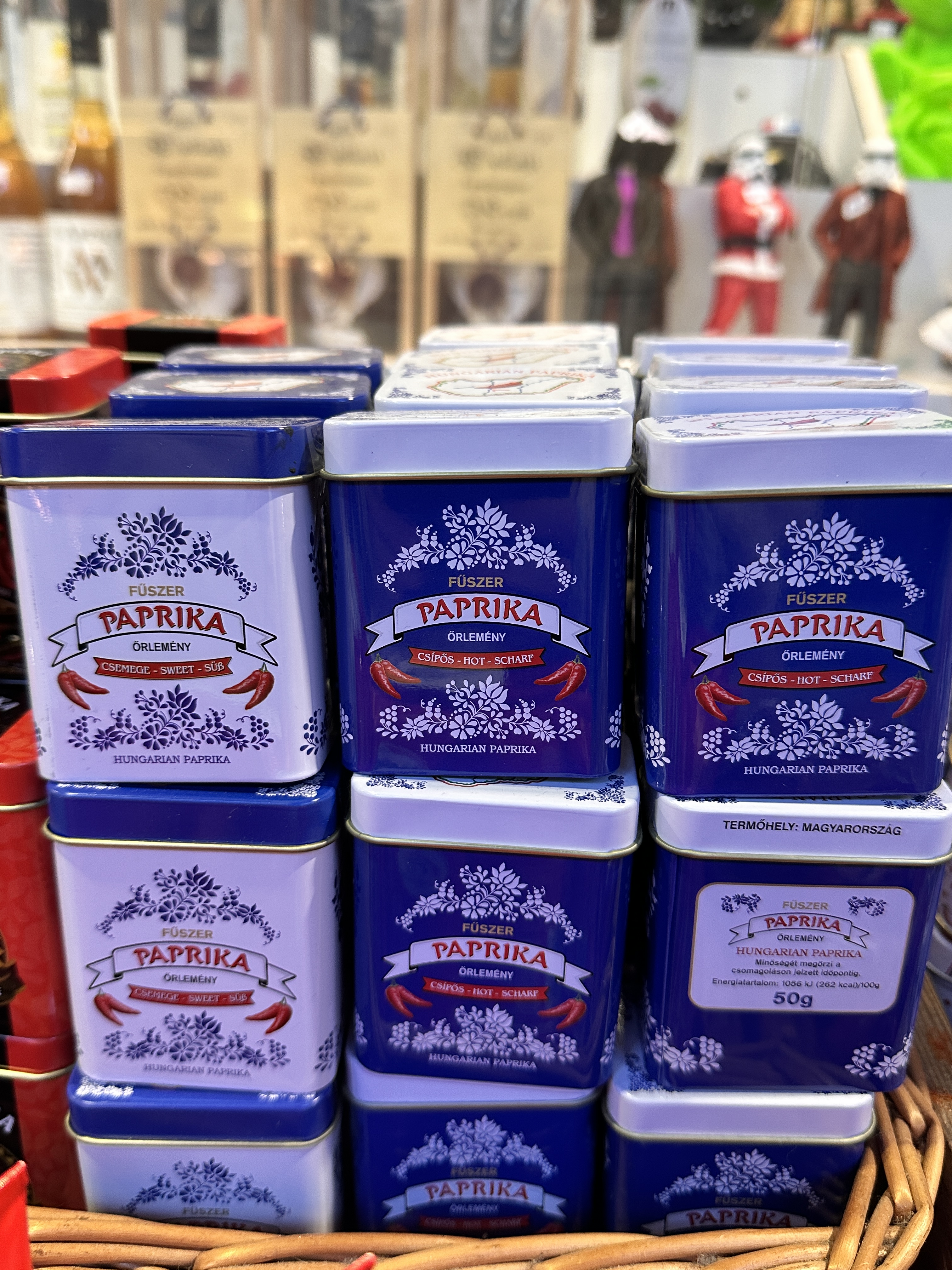
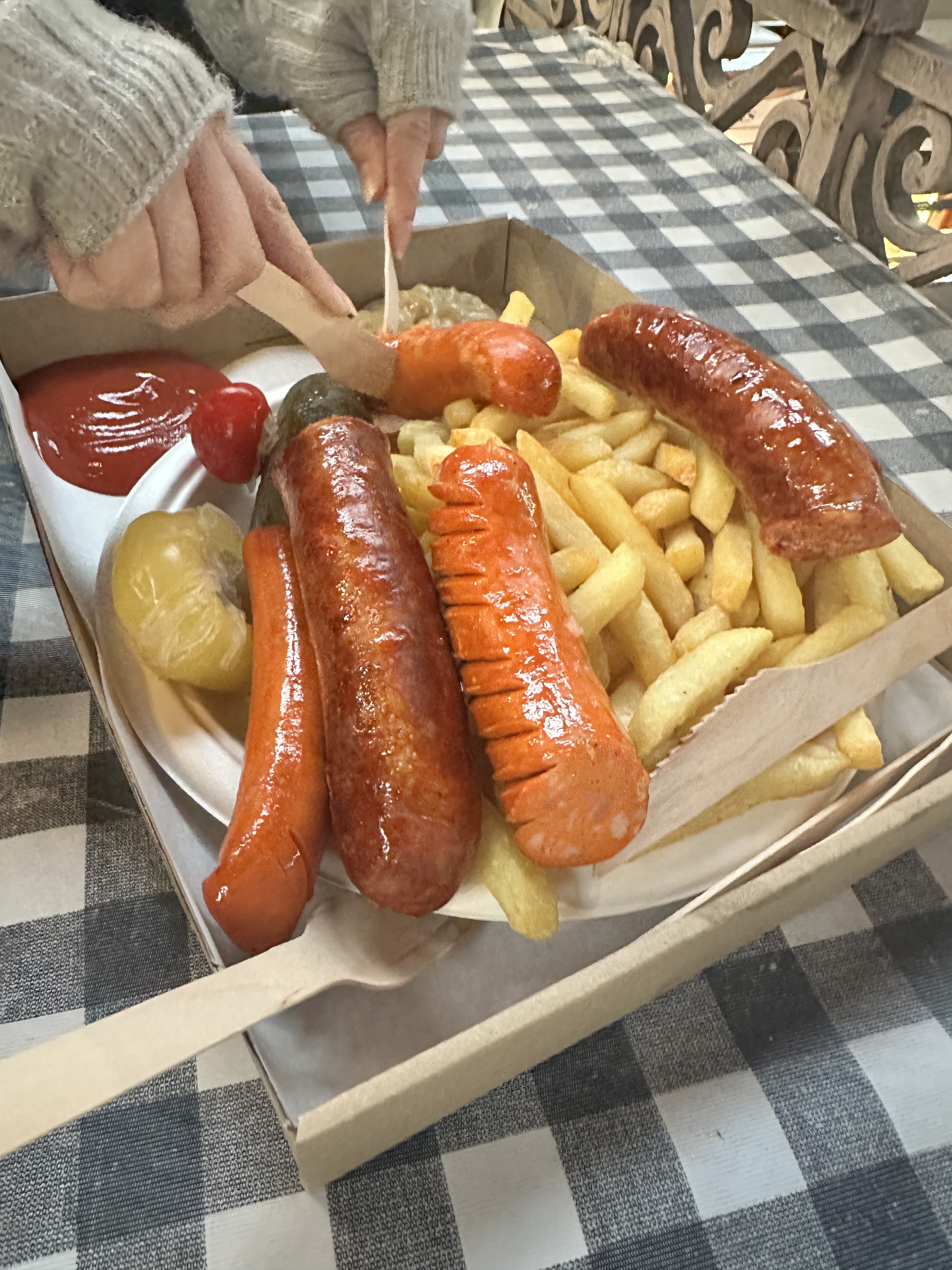
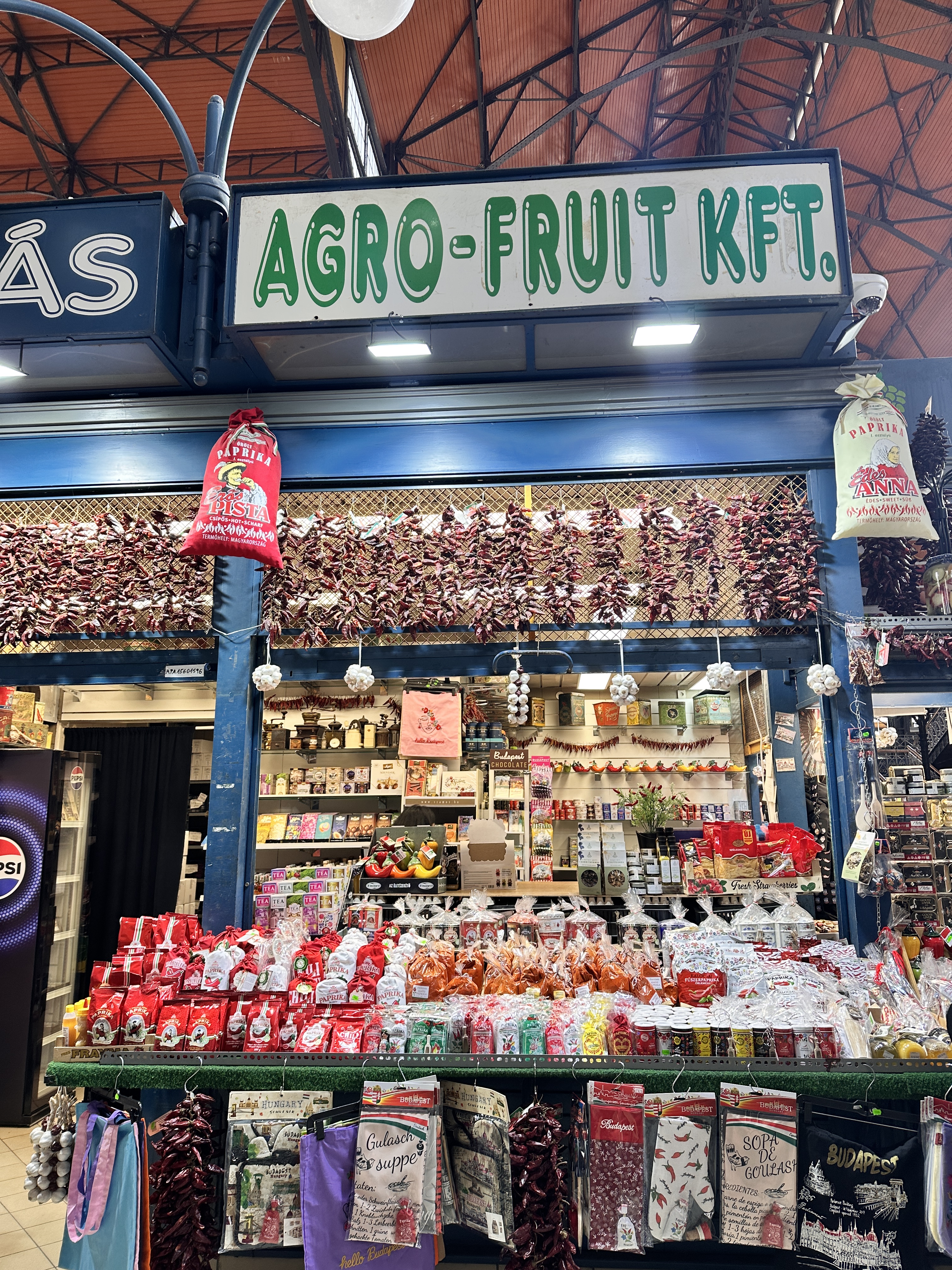
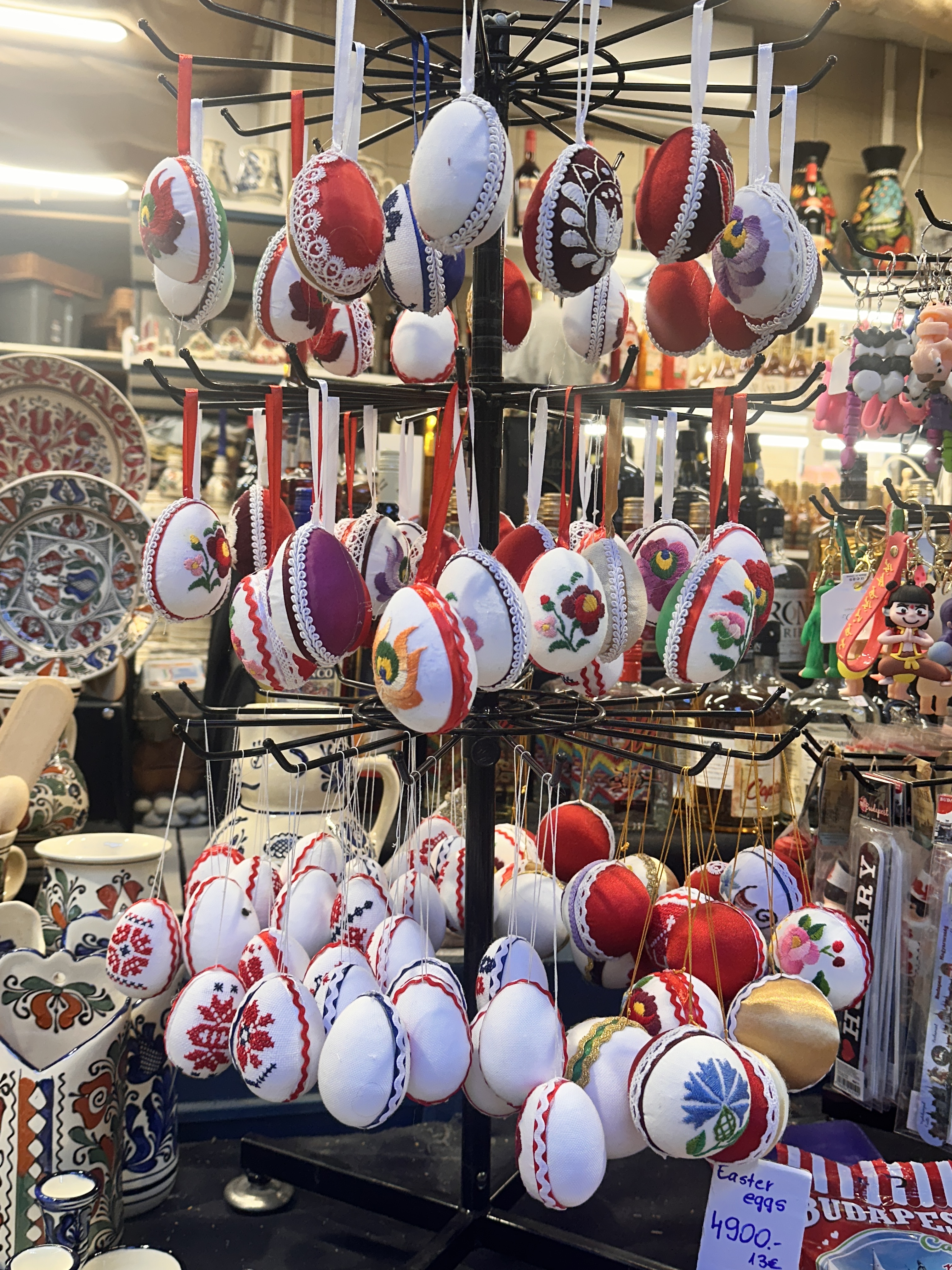
Restored in the 1990s the Neo-Gothic building was pretty spectacular. It has two storeys filled with Hungarian foods – a lot of salami – and crafts including a lot of Christmas decorations. I made a beeline for the hot and sweet smoked paprika in the pretty blue and white tins. The upper level has lots of eating options, where you can stand and watch the throngs below or sit down in a canteen style eatery. We devoured a few large Hungarian sausages known as kolbász, that are seasoned with a distinctive blend of spices, most notably paprika, served alongside some fries, pickles, and mustard. Delicious and £27 for the huge plate below.

3. Explore Old Buda, visit the Hungarian National Gallery and stroll around Fisherman’s Bastion

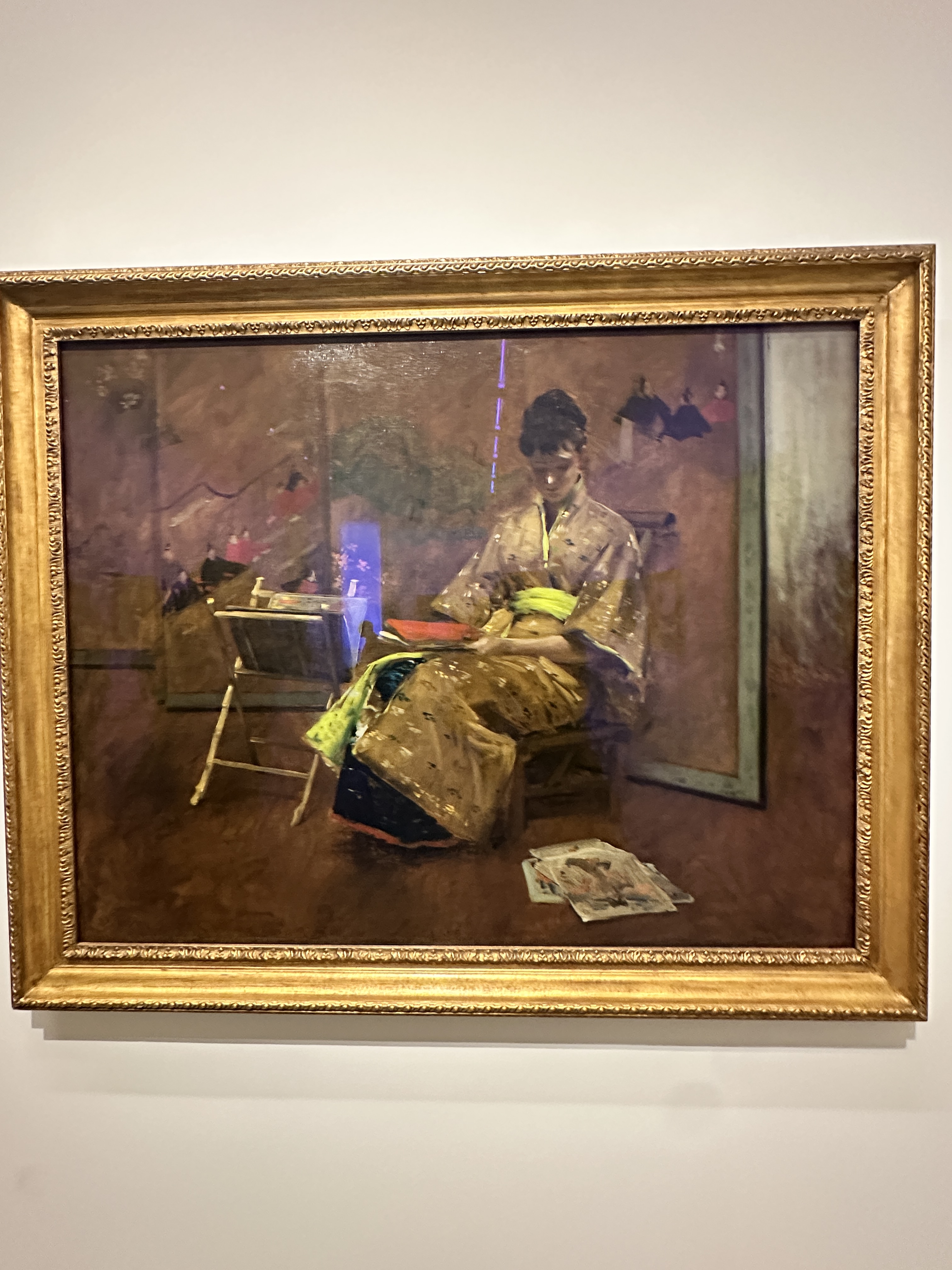
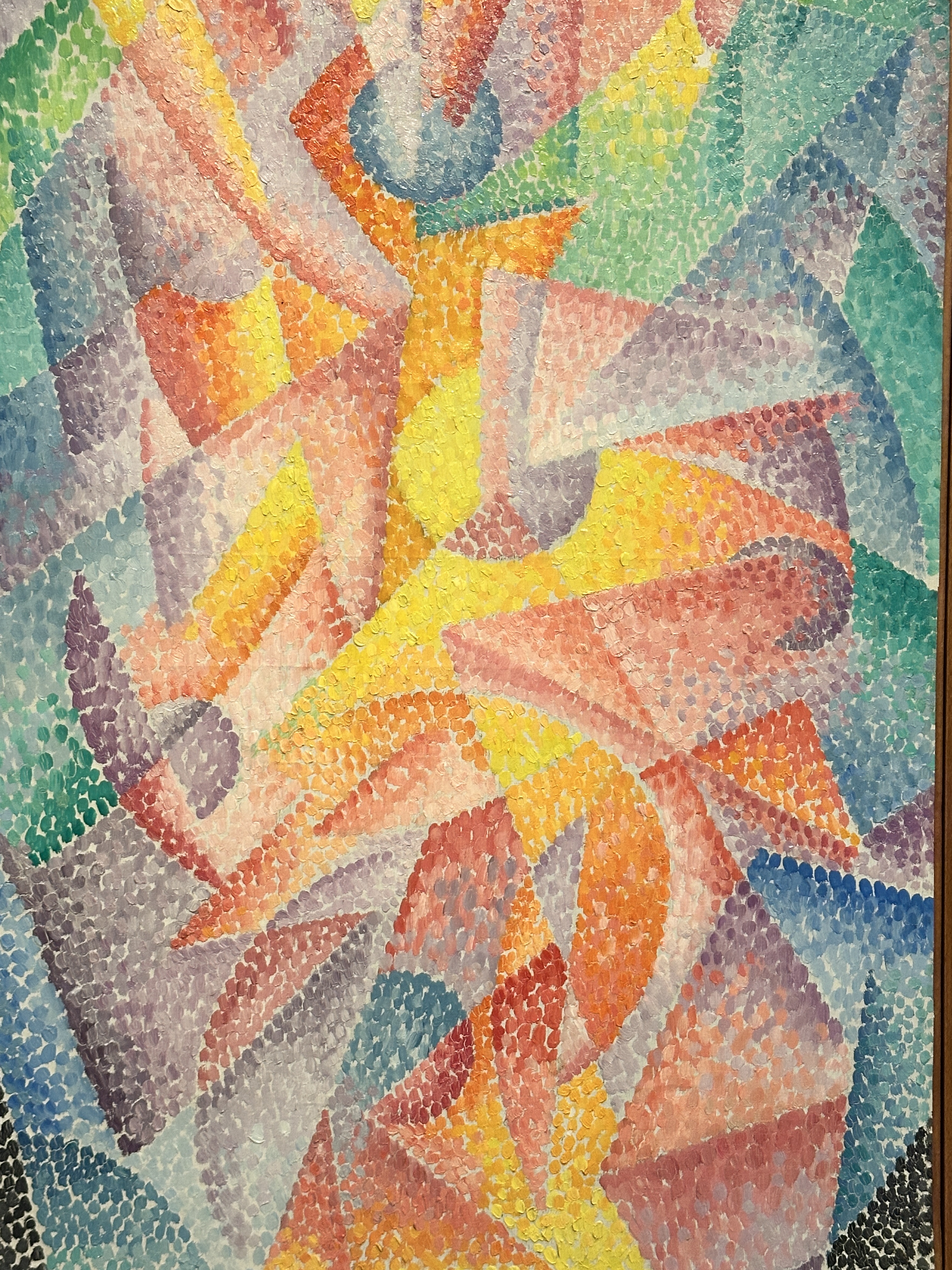
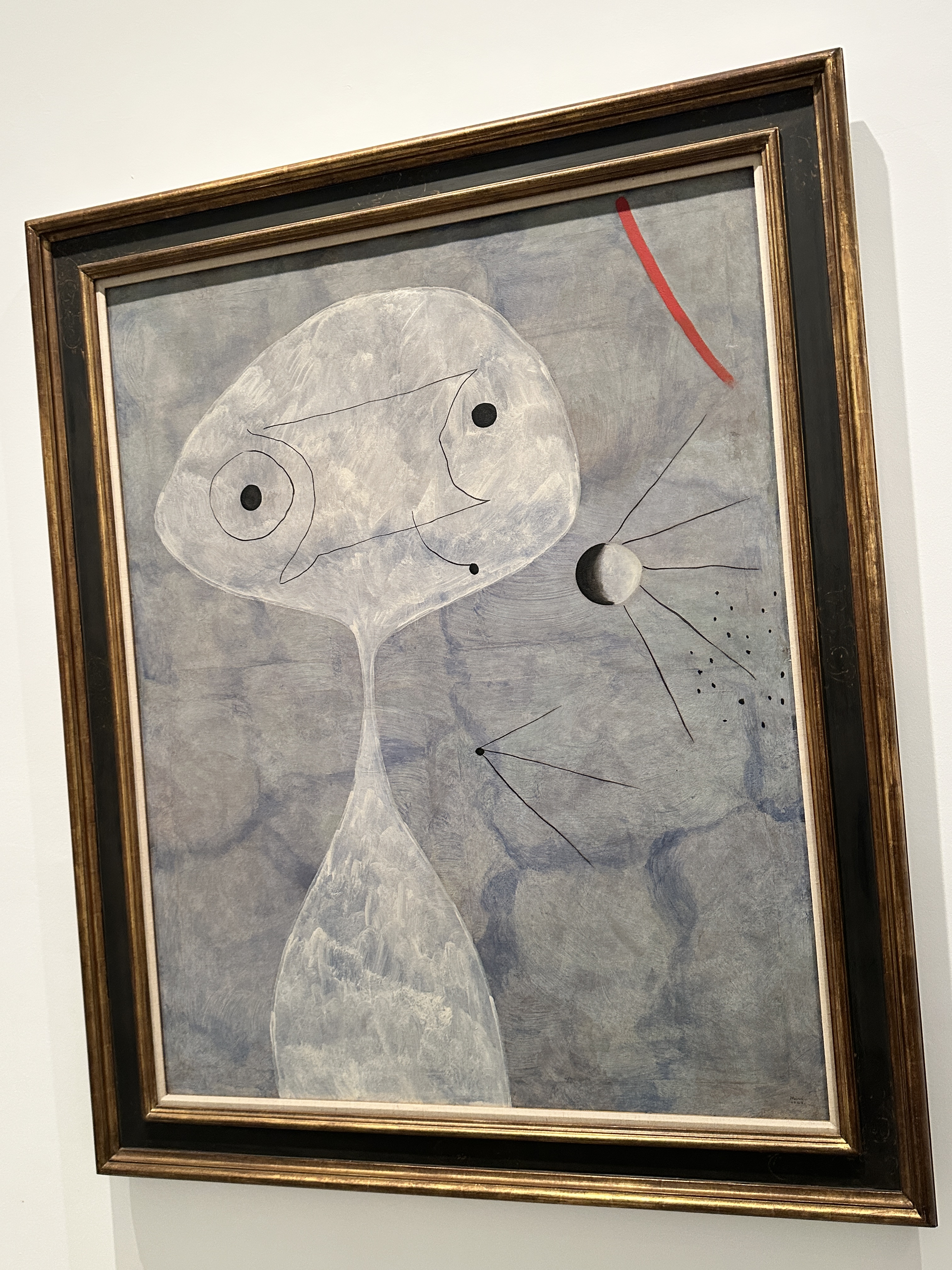
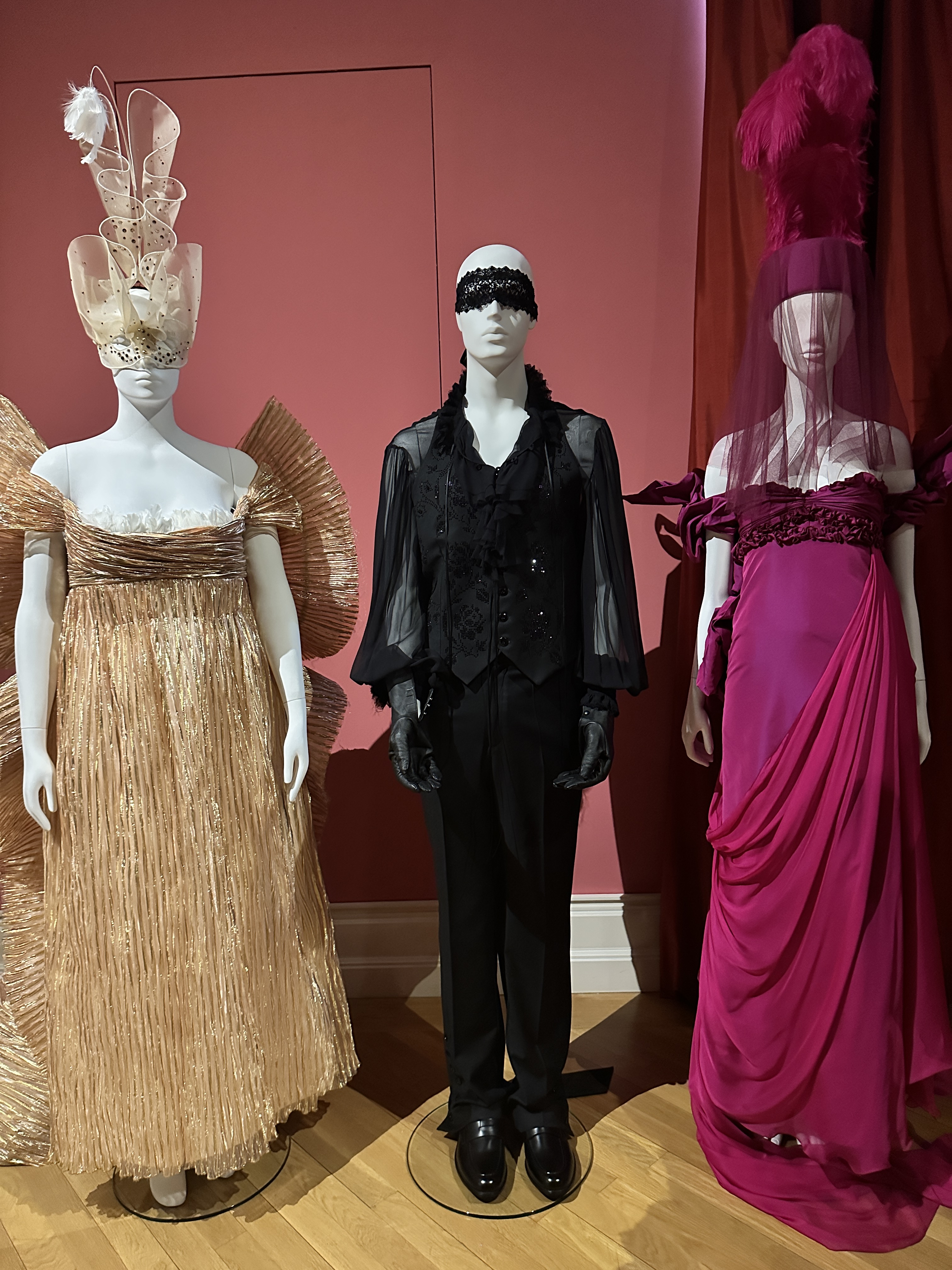
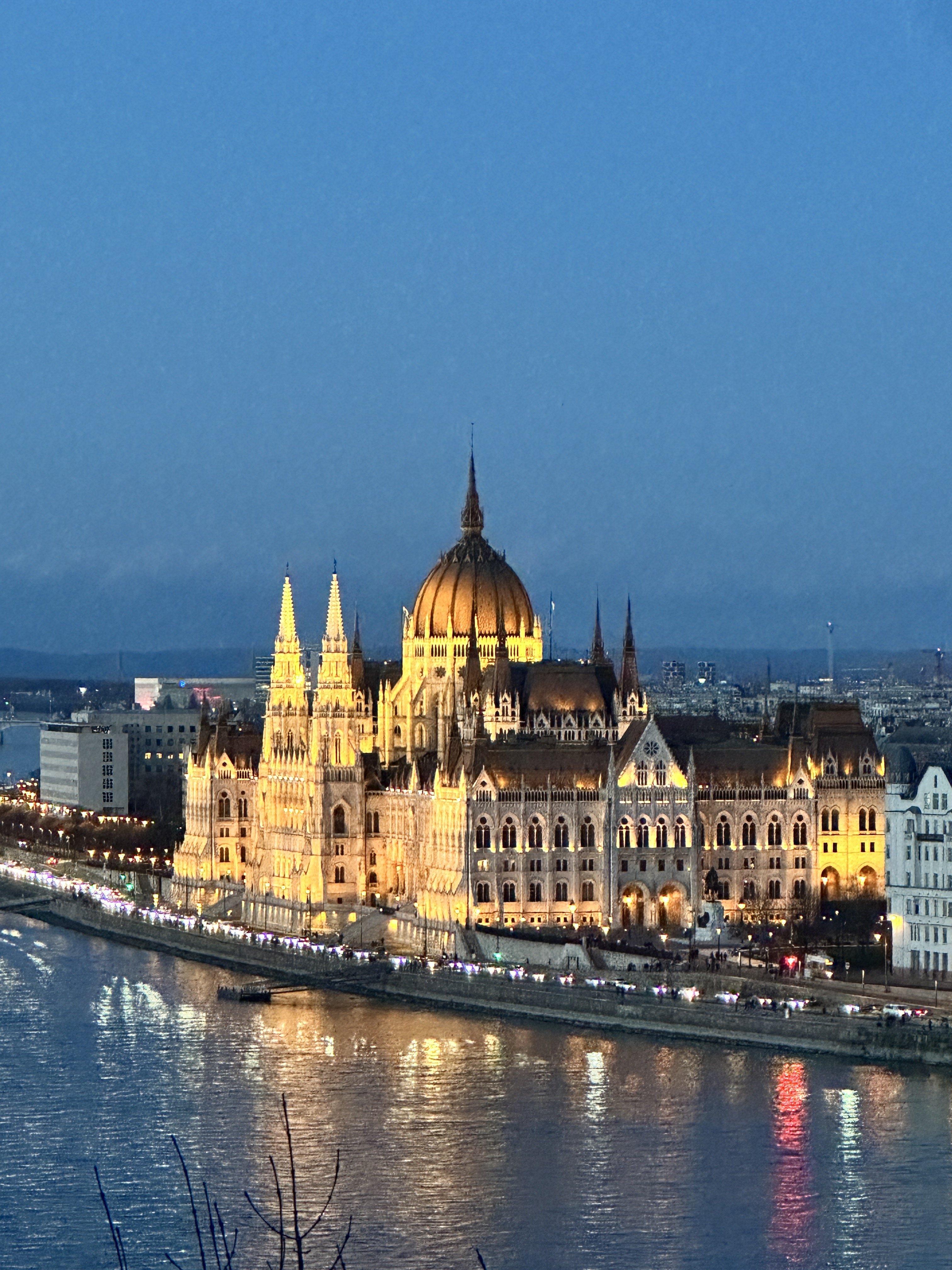
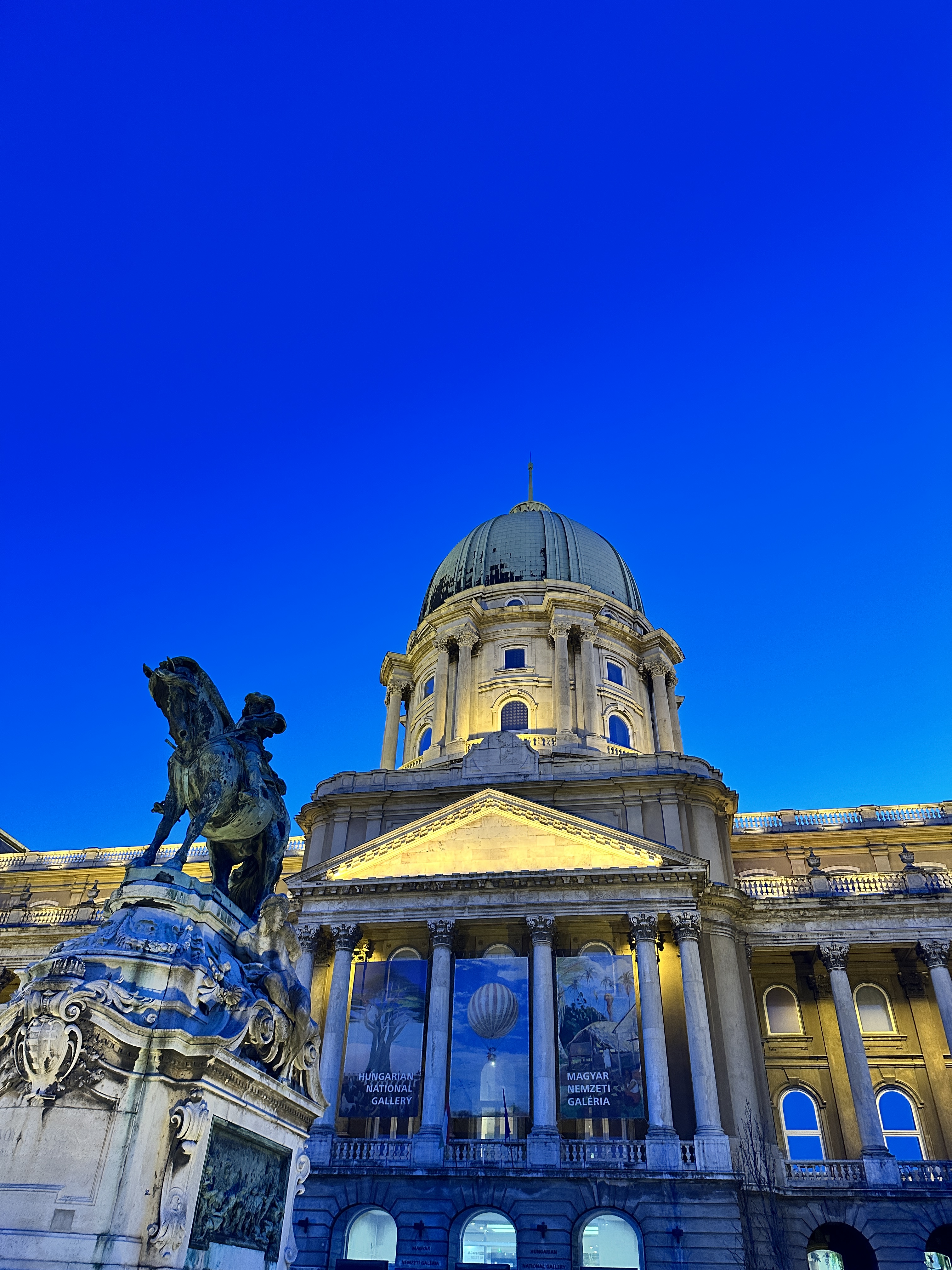
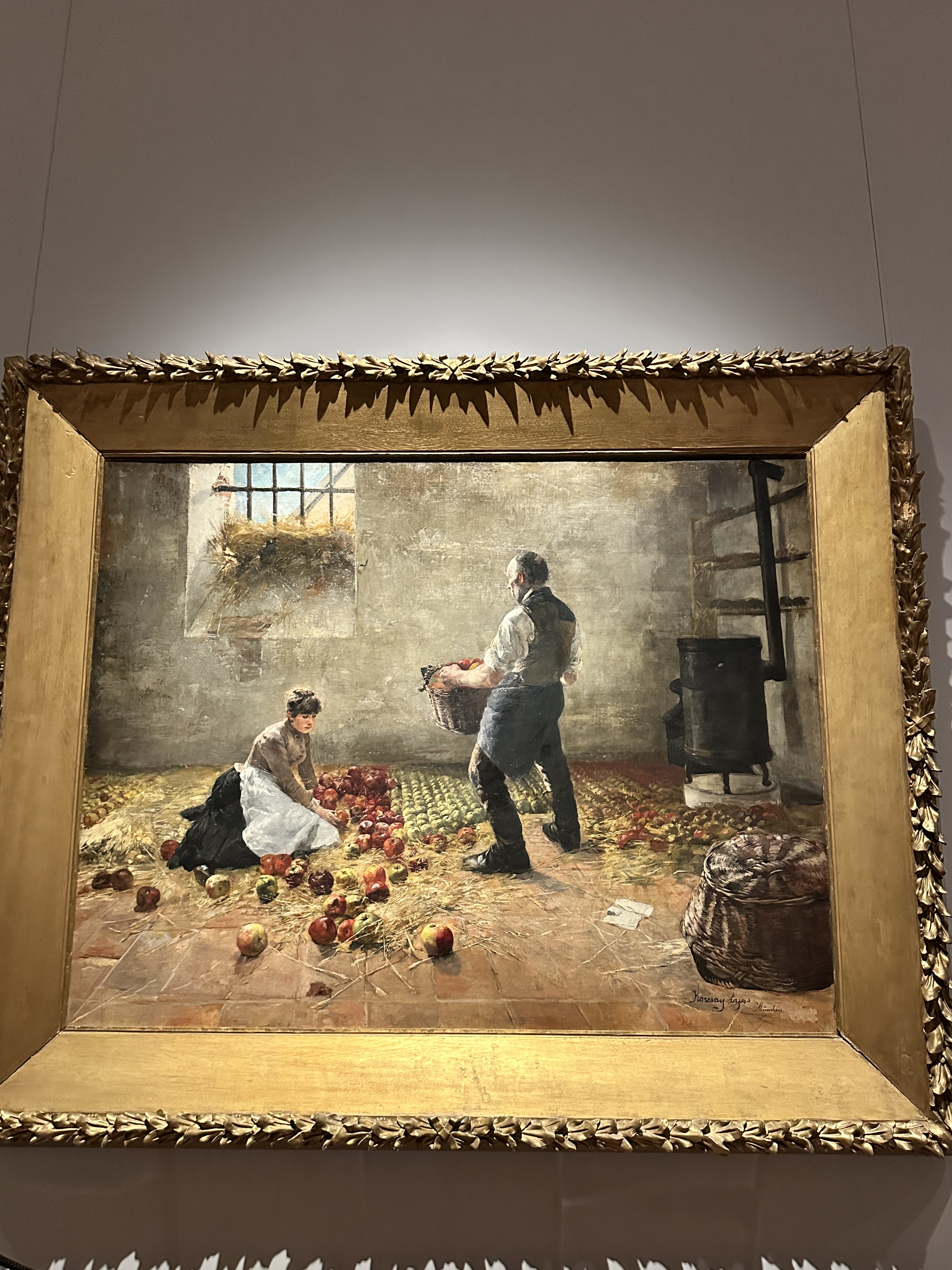
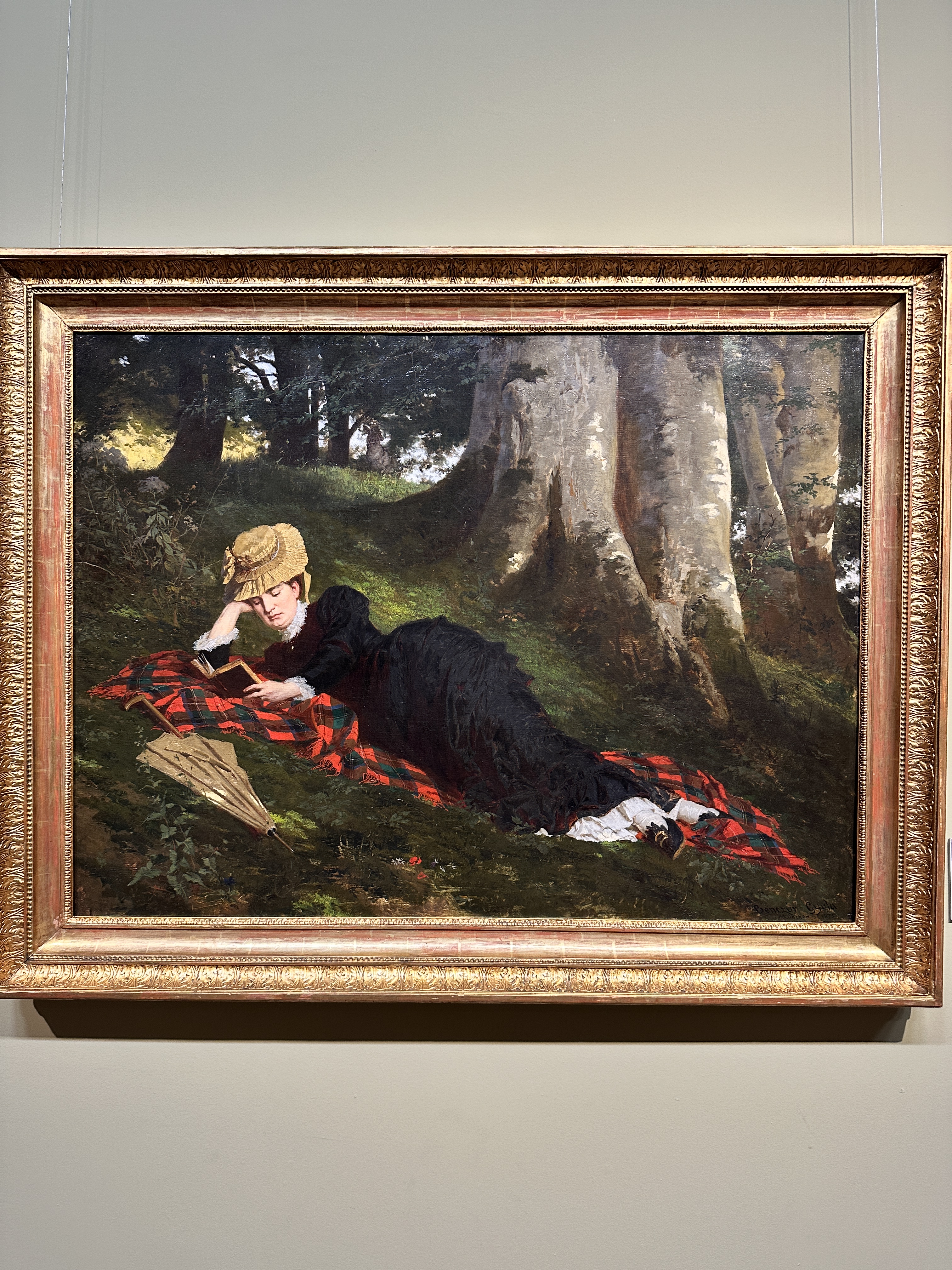
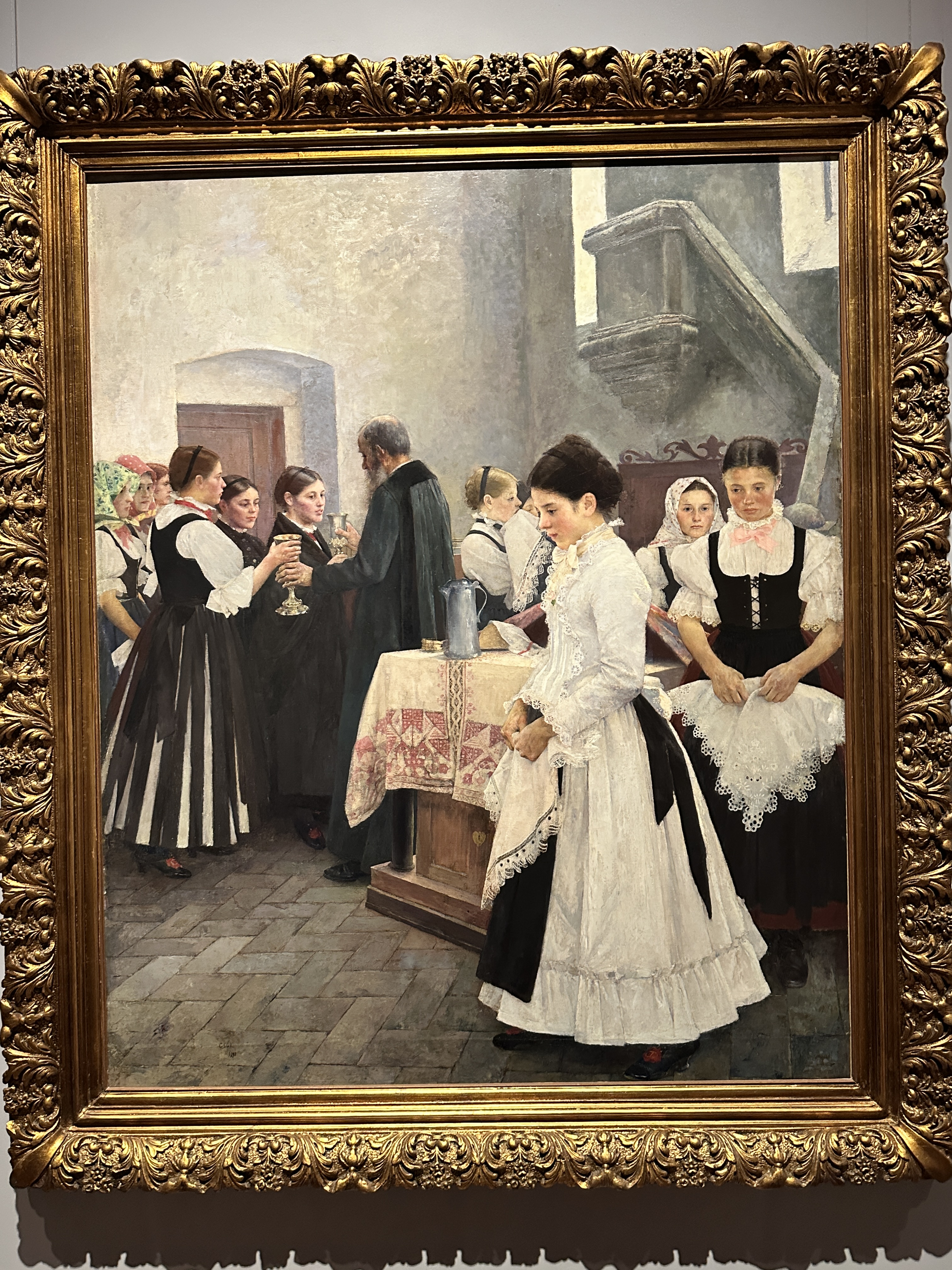
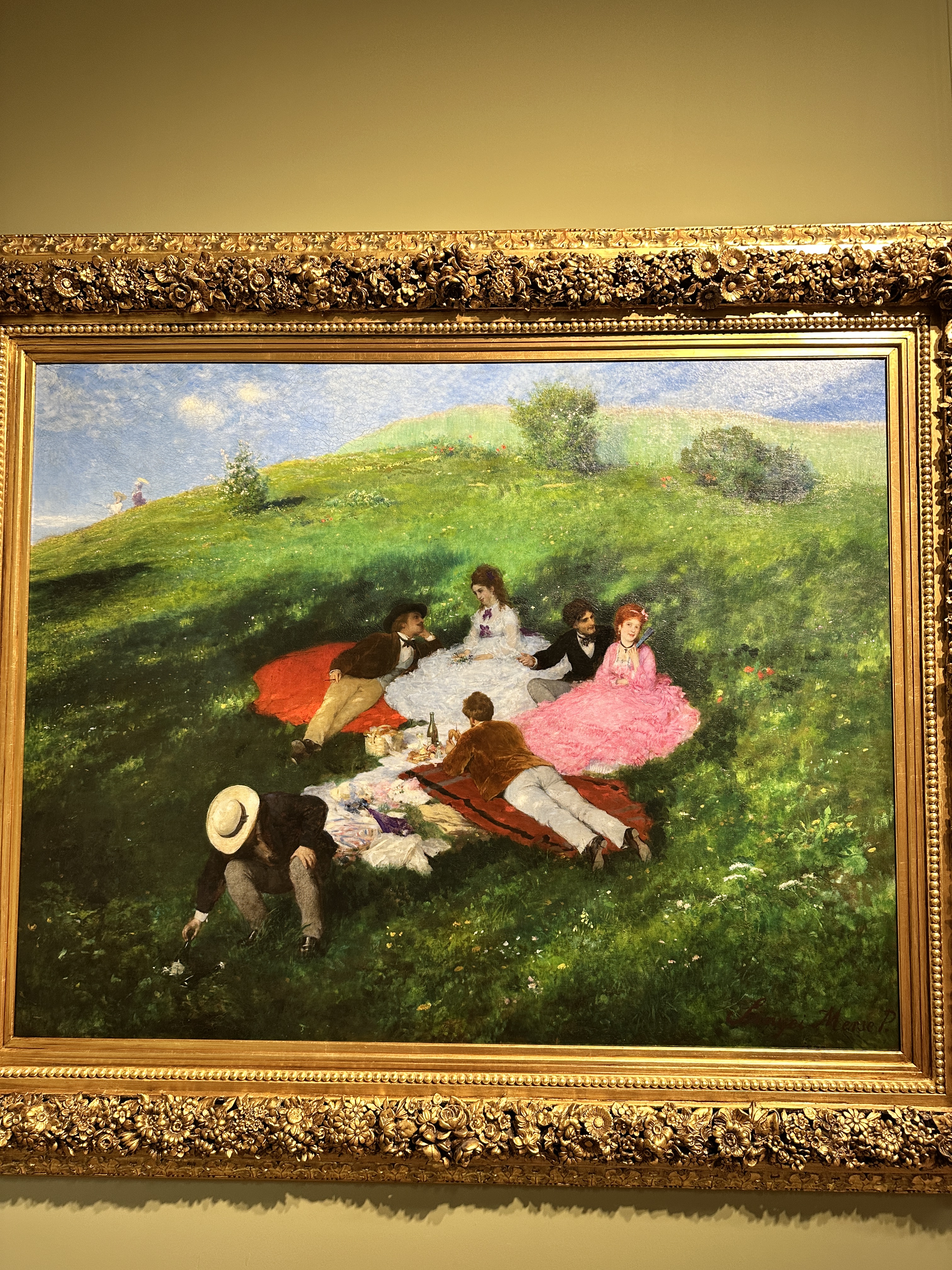
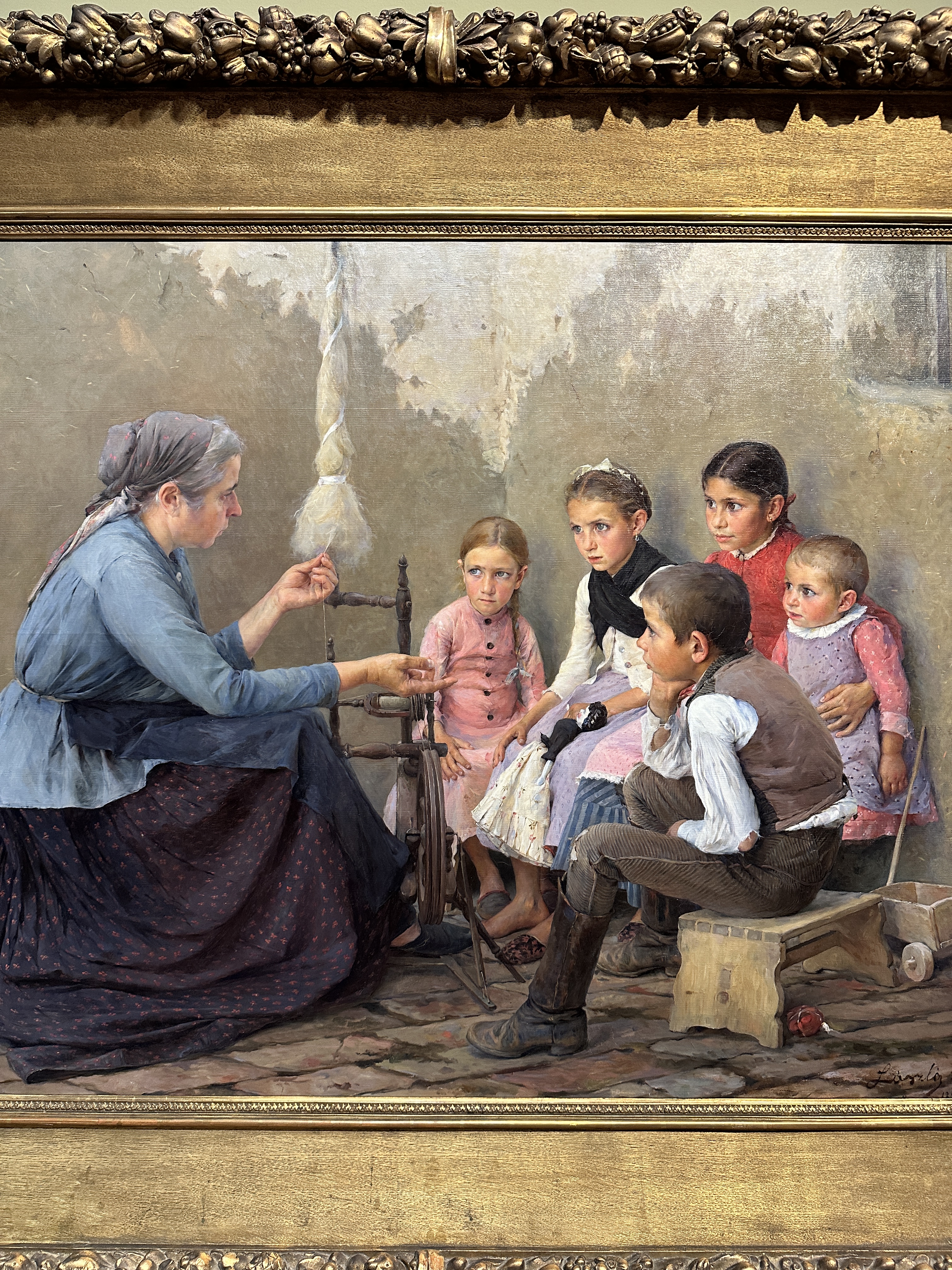
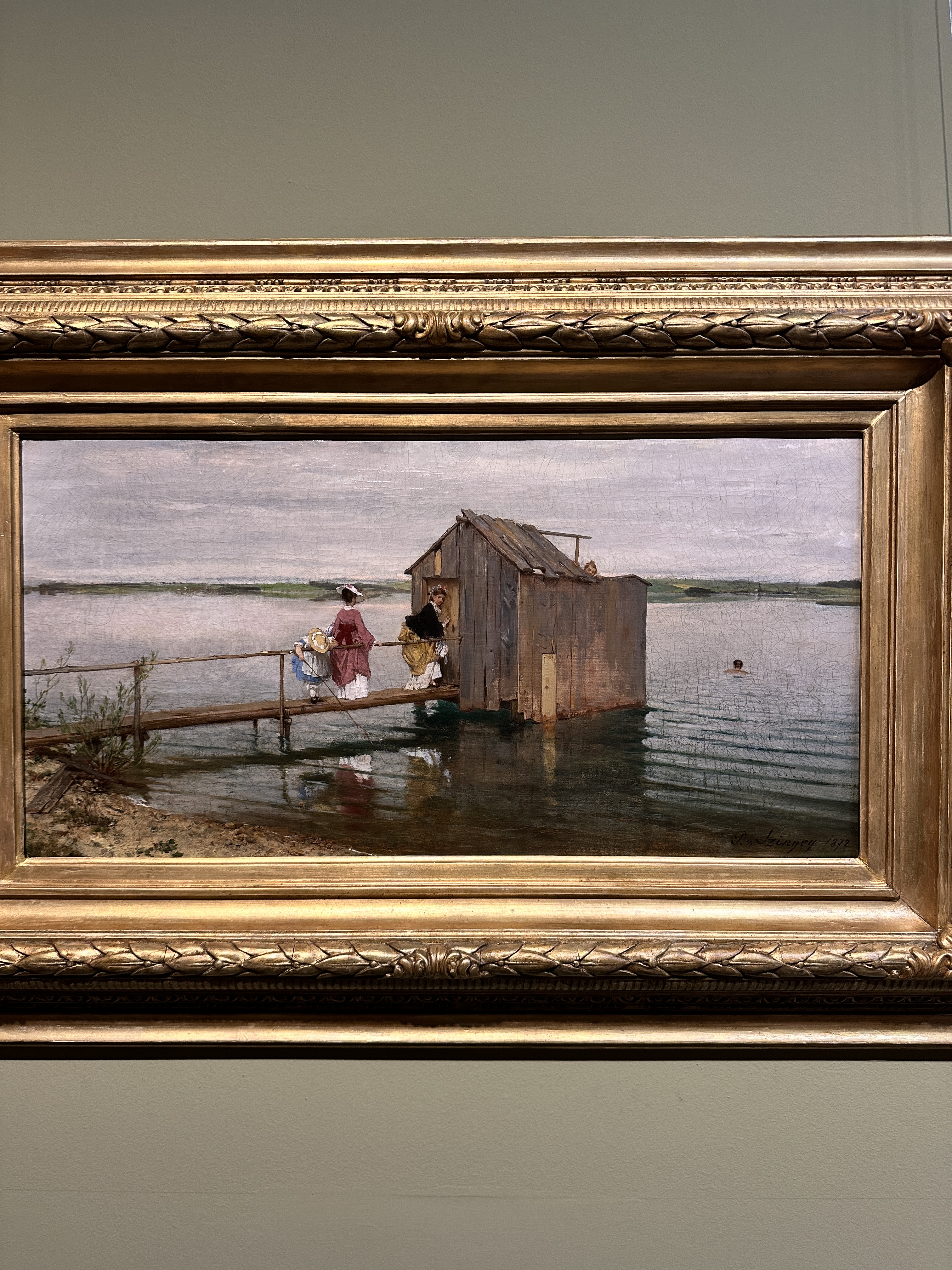
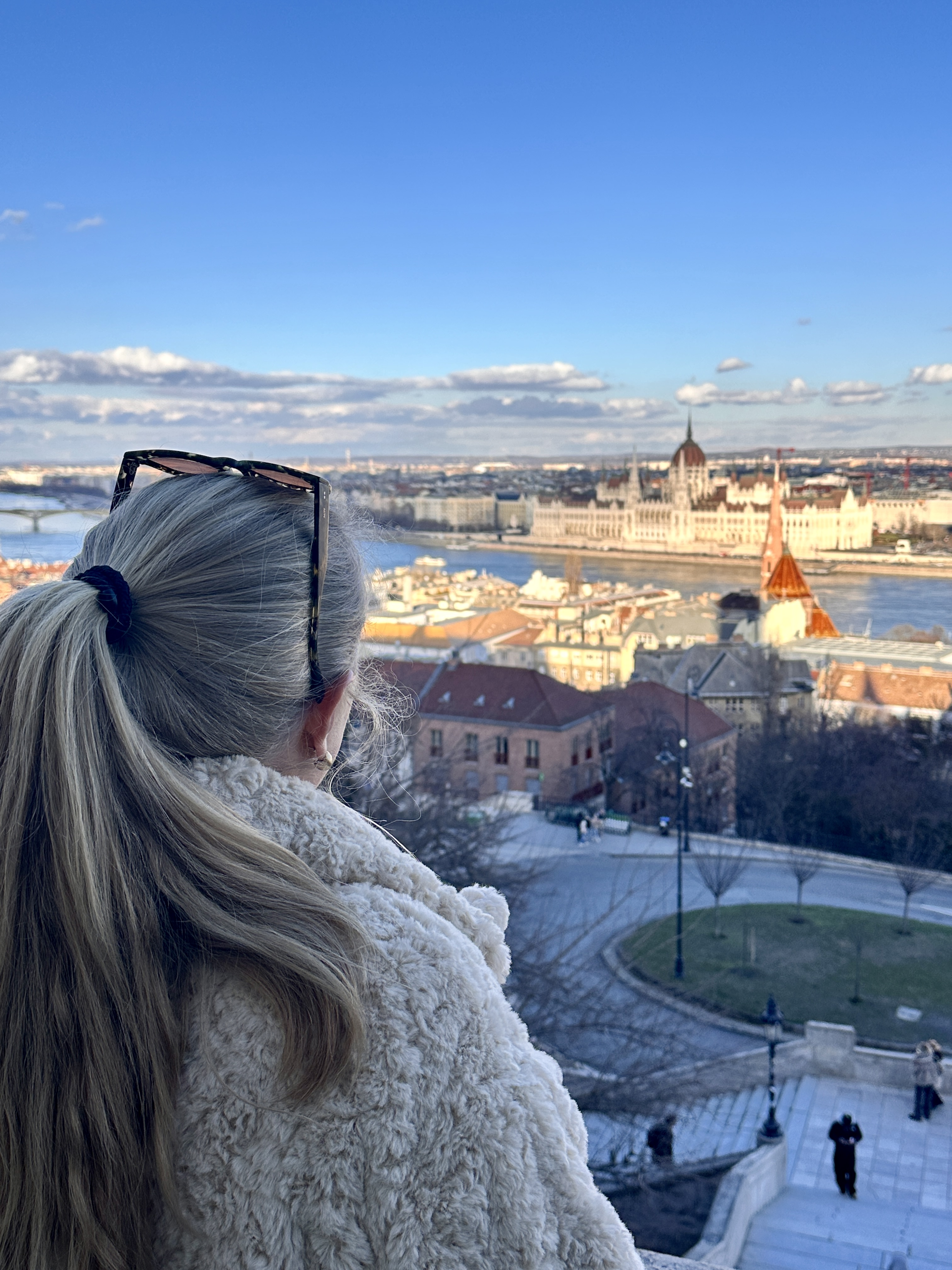
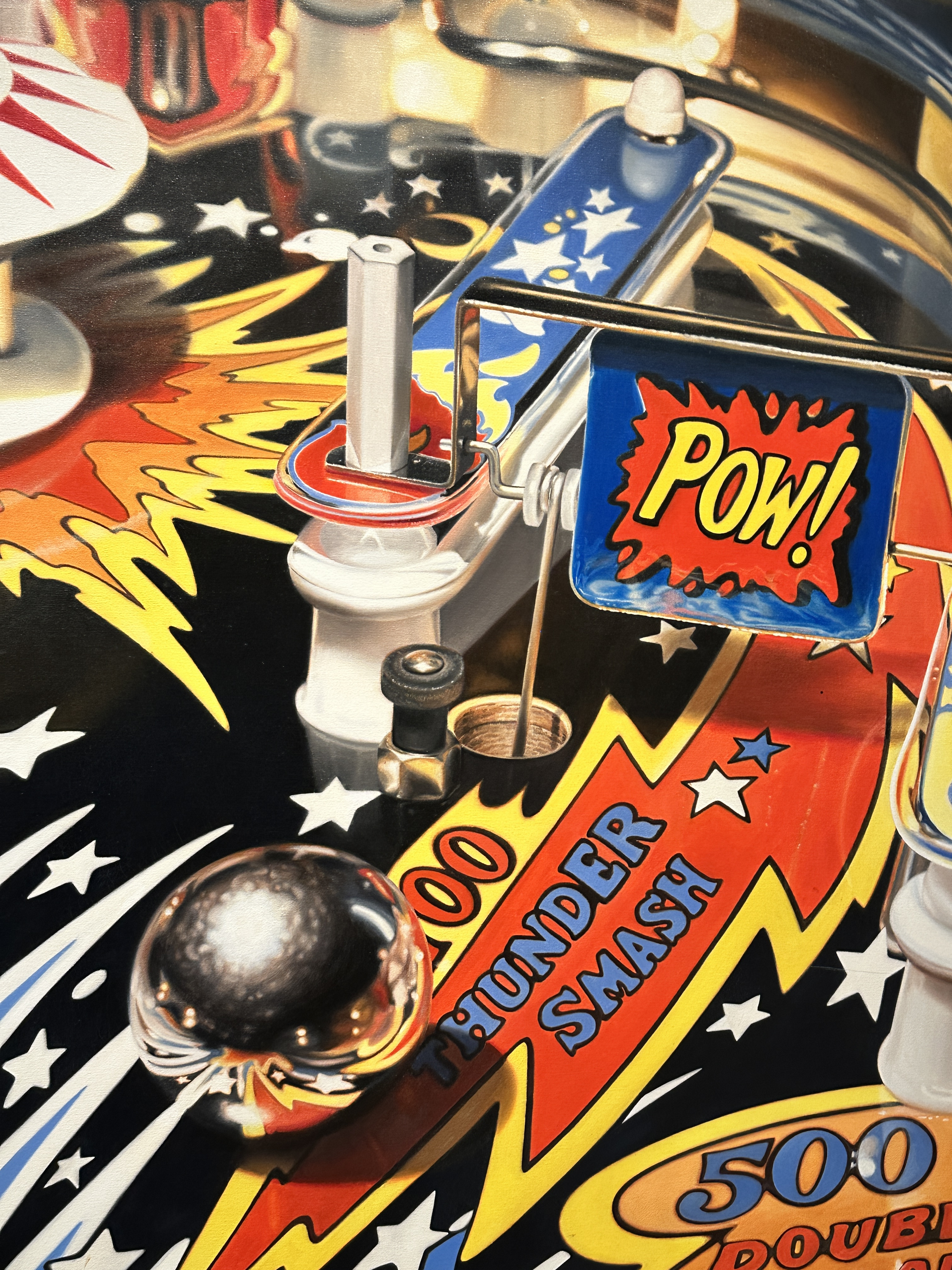
Heading over one of the bridges, walk to old Buda with its impressive view across to the parliament building and Pest. Housed in several wings of Buda Castle is the Hungarian National Gallery which has some spectacular art work. You could literally spend hours here and if the day is overcast, wet or snowy it is a good place to keep warm and enjoy the art. Below are few that caught my eye.

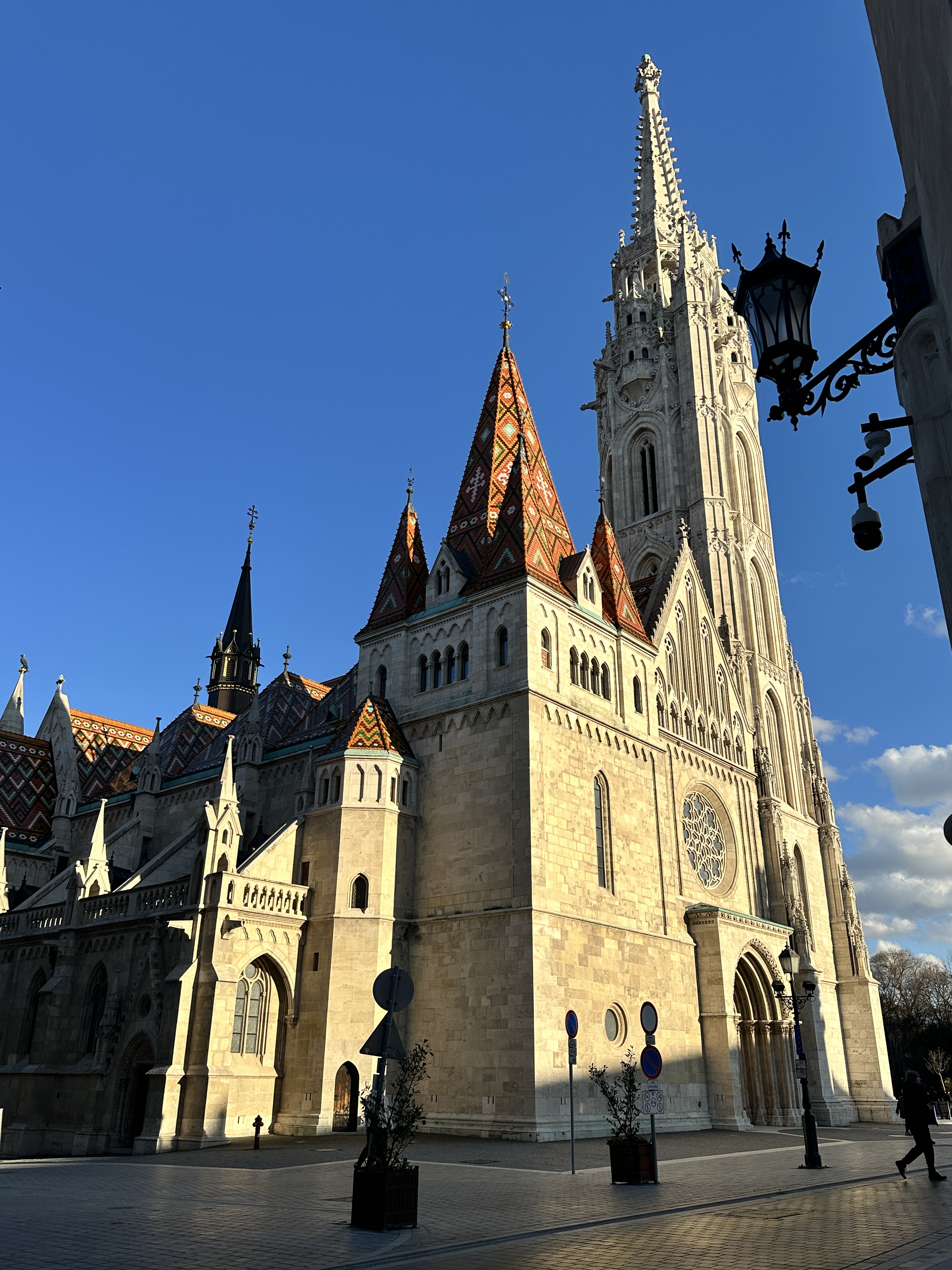
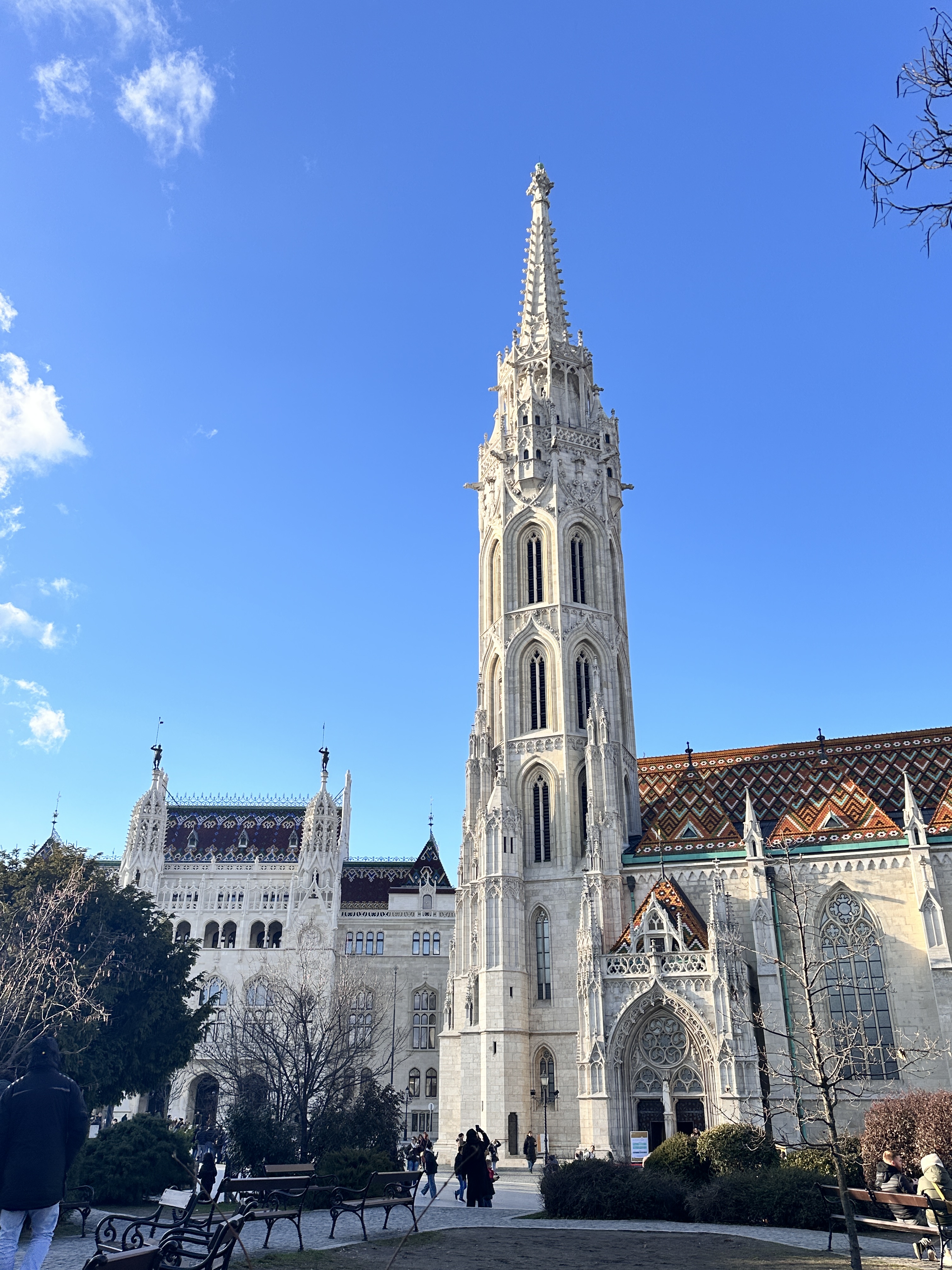
Over on the old Buda side there are some wonderful streets to wander down and churches to admire. You’ll also see Fisherman’s Bastion a Neo-Romanesque and Neo Gothic panoramic terrace built between 1895 and 1902 to celebrate the 1000th birthday of the Hungarian state. It looks like a medieval fortress with a sprinkling of ‘Disney magic’ and has seven, white-stone towers, arches, and courtyards connected by stairways and is located just behind Matthias Church. It is a UNESCO world heritage site and a popular must see when visiting Budapest.

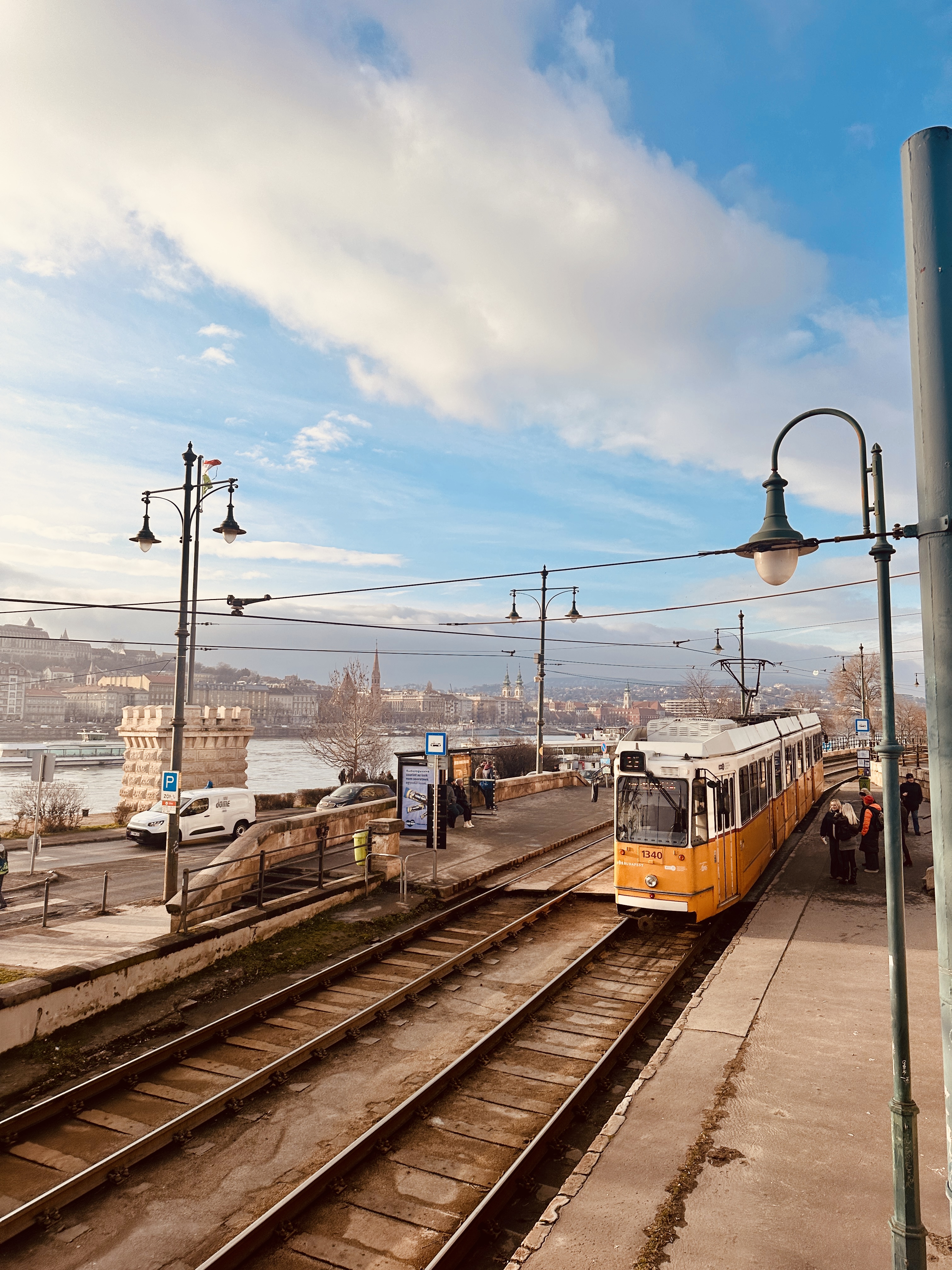
4. Ride on Budapest’s iconic yellow trams, known as villamos. You need to purchase a ticket before getting on and then activate them in the machine once you board the tram. The tube/underground/metro works really well too. Make sure you go on the M1 (yellow line) which is the oldest and features historic tram like carriages built in 1896 and runs below Andrássy Avenue.

5. Walk along the Danube and then board a river cruise

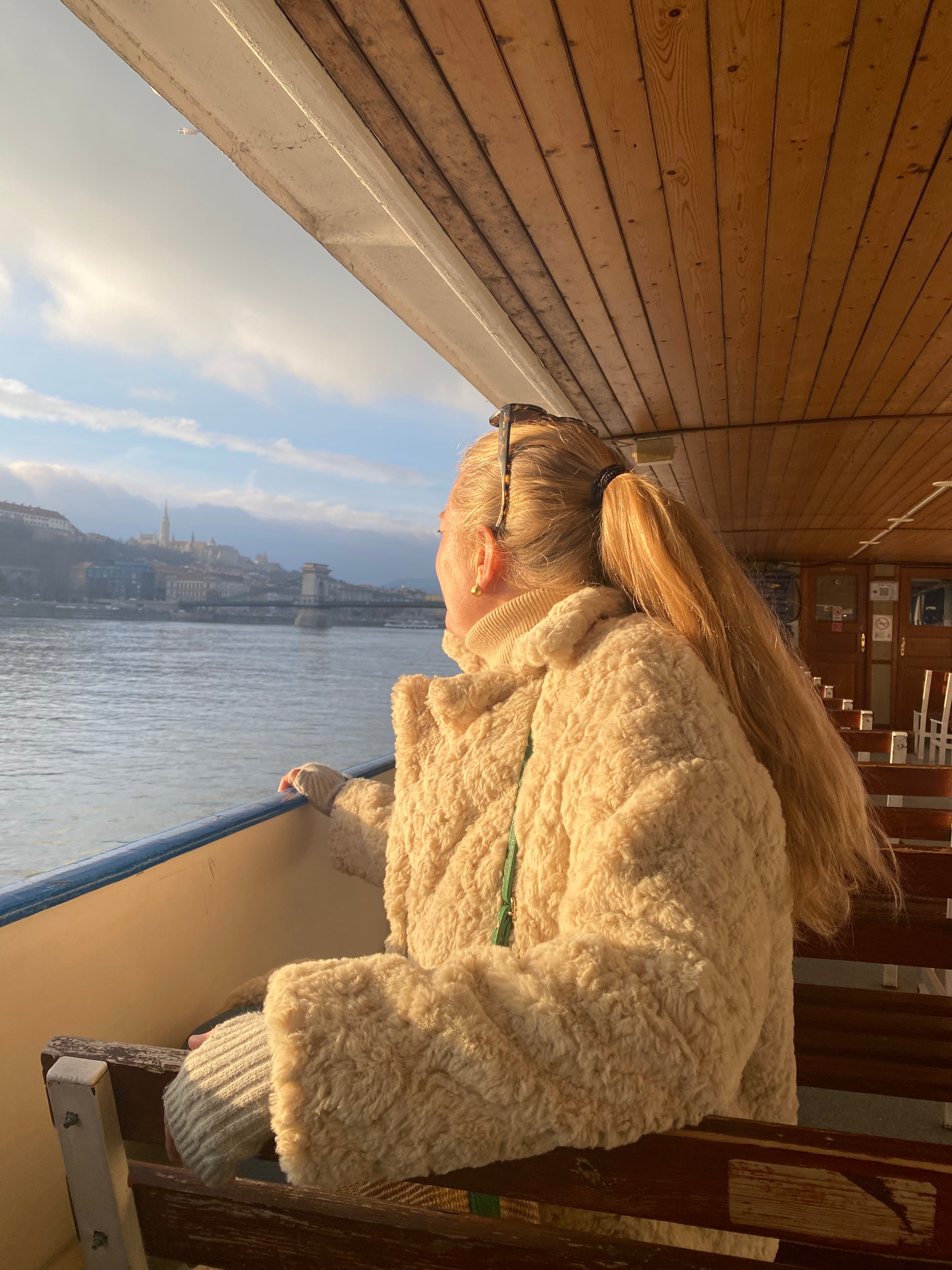
Stroll along the Danube and you will find many companies offering river cruise. We found one that was about to leave so secured some tickets and headed down the river to watch the sunset. We sat above deck initially all wrapped up warm and then when the weather dipped dramatically we headed downstairs to the warmth to watch the world go by. The cruise offered glasses of bubbly and orange juice and lasted around 45 minutes.

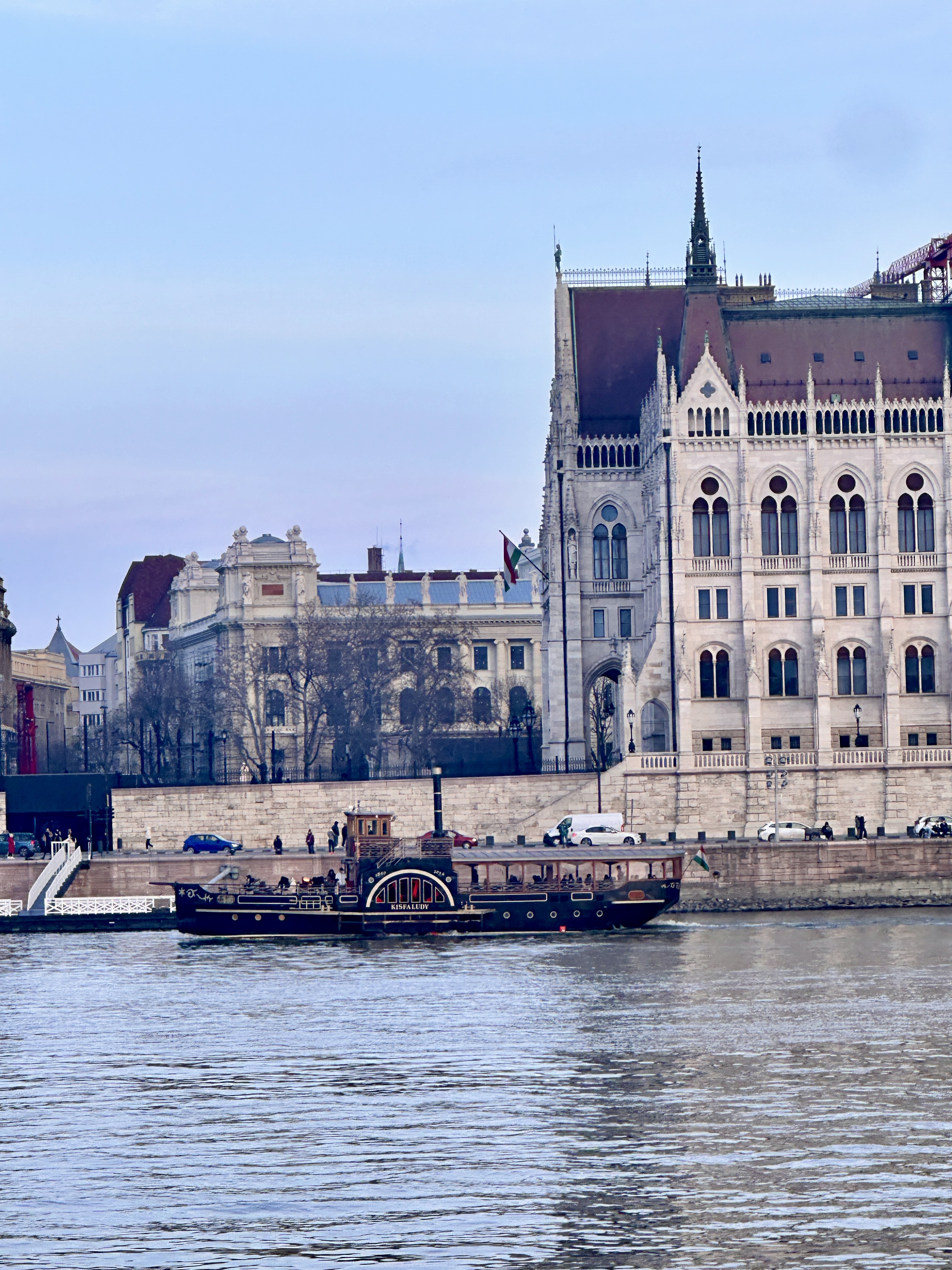
I noticed a rather charming wooden boat known as the ‘Kisfaludy Paddle Steamer’ as we cruised by, which apparently is a 2014-2015 replica of the first 19th century steamboat on Lake Balaton. You can book a trip on it here.

6. Art lovers will adore The Museum of Fine Art

We initially had plans to visit ‘The House of Terror Museum’ to learn more about the history of the region. It was raining and the queue was long and apparently not going anywhere. After talking to some fellow Brits at the front of the queue we learned they had not moved in 45 minutes and were letting people out but not in. I can’t stand queueing at the best of times so we all agreed we would give it a miss and head on to The Museum of Fine Art.

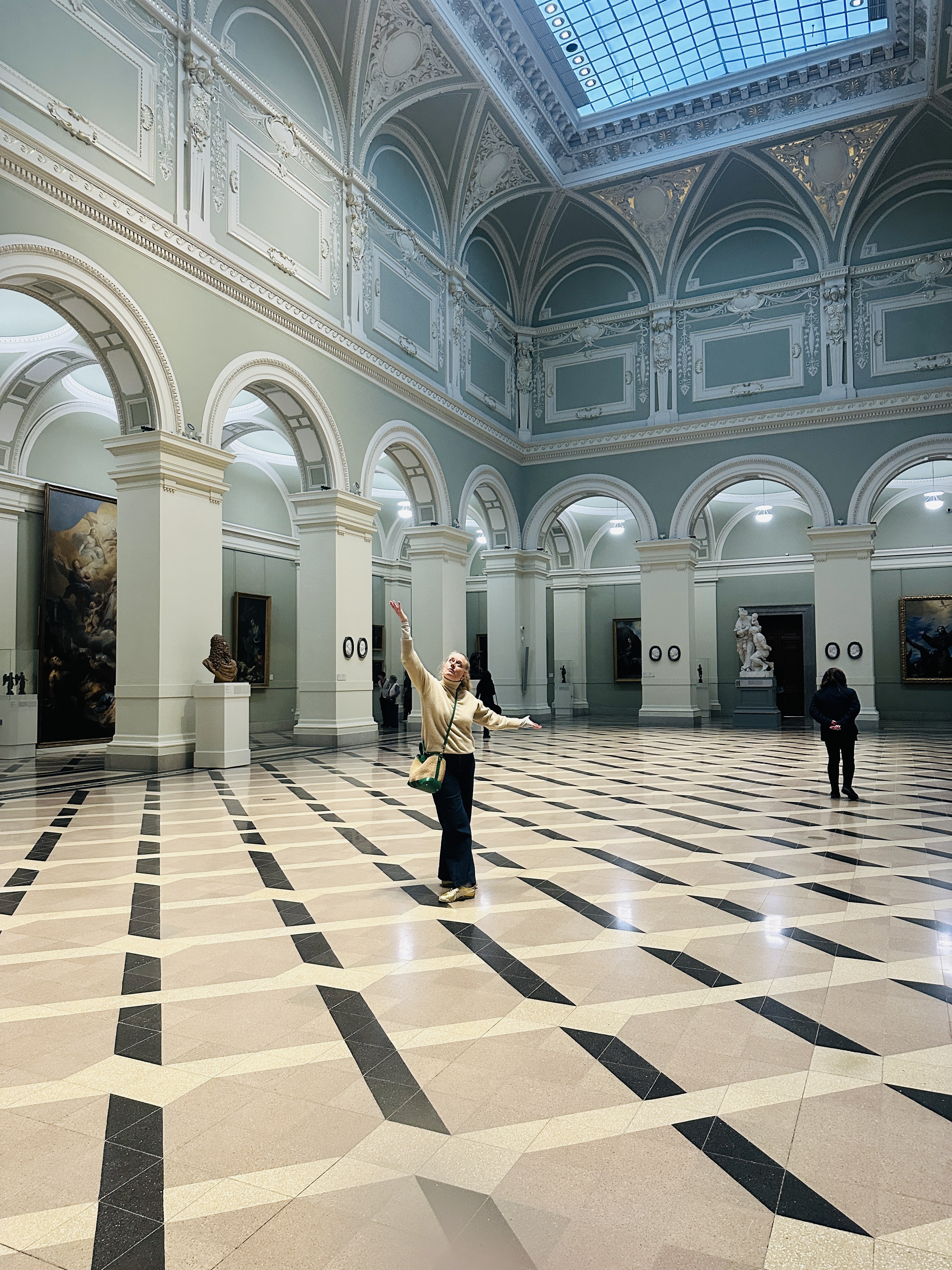
Housed in one of the most spectacular buildings the museum is as much an architectural masterpiece as it is an art gallery. The permanent collection houses Egyptian antiquities, European art and sculpture across the ages, classical antiquity. You could spend days in here without even seeing the exhibitions which are on for a few months – The Civilisation of the Qin and Han Dynasties is on at the moment.

7. Enjoy the local cuisine, as well as the international food on offer.

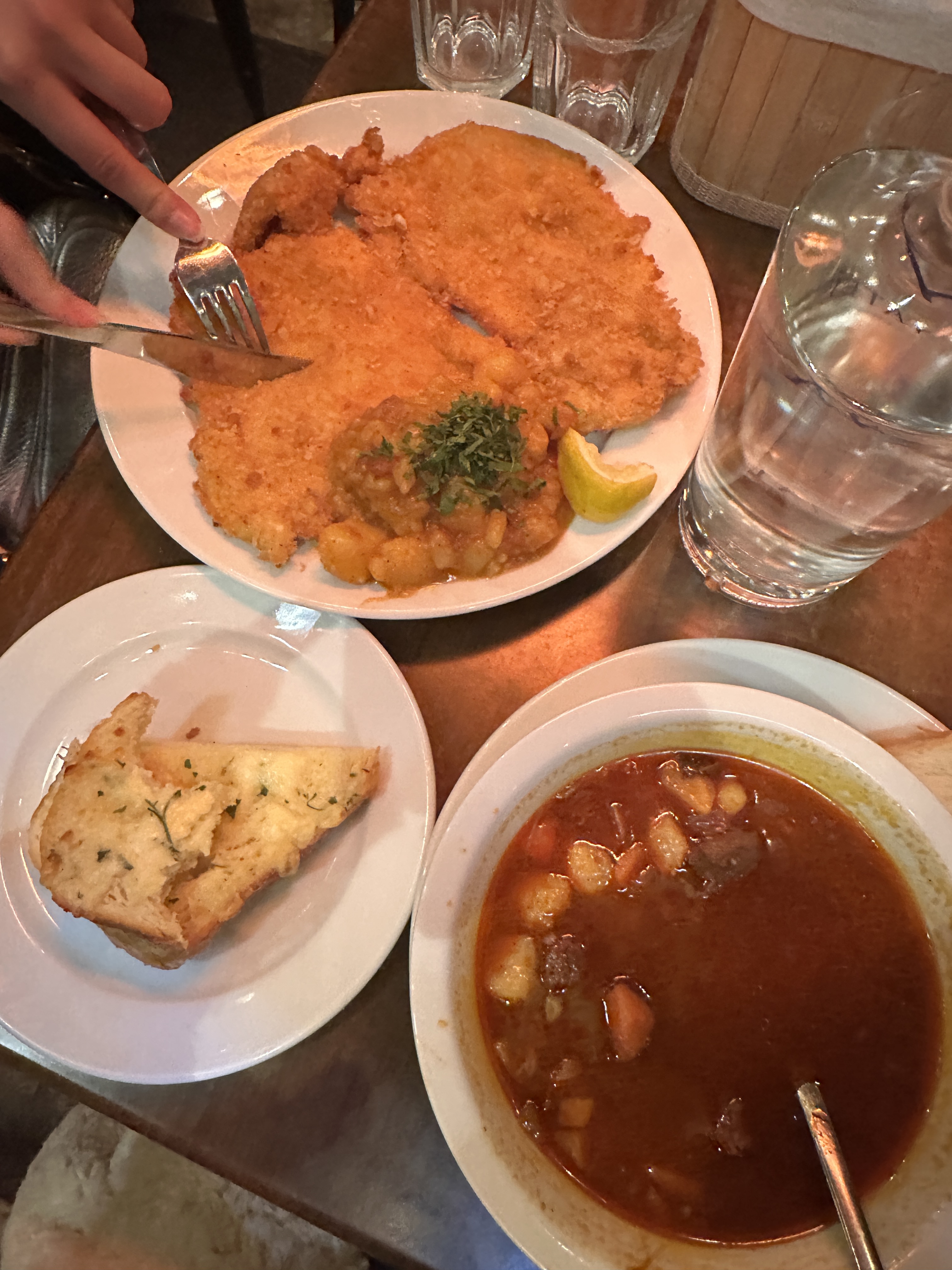
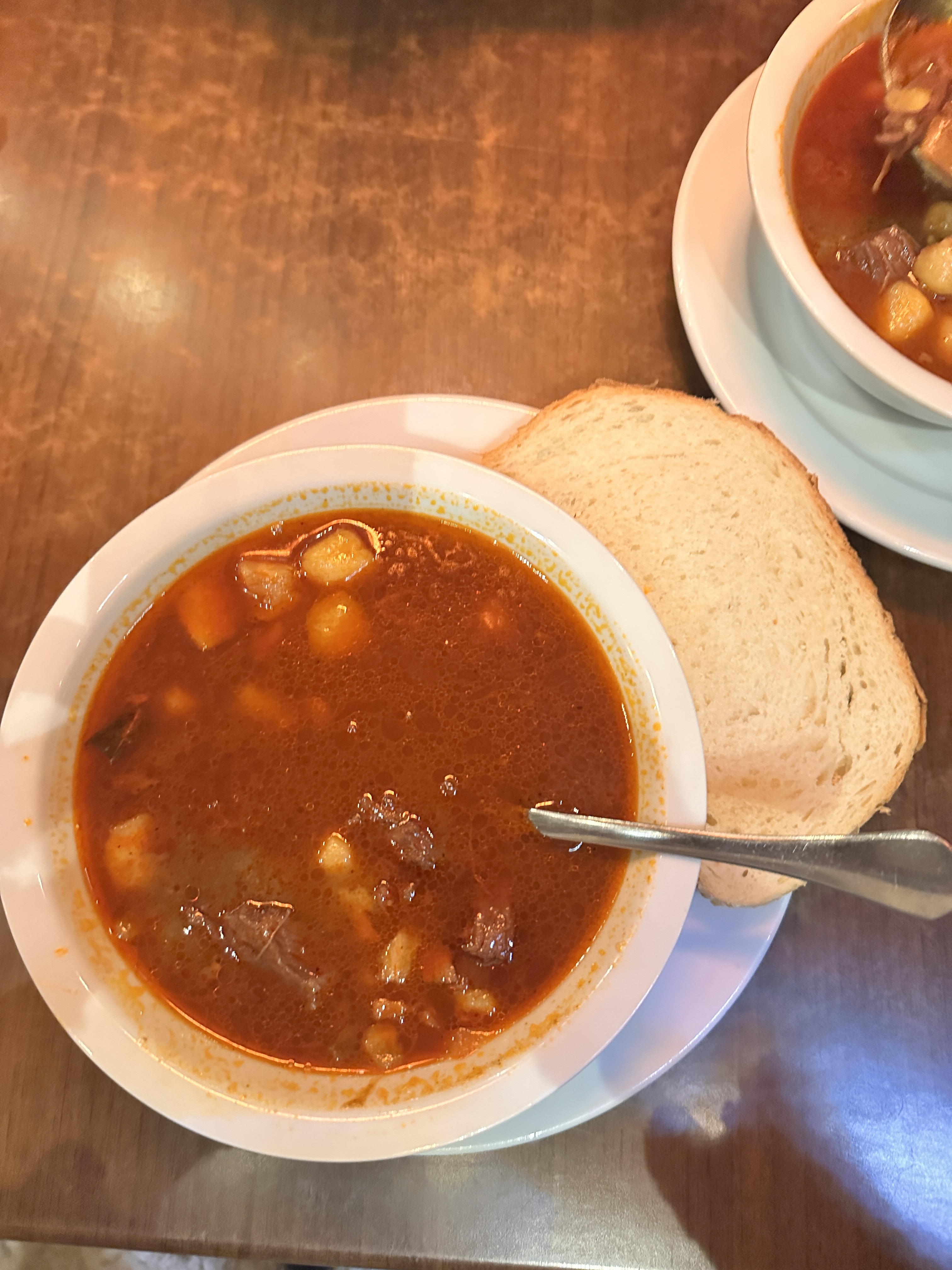
We couldn’t go to Budapest and not have some goulash so we headed to Mama Goulash. They don’t take reservations so there is always a long queue. Not to be discouraged we were given an option to eat outside under a warming lamp so agreed to skip the queue and eat our goulash and schnitzel – thin breaded fried meat cutlet. It was tasty and well priced. We didn’t linger as it was February and just a little chilly.

Another couple of restaurants that were on my radar but sadly didn’t visit were:

Hungarikum Bisztro

Rosenstein

Kádár Etkezde

Café Kör

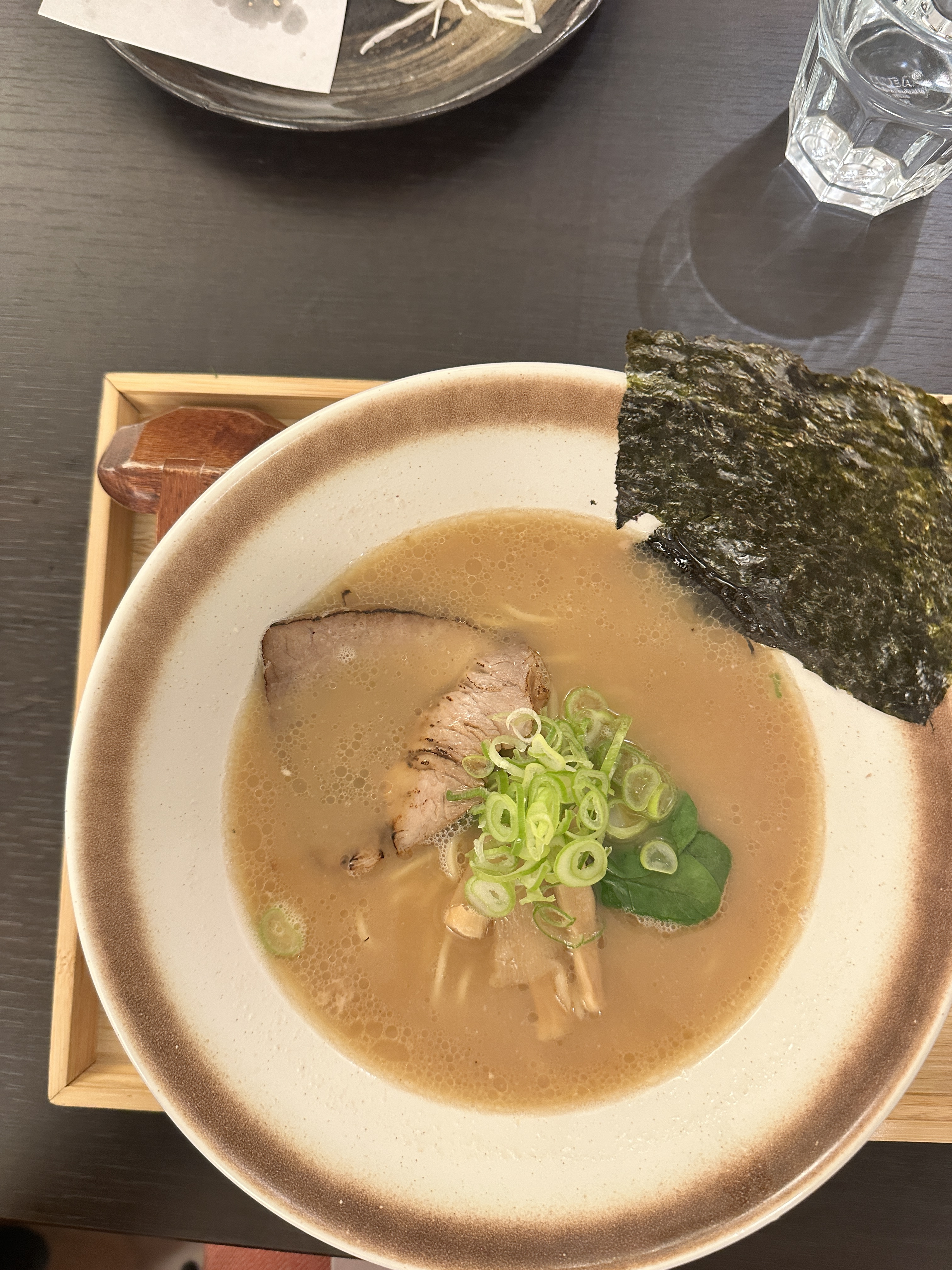
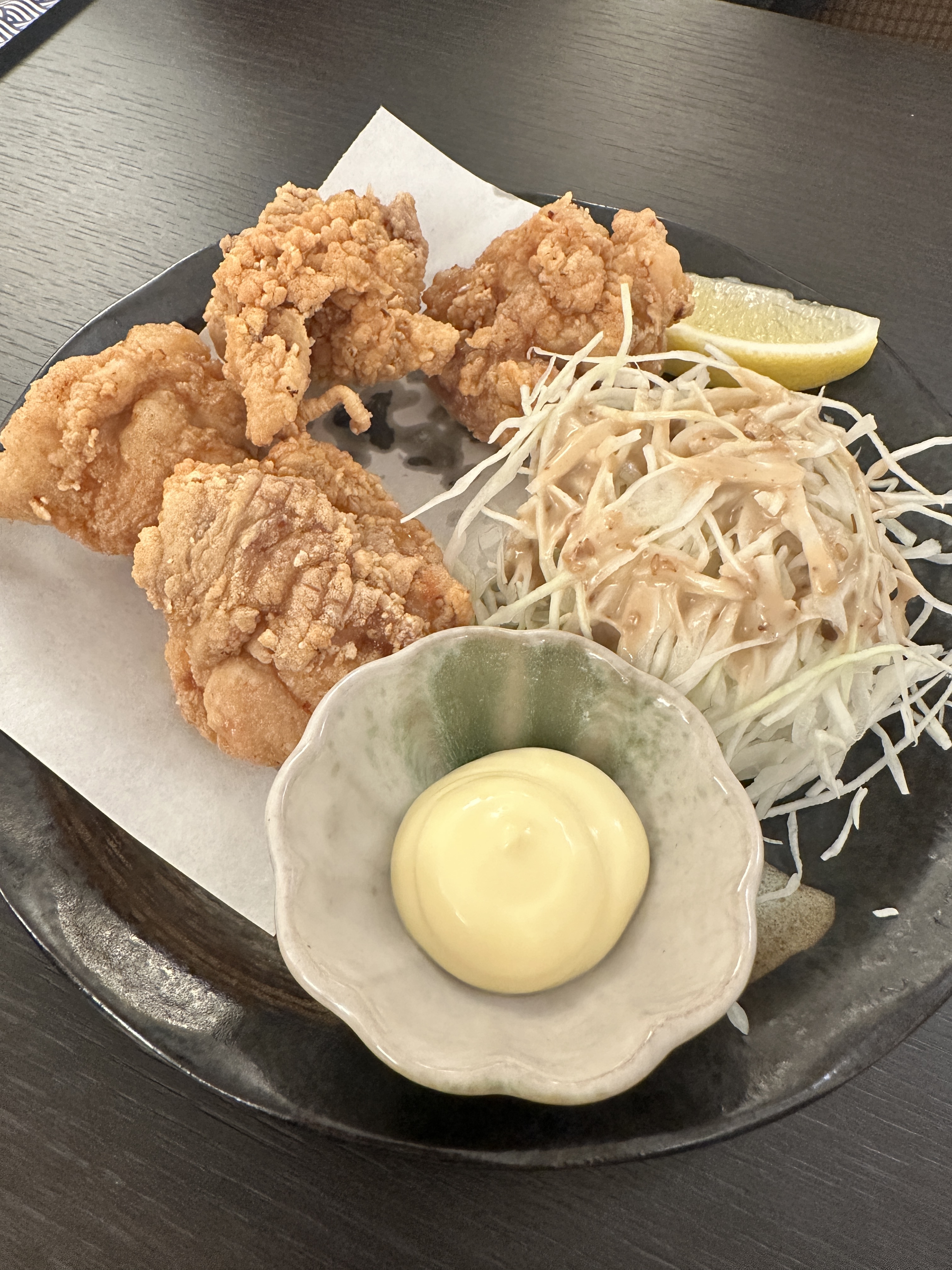
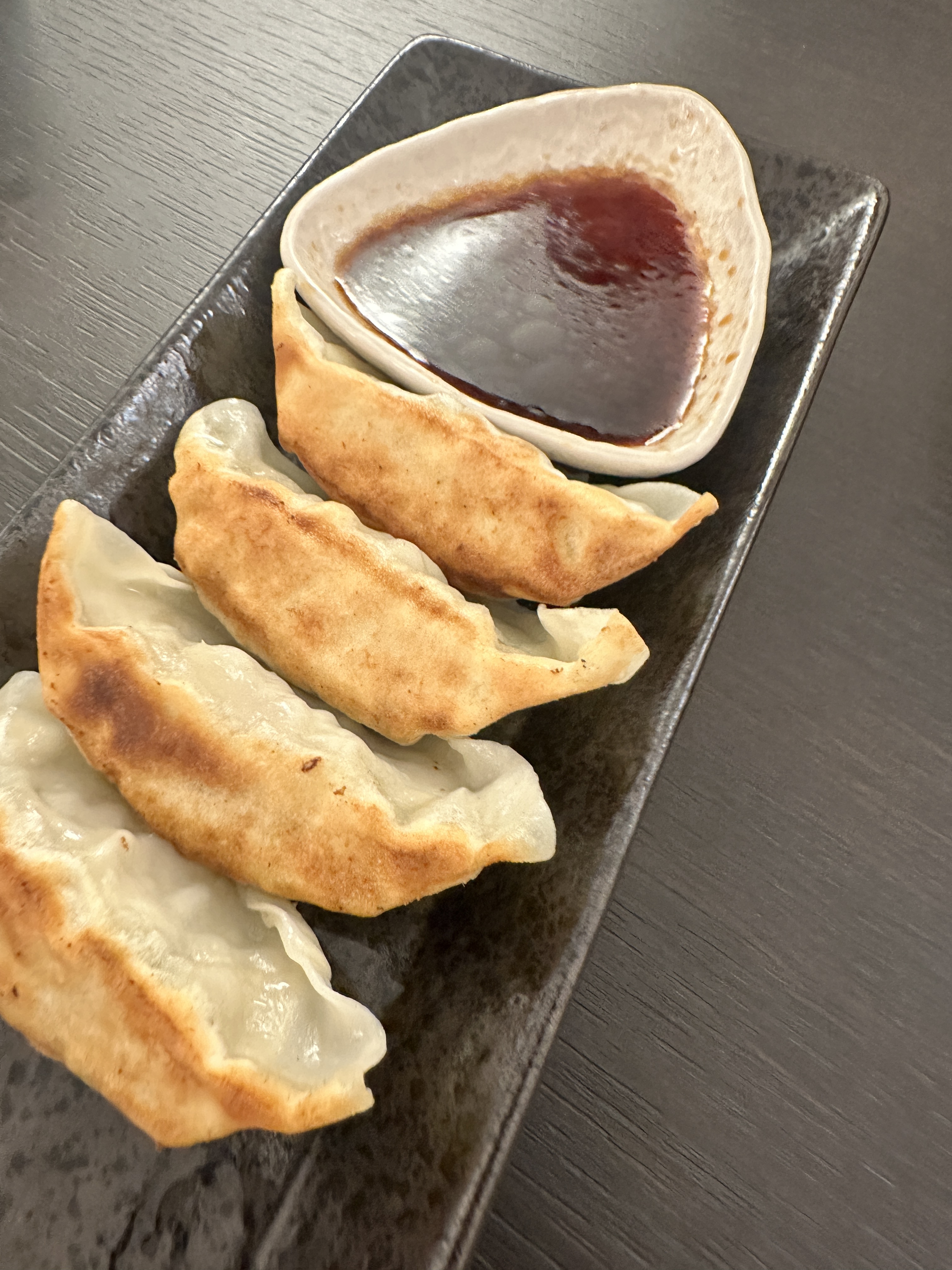
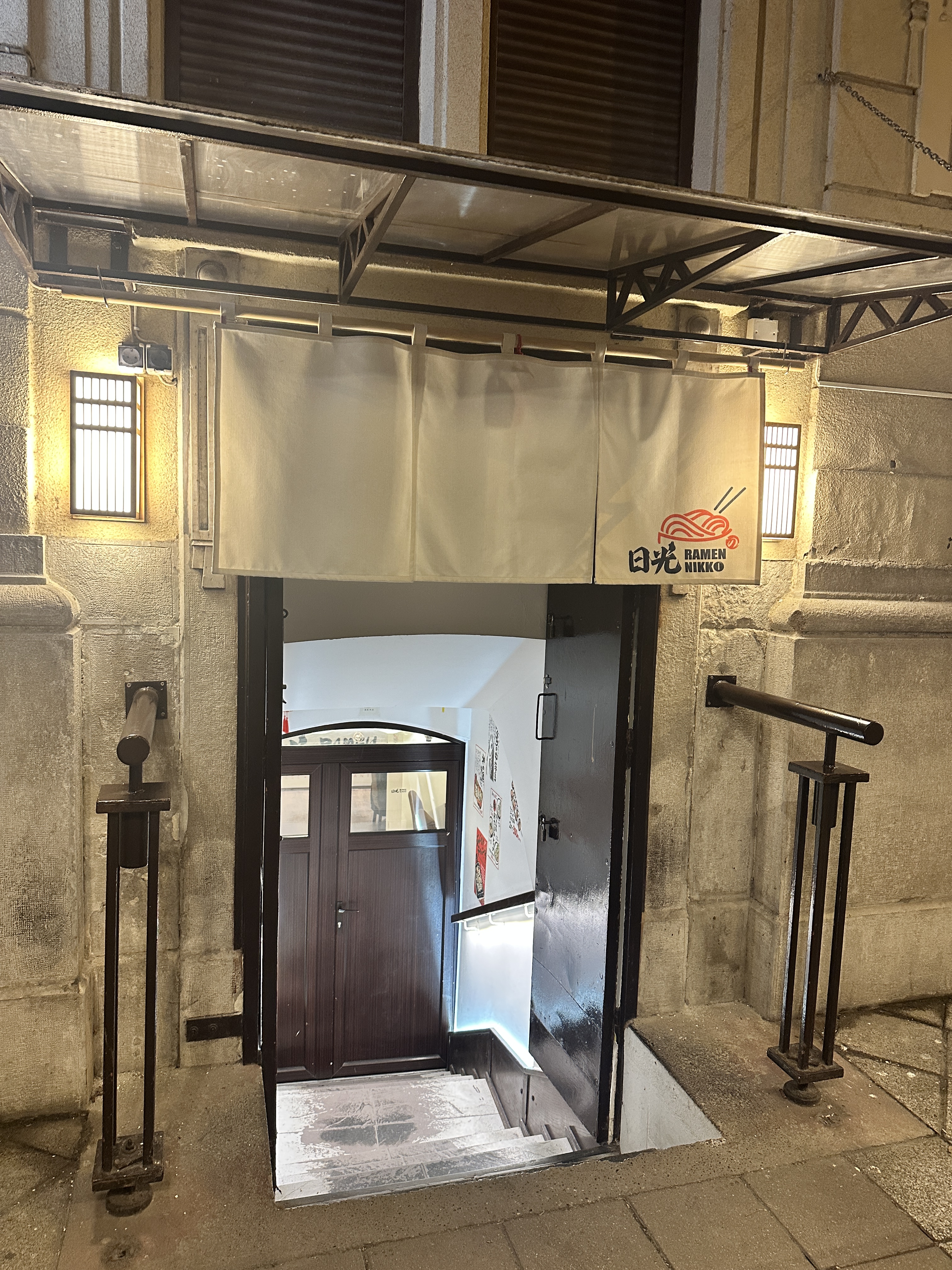
We did however eat a tremendous ramen virtually next door to our hotel at Ramen Nikko. My love for Japanese food runs deep so I’m afraid it won out over local Hungarian food – please don’t hate me ;o).It doesn’t actually have a website and is very much a place you turn up. It’s on Krúdy utca 6, 1088 – literally next door to Boho Hotel. It’s on instagram as @ramennikko and run by friendly Japanese folk.

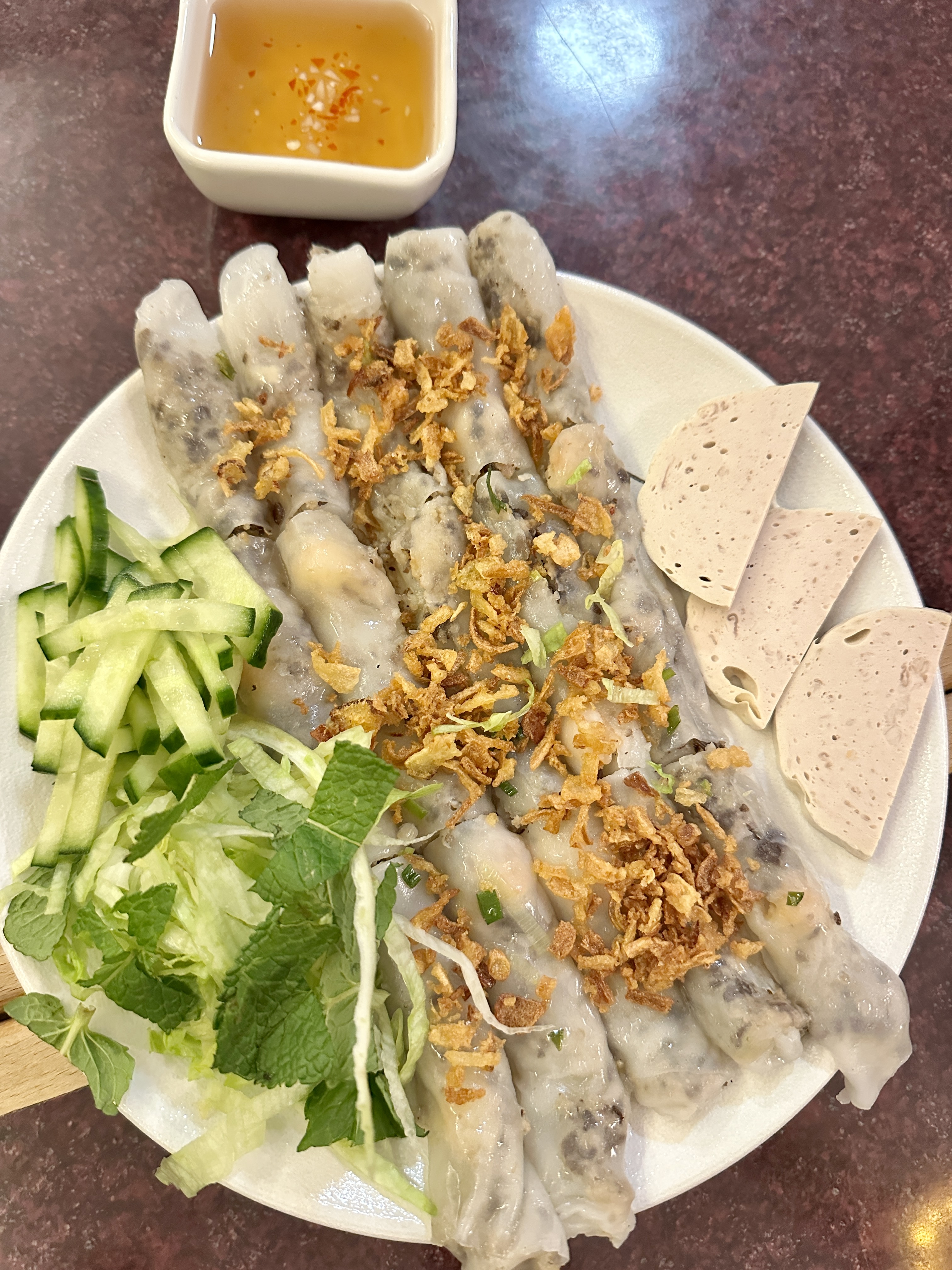
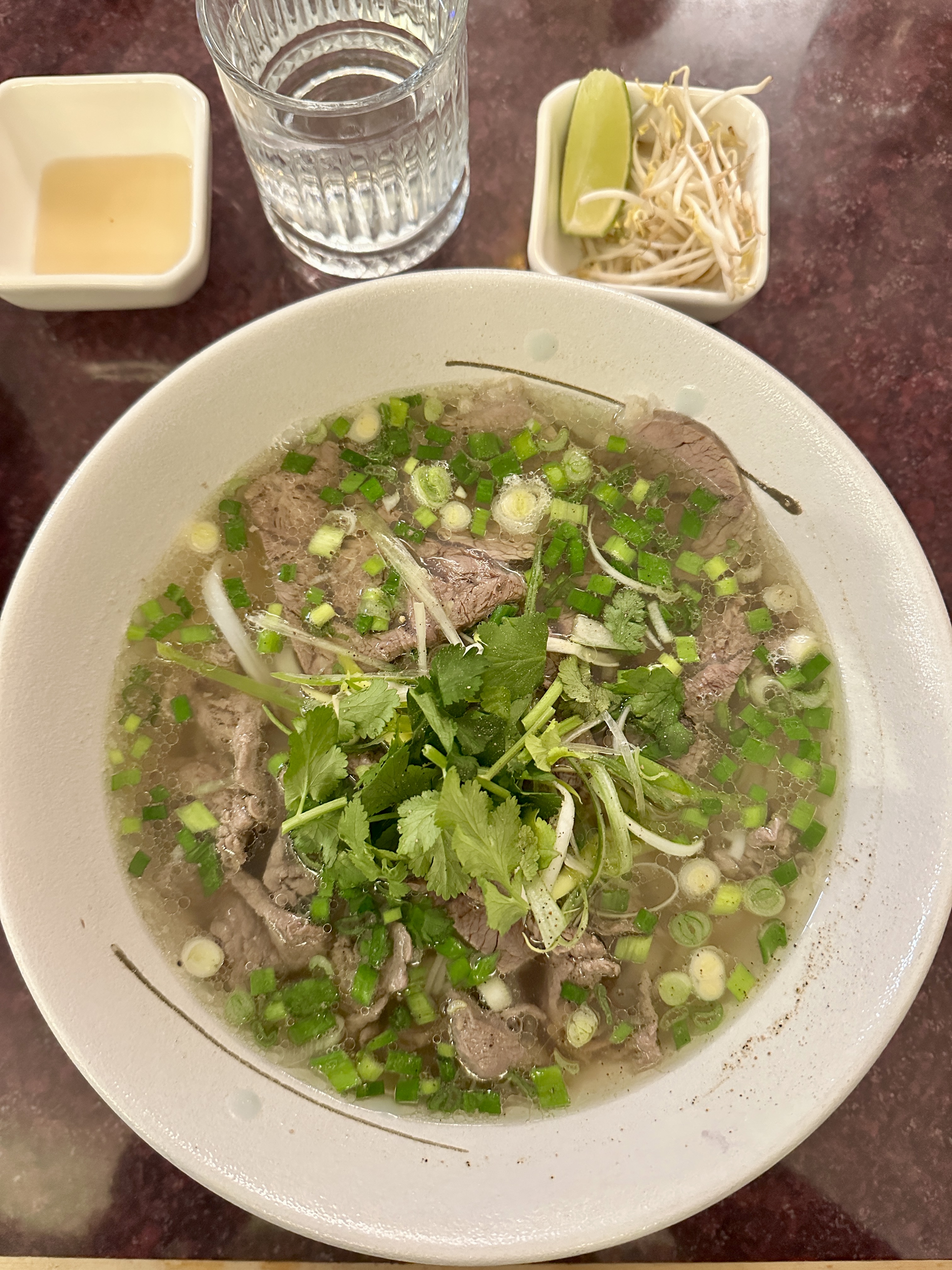
Another night we visited a family run Vietnamese called ‘Ciao Siagon‘ – again walking distance from our hotel and really delicious. Again it has no website and we simply turned up. It is located Vas u. 2, Budapest. On instagram it is @ciaosiagonbudapest my pho and Banh Cuon – steamed rice rolled filled with mince pork, shrimp and wood ear mushrooms, topped with crispy shallots and served with Vietnamese ham and fresh herbs were superb.

One coffee shop worth a mention was Salt Bakery which is just along from St Stephen’s Basilica. Lovely ambiance and great coffee.

8. Explore the Jewish neighbourhood

Not far from where we were staying was the Jewish neighboured. We wandered the streets, checked out the vintage shops and visited Karavan – where a number of street food trucks enticed passers by. We tried the local Lángos, which consists of a fried dough base with sour cream and cheese. You can have additional toppings but we opted for the traditional variety. It comes from the Hungarian word for ‘flame’. Originally they were made in a brick oven – similar to a tandoor and the dough would be slapped against the ovens hot walls until crisp. It was hearty and I guess comforting in cold weather. I am glad I tried them but probably won’t rush back to get another.

9. Visit Memento Park

We missed this one but if you are visiting in the spring or summer I think it would be great to go and visit. The park includes 42 Soviet-era statues, including Lenin, Marx, and Engels. If you are interested in Cold War history, communist-era propaganda, art, or photography friends have said it is worth a visit although does require a tube and bus ride and walk to reach it, so only for the truly committed.

10. St Stephen’s Basilica

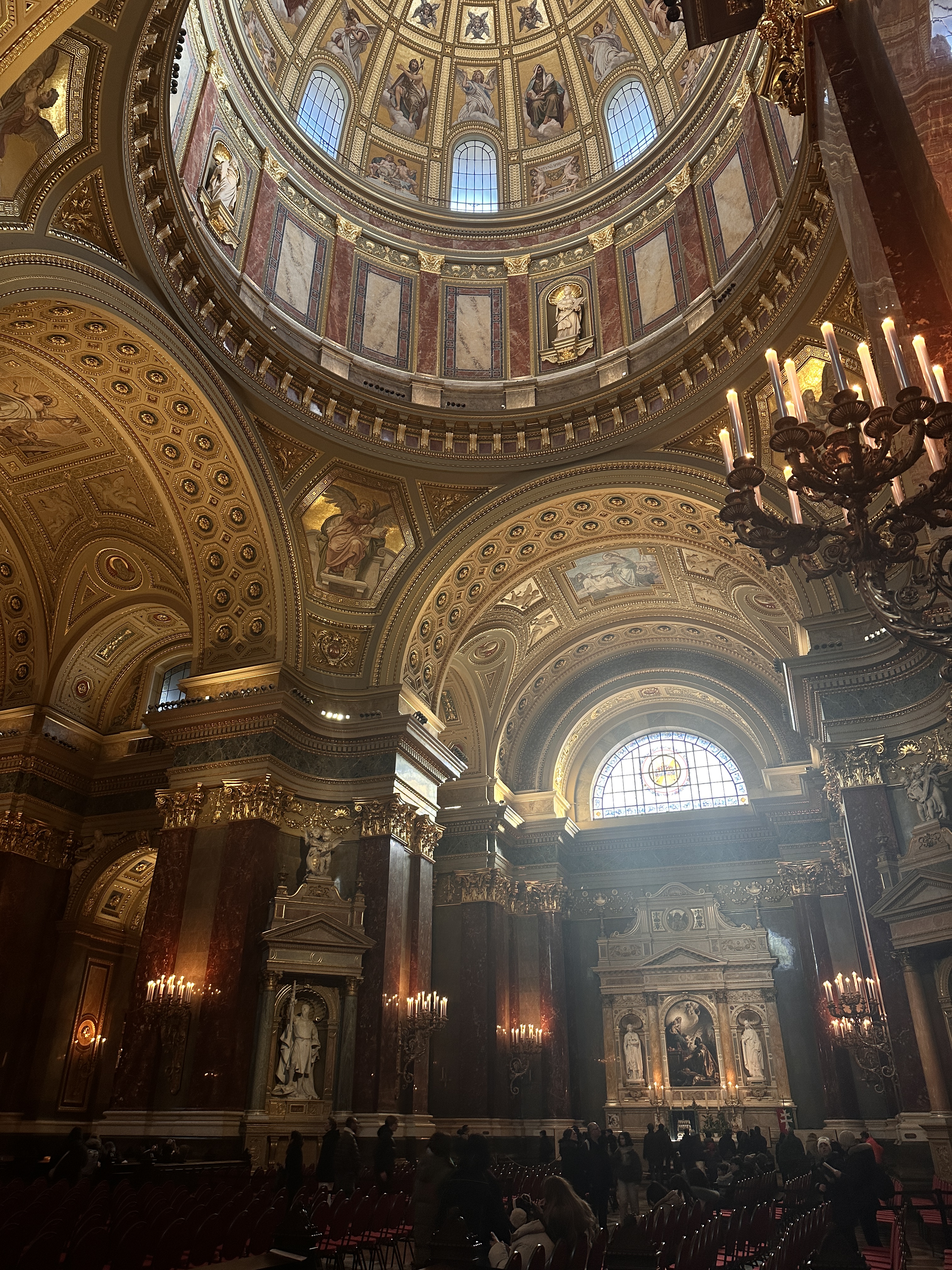
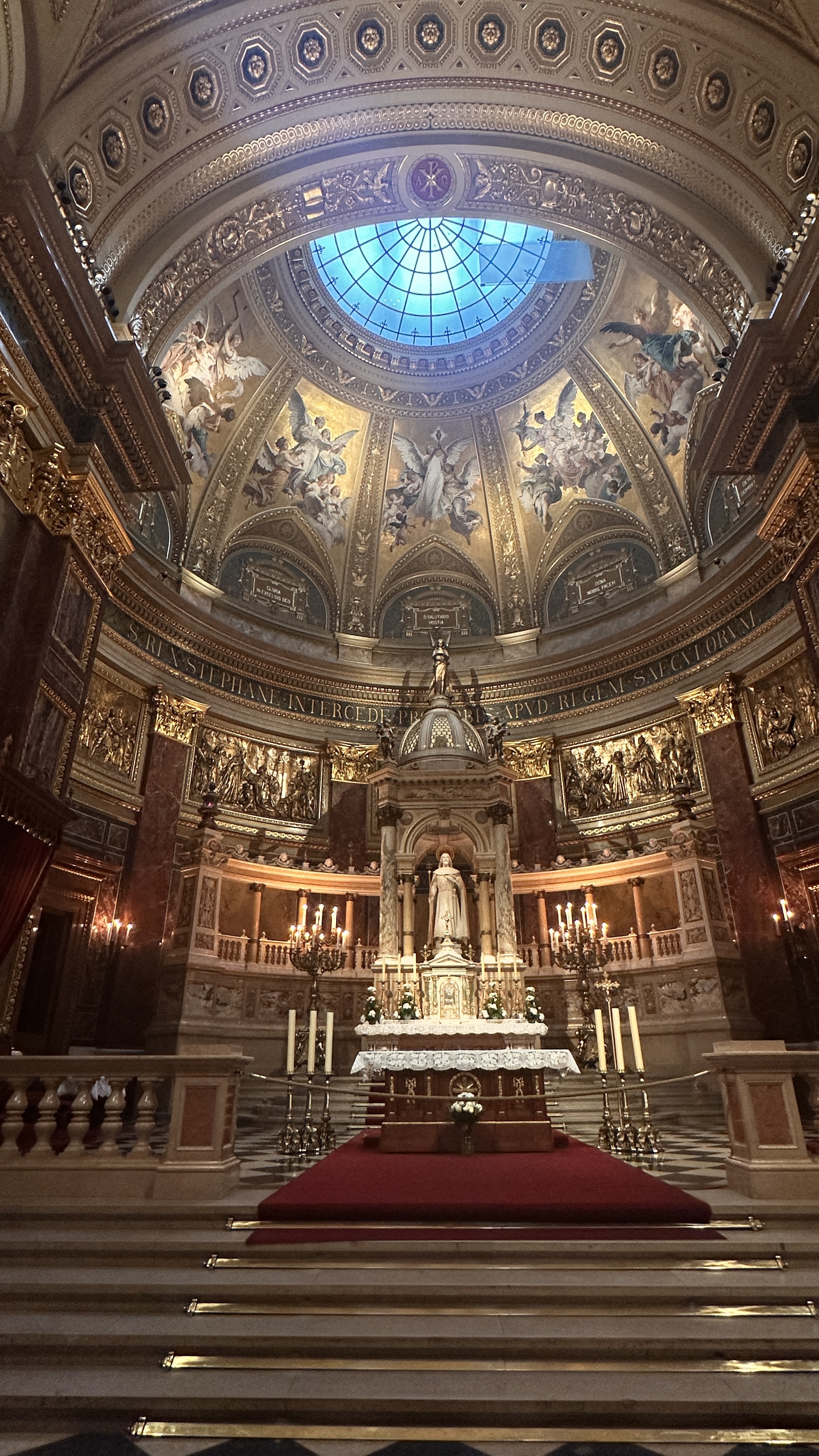
A short walk from our hotel was St Stephen’s Basilica, which is really impressive. It is the largest church in Budapest and the third largest in the whole of Hungary.

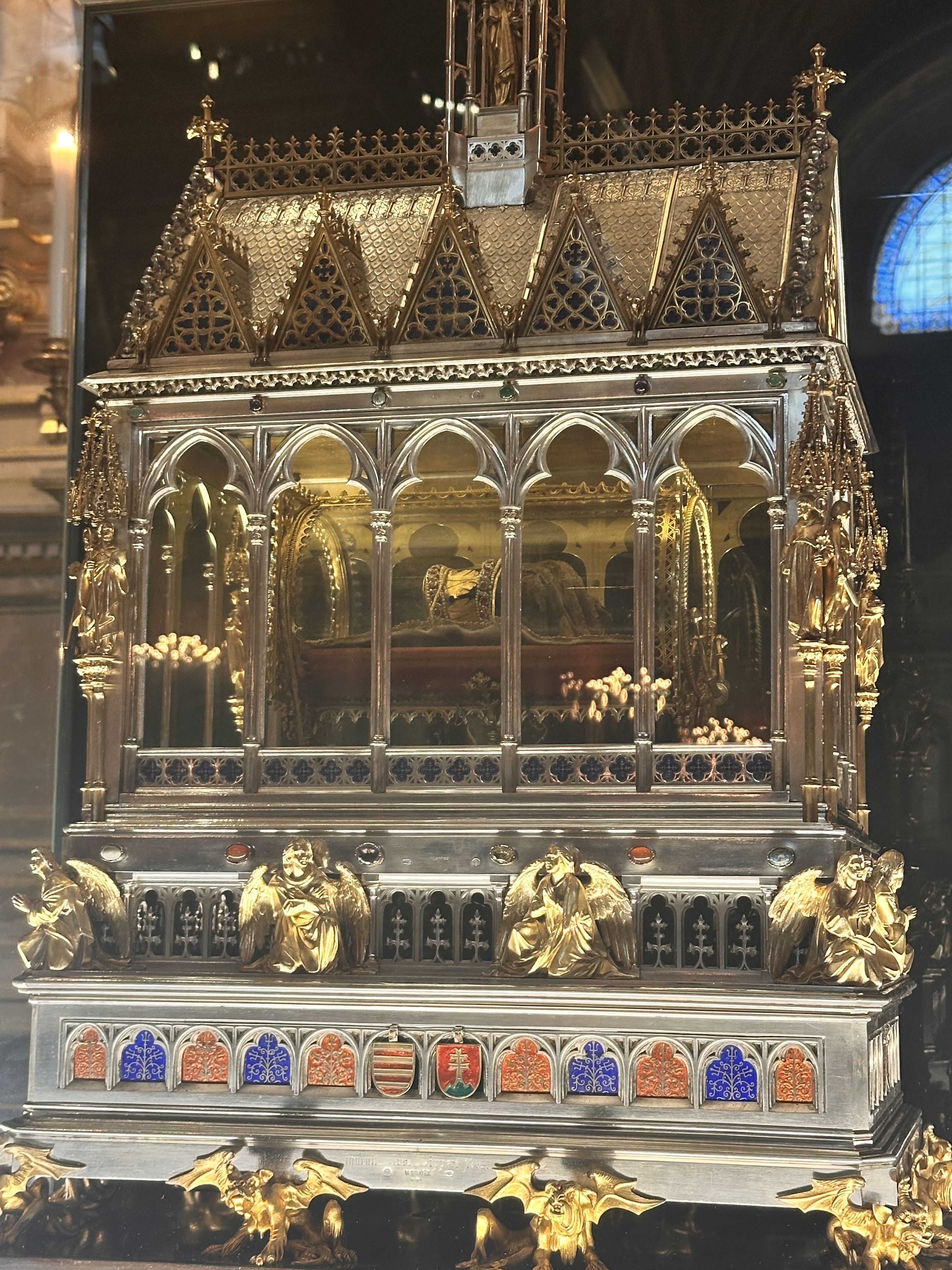
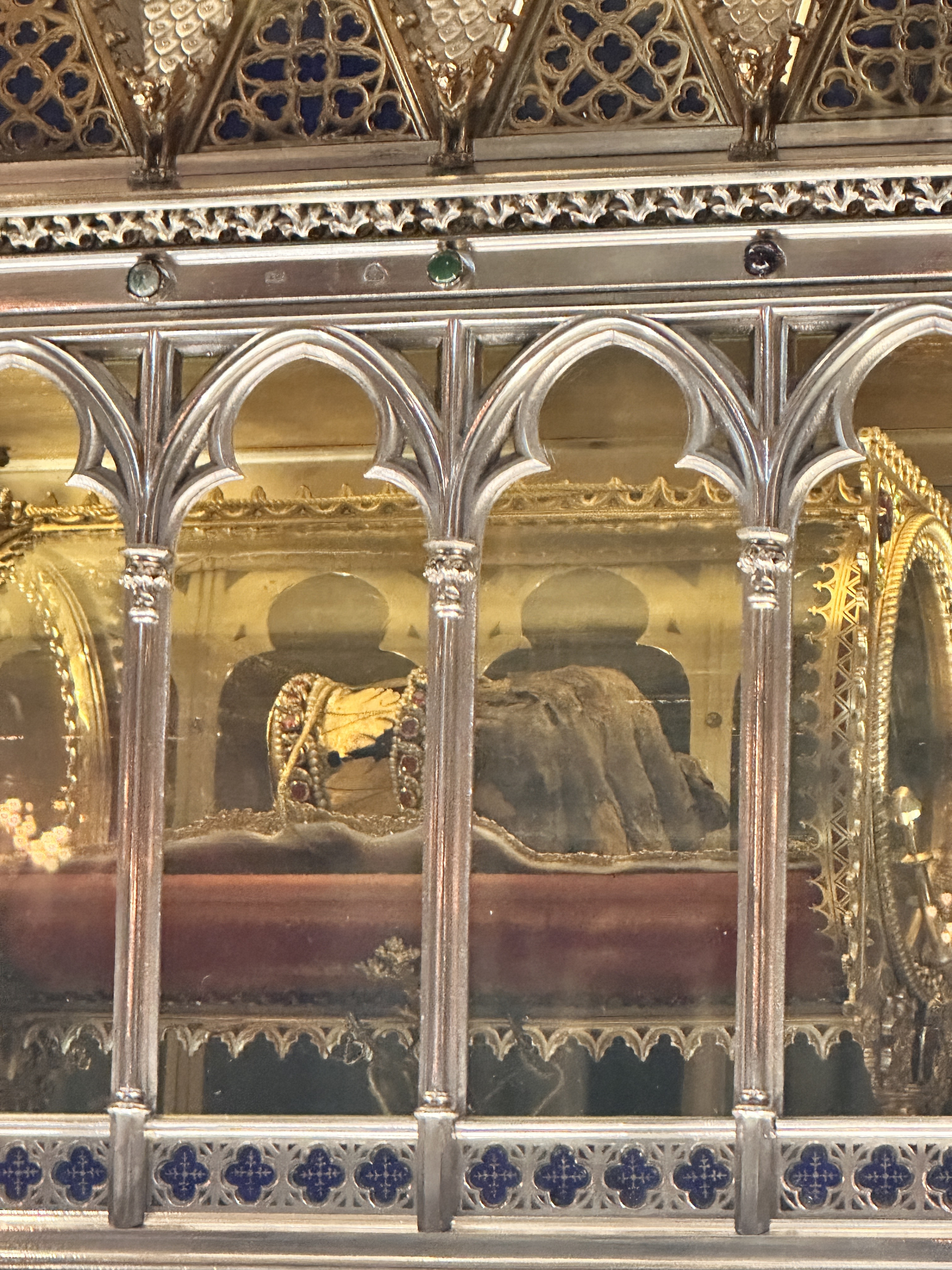
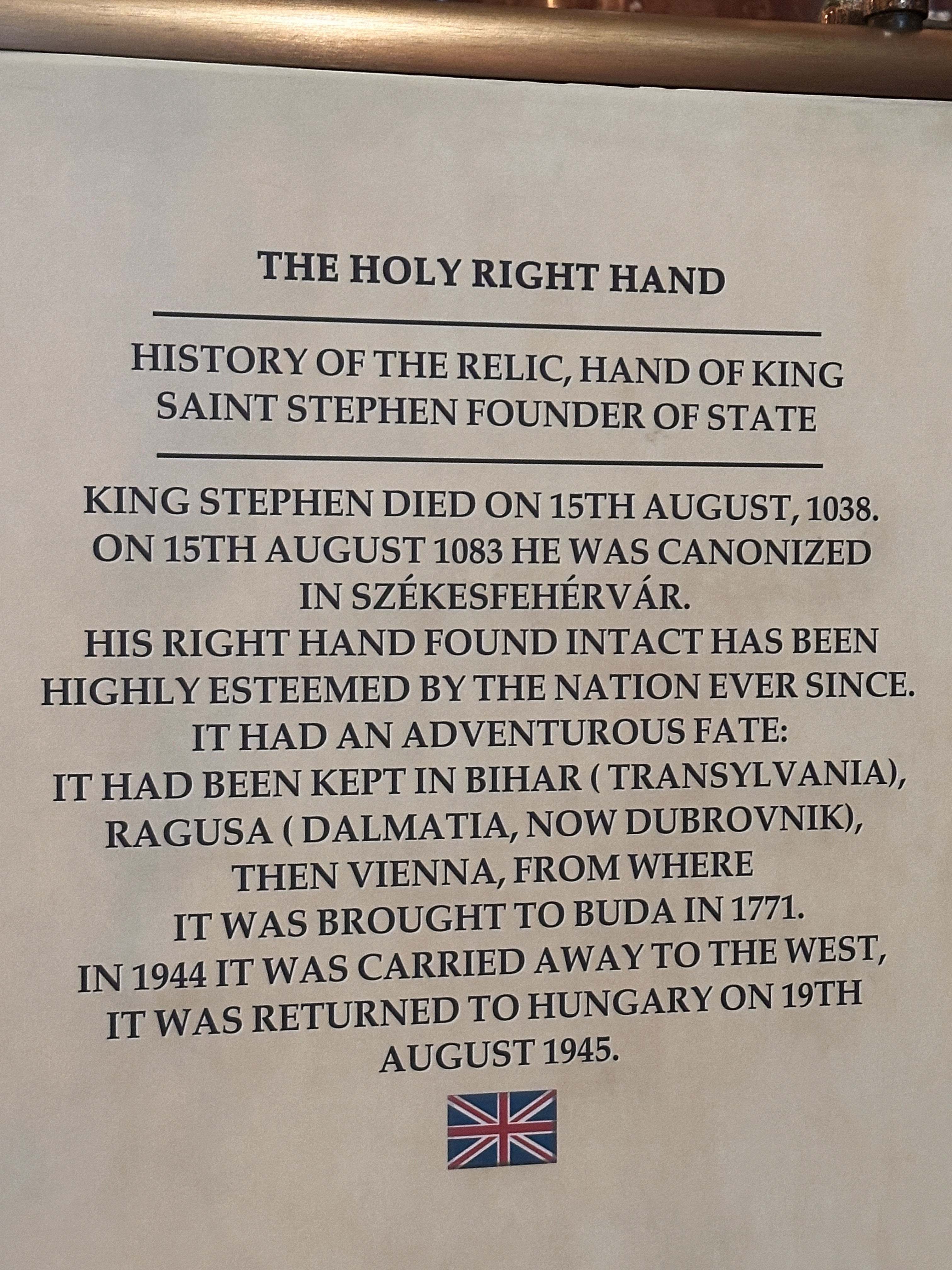
The basilica features a mix of neoclassical and neo-Renaissance styles with a Greek cross floor plan. Its 96-meter dome offers spectacular views of Budapest for those who want to go to the top. It’s interior has marble columns, gold leaf decorations, and mosaics of St. Stephen’s life and Hungarian religious history. There is even a mummified hand of Saint Stephen – a sacred relic of Hungary’s first king. It is displayed in a glass cabinet for those are curious to see. Apparently it was found preserved when his tomb was opened in 1083. Each August 20th it is paraded around the basilica.

Have you visited before? Do add any recommendations in the comments below so others can take notes.