Eating out in Japan

I had been told for years that eating out in Japan was really expensive, so I was pleasantly surprised to find that this was not really the case at all. Let me be totally transparent here though. I was not eating out at Michelin starred restaurants, instead opting to mainly dine in the type of eating establishments that regular Japanese folks eat at.  This involves queuing for a table and not lingering over the meal. You eat and go. On a couple of occasions we chanced our luck by turning up at a couple of restaurants recommended in our guide book. Big mistake as we were turned away both times, one we had needed to book 3 months advance (the guidebook didn’t mention that part unfortunately).

The sushi restaurant we went to in Kyoto – Pontocho Kappa Zushi, (160 Matsumotocho, Nakagyo-ku) our ryokan kindly helped secure the table, which can be tricky at short notice, so I guess we lucked out in that instance. Sushi restaurants tend to be more expensive than your average restaurant, which is understandable looking at the product it is selling – namely fish – and whilst you can eat at ones which are £100-200 a head, the one above came to not much more than £20 a head  for a tasty sushi experience that was freshly prepared before you as you sat at the counter.

At many restaurants the dishes within are presented in the window for customers to see what they are getting, which is really helpful. The food looks so life like (see photo above), but in fact is made of plastic or wax and made to emulate the texture, form and look of the meals. The term for this ‘fake food’ is ‘shokuhin sampuru’ 食品サンプル. It is a huge industry in Japan.

Most places you eat at – including street food, you need to queue, but whilst the length of them can sometimes look intimidating they tend to move relatively quickly. Equally you can aim to eat early to  miss the rush of lunch/supper diners.

In Tokyo, one evening we headed to atmostpheric Omoide Yokocho area (‘yokocho’ loosly translates as ‘nostalgia’), which is in stark contrast to the futuristic Shinjuku neighbourhood that it is nestled in. It’s a rabbit warren of narrow alleyways crammed with eateries seating no more than 10 diners  around a small bar serving ramen, sushi and yakitori.

Paper lanterns hang overhead as steam and smoke wafts from the open kitchens. It is reminiscence of an old Japan, a bygone age, that is only just clinging on as the high rises climb ever further towards the nights sky.
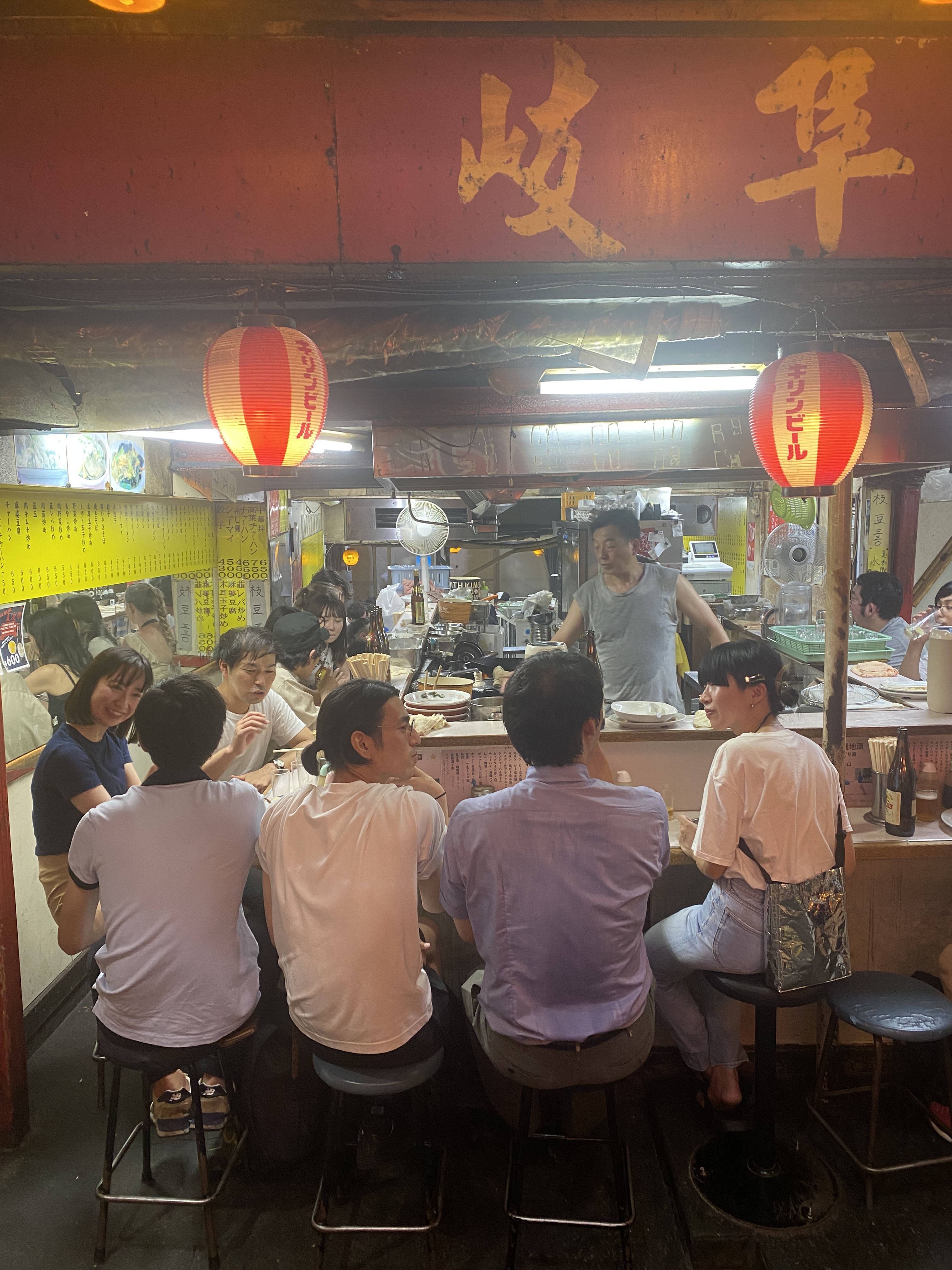
We sat and dined at the Izakaya (above). They are similar to a European tavern or pub, but instead you all sit at a bar and face the kitchen. Everything was in Japanese so I just pointed to what my neighbour was having and said I’d have the same. Before long my neighbour was ordering extra food for us to try and we were conversing via our my portable translator I’d rented for the trip. It was fun and atmospheric and definitely hit the spot after a days sightseeing and being on our feet. Below are silken chilled tofu (perfect in the sweltering heat of summer) with bonito flakes,  wood ear mushroom mixed veg medley and gyoza – oh and a chilled cold beer!

At some restaurants (the one below), you have to put your order into a machine instead of giving it to a human.  At first it seems a little intimidating, especially if others are waiting, but it doesn’t take long to get the hang of it. For the whole trip I was determined to find a great place to eat katsu curry.  Katsu curry is one of my childhood memory foods -click here to find out why. In Osaka, we headed to Oretachino No Curry Ya (14-13 Nanbasennichimae, Chuo Ward) that had come highly recommended.
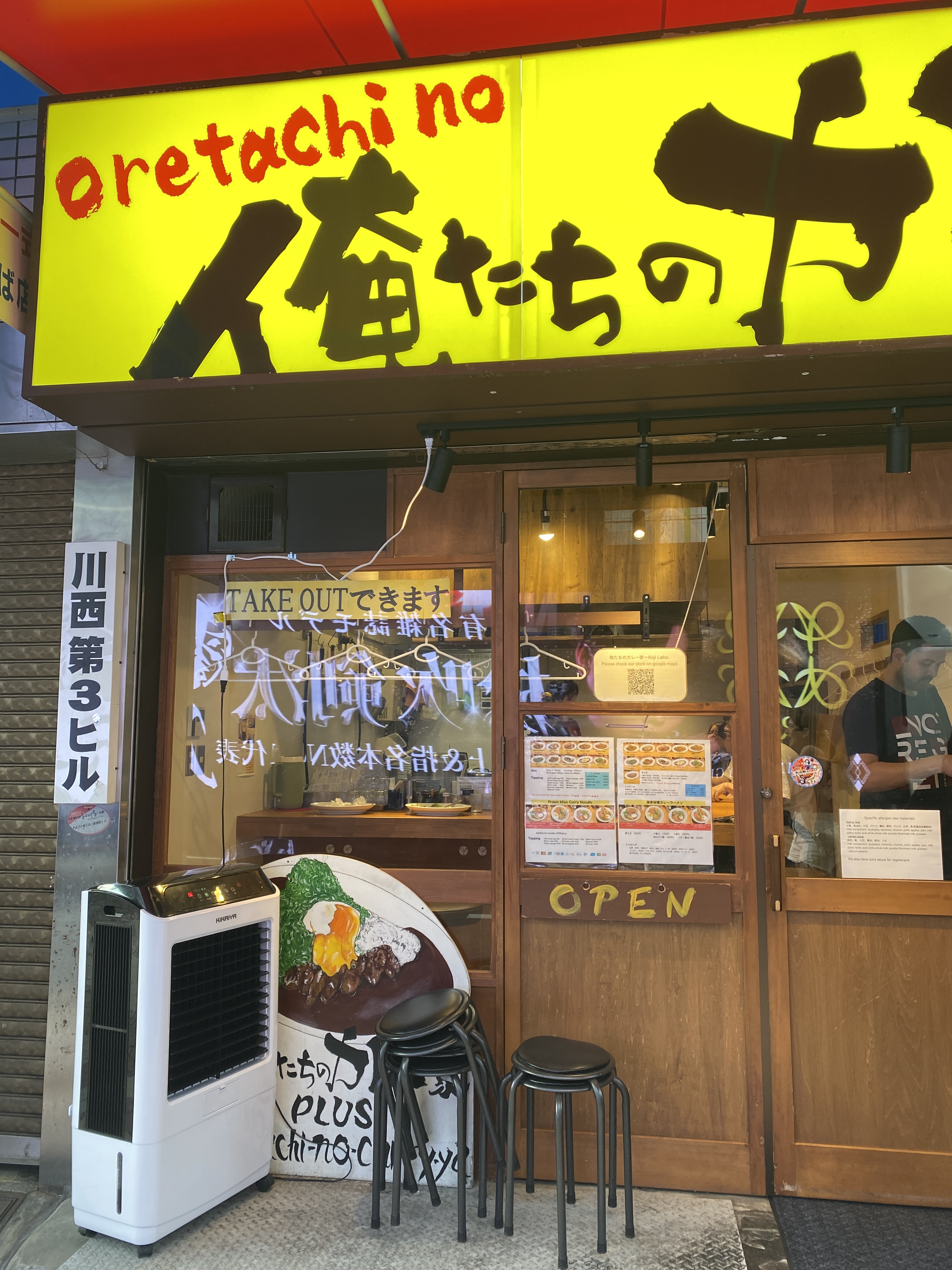
We arrived early and were first in the restaurant as luck would have it – I think it was around 5.30pm. Not long after we were seated, others joined and before long the whole restaurant was full – it only sits around 12 people.

For the katsu option (you could also have ramen here) you choose between pork or chicken and a whole range for toppings. I opted for the chicken with a flurry of spring onion topping that did not disappoint.

Street food was plentiful and varied and each day we tried all manner of interesting looking delights. Near to our hotel in Tokyo was the tastiest deep fried pork mince and onion cutlet,  I have ever eaten. Juicy and succulent, they oozed with deliciousness from the first bite.  Head to  Asakusa Menchi – 2 Chome-3-3 Asakusa, Taito City, Tokyo they are open from 10am-7pm.

You’ll find it easily as everyone makes a bee line to this place. I popped a short reel on instagram about them and bizarrely it reached almost 50k views which baffles me if I’m honest as it was such a quick unedited reel – go take a look if you are on instagram.

When it came to sweet treats my favourite street food was Taiyaki (鯛焼き, lit. ‘baked sea bream’)  a Japanese fish-shaped cake, that imitates the shape of tai (鯛, red sea bream), which it is named after. They are filled with either pipping hot custard, red bean paste made from sweetened adzuki beans, chocolate, cheese or sweet potato.

I discovered I loved the texture of mochi pronouced (Moechee). It is Japanese dessert crafted from sugary glutinous rice flour. It is very chewwwwwwwy and squishy and probably best not eaten in one go. It comes in so many forms and flavours. Also known as Daifuku (大福餅) it can be plain or stuffed with red or white bean paste. Strawberry mochi were ever so delicious.
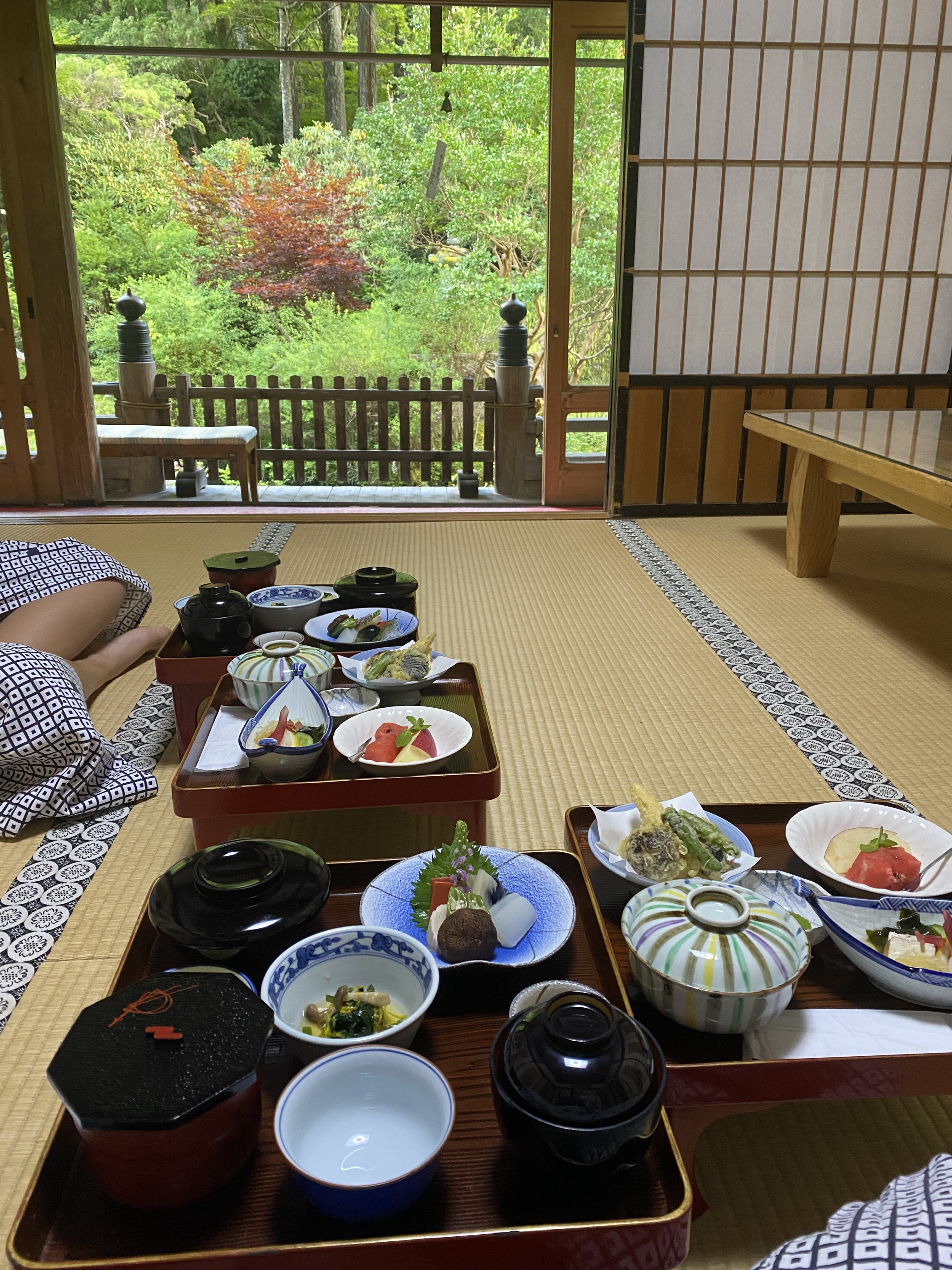
Mealtimes in the temple lodgings in the mountain town of Koyasan were a highlight of the trip. I can’t honestly tell you what we ate exactly, as I am not too sure myself, but each little bowl contained artistically arranged food that was almost too beautiful to eat. We sat on the tatami floor and small tables were brought in and placed in front of us. Miso soup, tempura and rice were always served and each meal varied from the last.

The monks provided us with breakfast and supper and during the day we ate a light snack, followed of course, by an  ice cream  to cool us down.

Black sesame for me and macha for my daughter.

Another tip when travelling around Japan is to consider eating food either in, or having take-out, from the large department stores food halls. One evening we decided to eat in our hotel room and bought all manner of goodies from the food hall of Takashimaya in Kyoto. Think Harrods Food Hall vibes – although on a slightly smaller scale, but you get the gist.  If you go in the last hour before closing time all the food is massively marked down.

Yes we did get some of this tasty strawberry cake below.


In Tokyo the place to head is Mitsukoshi .

I’m conscious that this post is becoming rather long, and I’m guessing few will get this far, so I will hold off mentioning a few other places just now and will absorb them in my future posts about Japan.

I will leave you with this Japanese proverb (a proverb in Japanese is called  Kotowaza) to ponder. 

“Eat it raw before all else, then grill it, and boil it last of all.”
Translation: Let no aspect of Japanese cuisine get overlooked. Consider everything – flavours, textures, colours, overall composition and presentation.

…..until the next instalment
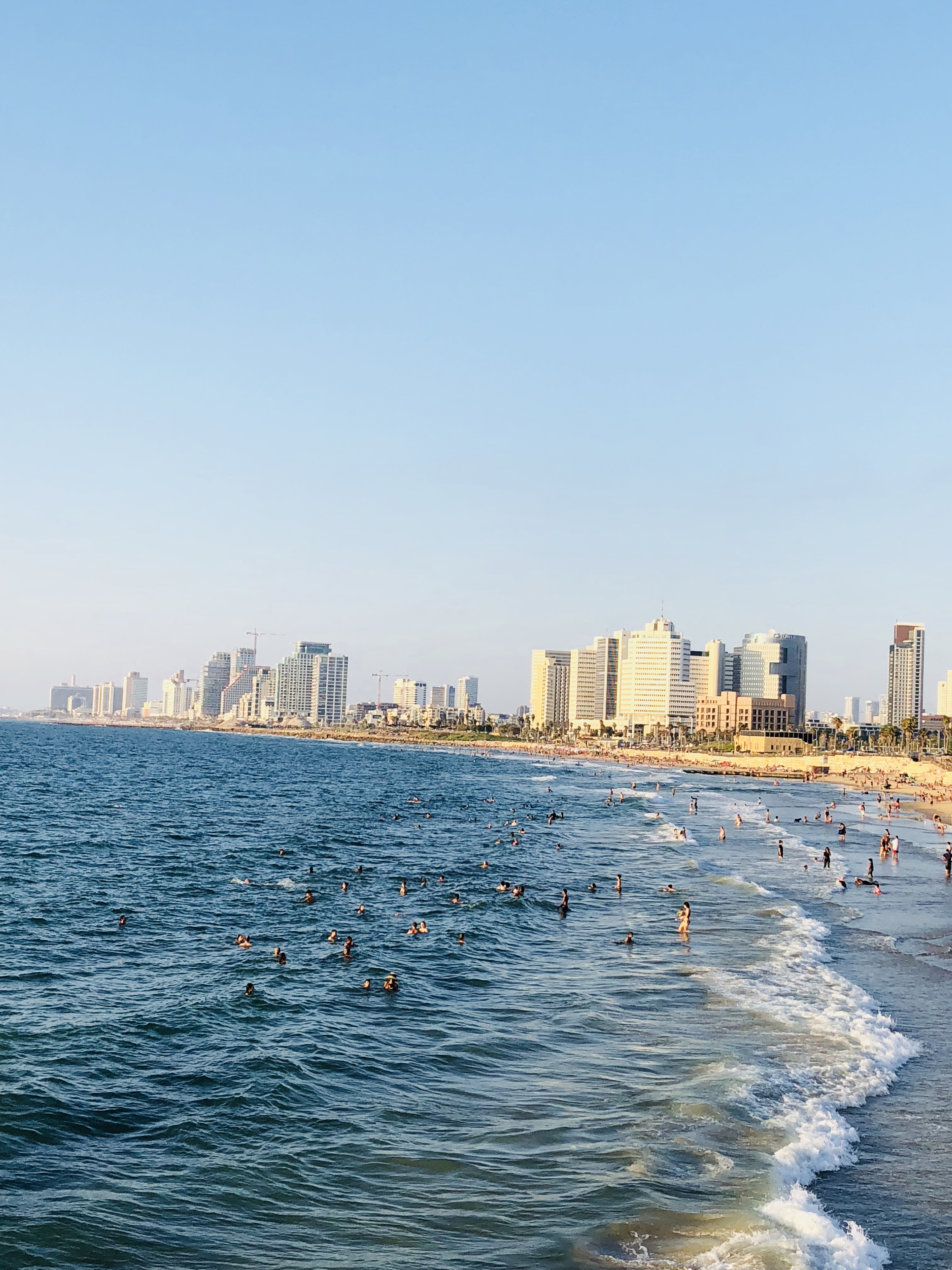


The Allure of Ancient Jaffa in Tel Aviv

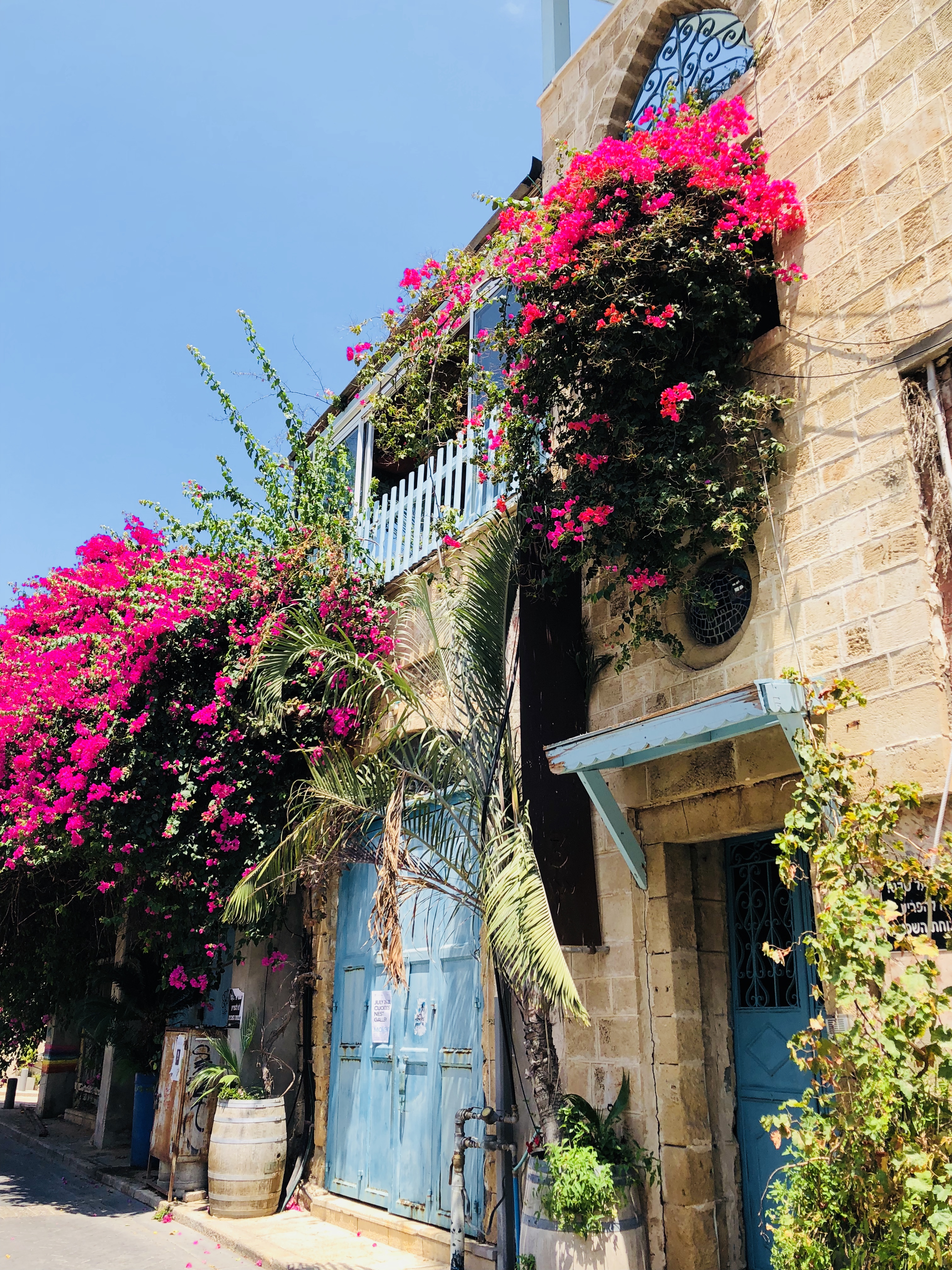
I’d not been to Tel Aviv before, so deciding which area to stay in required a bit of research. Friends had recommend a range of areas but in the end we opted for Jaffa, which is the southern and oldest part of Tel Aviv. It is an ancient port city that is steeped in history with a natural harbour that has been in use since the bronze age. It also offers great vistas of the whole of Tel Aviv as you can see.

The area is predominantly Muslim and home to winding alleys with shops and art galleries, as well as the lively Flea Market, which was a stones throw away from our apartment. The area is filled with cool eateries and hip bars and whilst our Airbnb apartment was in the thick of it, the noise level was low and we slept like logs.  We were also lucky to only be 5 minutes walk from the sea.
The stone staircase leading to the door of our apartment were the most ancient we had ever climbed; it really did feel as if we were stepping back in time with every step. You can see what I mean if you look on my instagram under my instatories under ‘Israel’.

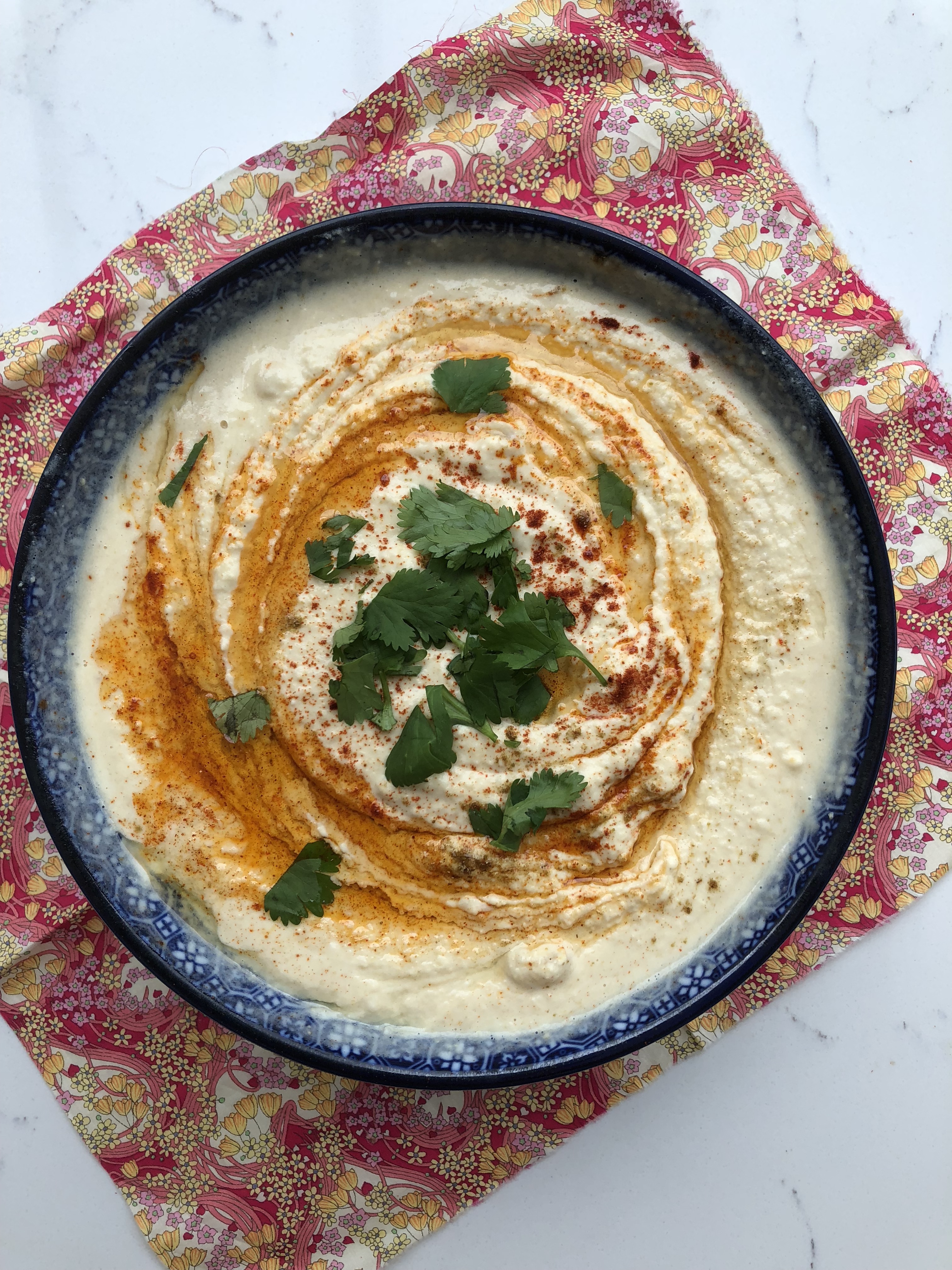
The food in Jaffa is seriously good and a place to head for lunch if you are staying in Jaffa – or indeed another part of Tel Aviv – is Abu Hassan. It’s one of the oldest and most loved hummus restaurants located on Dolphin Street. It attracts locals – Jews and Arabs, as well as tourists and labourers. The concept is simple – there are four dishes (no written menu – only the dishes presented in writing on the wall) – hummus, masabacha, brown beans and labna. To accompany the dishes you are served warm pitas, fresh onions, chilli in lemon water and falafel. It is masabacha that I have tried to replicate in a recipe for you today.

The main difference between masabacha and hummus is the texture. Whilst hummus is smooth, masabacha keeps some of the chickpeas whole. It is also eaten warm – although it is also equally delicious eaten at room temperature. To top the masabacha some chickpeas are added on top in a little water and lemon juice with a little cumin powder or smoked paprika and some freshly chopped parsley. This is my recipe. It is pretty straightforward once you have soaked the chickpeas for 24 hours in cold water.


 Masabacha 

Serves 4

8 garlic cloves, unpeeled

255g dried chickpeas

1 tbsp baking powder

*********

80ml chickpea cooking water

3 tbsp chickpeas

125ml reserved chickpea stock

1/4 tsp cumin powder

4 tbsp tahini

125ml olive oil

5 tbsp lemon juice

1 tsp salt

********

chickpea juice

2 tbsp chickpea juice

3 tbsp tahini

2 tbsp lemon juice

1 garlic clove

1 pinch of salt


  1. Place the dried chickpeas in a bowl and cover with cold water. Add the baking soda and stir. Refrigerate the chickpeas overnight.
  2. Drain the chickpeas the following morning and place in a pan along with the unpeeled garlic cloves. Cover with fresh cold water so that it covers the chickpeas completely. Simmer for 40 minutes, by which time the chickpeas will have softened. Remove the scum that will form whilst cooking and add more water if it looks to be getting dry.
  3. Strain the chickpeas, keeping all the water and place to one side. Rinse the chickpeas thoroughly. Remove 3 tbsp of chickpeas and place to one side.
  4. Place the chickpeas, all the garlic (except one which you will use later) – with the skins now peeled, 80ml of reserved chickpea cooking water and cumin powder in a blender and whizz. Gradually add the olive oil and tahini so that you end up with a very creamy, smooth hummus. Add salt to taste. Place in a medium sized, shallow serving bowl.
  5. In a separate small bowl mix the chickpea juice ingredients.
  6. To serve make a slight well in the centre of the hummus and scatter the remaining whole chickpeas on top.  Spoon in the tahini-lemon mixture – you may find you won’t need to add it all so spoon it in gradually. Sprinkle with cumin and/or paprika powder and garnish the parsley. Serve with pita bread.

*****************

After lunch it is worth spending time walking around the beautiful narrow streets of old Jaffa. Whilst it might be very hot, if you are visiting in summer, the narrow streets do offer some shade and being near to the sea a gentle breeze is a welcome respite.

A meander around the famous Jaffa Flea market is an absolute must – it sells a range of trinkets, bags from Afghanistan, evil eye pendents, jewellery and clothes, as well as a host of interesting antiques. Being so close to our apartment I spent a fair amount of time nosing around this market as you can imagine.

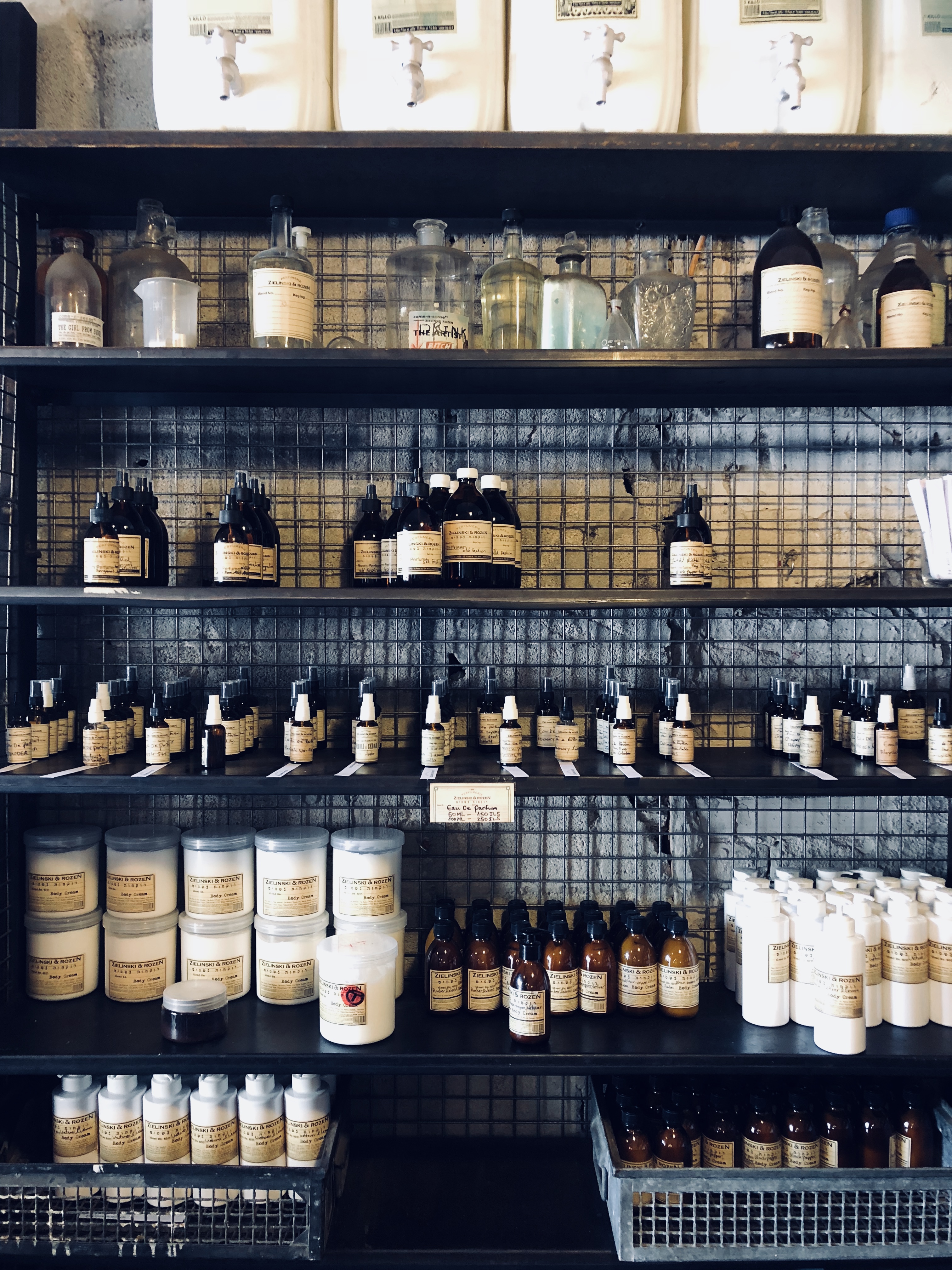
There are also a number of interesting shops surrounding the market and neighbouring streets. My favourite without a doubt was this little gem. Erez Zielinski Rozen Perfumery.

If you like brands like Aesop and Le Labo then this is really going to appeal. The good news is that the price tag does not equal the other two brands, thankfully. The smells were divine and the packaging and branding were elegant and understated. You can’t buy it in the UK so it feels deliciously unique and original. A few bottles of perfume and hand made soap may have found their way home in my luggage.

If a food market is what you are after then a short taxi ride (I think the taxi drivers were the nicest I’ve experienced – not trying to rip you off and pleasant to talk to) will deliver you to the Carmel Market (in Hebrew it is known as ‘Shuk HaCarmel’ so use that name if riding in a cab).

First opened in 1920, 11 years after the establishment of the city, the market or ‘shuk’ occupies one street, which runs south from the junction of King George Street, Allenby, and Sheinkin Street to the Carmelit Bus depot in the south. The lower part of the market (nearer the sea) is the place to head where food stalls and fresh produce are on offer.

If you are feeling peckish, then head to THIS guy below.

…..he is located on the right hand side – if the sea is behind you – in the food section of the market –  for an egg, potato or a mix of both, or lamb burika.  He is a real entertainer and is pretty mesmerising to watch as he prepares his tasty treats. Burika is basically a paper thin pastry dough that is smeared with herbed mashed potato that is folded and dunked in boiling oil, then an egg is wrapped in it. It comes out crisp and is then popped into a pita bread along with hot sauce (harissa I guess), fresh tomatoes, cabbage, onion and then presented in a little paper bag. Order one to share as they are filling.

Whilst munching on your burika you can stroll through the market taking in the smells, sounds and general buzz of the market.

As the sun sets head back to the harbour by Jaffa to watch the setting sun.

Then grab a pew and wait to be entertained by the whirling dervish waiters at ‘Old Man and the Sea’ 

Sit outside and soak up the ambiance of the locals and tourists promenading around the harbour, whilst you devour your feast. 


Spinach with Shallots, Green Raisins and Red Peanuts

IMG_2055

My latest addiction is spinach.

I know I know how crazy do I sound? I’ve always liked it mind you, but of late it’s gone up a notch or two. It’s probably my body screaming at me that ‘I NEED MORE IRON‘.

 I’m happy to eat it in all its incarnations for breakfast, lunch or dinner. It’s super versatile and is cooked quicker than the time it takes to get your bowl/plate and cutlery together.

IMG_2046

Recently I visit a local eatery called ‘The Little Taperia‘ in Tooting in the strip, which is fast becoming increasingly hip and cool. Sitting next to Soho House’s ‘Chicken Shop’ and virtually opposite the newly established the ‘Trafalgar Arms’, ‘The Little Taperia’ offers Spanish tapas at it’s best; I could literally eat the whole menu. It was packed on my visit with a wonderful buzz to the place. The decor (love the floor tiles) and general vibe was conducive to a relaxed, memorable evening, so if you have not yet been I urge you to get down there and experience it for yourself.

IMG_2046

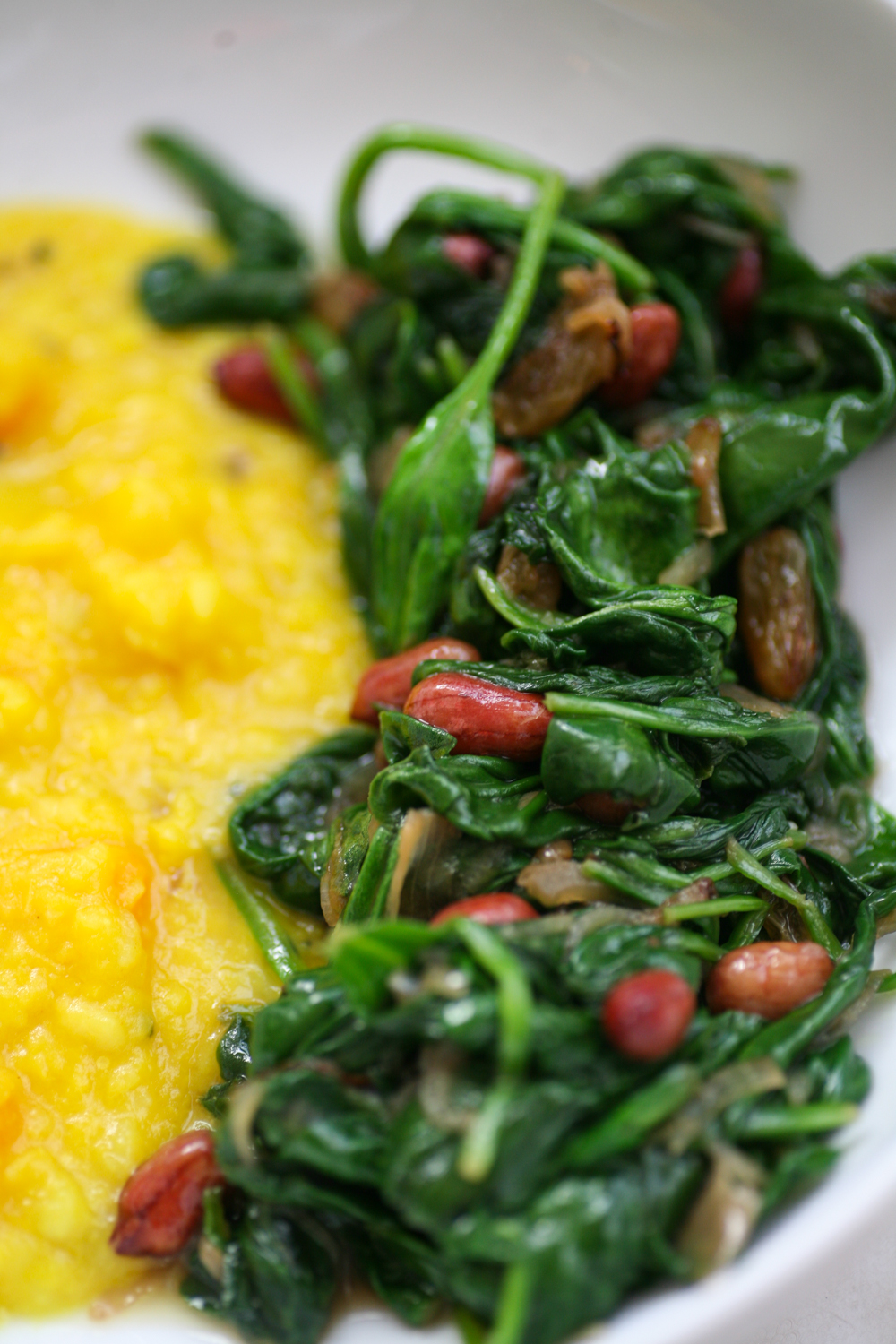
Back to the spinach. You are probably wondering where spinach and ‘The Little Taperia’ fit together.  Well it was there that I ate a delicious spinach dish that inspired me to create my own version of the dish for you today. They used pine nuts and I can’t recall if they added raisins but I’m thinking they did as the dish had a subtle sweetness, which I don’t think was coming from the onions alone – but may well have been. Needless to say the dish was utterly delicious and I think the one that I have created for you equally hits the spot.

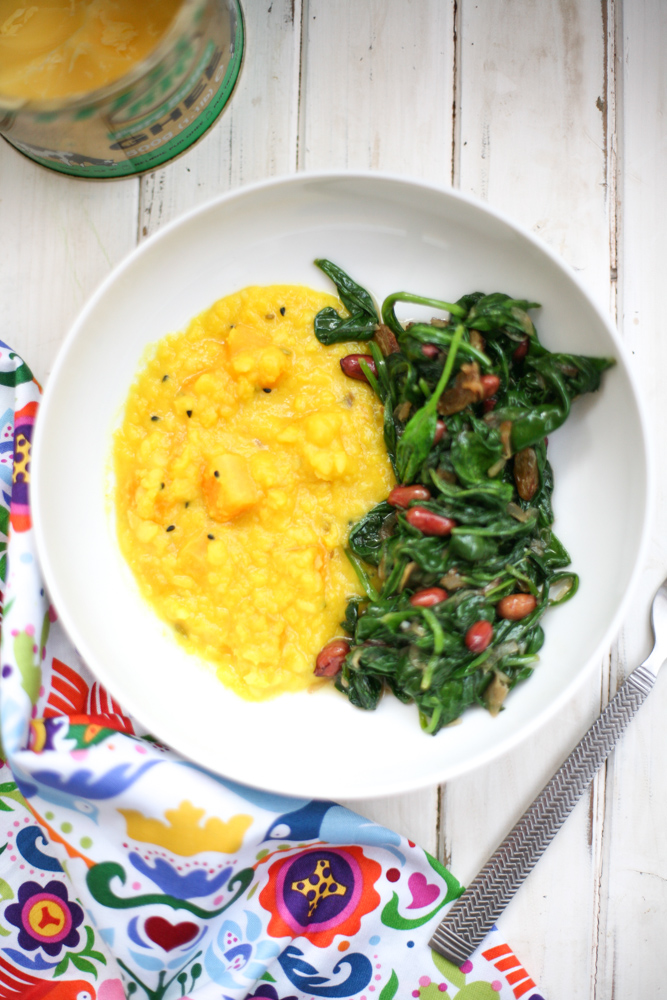
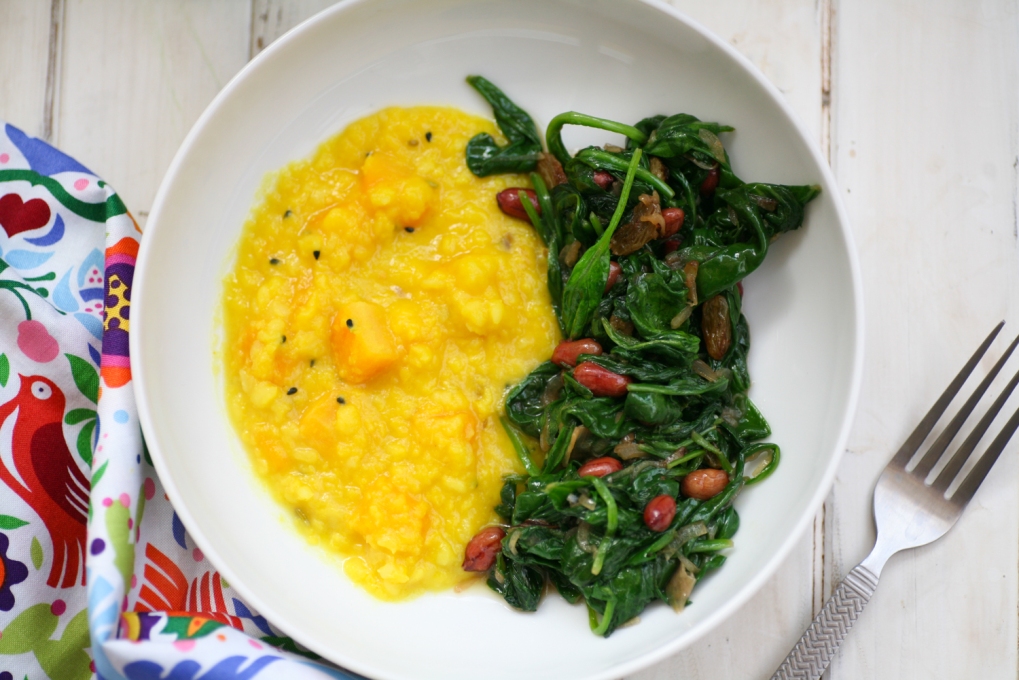
I’ve eaten it on a few occasions since and this time I accompanied it with my Indian dal with butternut squash. I don’t actually have that recipe up on my blog but a very similar one using marrow can be found here.

IMG_2049

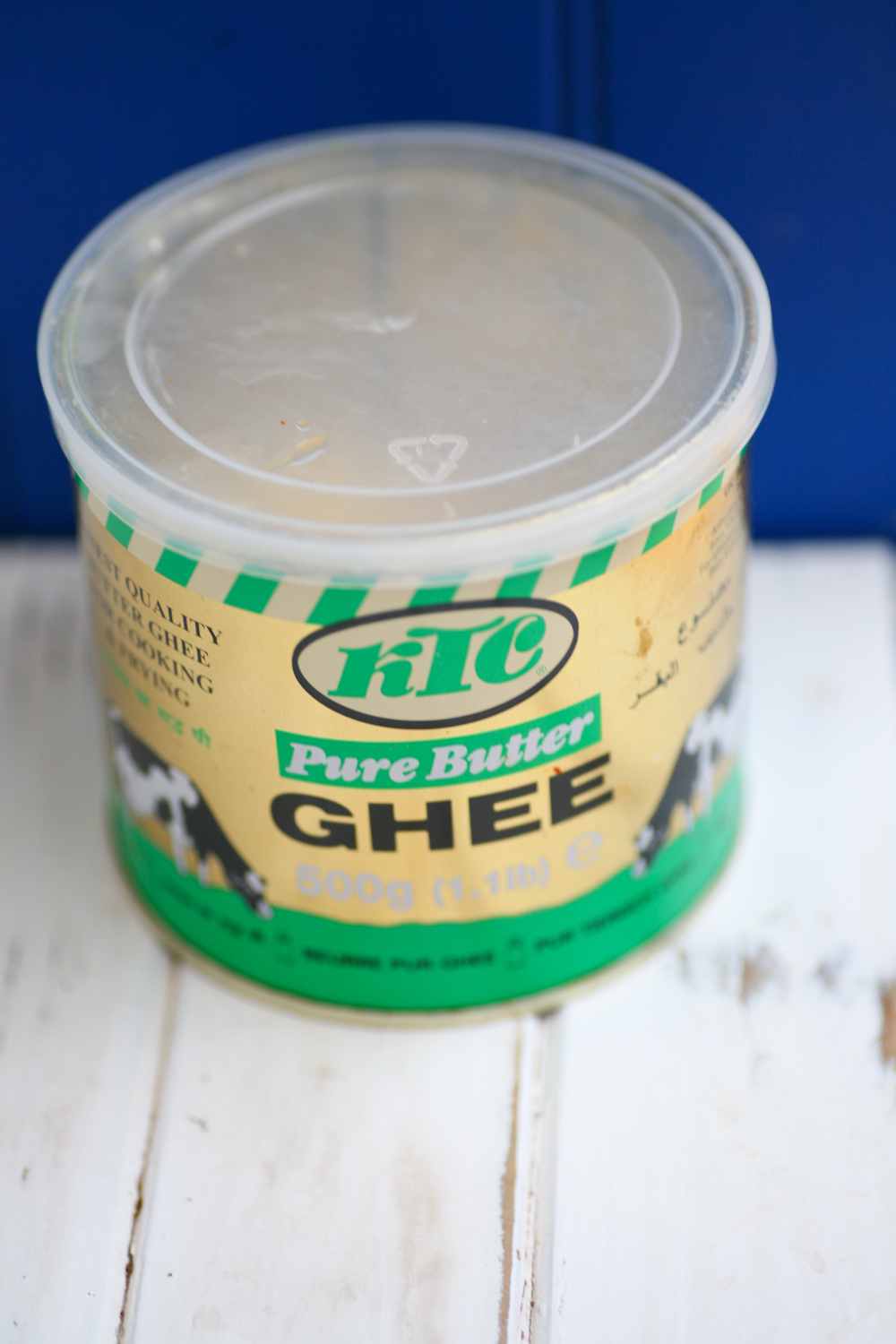
I add a dollop of ghee – clarified butter – on the top but if you are off diary or watching your waist line then just omit that part.

Spinach with Shallots, Green Raisins and Red Peanuts

2 tbsp light olive oil

2 banana shallots, finely sliced

pinch of salt

35g red peanuts (works out to be a handful)

35g green raisins (works out to be a handful)

240g fresh spinach

1 tbsp ghee

  1. Heat a pan with the oil and when it is medium hot add the banana shallots and pinch of salt and leave to soften and begin to bronze, which will take around 5 minutes.
  2. Add the green raisins and red peanuts and move around the pan. After a minute add the spinach.
  3. Place a lid the pan so that the spinach wilts. After a minute give a stir and then add the ghee. Let it melt and then serve immediately.

It is perfect with meat or fish but in this instance I ate it with some of my butternut squash dal, which was hit the spot for a delicious vegetarian supper. My butternut squash dal is similar to my marrow dal but uses butternut squash instead of marrow. Check it out here.

IMG_2041


New York Wanderings and a Traditional Bengali Chicken Curry

IMG_1529

I’ve been doing a spot of travelling since my last blog post, hence the slight delay. Mr B and I celebrated our 10 year wedding anniversary with a long weekend in New York. It’s been a decade since I last visited so was really eager to catch up with friends and immerse myself in a city that has the most wonderful, infectious energy and of course, never sleeps.

IMG_1515

We parked ourselves in The Standard, East Village with it’s fabulous vistas spanning the whole of Manhattan with it’s floor to ceiling windows; I never tired of the view from our bedroom.

photo-15

The hotel totally lived up to our (high) expectations and the staff made a real effort to make our stay extra special. Would I return? Most definitely.

IMG_1497

Sunrise on our first morning from our room

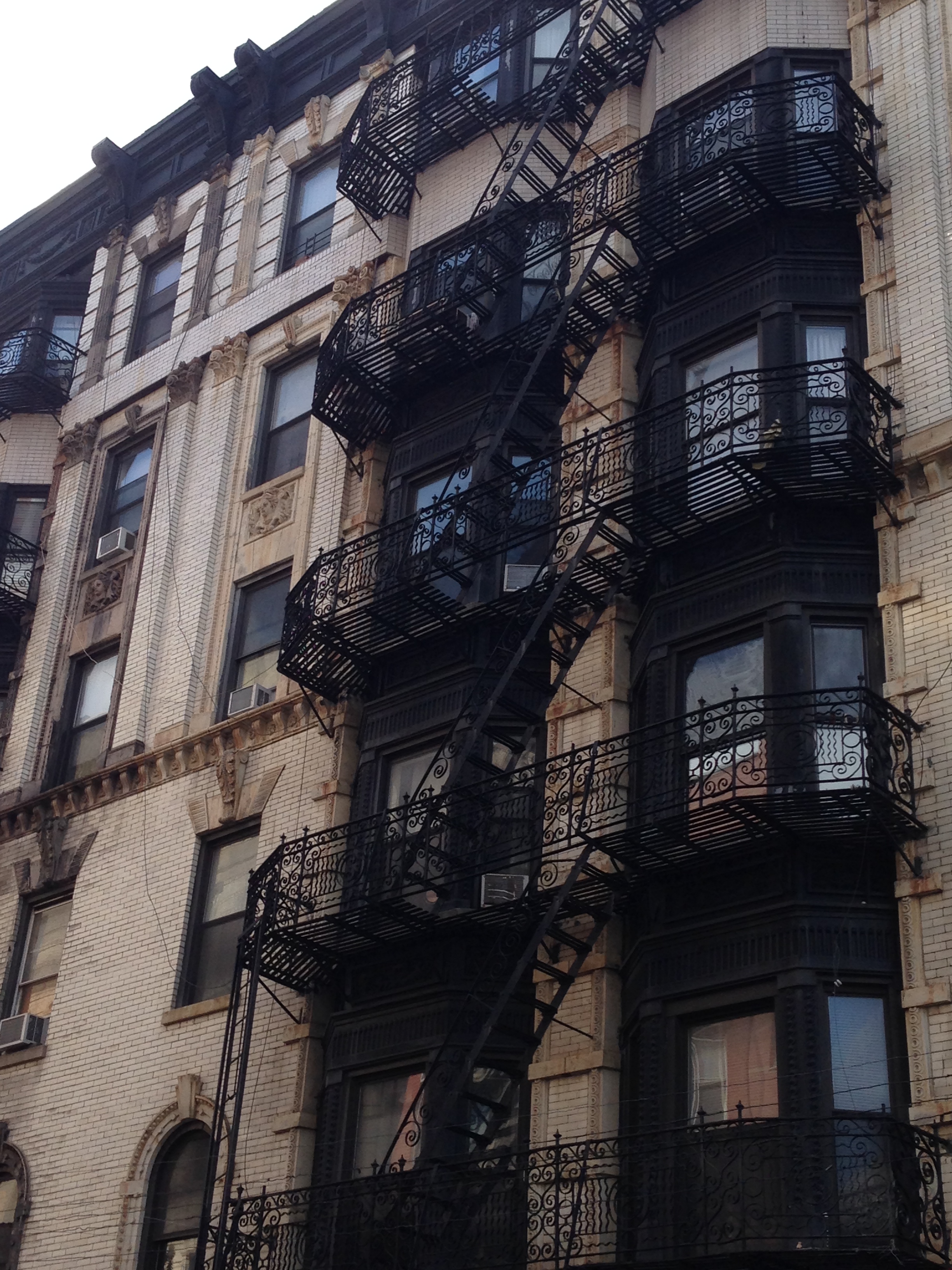
We walked and walked and walked for hours on end, exploring the little streets in the Villages and Soho with it’s stunning wrought ironwork on the sides of the buildings.

photo-14

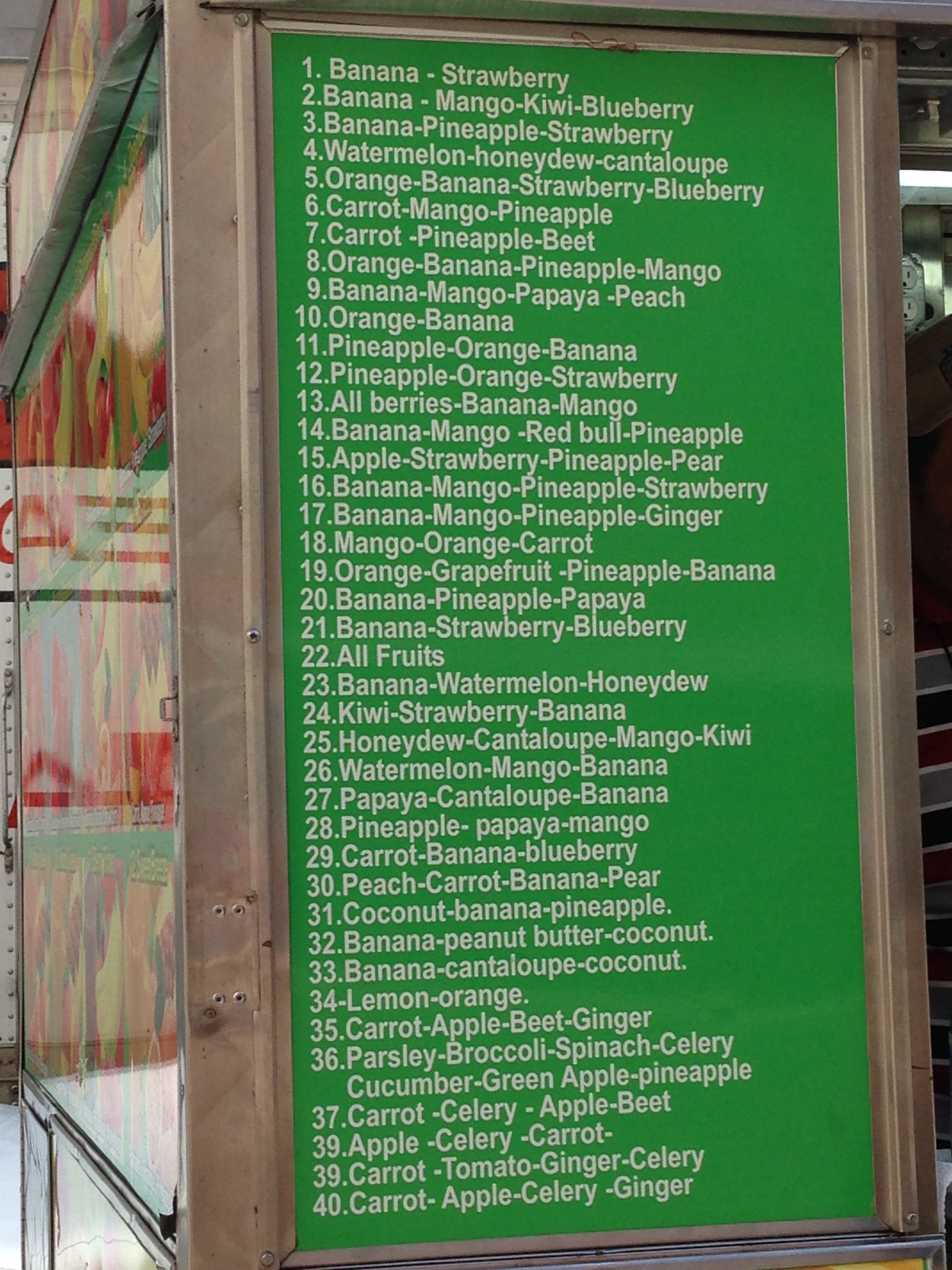
To give us bursts of energy we would refuel with fresh juices from the juice trailers parked in the streets. With around 80 different juice combinations to choose from it was hard to decide which one to pick. At around $4 a pop they are great value and ridiculously healthy – a win win.

photo-16

They cleanse the body and totally refresh the tired wanderer. Competitively priced and they would do so well here in London – a great business idea for a budding entrepreneur!!

IMG_1518

The stunning High Line with the old tracks visible

The High Line really impressed us – a great example of urban regeneration. It’s a stunning elevated greenway mile that used to be the New York central rail road spur, known as the West Side Line. It spans the meat packing district all the way up to Chelsea and is cleverly designed with shrubs, plants and trees interspersed with benches and seating areas around and on top of the old tracks. I particularly loved the raised seating, similar to an amphitheatre that looks over one of the roads with a huge glass window.

IMG_1537

Clever designs and architecture throughout the High Line

Instead of watching a movie you sit and watch the traffic buzz beneath you. Later in the day when I was passing underneath it in a taxi it almost looked like an advertising poster, and then I saw the people moving around. A clever effect and a fun way to be creative with the old rail road.

IMG_1535

Walkways along the High Line 

The peace and serenity that the High Line offers is a welcome respite from the manic life that goes on down below. If you are planning a trip my recommendation would be to go early as it definitely becomes crowded as the run rises higher in the sky.

IMG_1506

Me sitting on the attractive wooden seating on the High Line

Friends beckoned us over to Brooklyn, a place I definitely want to explore further on my next visit, to an area that is gentrifying and that has become rather hip – called Dumbo. Looking across at Manhattan from the Brooklyn side of New York, gave a new perspective to this sprawling city. The sun was shining and the crowds were out and if the ice cream queue at The Brooklyn Ice Cream Factory had anything to go by the area of Dumbo has become hugely popular.

IMG_1543

Looking back at Manhattan from Dumbo in Brooklyn

A couple other must-see destinations for foodies is the Italian food emporium of Eataly, which is just by the famous Flatiron building, which in itself is a piece of interesting architecture worth seeing.

IMG_1563

 The famous Flatiron building

It’s only a matter of time before we’ll see an Eataly in London, having already got branches outside the US in Dubai, Japan, Istanbul and Italy itself.  The shop is bursting at the seams with delicious Italian produce, and yet it has a calm serenity that makes wandering around it very pleasant indeed. There are bars and a couple of cafes (the one on the roof is perfect for sunny summer days and has a huge selection of beers) and it’s quite acceptable to browse around the store with a glass of wine in your hand. All very civilised if you ask me.

photo-17

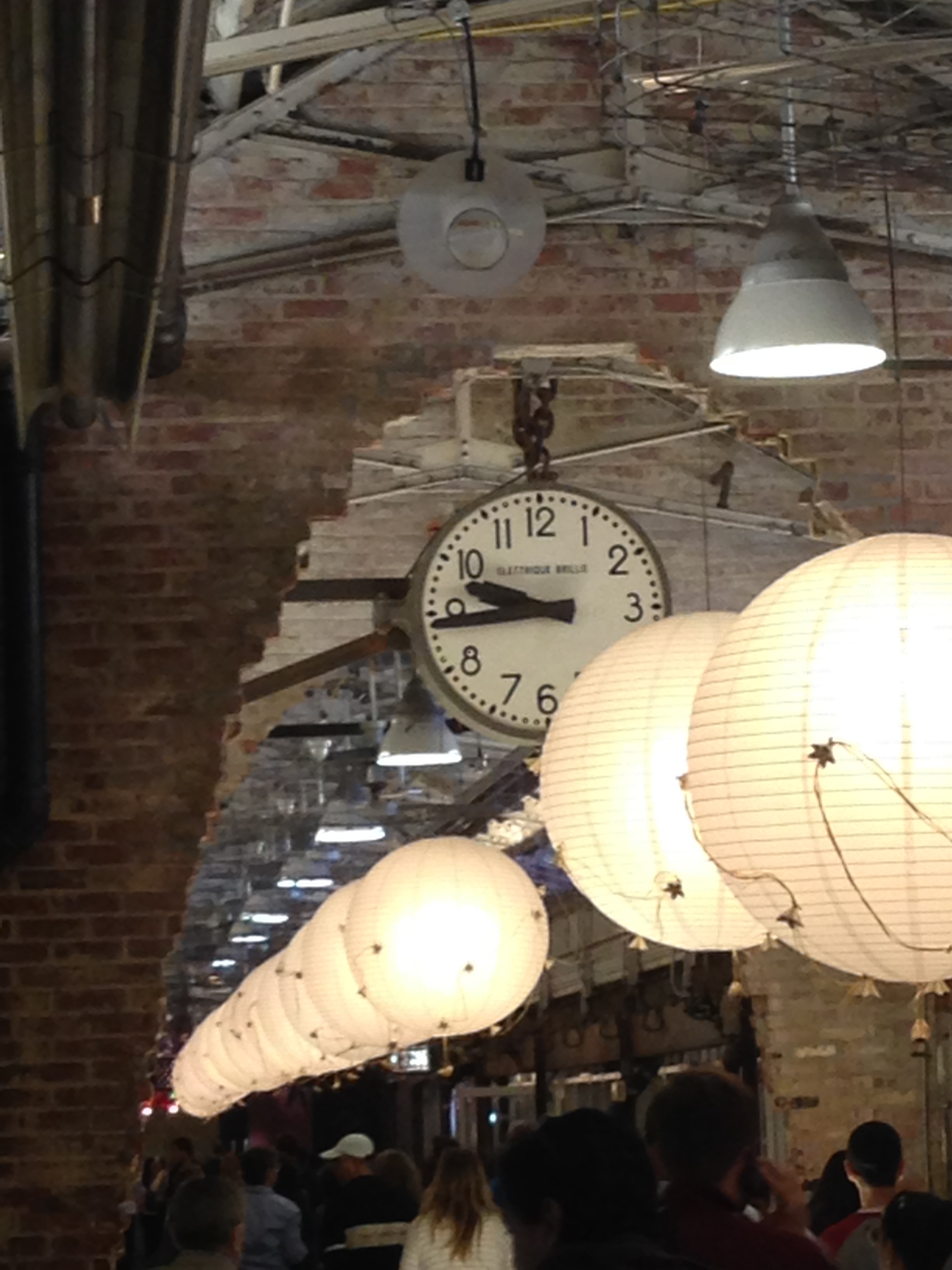
The other food mecca worth seeking out is Chelsea Market, not far from the High Line, so perhaps the perfect pit stop after a High Line stroll. It’s a stunning food court with a great atmosphere and an incredible choice of eateries, bars and cafes.

photo-18

strolling through Chelsea Market – loving the exposed bricks

Aside from eating, walking and socialising we managed to squeeze in a little culture with a visit to the ‘The Frick Collection’ . Based in the Upper East Side it gave us a great excuse to explore the neighbourhood and central park. The collection itself is fascinating and housed in the mansion of the wealthy industrialist Henry Frick, one of America’s greatest art collectors who died in 1919. His house contains many masterpieces of paintings, sculptures and decorative art that the public are freely allowed to view and admire. He bequeathed the house and all it’s contents to the public upon his death. It’s a relatively small collection so won’t take too long to amble around so is easy to fit into a quick stop in New York. Go visit.

New York is jammed full of incredible restaurants. A list of some of those we visited is listed below:

The Dutch – happening bar with tasty American food and an exciting wine list. Based in Soho.

Lafayette – sister restaurant to The Dutch (we did not realise this at the time). Larger in size to The Dutch and a little more formal. More French style menu.

Atrium – This Dumbo restaurant is buzzy with a delicious brunch/lunch menu. Mr B found the pulled pork bun too small for his liking – I on the other hand found the size spot on. Interesting foliage structure upon the main wall.

Spice Market – based in the Meatpacking District across the road from Soho House. Old kid on the block but still going strong. Large restaurant so not intimate and filled with locals, but seriously tasty Asian food.

Noho Star – Neighbourhood cafe in East Village. Highly recommend the spicy Mexican Huevos Rancheros. Deeeelish.

Cafe Standard – Within the Standard Hotel East Village, this hip eatery is always buzzing and has a great menu with delicious juices.

*******************

Back in London we craved spicy Indian food so rustled up one of our favourite chicken curries. We tend to cook it on the bone (seriously it tastes much better this way), but if the thought of cooking and eating off the bone doesn’t appeal simply cook the curry with breast and boneless chicken thighs instead.

Eating nourishing, homely food also really helps with jetlag ;0)

IMG_9187

Traditional Bengali Chicken Curry

Serves 4-6

3 tbsp vegetable oil

1 large onion, roughly chopped

1 chicken, cut into 10/12 pieces and skin removed

1 tsp turmeric powder

1 tsp cumin powder

1 tsp coriander powder

1 tsp Kashmiri chilli powder

4 cloves

5 cardamom pods, split open

1 pieces of cinnamon bark, split into three

2 tsp salt

8 garlic cloves, kept whole

2 tsp of fresh ginger paste

4 medium potatoes, chopped in two

2 or 3 large carrots, chopped into 1 inch pieces

1 tbsp natural yoghurt

2 tbsp of tinned chopped tomatoes

1. In a large deep pan heat up the oil. Place the onion in the oil and gently fry until the onion becomes translucent and soft. This should take around 5 minutes.

2. Add the chicken pieces to the pan and allow them to whiten completely. Turn them at intervals so that all sides of the chicken pieces are white. This will take around 10 minutes.

3. Once whitened add all the spices and salt followed by the potatoes, garlic cloves, carrots, tomatoes and yoghurt. Stir in well so that the chicken and vegetables are completely coated in the spices.

4. On a medium heat allow the curry to cook through, stirring at intervals. No extra water is needed as the chicken pieces release plenty of water during cooking.

5. After 40 minutes the curry should be completely cooked. Using a knife make sure the carrots and potatoes are soft. If they remain hard, stir into the sauce and cook for another 10 minutes.

Serve with rice or Indian bread. As it is on the bone it is easier to eat the traditional Indian way – with your right hand -but I’ll leave that for you to decide.