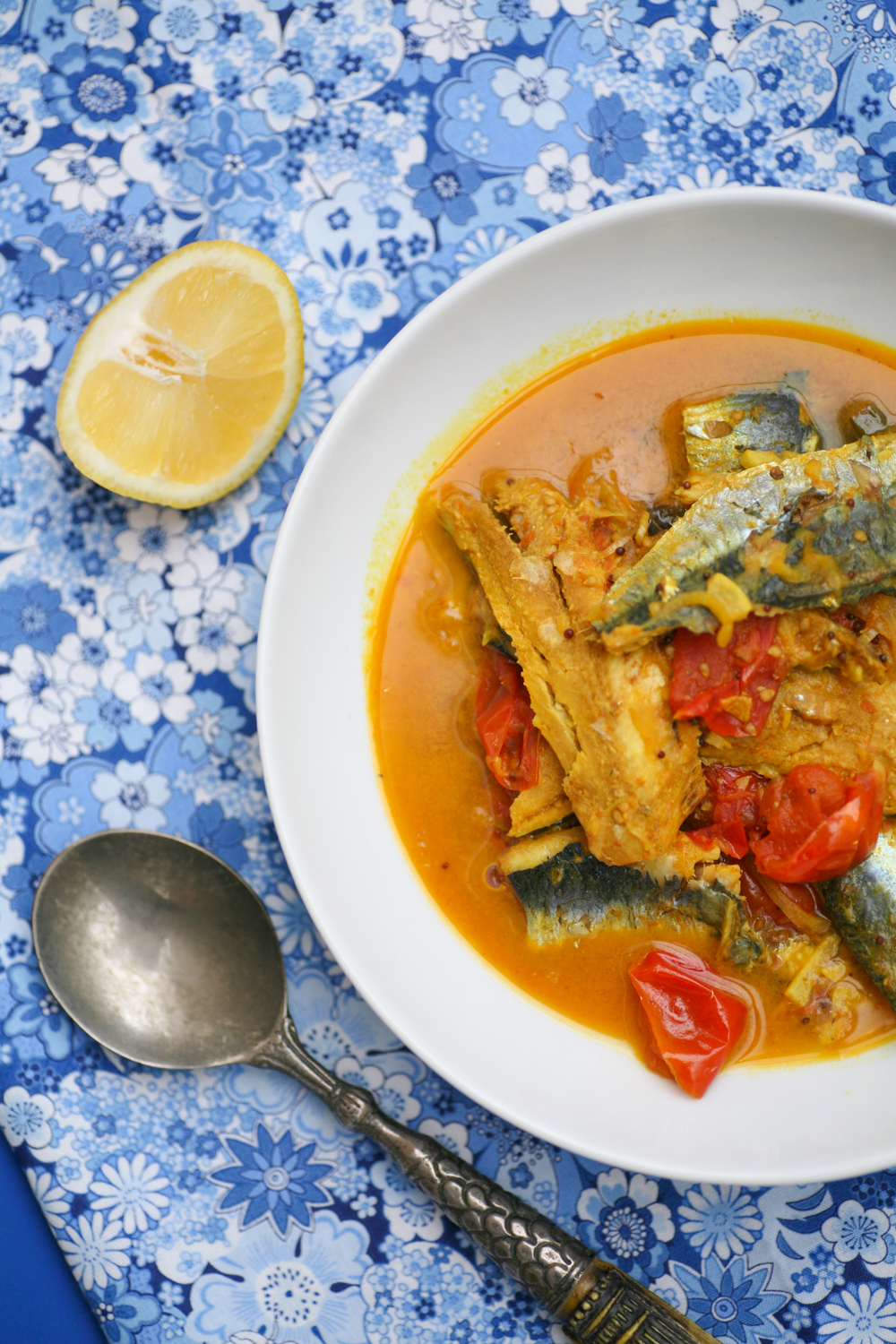
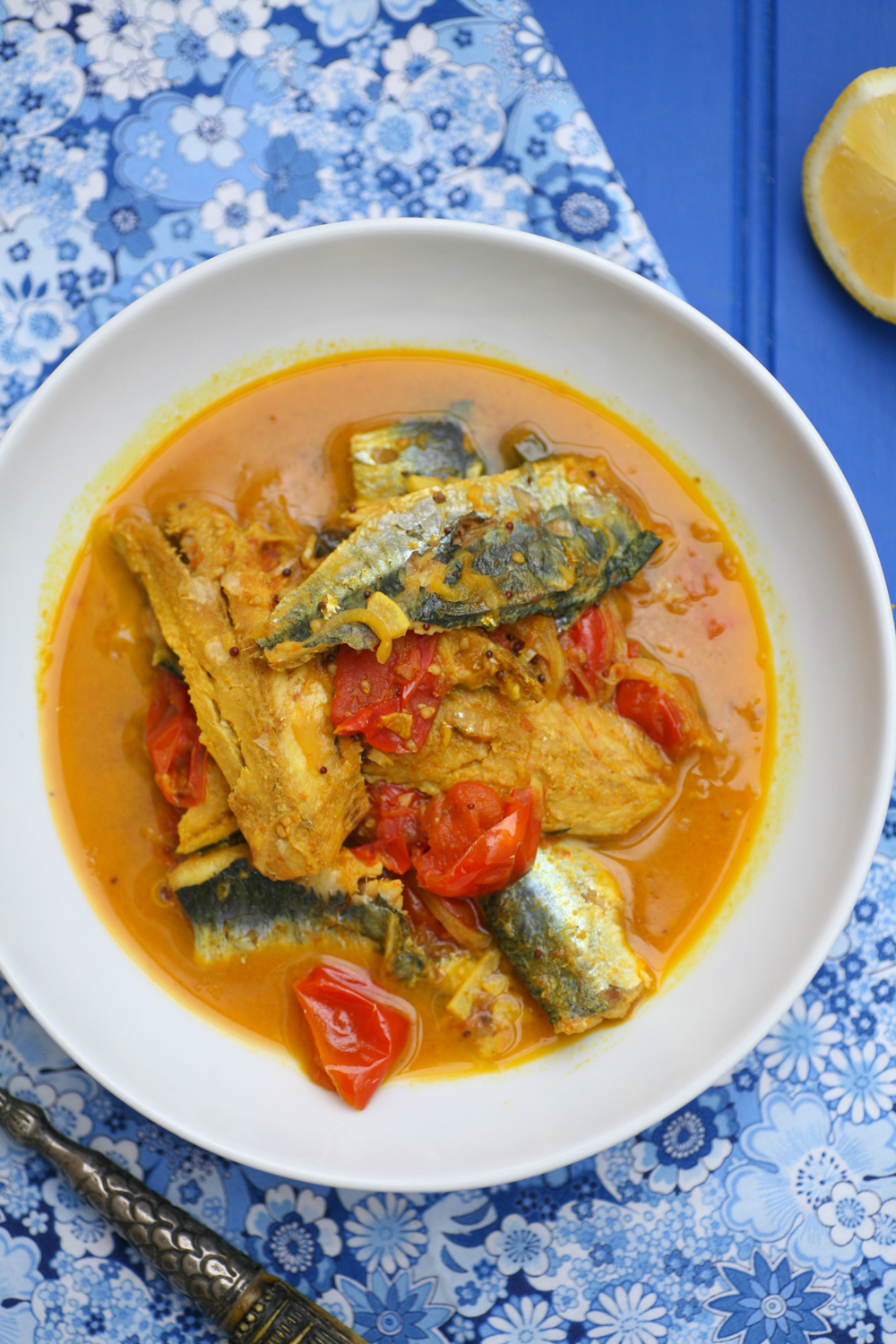
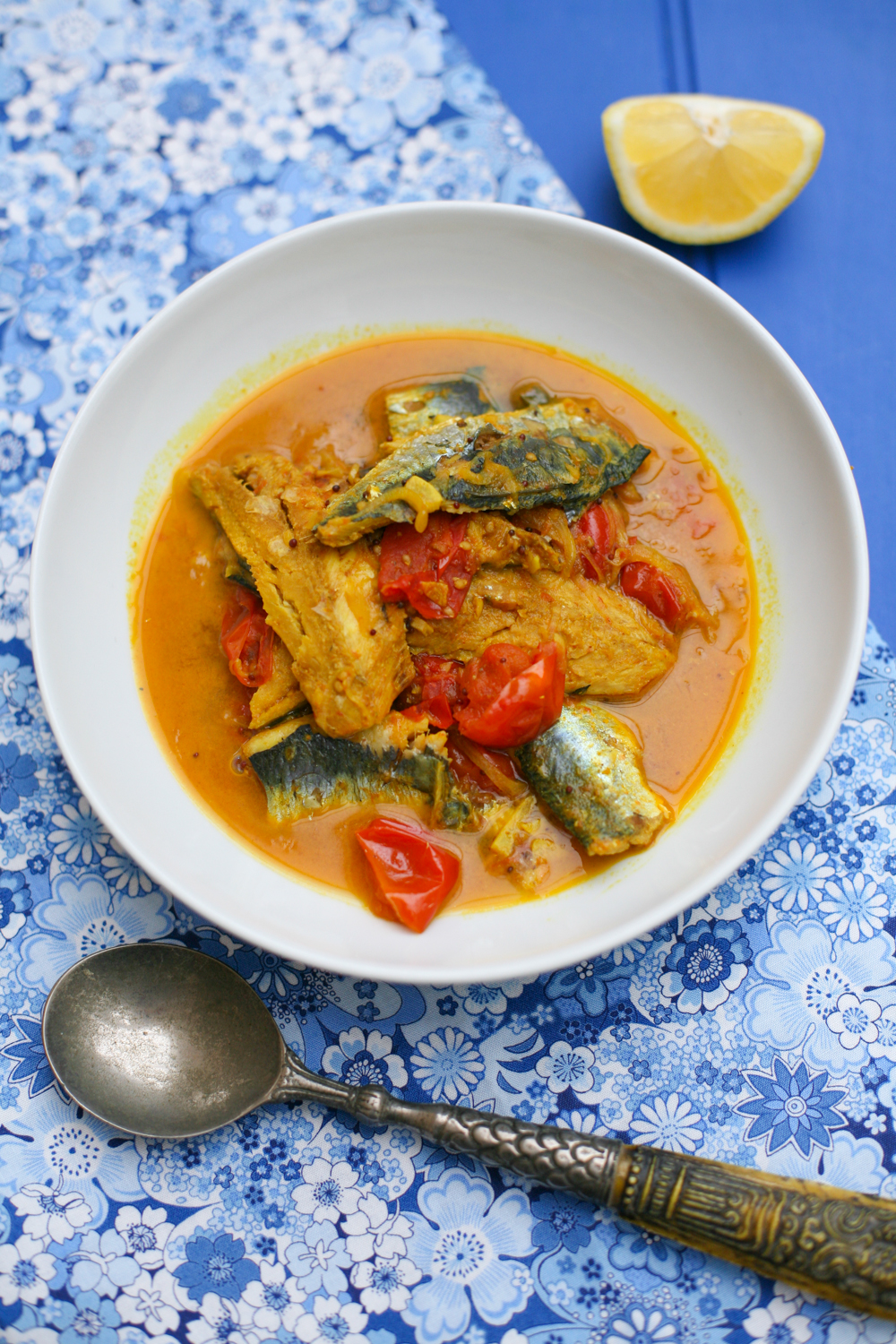
South Indian Sardine Curry

IMG_1033

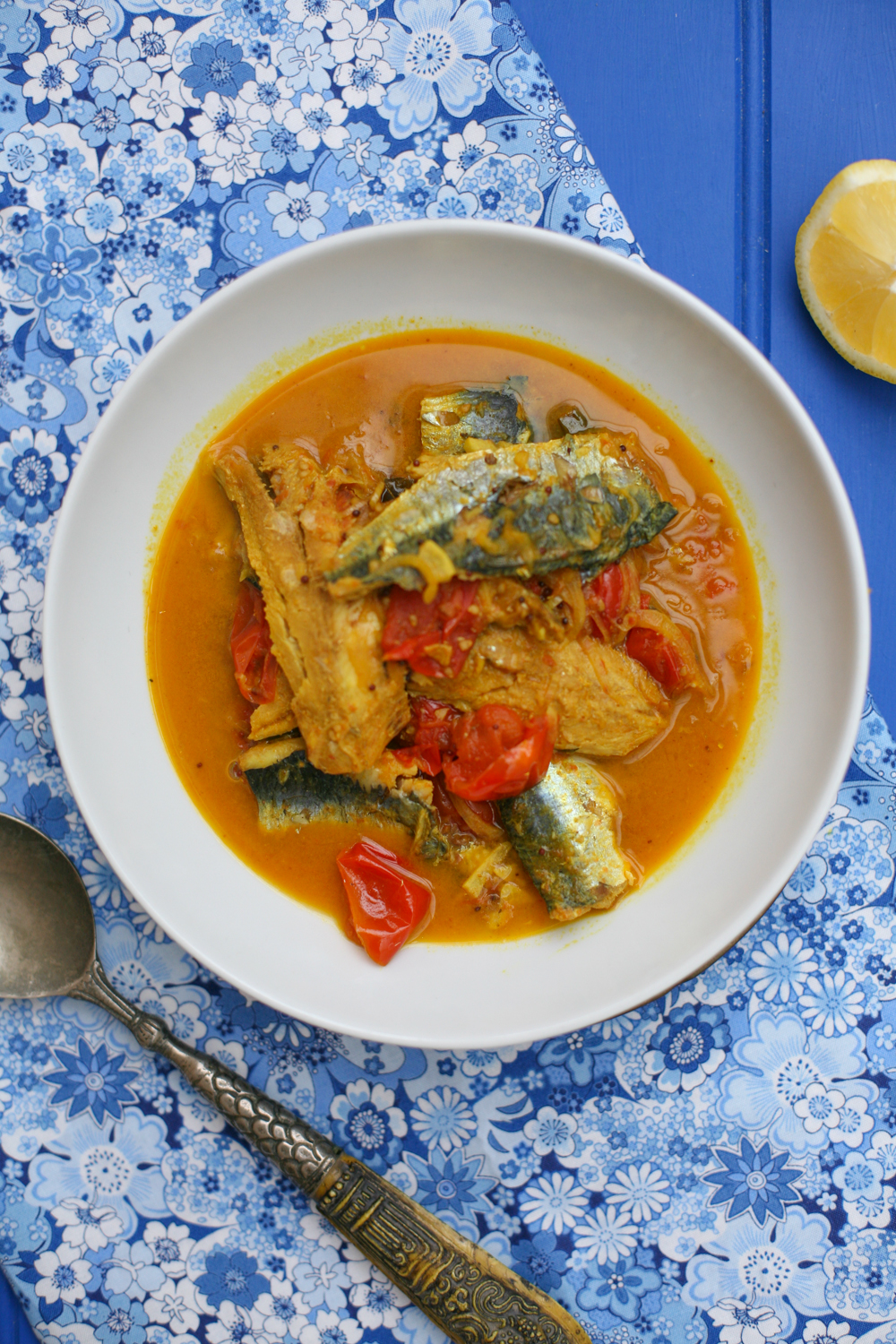
Don’t you just love those recipes that require minimal effort to achieve a very satisfying and tasty result? This south Indian sardine curry is one of those dishes.

Sardines are great fish to have in your diet as they are packed with essential nutrients, including omega 3 fats, vitamin B12 and vitamin D. They are also very reasonable to buy and therefore are within everyones budget. The bones too are so small that you can easily eat them along with the flesh, providing you with calcium.

IMG_1068

I sometimes like to keep the sardines whole and at others times have them filleted. This recipe works equally well, whichever way you like to prepare them.  If you are going to get them filleted your fishmonger can easily do this for you to save time.

You could also add tamarind paste (no more than a teaspoonful) to this dish to give it a different twist. If you do decide to do this add the tamarind at the same time that you add the tomatoes.

IMG_1056

South Indian Sardine Curry

1 tbsp coconut oil

1 tsp mustard seeds

10 fresh curry leaves

1 banana shallot, finely sliced

1 tsp salt

5 garlic cloves, finely chopped

1 heaped tsp of ginger paste

2 fresh chilli, sliced lengthways

1/2 tsp turmeric powder

1 tsp coriander powder

200g fresh tomatoes, quartered

200ml water

450g sardines, cleaned and filleted

1. Heat the coconut oil and then add the mustard seeds moving them around the pan for 15 seconds before adding the curry leaves. After a further 10 seconds add the shallots and salt.

2. Allow the shallots to soften slightly on a medium low heat for 4-5 minutes before adding the garlic, ginger and chilli, followed by the turmeric and coriander powder. Cook for a further couple of minutes.

3. Add the tomatoes and stir into the other ingredients. Place a lid on the pan and cook for around 5 minutes to allow the tomatoes to soften.

4. Add some of the water and stir into the ingredients to create a sauce and then add the sardines and cook on a low heat for around 5-7 minutes with the lid on the pan. Do add more water if you require more of a sauce.

5. Careful not to over stir as the sardines will break up.

IMG_1050


Kakrol Curry – for those who like to try new things

IMG_1156

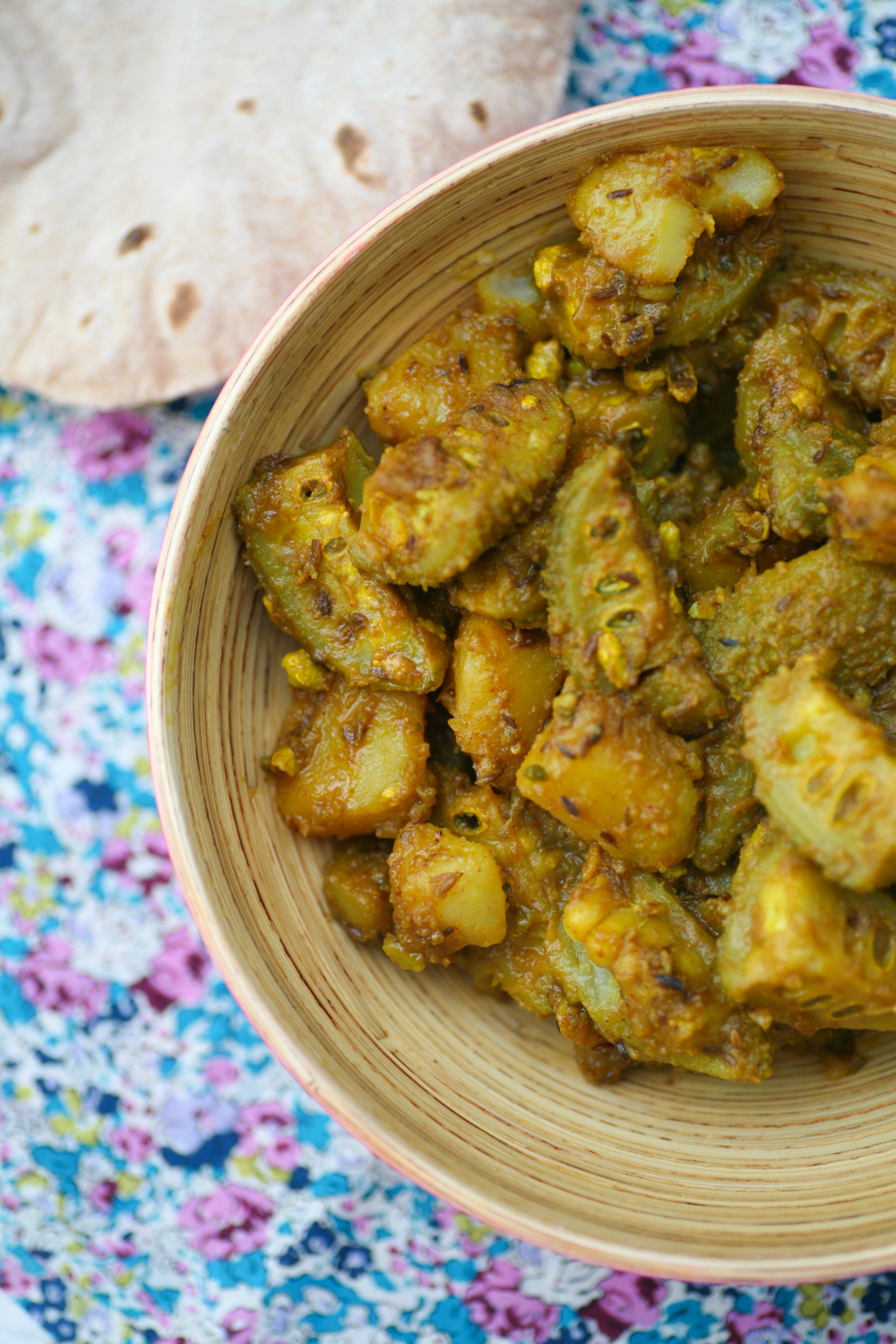
For the next month or so if you happen to be living near or in an Asian neighboured, or passing by an Asian grocery store, you might just chance upon a wonderful Asian vegetable known in Bengal as kakrol, or you may have heard it referred to as kantola. Then again you may have never heard or seen this Asian vegetable before as it’s pretty unique and is it’s only in season for a month or two.

IMG_1105

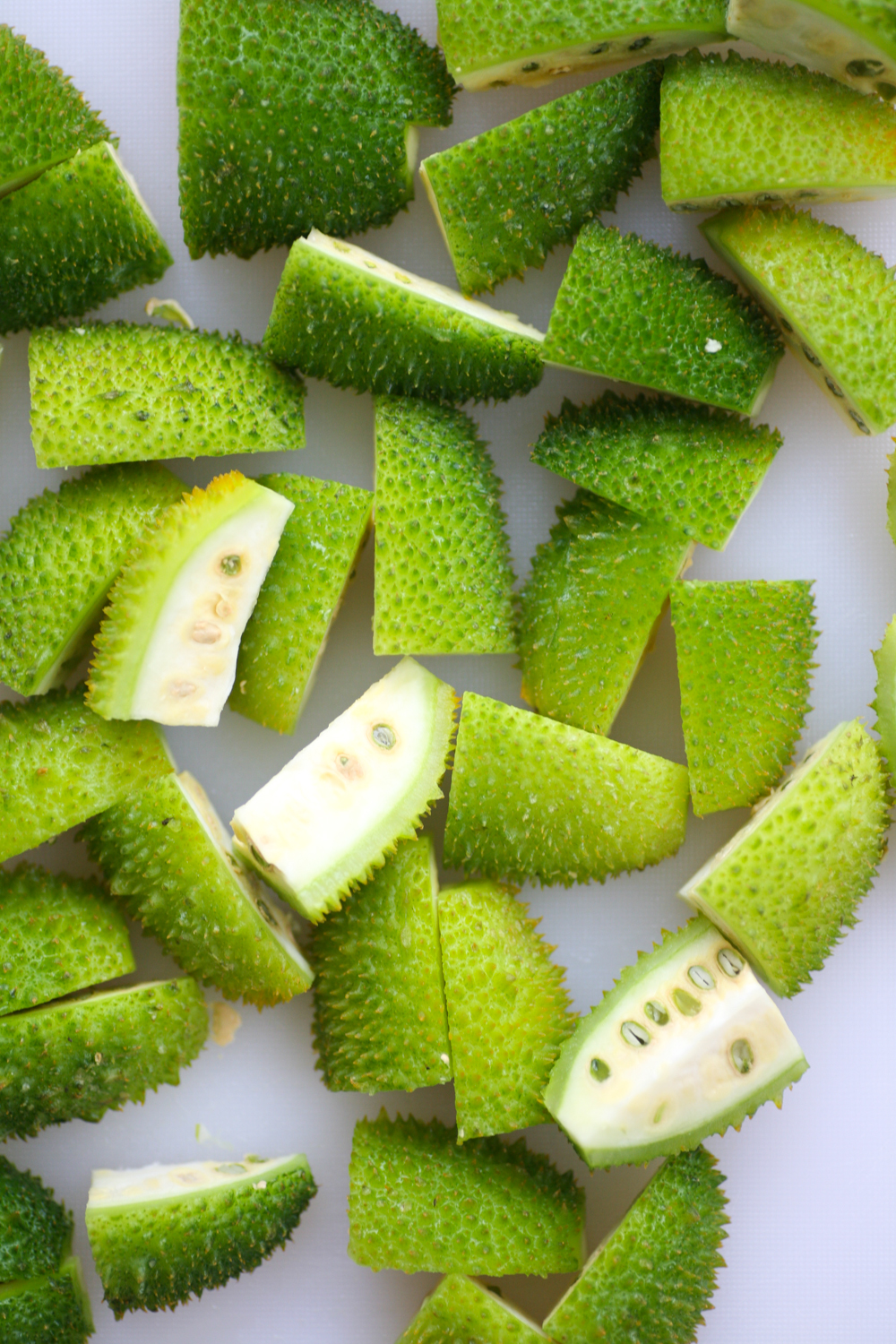
It’s a type of Indian gourd that does not have a bitterness like it’s cousin the korola. It’s seriously delicious and actually reminds me pool, which I equally love. It’s in season NOW so seize this opportunity and seek it out. I love the bright vivid greenness of its skin. It’s so inviting it just wants to be eaten!

IMG_1109

You need to half it lengthways and then half it again and then quarter it. Similar to the ones that I have in the photo above. You do not need to peel the skin, simply cut off either end of the gourd.

IMG_1119

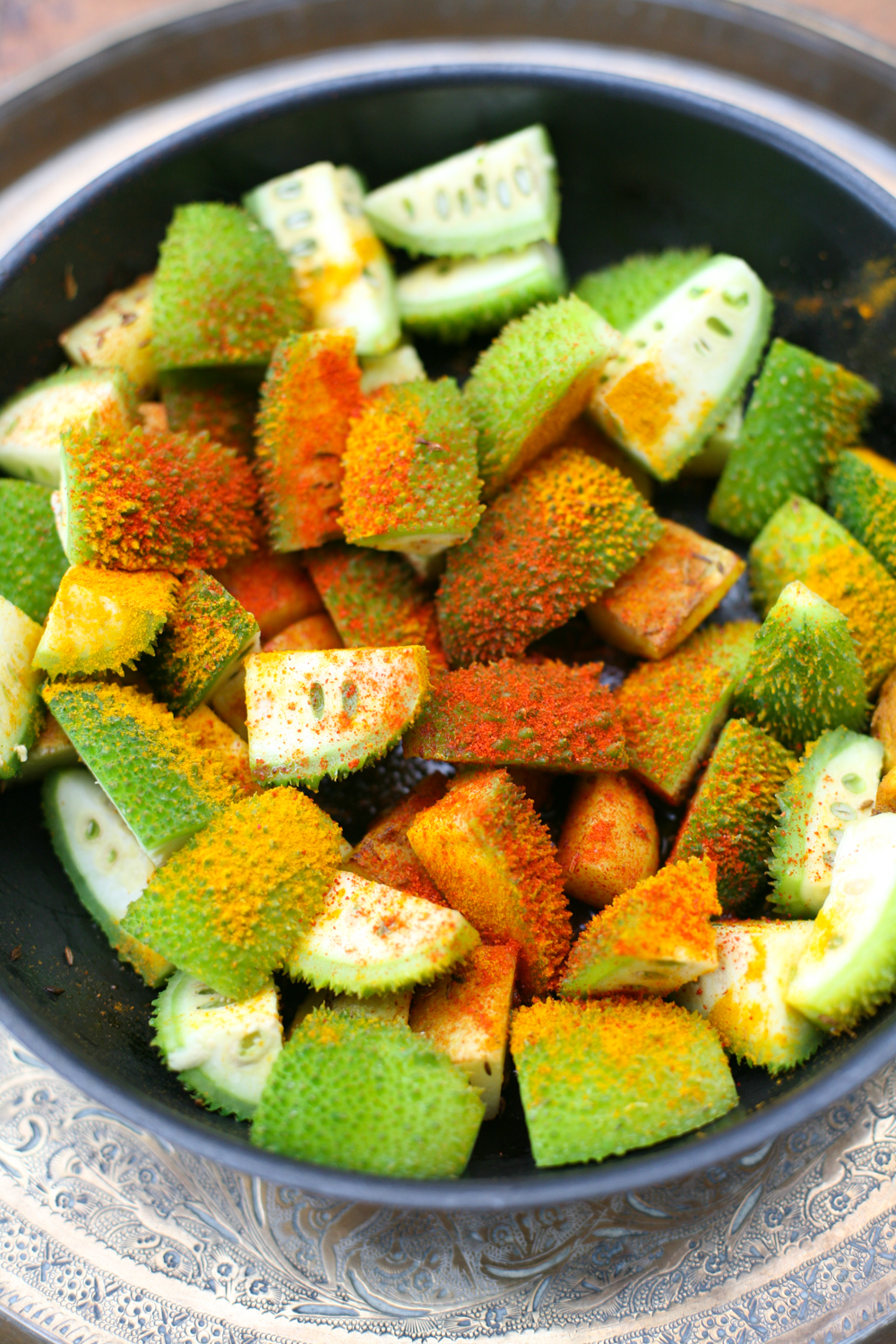
The brightness from the turmeric, Kashmiri chilli and the vegetable itself makes for some colourful cooking – just don’t wear a white shirt when cooking.

IMG_1143

I tend to accompany mine with some dal such as red split lentil or cholar and serve it with some freshly prepared chapatis. It’s absolute heaven and the perfect vegetarian/vegan meal. If you do manage to find them and cook this please let me know as I love to hear feedback from readers.

Have a lovely weekend.

Kakrol and Potato Curry

2 tbsp groundnut/olive oil

1 tsp cumin seeds

2 potatoes, halved lengthways and then quartered

5 kakrol/kantola, halved lengthways and then quartered (see photographs above)

1 tsp turmeric powder

1/2 tsp of Kashmiri chilli powder

1 tsp coriander powder

1 tsp cumin powder

1 tsp salt

a few tbsp of water to help soften the kakrol

1/2 tsp garam masala

1 tbsp ghee

1. Heat the oil in the pan and when it is hot add the cumin seeds and move them around the pan for 20 seconds before adding the chopped potato pieces. Turn the heat down and let the potatoes begin to bronze slightly. This will take around 4/5 minutes.

2. Add the kakrol along with the turmeric, chilli powder, salt, cumin powder and coriander powder. Use a spoon to cover the kakrol and potato in the spices.

3. You may need to add a little water to begin with to help the kakrol to soften. Place a lid on the pan to help steam and soften it. Turn gently at intervals and add a little more water if necessary. Cook on a low heat for 25-30 minutes, by which time the kakrol and potato will both be softened.

4. Before serving add the ghee and garam masala, stir into the curry and serve with hot chapatis or other Indian flat bread.

IMG_1165


Fiery Chettinad Chicken

IMG_0969

Chettinad is a region in the southern eastern state of Tamil Nadu in India. The cuisine is commonly regarded as one of the most fiery and aromatic.

IMG_0932

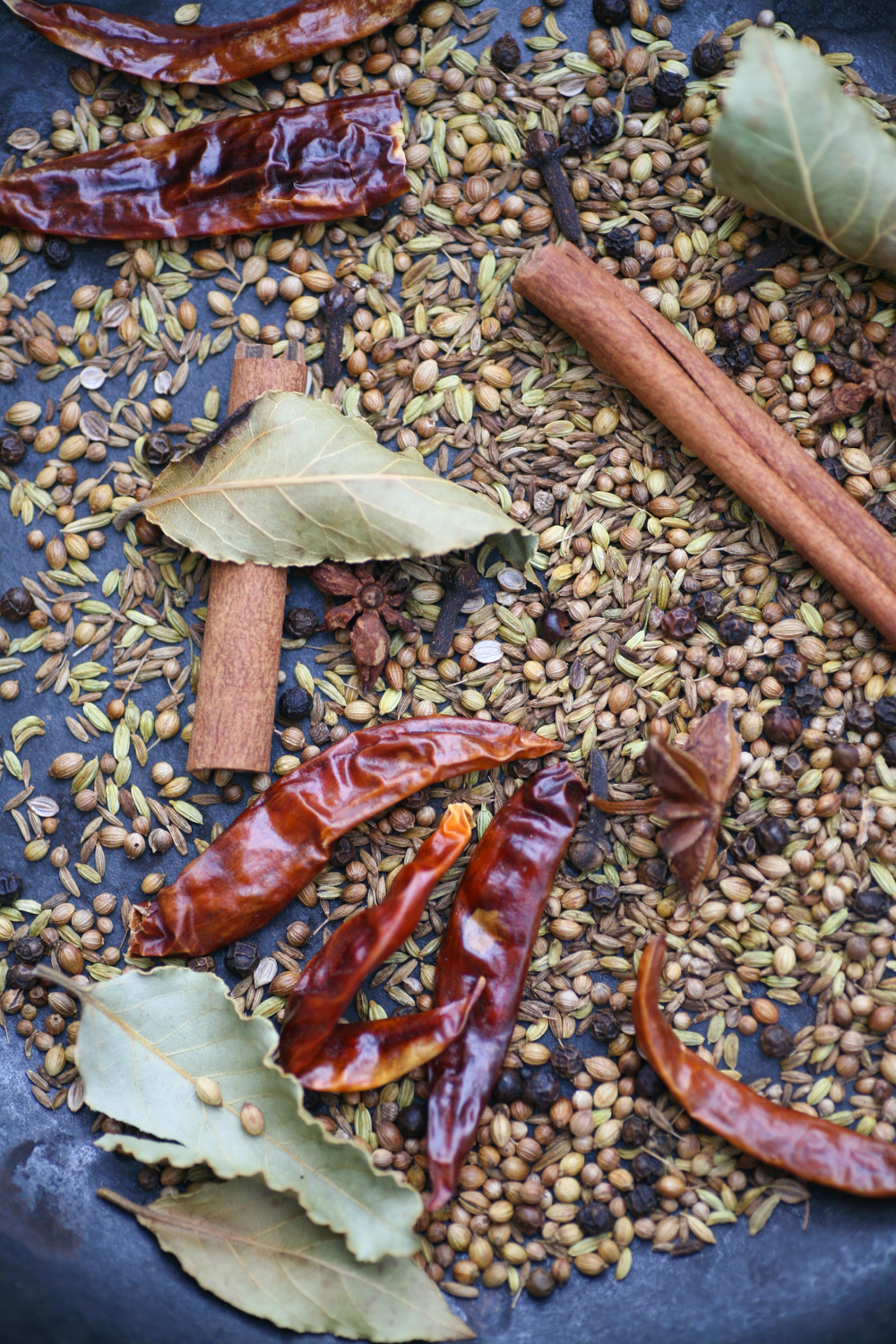
It is famous for its dry masalas that use a wide array of spices including, rather surprisingly, star anise, as well as more commonly used Indian spices such as cumin, cloves, black peppercorns, cinnamon, cardamom, coriander seeds, fennel seeds and whole red chillies. Similarly to the rest of southern India, coconut and tamarind are also often used in cooking.

IMG_0946

The Chettinad people have always been successful traders, travelling far afield throughout Asia. This can be seen in their cuisine as they use a wide range of spices and techniques, clearly influenced by their travelling merchant ancestors.

IMG_0971

My recipe is perfect if you crave some spice. For those at the korma end of the spectrum probably ought to give this a wide birth, but for those who like a flavoursome kick THIS is the curry for YOU. My kids definitely would not eat it, but Mr B and I are big fans and I hope that some of you out there will be also. If you prepare it in the morning ready to eat in the evening it works a treat. You could also cook it a day in advance if you are feeling super organised.

If any of you cook this please let me know what you think. It really isn’t that hot if you are used to eating spice, so be brave and give it a go. It would be great on a hot summer’s eve with a cold beer – check out my brother’s beer here or a chilled lassi such as this one.

Chettinad Chicken

Serves 4-6

800g chicken thighs, cut into bite sized pieces

1 tsp turmeric powder

1/2 lemon, juice only

****

Masala

2 tbsp coriander seeds

1 tbsp cumin seeds

1 tbsp black peppercorns

2 tsp fennel seeds

1 cinnamon stick

3 cardamom pods, seeds only

6 dried red chilli

6 cloves

4 fresh or dried bay leaves

2 star anise

60g desiccated coconut

100ml cold water

****

3 tbsp ground nut oil

14 fresh curry leaves

2 red onions, finely sliced

2 tsp salt

2 tsp garlic paste (or fresh garlic made into a paste)

2 tsp ginger paste (as above)

3 fresh tomatoes, chopped

75-100ml cold water

****

fresh ginger batons to serve

****

1. First cut the chicken thighs into bite sized pieces and cover with the turmeric and lemon juice. Mix in thoroughly and then place to one side whilst you make the masala.

2. Heat up a non stick pan and when it is hot add all the spices (but not the desiccated coconut) and move them around the pan for just over a minute so as to lightly toast them and release the flavours.

3. Place them in a spice grinder. I have this one which is excellent and Debenhams is selling it at the moment for £18. Best investment ever. (I am not on commission to say that!)

4. Whizz them around the spice grinder and then take out half the powder and then add the desiccated coconut or as much of it as you can. Whizz again and remove some more powder and put the remaining coconut in the spice grinder. Transfer to a bowl and add 100ml of cold water to create a thick paste.

5. In the same non stick pan add the ground nut oil and when it is hot add the fresh curry leaves, red onions and salt and gently fry for 8-10 minutes. Add the garlic and ginger paste and move around the pan so that it does not spit.

6. Add the tomatoes and continue to cook for a couple more minutes before adding the masala paste.

7. Add the turmeric lemon chicken and cover fully with the masala paste. Add the remaining water and leave to simmer for 45 minutes, or until the liquid has become virtually dry. Stir at intervals.

To serve place a few fresh ginger batons on top of the curry. It goes really well with rice or Indian breads. It is always good to have a bowl of fresh yoghurt on the side as this dish is renowned for being fiery.


Butternut Squash, Lemongrass, Coconut and Spinach Curry

IMG_0868

Increasingly more and more people are balancing their diet with vegetarian food and cutting out meat completely on some days of the week #meatfreemondays. Whilst I do eat meat and fish I am consciously eating less meat and more fish and vegetables. A balanced diet is important and I do enjoy eating meat but I am in the camp that it is unnecessary to eat it everyday.

IMG_0856

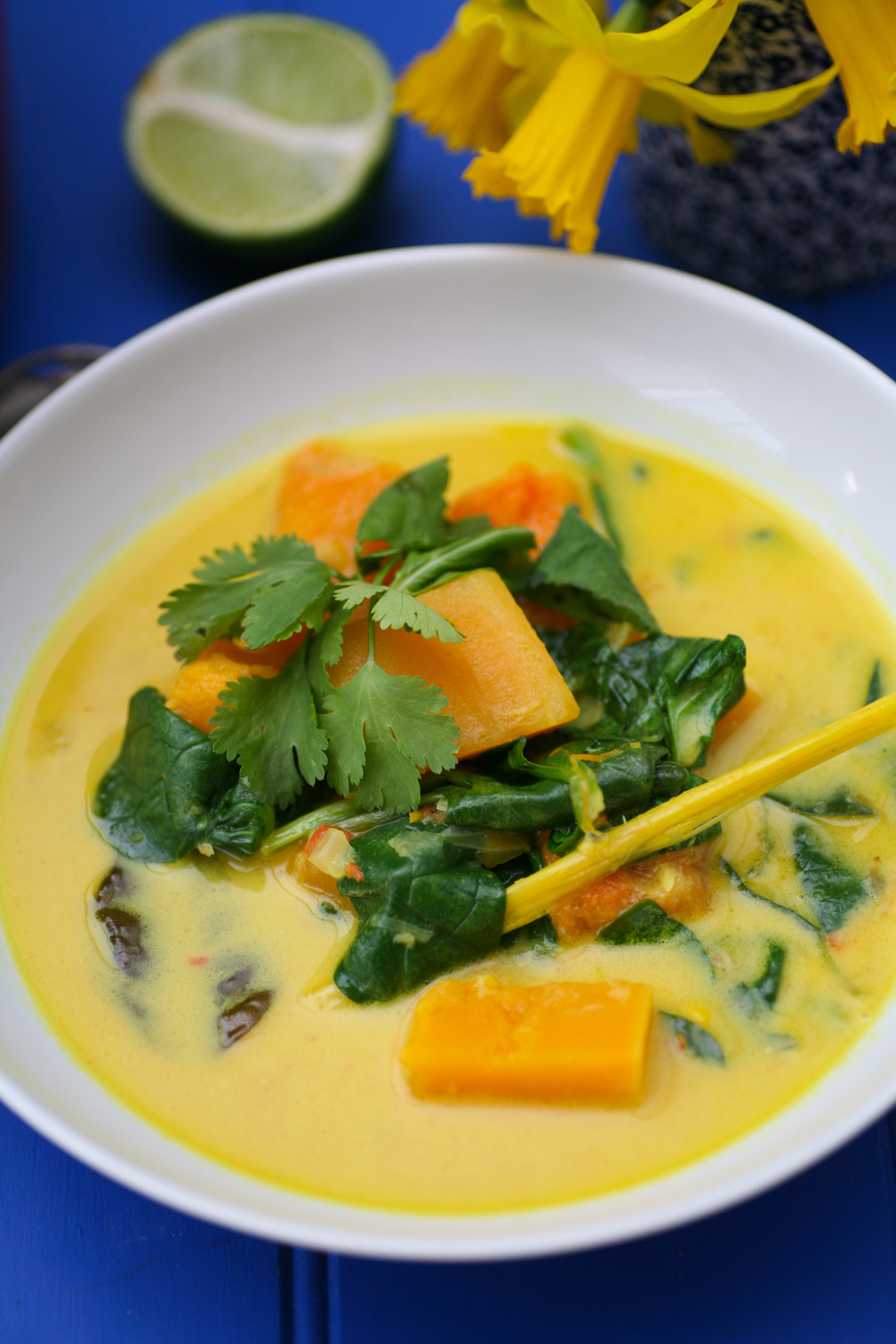
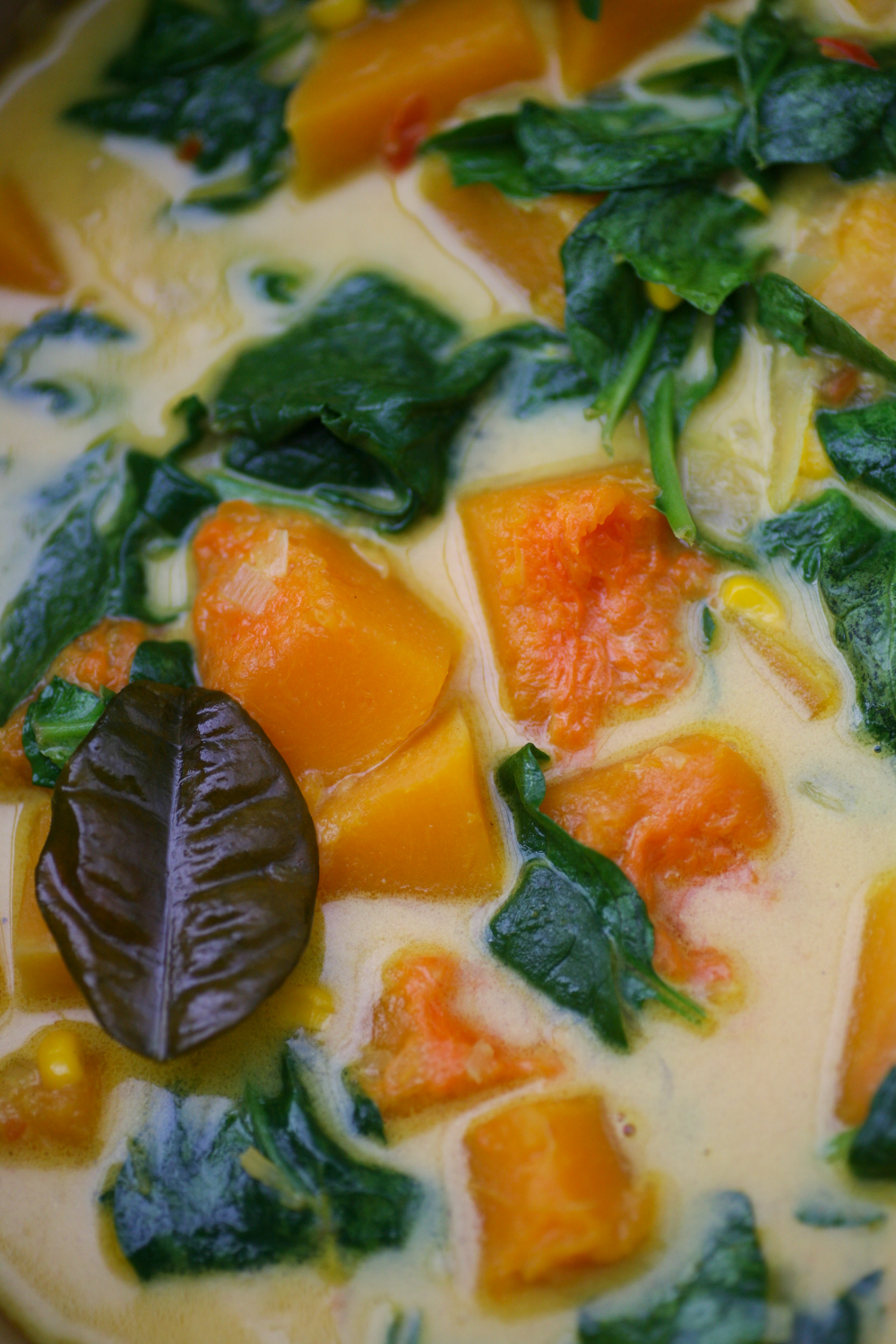
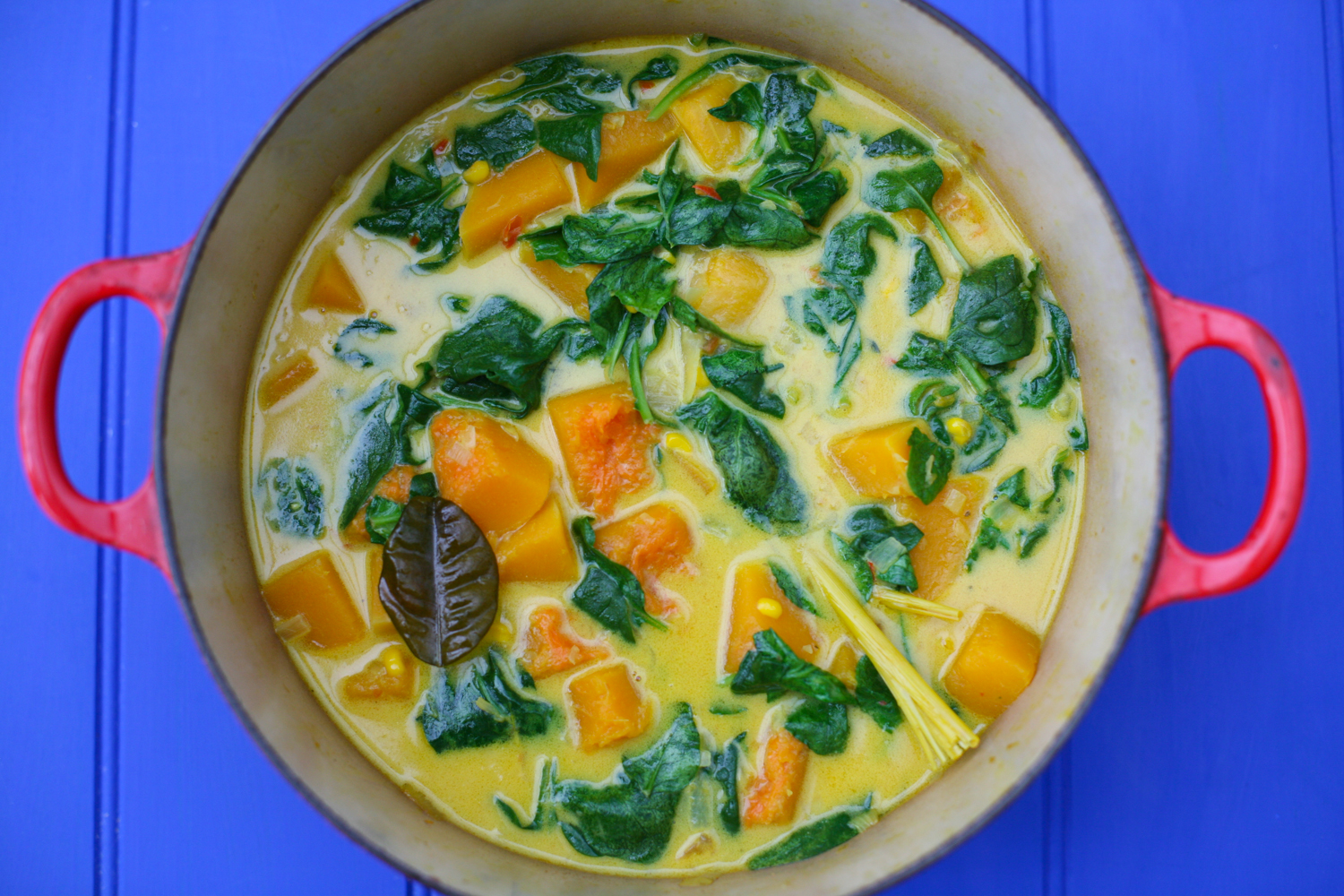
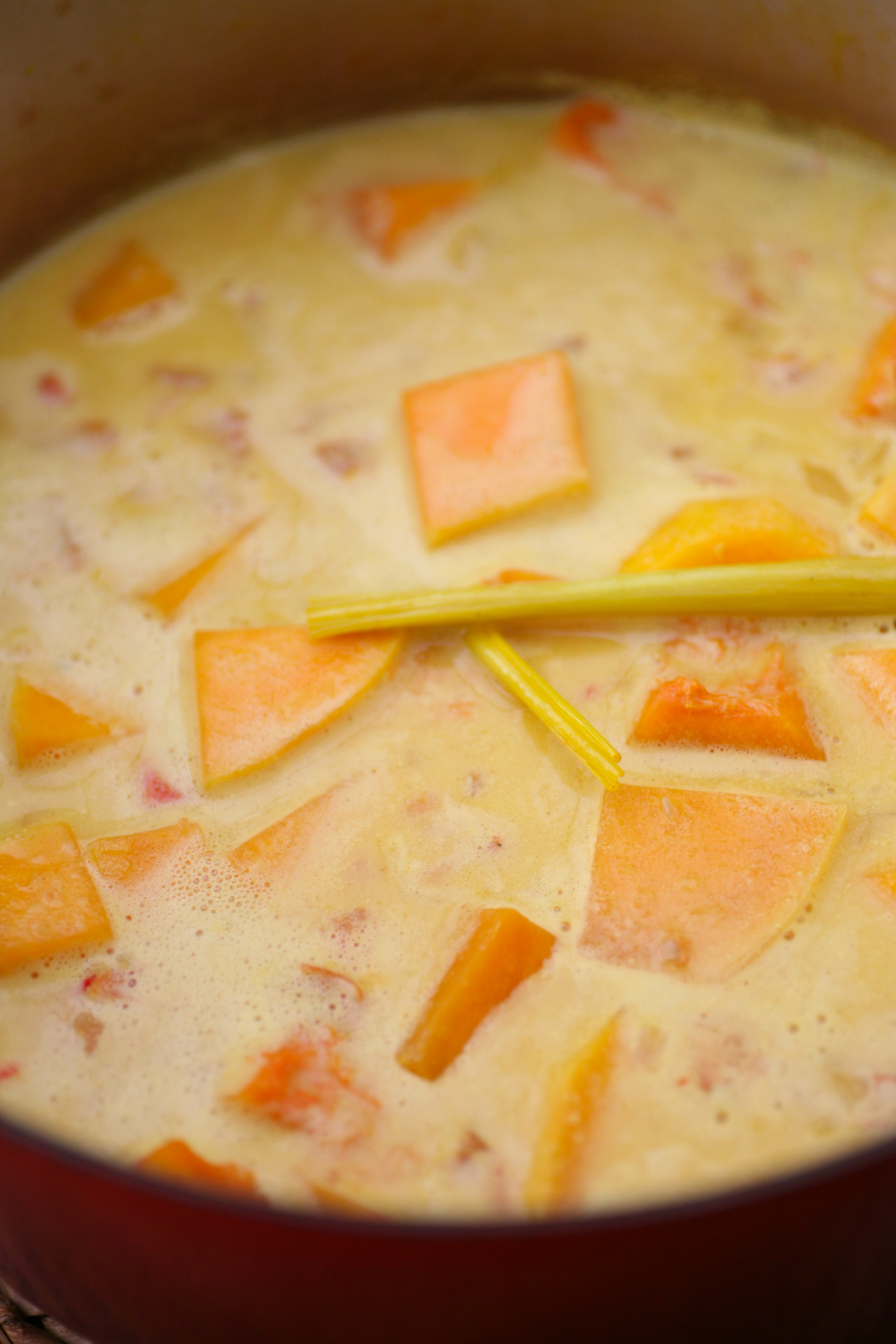
My recipe here ‘Butternut Squash, Lemongrass, Coconut and Spinach Curry’ will hopefully convert even the meat lovers amongst you. It is packed with so much goodness and tastes really good, with a lovely chilli kick reverberating through the dish. For those who claim they can’t cook, seriously try this one. It is very easy to make and you can cook it in under 30 minutes. The hardest part is peeling the butternut squash. *Inventors* out there I would love you to come up with a device that makes it quick and easy to peel any type of squash or pumpkin. I use my regular peeler and knife and whilst it does not take long I know it can be done faster.
IMG_0824

This recipe shouts SPRING to me, although that maybe because I put daffodils in the photo shoot. The bright yellow orange hue coming from the butternut squash and turmeric sings to me and makes it wonderfully appetising to look at and eat. I also love the burst of green from the spinach, fresh herbs and lime.

IMG_0830

I have used fresh ginger paste and garlic paste, as I always have pots to hand in the fridge and for speed they are wonderfully helpful, but by all means use fresh ginger and garlic and then simply finely grate them so they become more paste like.

IMG_0836

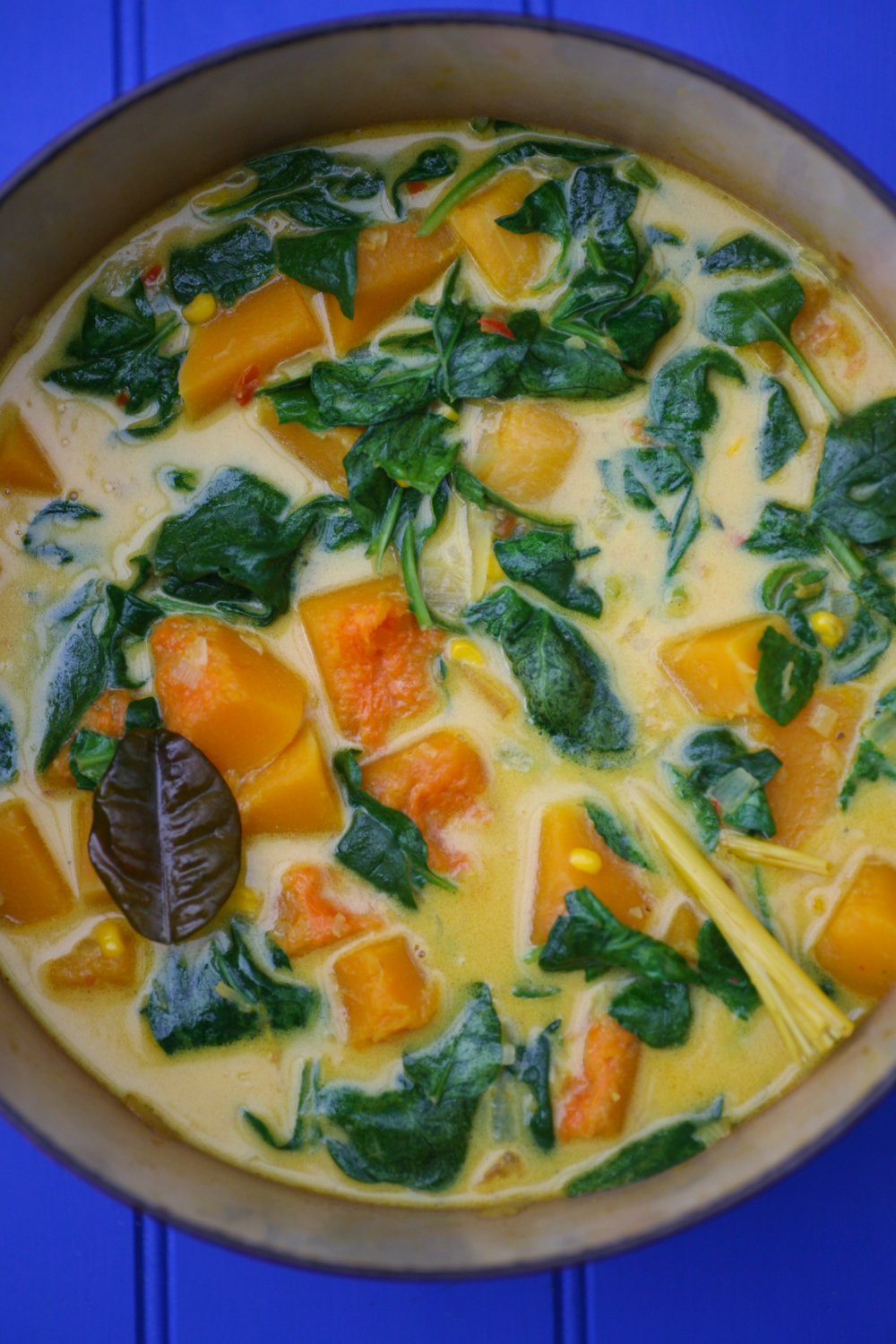
The sweetcorn adds a lovely crunch and texture to the dish alongside the soft butternut squash and spinach. I have added kaffir lime leaves as I often have some in my fridge/freezer. They freeze well and you can pick them up at the big supermarkets.

IMG_0842

I don’t bother to take out the kaffir lime leaves or lemongrass when serving. I quite like the rustic, throw it together look. I also find the dish is a great pick me up if you are feeling a little under the weather. The ginger, turmeric, garlic, spinach and chilli really flood the body with so much goodness that a sense of wellbeing hits you almost immediately.

IMG_0856

I would love you to give it a try and please let me know how you get on. Butternut squash (uncooked) last for weeks so I always have one ready to use.

IMG_0846

Butternut Squash, Lemongrass, Coconut and Spinach Curry

Serves 4-6

3 tbsp ground nut oil

3 banana shallots (or 2 medium onions), finely sliced

1 tsp salt

2 lemongrass, outer leaves taken off and both ends and then bashed gently with a rolling pin

1 heaped tsp of ginger paste

1 heaped tsp of garlic paste

2 small red chillies, thinly sliced

3 kaffir lime leaves (optional)

1 tsp ground turmeric

200g chopped fresh tomatoes

1 butternut squash, peeled and cut into 3cm cubes

500 ml of vegetable stock

1x 400ml can of coconut milk (I find Pride is nice and creamy)

1 tbsp Thai fish sauce

1 fresh corn on the cob, corn sliced off the cob

200g fresh spinach

handful of fresh coriander, to serve (optional)

handful of fresh mint, to serve (optional)

1/4 fresh lime per portion

1.  Finely slice the banana shallots and then heat the oil in a large deep pan. When it is hot add the shallots and turn the heat down. Add the salt and stir into the shallots. Allow the shallots to soften, which will take a few minutes.

2. Add the garlic and ginger paste and stir into the shallots. Then add the chillies, lemongrass, ground turmeric and kaffir lime leaves. After a further minute add the fresh tomato and stir once again. Add the butternut squash and stir into all the other ingredients.

3. Add the stock, Thai fish sauce and the coconut milk and simmer gently for around 20 minutes, by which time the butternut squash will have nicely softened. If it needs a couple more minutes to soften adequately, carefully monitor as you do not want to over cook as mushy butternut squash is not so appealing. Add the sweetcorn 5 minutes before you wish to serve as it will take no time to cook.

4. Turn off the heat and add the fresh spinach and gently submerge in the sauce, which will wilt it perfectly.

5. Serve hot in bowls either with some jasmine rice or noodles. Add fresh coriander, mint and lime to suit individual tastes.

IMG_0840

If you click on the comments button below you will also see the option to like. I know it’s a little hidden away but have a look and don’t forget to click the *LIKE* button and if you are feeling extra brave do leave a comment as I love to hear from readers.
Spicy Black Eye Bean Curry

IMG_9409

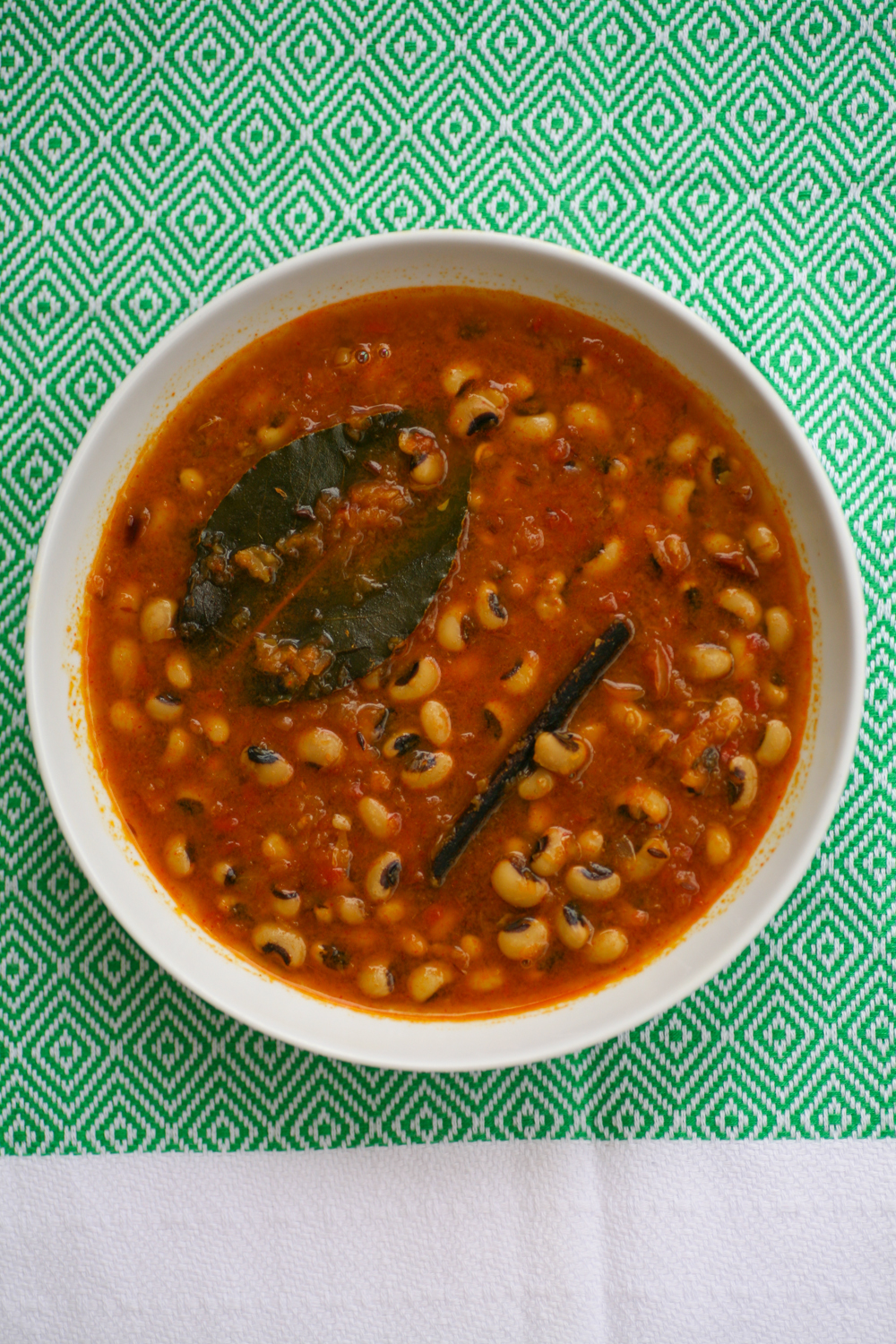
This is my final recipe for June supporting the ‘Curry for Change‘ – Find Your Feet campaign. I hope you have enjoyed my journey through the hamper of goodies kindly supplied to me by Natco Foods as part of the ‘Blogger’s Challenge‘. I have enjoyed experimenting with some ingredients that were new to me and as a consequence will be incorporating them as part of my diet going forward.

Out of the four recipes I posted I’m curious as to which YOU liked the look of most. Was it the Indian Powa Fuel, or my Lotus Seed/Phool Makhana Curry, my Dried Ginger and Lentil Spiced Chicken Balti or the one that I have posted today? Don’t be shy now…be brave and leave a little comment below.

I hope that I may have encouraged you to host a curry evening of your own to support the wonderful charity Find Your Feet – see details on the Curry for Change site. If you do I would love to hear how it went.

Over the next few weeks I will be tempting you with some refreshing, fragrant and tasty summer salads that you can pull together for a BBQ, summer picnic or a leisured lunch at home.

Now I must return to watching Wimbledon. The summer season has begun.

Spiced Black Eye Bean Curry

250g black eye beans

275g/3 medium sized red onion, roughly chopped

250g/3 medium tomatoes, roughly chopped

1 tsp garlic paste

3 tbsp vegetable oil

1 tsp cumin seeds

3 bay leaves

1 3inch stick of cinnamon

4 cloves

1 tsp turmeric powder

1 tsp coriander powder

1 tsp mango powder (also known as amchoor powder)

1 tsp Kashmiri chilli powder

1 tsp garam masala

salt to taste

500ml of cold water

1. Soak the black eye beans in a bowl of cold water overnight. Rinse them the following day and place in a saucepan along with boiling water to cover them. Simmer on a medium heat for around 30 minutes, or until the black eye beans have softened. Drain and place to one side.

2. In a blender add the onions and blend to a smooth paste. You may need to add a little water to help it become more paste like in consistency. Remove from the blender and place in a bowl to one side.

3. Rinse the blender and then add the tomatoes and blend so that a smooth paste forms. Remove from the blender and place in a bowl to one side.

4. In a deep pan or karahi add the vegetable oil and when it is hot add the cumin seeds, bay leaves, cinnamon stick and cloves. Stir them around the pan for 30 seconds.

5. Add the onion paste and a little salt to the pan and lower the heat so that the onion cooks through and begins to bronze slightly. This will take around 10 minutes.

6. Add the garlic paste, followed by the turmeric powder, coriander powder, mango powder, Kashmiri chilli powder and garam masala. Stir in thoroughly to the onion, garlic paste. Cook for a further 3 minutes.

7. Now add the tomato paste along with 50 ml water and simmer gently for a further 5 minutes.

8. Place the black eye beans into the curry and cover them in the sauce along with up to 450 ml of water, depending on how thick you like your sauce to be.

9. Simmer for a further 5 minutes and add more salt if necessary and serve.

Serve with a squeeze of lemon and a dollop of natural yogurt on the side. I like to make homemade chapatis to go alongside this curry. I realise I need to post a recipe on how to make them so watch this space….they are ridiculously easy and great fun for all the family to make.


Lotus Seed/Phool Makhana Curry

IMG_9310

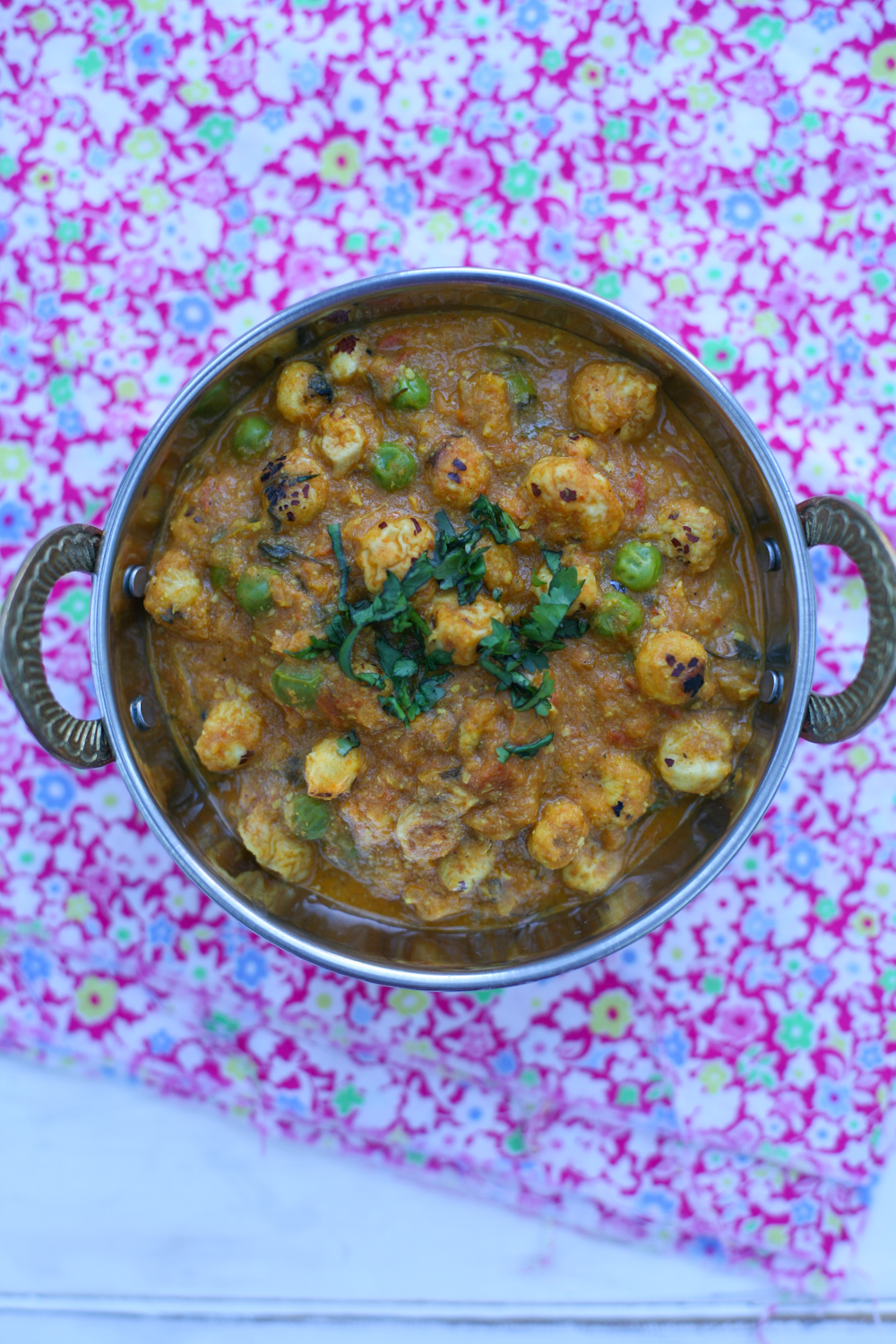
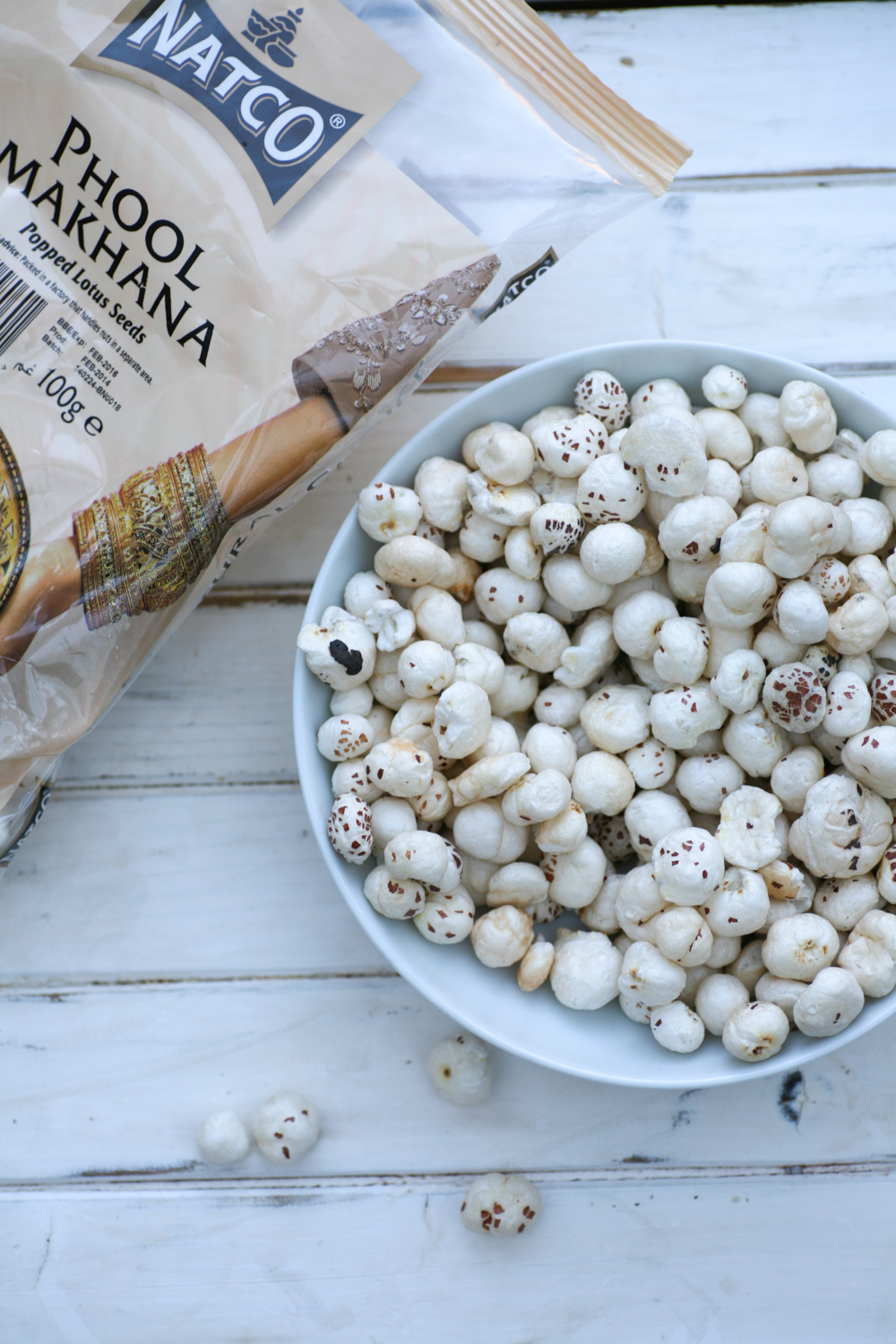
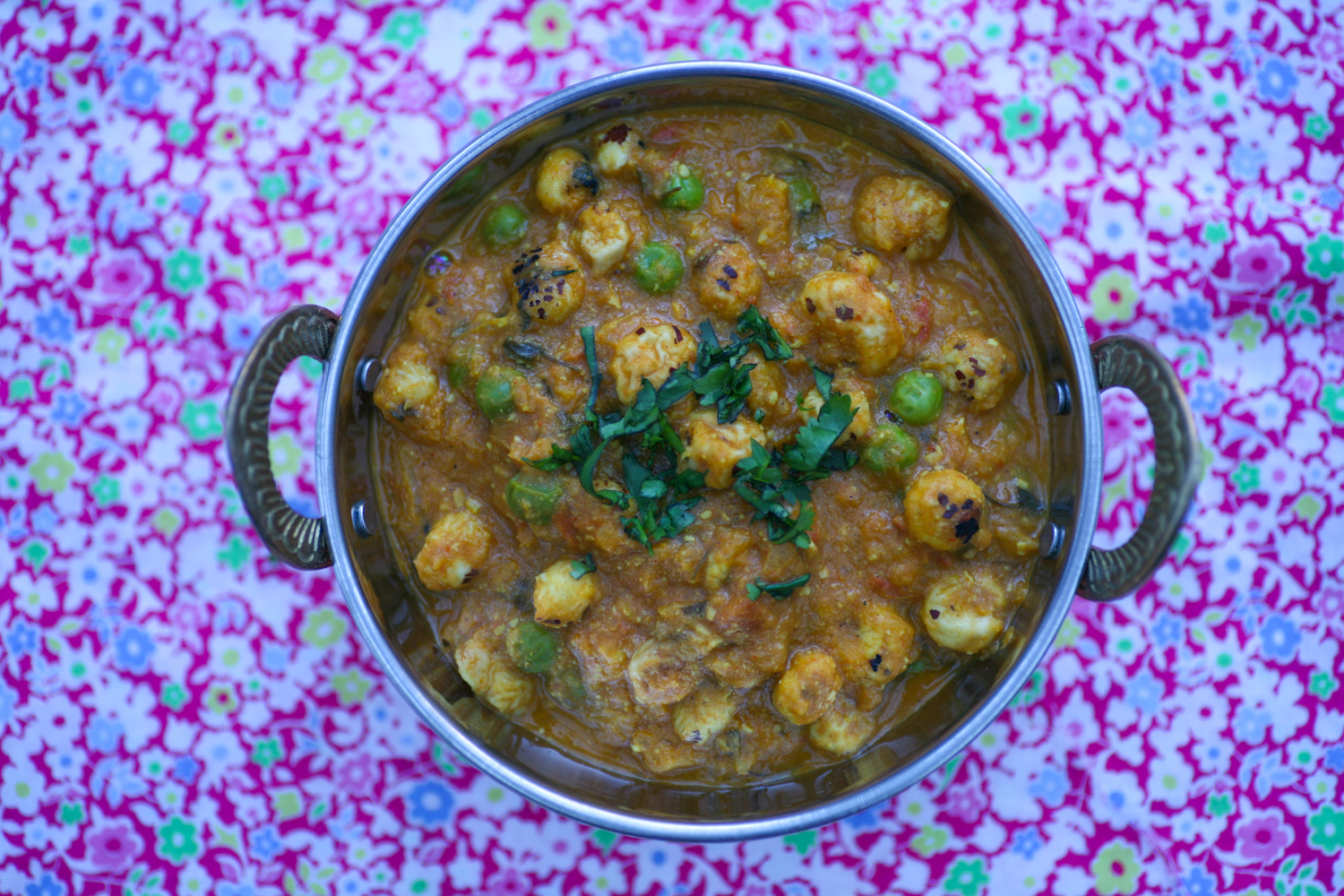
Continuing on the theme of providing an Indian dish for you each week, through the month of June, as part of Curry for Change, I hereby introduce a curry that I imagine many of you have never come across before – Lotus Seeds – otherwise known in India, as Phool Makhana. When Natco foods sent me a huge box of goodies for me to create a dish as part of a competition for food bloggers, (more about this click here from last weeks post), a large packet of phool makhana – popped lotus seeds – definitely stood out. They look very similar to popcorn or little cotton balls.

IMG_9264

In all honesty I had not eaten or even seen lotus seeds before, which was even more of a reason to experiment and give them a try. I discovered that they are greatly valued for their nutritional (powerful antioxidants) and healing properties, especially in Chinese medicine. In India, the state of Bihar produces the most amount of lotus seeds, largely owing to it’s climate and geography. They are  grown in stagnant water of wetlands, ponds and lakes and are completely organic. The seeds themselves can be eaten raw, fried or toasted – I opted for the latter as I was putting them in a curry.

IMG_9344

This curry is a winner for anyone wanting to avoid meat. It’s quick and easy to execute and kind on your waste line. It’s also rather tasty! We try to have meat free mondays, so this curry will definitely be making more appearances going forward. Have a look out for the seeds when you next visit your local Asian grocers.

Oh and if are wondering how I got on with the bloggers curry competition….you are going to have to wait an extra week as I don’t want to spill the beans before it’s official….(clue: it wasn’t me but will reveal more soon ;o)

***********

Lotus Seed/Phool Makhana Curry 

Serves 4 (or 6 if serving with other dishes)

60g lotus seeds/phool makhana

1 tsp olive oil

50g cashew nuts, soaked in 100ml of warm water

1 large onion, finely chopped

2 tbsp olive oil

2 large tomatoes, finely chopped

2 tsp ginger and garlic paste

1 tsp Kasmiri chilli powder (less if you prefer it less hot)

1/2 tsp tumeric powder

1 tsp garam masala

2 tsp coriander powder

1 tsp salt

70g frozen peas

2 tsp dried fenugreek/methi leaves

200ml water

1. Place the olive oil in a non-stick saucepan and gently fry, stirring continuously, the lotus seeds for 5 minutes to allow them to bronze slightly and crisp up.

2. Place in a bowl and leave to one side.

3. In the same non-stick pan gently fry the onion for 5 minutes to allow to soften and become translucent. Add the garlic ginger paste and stir into the onions. After a minute, add the tomatoes and stir into the other ingredients.

4. Now add the Kashmiri chilli powered, turmeric, coriander powder, garam masala and salt. Stir well and leave to simmer for 3 minutes.

5. Transfer the contents of the pan into a blender and then return to the blender once you have a smooth sauce. Continue to simmer for a couple of minutes.

6. Place the cashew nuts, and the water they are soaking in, into a blender to form a paste. I find that my spice grinder works well at blending the nuts smoothly (do not add the water to the spice grinder!) and then stir into the water after they have been ground up. Add to the main pan and simmer for a minute.

7. Add the dried fenugreek/methi leaves and the peas and stir into the smooth sauce along with 200ml of water and simmer.

8. After 5 minutes add the lotus seed and stir thoroughly into the sauce. Simmer for a further couple of minutes then serve.

9. Serve with some chopped fresh coriander and a wedge of lemon.

IMG_9279


Dried Ginger and Lentil Spiced Chicken Balti and the Curry For Change Campaign

IMG_9027

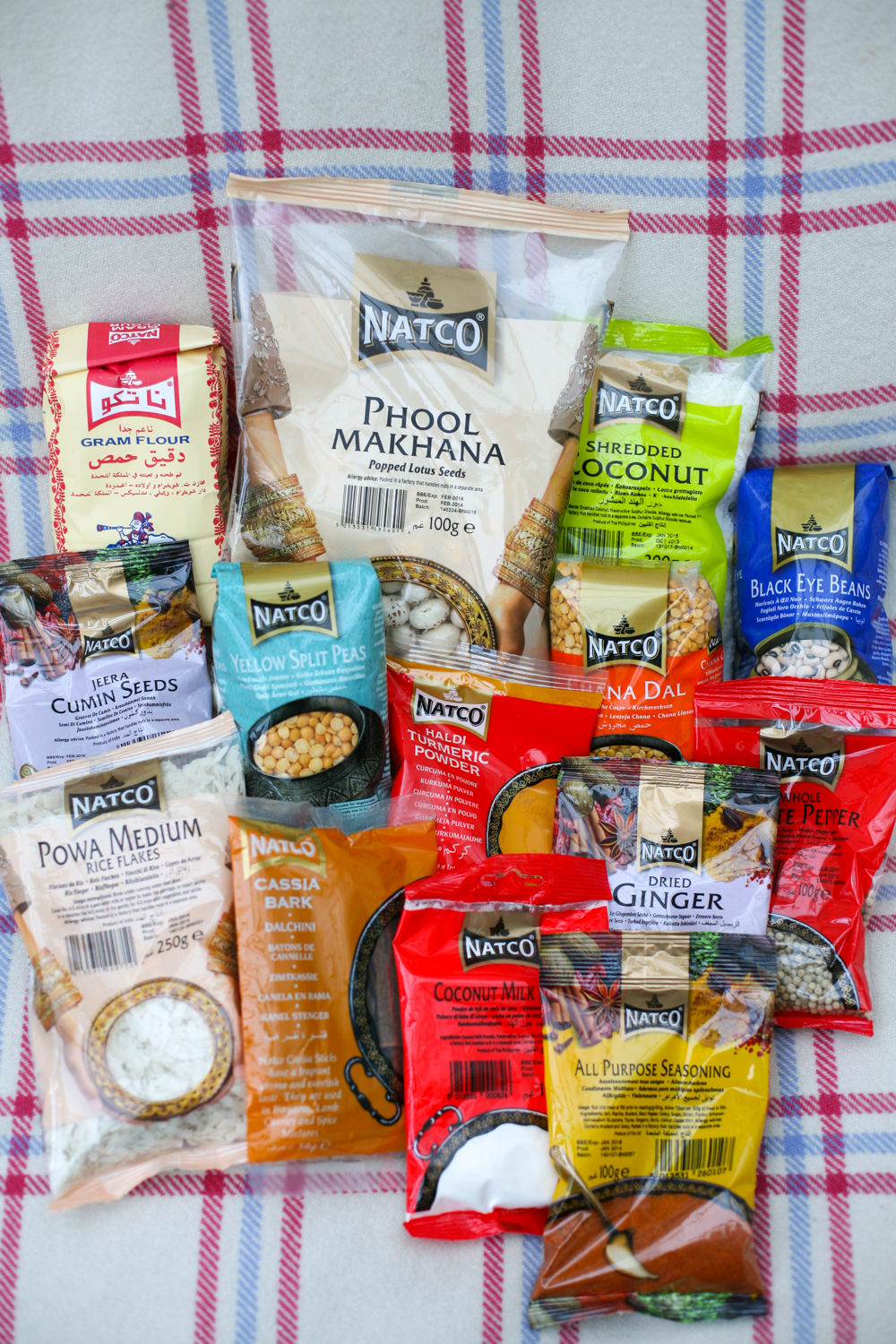
For the month of June folks, I’m going to share recipes that include some of the ingredients that were kindly sent to me by Natco foods as part of the ‘Curry for Change campaign’ competition. As part of the competition, food bloggers had to use at least 3 ingredients to come up with an original curry that would be easy to replicate at home by YOU.  Check out the varied array of goodies they sent me. My mind was working in overdrive to come up with a curry that would appeal from a taste and ease perspective.

I’m curious as to what you would have created using some of the ingredients below…..leave a comment for us all to see.

IMG_8956 But first let me take a few steps back to explain what ‘Curry for Change Campaign’ is all about and how you too can get involved.

In short, the campaign is about raising awareness of families who suffer from hunger across the world and how by cooking or eating a curry can help support a wonderful charity called ‘Find Your Feet’. The charity helps rural communities in Asia and Africa by giving them the knowledge and skills to become self sufficient and feed their families and communities. Rather than just offering handouts the charity gives the communities knowledge, understanding and education that allows them to bring themselves out of poverty and hunger. You can read more about the charity – here.

IMG_9032

You are probably wondering how eating or cooking a curry is going to actually help these communities?

Well a number of well-known Indian restaurants across the capital, in June, have thrown themselves into the campaign by creating a number of special dishes to help raise money for the cause. For those of you who are keen cooks, however, you can sign up for a Curry for Change event pack http://www.curryforchange.org.uk  for you to host a spicy night in with friends. All your friends need to do is to donate what they would spend on a typical Indian take-out. The pack includes spices from Natco Foods, cooking tips and recipes from the campaign ambassadors. On top of that you will also have my recipes over the month to give you more ideas on what to cook as well as my extensive list of recipes in my recipe library.
IMG_9013

So what are you waiting for? Do leave comments below and let us know how you get on. Spread the word on this exciting campaign. I’ll be giving you details of who won the competition in my next post ;o)….so watch this space.

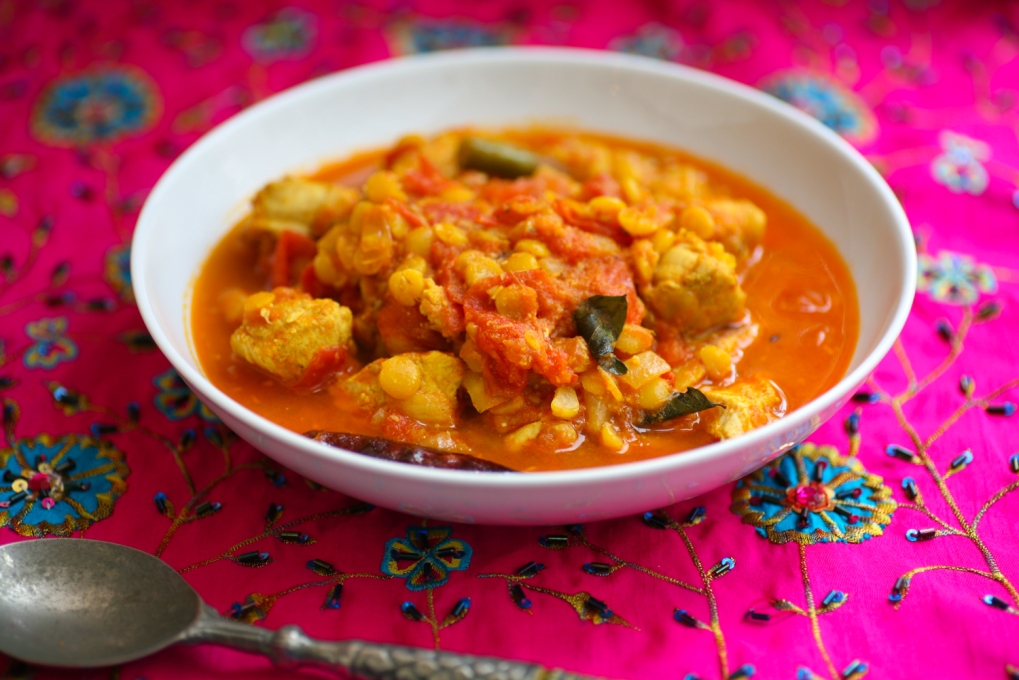
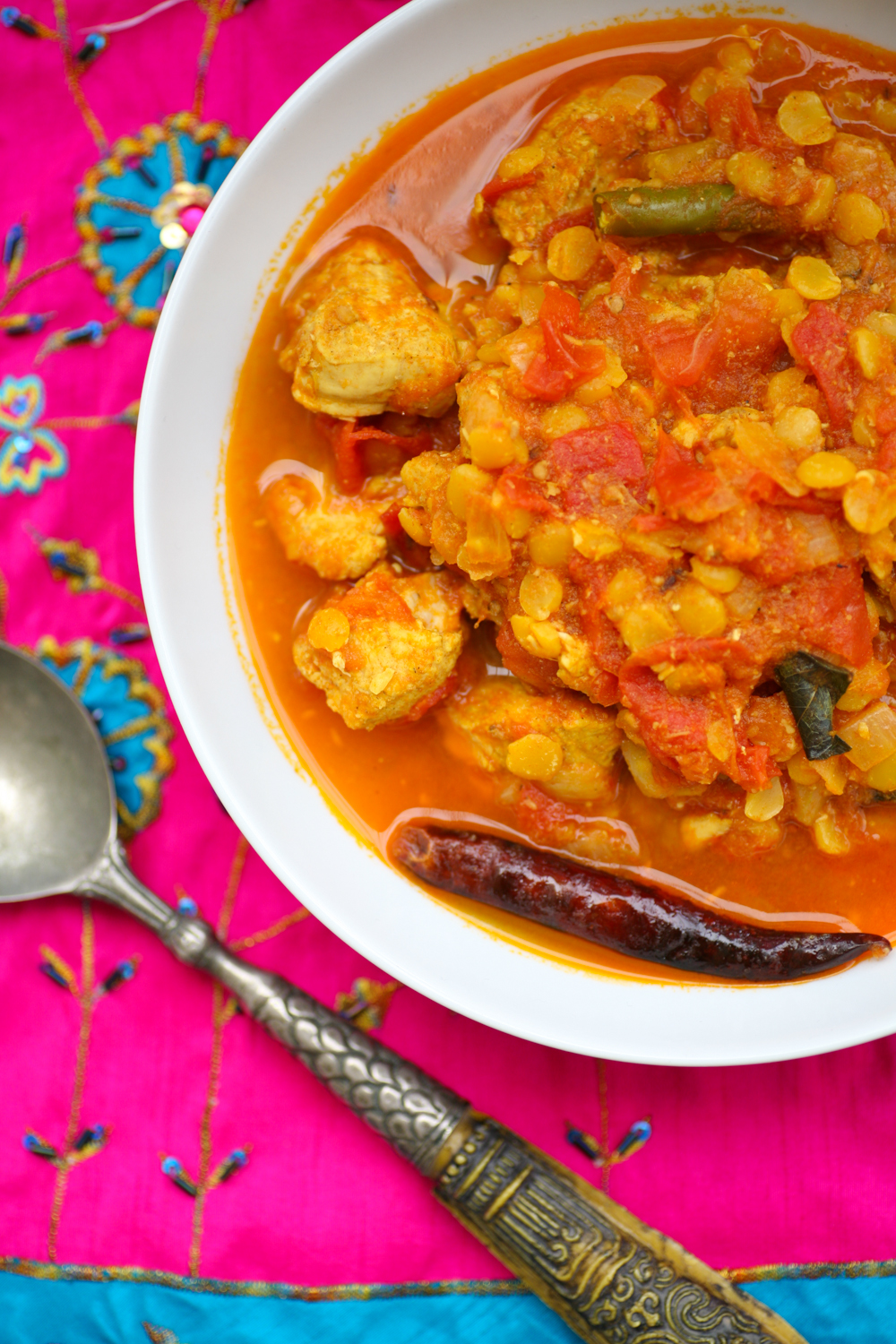
Dried Ginger and Lentil Spiced Chicken Balti

5 tbsp vegetable oil

10g dried ginger

1 tbsp shredded coconut

500g chicken breast, cut into bite sized pieces

1 tsp turmeric

1 white onion, finely chopped

1 tsp garlic paste

2 tsp salt

1x 4 inch piece of cassia bark, broken in two

2 green chillies, stalk removed but kept whole

1 tsp Kashmiri chilli powder

6 large tomatoes (900g), finely chopped

400g boiling water

100g yellow split peas

*******

to make the Tarka

1 tsp cumin seeds

2 dried red chillies

10 fresh curry leaves (or dried if you can’t get hold of fresh)

Ingredients in bold were part of the Natco hamper sent to me.

1) Heat a large deep pan with 1 tablespoon of oil. When it is hot add the dried ginger and move around the pan for under a minute. Remove the ginger and place in a spice grinder/blender along with the shredded coconut.

2) In a bowl add the chicken pieces, turmeric powder, the ground dried ginger and shredded coconut as well as one tablespoon of vegetable oil. Stir well so that all the chicken pieces are coated. Leave to rest whilst you prepare the rest of the dish.

3)  In the same large deep pan that you heated the dried ginger, add 3 further tablespoons of vegetable oil. When it is hot add the onion and gently fry it until it begins to brown in colour. Add the garlic paste, salt, Kashmiri chilli powder and cassia bark and stir for a few minutes.

4) Add the spiced chicken pieces to the pan and stir into all the other ingredients. Place a lid on the pan and allow the chicken to whiten and begin to bronze in places. Stir at intervals. This will take around 10 minutes.

5) Add the chopped tomatoes and the boiling water, which will allow the yellow split peas to cook easily. Continue to cook the curry on a medium heat for 20 minutes with the lid on. Then remove the lid and simmer for a further 10 minutes.

6) In a separate small pan heat one tablespoon of vegetable oil and when it is hot add the cumin seeds, dried red chilli and curry leaves –  this will be the tarka. The cumin seeds will begin to sizzle almost immediately. Move the ingredients around the pan for one minute and then pour into the main pan when ready to serve.

Serve with either plain rice, naan, paratha or puri.

Note: If you prefer less of a sauce keep the lid off the pan for a little longer, which will allow the sauce to thicken and reduce.

    IMG_9039  


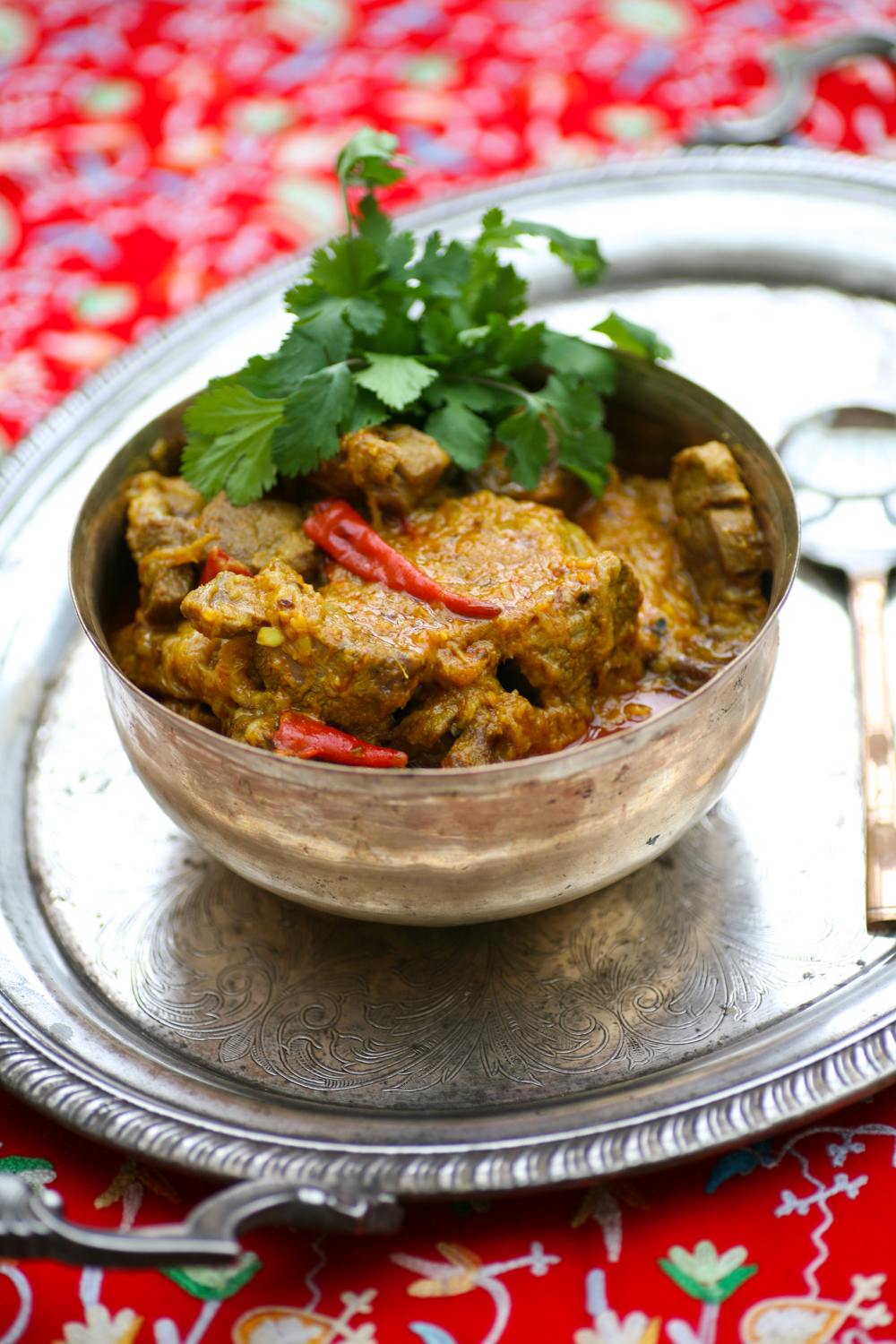
Rajasthani Kick-Ass Lamb Curry – Laal Maas

IMG_8766

Sometimes a kick-ass curry is what one needs to enliven the senses and to feel blessed to be alive. It also does wonders if you are suffering from a cold or feeling a little run down. This curry, known as Laal Maas – which in Hindi translates as  ‘red meat’ – is a traditional Rajasthani dish that is loved, adored and eaten in every Rajasthani household. My version is not ‘blow your brains out’ chilli hot, although it does have more heat than the majority of my Indian curries on my blog.  I think if you generally like spice then this will appeal. If you are more of a korma person then I would give laal maas a wide berth.

IMG_8745

I cooked it earlier in the week when I had a bunch of friends over for supper and not one lamb morsel or spoonful of sauce was left. I served it with an ivy gourd/tindora/gentleman’s toes curry – see recipe here as I felt they would compliment and not overpower one another. I also made some pakora with some homemade coriander chutney and tamarind and date chutney – recipes for all of these I will post soon.

IMG_8728

Rajasthani cooking is traditionally a lot spicy than Bengali and this dish clearly demonstrates this. It is not a hot as you may think, largely owning to the Kashmiri chilli powder that is added which gives the curry a deep red colour but not so much heat that it is difficult to eat. The yoghurt also tones the down the heat making it enjoyably palatable. Not one of my guests requested milk to deaden the heat or were perspiring uncontrollably. So give it a go. I like to cook it earlier in the day and then gently reheat before serving. I find that leaving it to rest a while before reheating also calms the heat so don’t stress if you taste a spoonful when it is cooking in the first instance as it will calm down if it is left for a few hours.

***********

Laal Maas – Rajasthani Kick-Ass Lamb Curry

Serves 6

125ml vegetable oil

2 tsp cumin seeds

6 cloves

6 fresh red chillies, storks removed (you can also used dried – see footnote)

1/2 mace blade

6 green cardamom pods, opened

2 black cardamom pods

2 large red onions, thinly sliced

1 tbsp garlic paste

1 tbsp ginger paste

1.2kg lamb, diced

2 tsp Kashmiri chilli powder

1 tsp turmeric powder

2 tsp salt

250g plain yoghurt, whisked

coriander to serve – optional

1. Using a pestle and mortar (or a bowl and the end of a rolling pan if you do not have one), gently bash the green cardamom pods so that they open and some of the seeds come out. Place to one side. If you are making your own ginger and garlic paste I find gently grating them first is the best way to form a paste. Add a drop or two of water to make a more paste like consistency. For this recipe I used a jar of garlic paste and ginger paste for ease and speed.

2. In a large pan or casserole dish add the oil and when it is hot, but on a medium heat, add the cumin seeds and move them around the pan for 30 seconds to allow the flavours to open up.

3. Add the chilli, the green and black cardamom pods, mace blade and cloves and continue to move around the pan for a further minute.

4. Add the sliced onion and cook on a low heat for 6-8 minutes, by which time the onion will begin to brown in colour.

5. Add the garlic and ginger paste and stir in well with the other ingredients and leave to cook for a further 5 minutes.

6. Now add the diced lamb and completely coat in all the ingredients. Add the turmeric, Kashmiri chilli powder and salt and leave to cook gently so the lamb has browned – this will take up to 10 minutes.

7. Place the whisked yoghurt into the pan and fold into the lamb. Cook for a further 5 minutes, before reducing the heat and allowing the lamb to simmer in the sauce for 40 minutes. Continue to stir intermittently.

8. Ideally cook this curry at least a few hours before serving allowing the curry to rest. When you are ready to eat gently reheat and if you like scatter with coriander before serving.

Serve with Basmalti rice or Indian flat bread to mop.

The same curry can be made easily with either chicken or goat. 

You can also used dried Kashmiri chillies. Best to soak them in warm water for 10 minutes and then either keep them whole or blitz them to make a coarse paste. 

*********


Boneless Southern Indian Chicken Curry

IMG_8635

I am guessing that most households will eat chicken at some point in an average week and whilst I do cook a number of chicken curries on the bone, it is always good to have some boneless chicken curries up your sleeve that you can whip together relatively quickly on a given evening. Cooking meat on the bone allows the meat to be more tender and succulent, but that said I know that having bones in a meal can really put some eaters off. So I hope this curry will be a happy compromise in that it is tasty, quick and bone free, therefore perhaps appealing to a wider audience.

IMG_8632

Whilst it does contain coconut milk the tomatoes balance out the sweetness to the extent the coconut doesn’t dominate this dish, instead giving it a subtle creaminess. I also find that adding just two chillies allows my eldest child, who is 8 yrs old, to really enjoy eating it as she does not find it too spicy. So if you find yourself wondering what to do with some chicken breasts in the fridge over the course of next week give this south Indian curry a go, you won’t be disappointed.

Boneless Southern Indian Chicken Curry

Serves 4

650g chicken breasts or thighs, cut into bite sized morsels

1 level tsp of turmeric powder

1/2 tsp of Kashmiri chilli powder

2 tbsp vegetable oil

1 tsp black mustard seeds

1 red onion, chopped

2 inches of ginger, peeled and finely grated

4 garlic cloves peeled and finely grated

************

curry paste

2 green chillies, chopped

1 red onion, chopped

3 garlic cloves, chopped

1 inch of ginger, peeled and chopped

1/2 tsp of black peppercorns

1/2 tsp ground cumin

1 tsp ground coriander

2 tbsp water

****************

5 tomatoes, peeled, skinned and chopped (put in boiling water for 3 mins then peel easily)

 2 limes, juice

250 ml coconut milk

salt to taste

fresh coriander leaves to serve

1. First marinate the chicken breasts at room temperature for up to an hour. Mix thoroughly with the turmeric and Kashmiri chilli powder and cover.

2. Prepare the chopping and grating of the onion, garlic and ginger for both the paste and the sauce and place to one side.

3. Place all the curry paste ingredients in a blender and blend into a smooth paste. Add a little more water if it needs help reaching a smooth quality. Place to one side.

3. Heat up a large pan with the oil and when it is hot add the mustard seeds. They will begin to pop within about 20 seconds  – move them around the pan to release the fragrance and then add the onion and stir into the oil and seeds. Cook the onions for 5 minutes, by which time they will begin to soften before adding the garlic and ginger. Cook for a further minute before adding the curry paste and stiring thoroughly. Let simmer away for a further couple of minutes.

4. Add the chicken and stir into the sauce so that it is coated and begins to cook. After 8-10 minutes the chicken should have turned white, with no pink bits remaining, and will begin to bronze in places.

5. Add the softened tomatoes (you can remove the pips but I tend to use it all up, bar the skin!), lime juice and coconut milk and simmer for a further 20 minutes to allow the flavours to work together and for the chicken to be thoroughly cooked through. Season to taste.

If the sauce needs to be juicier then simply add a little water. If it is too juice then cook with the lid off for a little longer.

Serve with fragrant rice or some Indian flat bread.

IMG_8629


Chana Masala at L’atelier des Chefs by St Paul’s Cathedral

IMG_8345

A stone’s throw away from the iconic St Paul’s Cathedral in the heart of the city of London you will find Foster Lane and nestled down it at number 10, the cookery school and cook shop, ‘L’atelier des Chefs‘. This is one of two – the other is in Wigmore Street – soon to be three locations of the cooking school, with a further 17 across the water in France.

IMG_8368

Originally set up by two French brothers, Nicolas and Francois Bergerault who wanted to bridge the gap between chefs and the day to day cook. The ethos of the company was to bring people back in the kitchen, around the table and share the love of cooking. The brothers have hired passionate and skilled chefs to teach cooking classes to budding food enthusiasts. Classes range from half an hour, whereby you cook one dish over a lunch time or after work, to a four hour ‘chefs masterclass’, therefore appealing to those of all standards and budget. Class sizes also range from small intimate groups to larger corporate events/team bonding; there is even a class for kids so everyone is included and encouraged.

IMG_8367

I headed down there earlier this week with my mother in tow. I enlisted the pair of us on the Indian cooking session. Whilst I am very comfortable around the spice rack and cooking Indian food, my mother, who is a fabulous cook, is slightly less comfortable cooking a curry. I was keen to see if the session would appeal to both of us.

IMG_8310

We were greeted by friendly staff who offered us teas and coffees before class began. There were seven of us in our class and we were introduced to chef Daniel Stevens who has just returned from an extended visit to Kochi in Kerala, India, where he has been working closely with Lily Vanilli and Atul Kochhar in their new joint venture, Bloomsburys Cafe, which focuses on celebrating Kerala flavour in Western style patisserie.

IMG_8290

Introductions over we rolled up our sleeves, washed our hands and began slicing, dicing and chopping away. Over the course of the morning we all helped to prepare a lamb rogan josh (lamb curry), chana masala (chickpea curry), vegetable pakoras (similar to an onion bhaji) with a tamarind chutney and saag aloo (potato and spinach curry). We all took turns with stirring and adding ingredients and all tasted for spiciness and saltiness along the way. I liked how Daniel allowed the class to decide if more salt, spice, sourness or sweetness was required in a particular dish. After all Indian cooking is not an exact science like baking where exact measurements are integral to the success of the cake or bread. Indian cooking allows you to be a little flexible with measurements and a more ‘go with the flow approach’ to creating a dish – something that definitely appeals to my style of cooking.

Time raced by and after two hours we had prepared all the dishes. We all sat down on a long table, admired the curries we had created and dived in before anything got cold. We all agreed that the morning had been a real success. We had all picked up new tricks and skills and unanimously agreed that we would all be able to replicate the same dishes again in the comforts of our own home kitchens. Would we return? Most definitely. In fact a couple of my class mates were already on their third return visit and if that isn’t the seal of approval on a fun and informative cooking school, I don’t know what is.

After squeezing in second helpings we were given goodie bags to take home some more. We said our goodbyes and headed out into the rain with a glow in our bellies and a spring in our step.

Chana Masala

Adapted from the L’atelier des Chefs recipe.

Serves 4-6

250g tinned chickpeas

2 tbsp vegetable oil

3 whole cloves

1 whole cinnamon stick

3 green cardamom pods, split open

2 medium sized white onion, finely sliced

1 tsp turmeric

1 tsp red chilli powder

2 tsp ground coriander

2 inch fresh ginger, peeled and finely grated

2 whole garlic, finely grated

4 tomatoes, chopped into small bits

150ml vegetable stock

1 handful of fresh coriander

2 tsp rock salt

1 lemon, juice

1. Heat a saucepan and add the vegetable oil. When it is hot add the cloves, cardamom pods and cinnamon stick and allow the aromas to be released. After a minute add the onion to the pan and cook on a medium heat for around five minutes until it begins to soften and brown.

2. Now add the turmeric, chilli powder and ground coriander and give a good stir. Add the garlic and ginger and stir to make sure they do not burn at the bottom of the pan. Adding a very little water helps to prevent burning!

3. Add the tomatoes and allow them to soften for a few minutes before adding the vegetable stock and chickpeas and allowing the curry to simmer and soften gently. Allow the juice to soak up and if it becomes too dry then just add a little more water.

4. After ten minutes add some salt to taste and then turn off the heat and scatter the fresh coriander on top. Before serving add some lemon juice

Chilli and Mint was a guest of L’atelier des Chefs. You can find more details about the course and other courses on offer here.